Georgieva Tatyana, Yordanov Yordan, Yordanova Elena, Khan Md Rezaul Islam, Lyu Kaiwen, Busov Victor
College of Forest Resources and Environmental Science, Michigan Technological University, Houghton, MI, United States.
Department of Biological Sciences, Eastern Illinois University, Charleston, IL, United States.
Front Plant Sci. 2024 Oct 18;15:1468905. doi: 10.3389/fpls.2024.1468905. eCollection 2024.
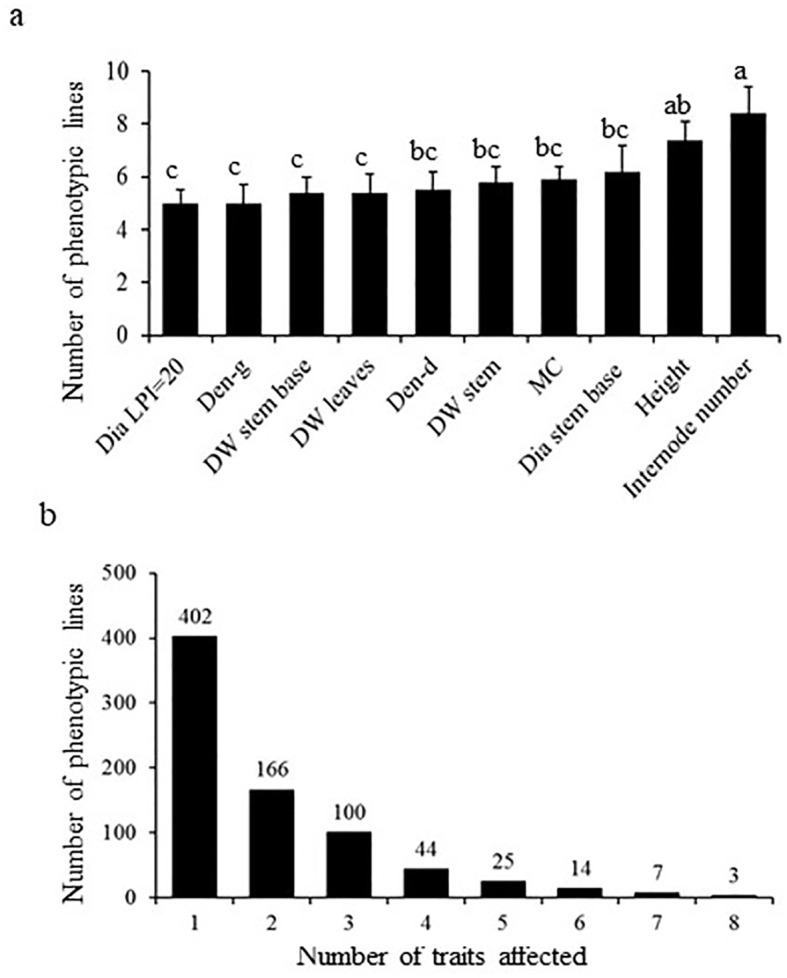
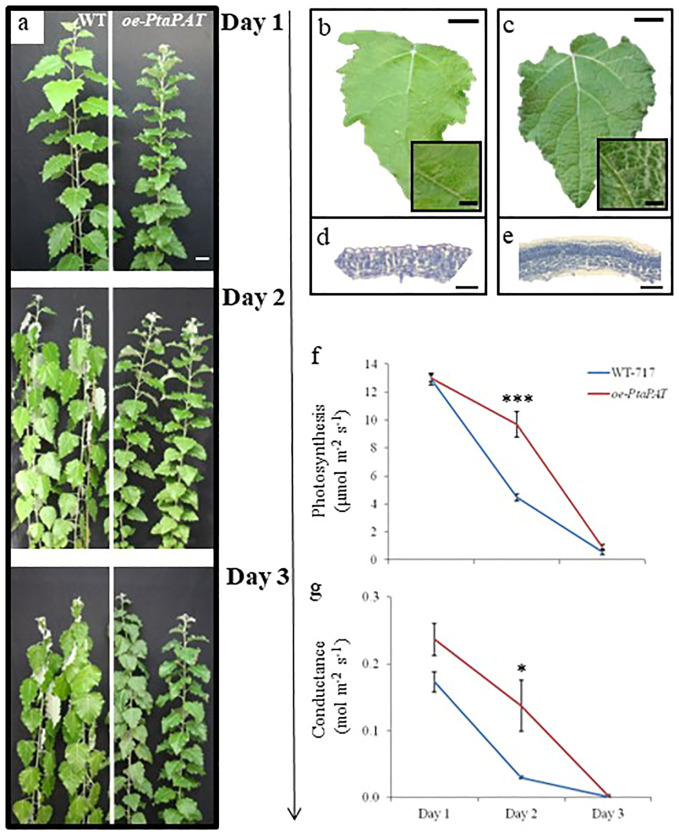
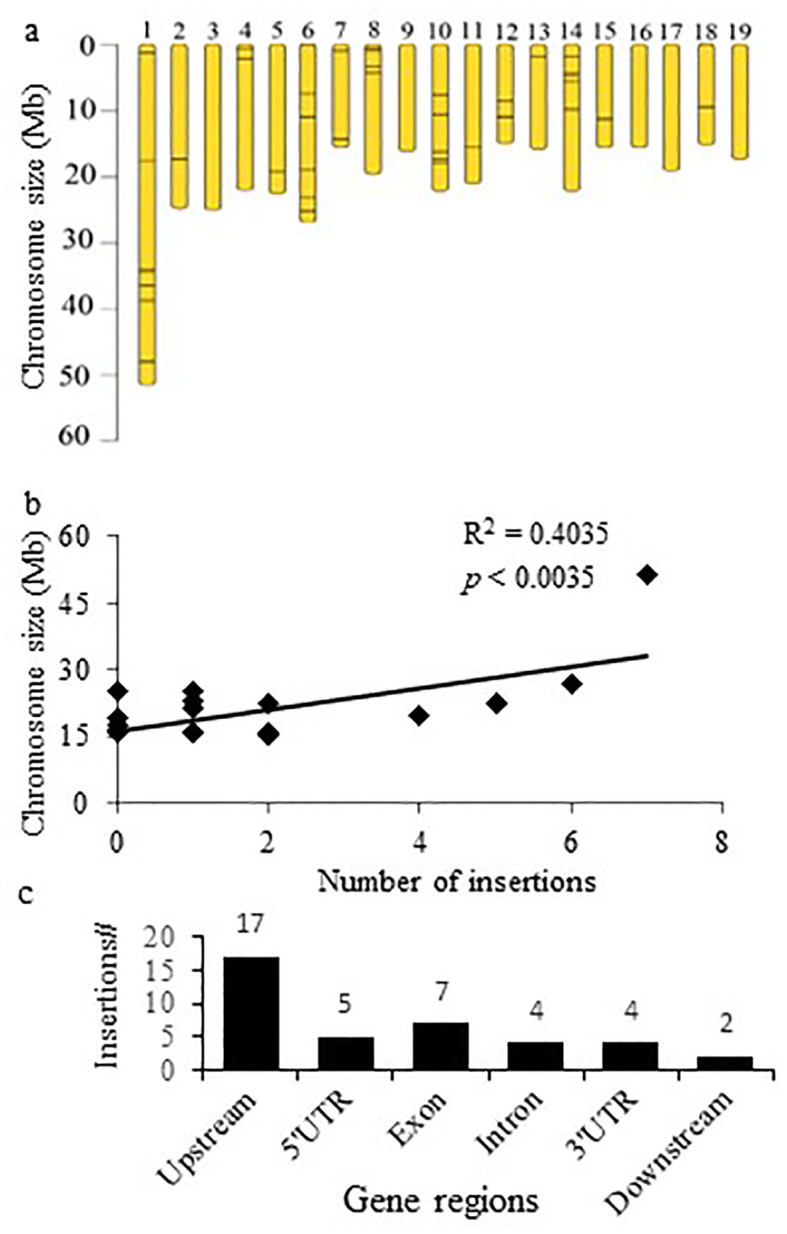
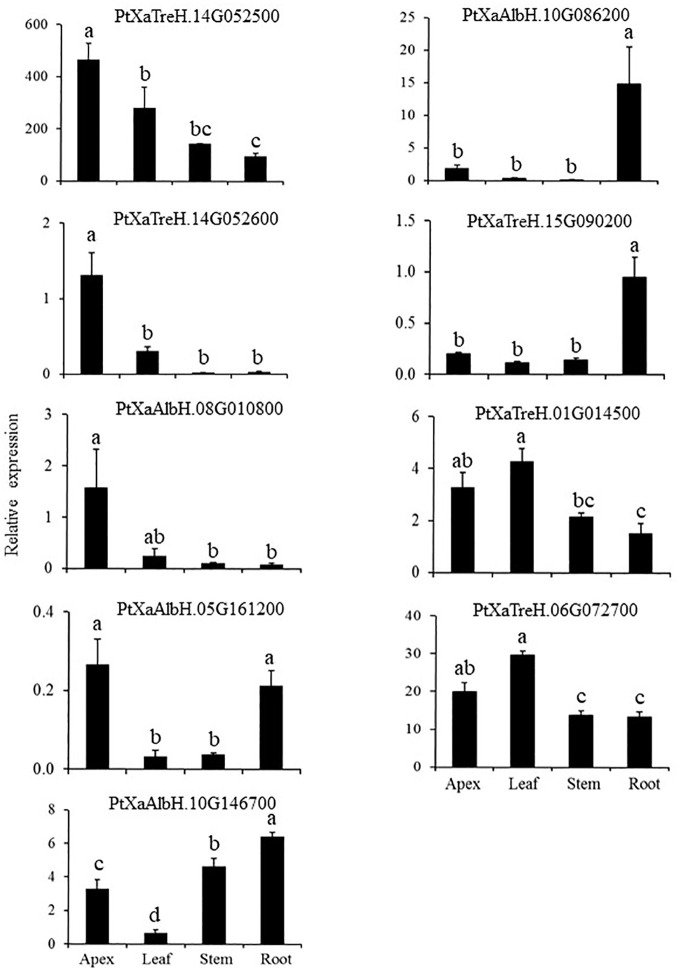
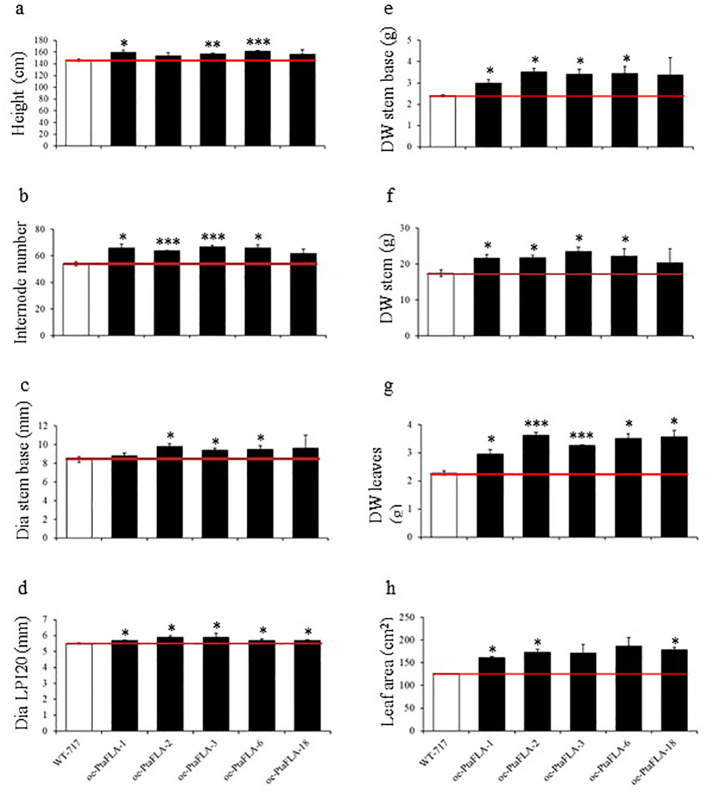
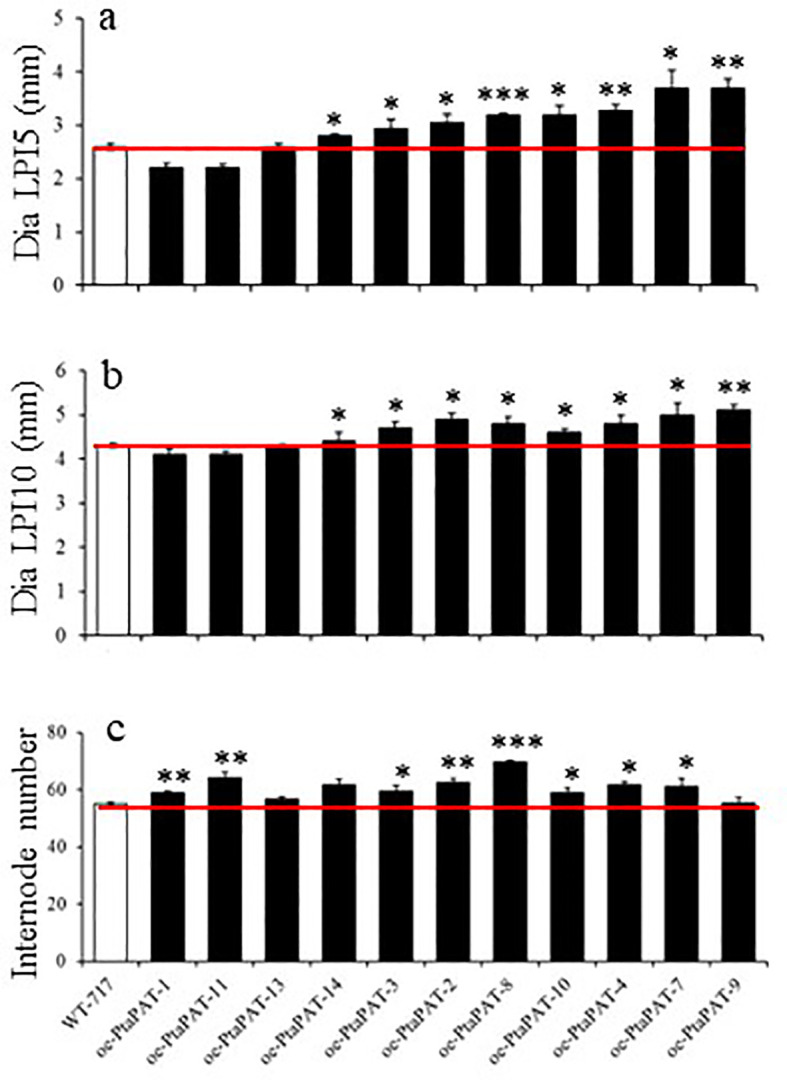
Woody biomass serves as a renewable resource for various industries, including pulp and paper production, construction, biofuels, and electricity generation. However, the molecular mechanisms behind biomass traits are poorly understood, which significantly curtails the speed and efficiency of their improvement. We used activation tagging to discover genes that can positively affect tree biomass-associated traits. We generated and screened under greenhouse conditions a population of 2,700 independent activation tagging lines. A total of 761 lines, which had significantly and positively affected at least one biomass-associated trait, were discovered. The tag was positioned in the genome for forty lines which were affected in multiple traits and activation of proximal genes validated for a subset. For two lines we fully recapitulated the phenotype of the original lines through overexpression. Moreover, the overexpression led to more pronounced and additional improvements, not observed in the original lines. Importantly, the overexpression of a Fasciclin-like gene (PtaFLA10) and a Patatin-like gene (PtaPAT) was found to substantially improve biomass, with a 40% increase in dry-stem weight, and enhance drought tolerance, respectively. Additionally, PtaPAT overexpression increased cellulose content, which is crucial for biofuel production. Our work shows that the activation tagging approach applied even on a non-genome saturation scale in a poplar tree can be successfully used for the discovery of genes positively modify biomass productivity. Such dominant forward genetics approaches can aid in biotechnological manipulation of woody biomass traits and help unravel the functions and mechanisms of individual genes, gene families, and regulatory modules.
木质生物质是包括纸浆和造纸生产、建筑、生物燃料及发电等多个行业的可再生资源。然而,生物质性状背后的分子机制却知之甚少,这严重限制了其改良的速度和效率。我们利用激活标签技术来发现能够正向影响树木生物质相关性状的基因。我们在温室条件下生成并筛选了2700个独立的激活标签系群体。共发现761个品系至少对一种生物质相关性状有显著正向影响。对40个受多个性状影响的品系进行了标签在基因组中的定位,并对其中一部分品系验证了近端基因的激活情况。对于两个品系,我们通过过表达完全重现了原始品系的表型。此外,过表达导致了比原始品系更显著且额外的改良。重要的是,发现类成束蛋白基因(PtaFLA10)和类马铃薯Patatin基因(PtaPAT)的过表达分别显著提高了生物量(干茎重增加40%)并增强了耐旱性。此外,PtaPAT过表达增加了纤维素含量,这对生物燃料生产至关重要。我们的工作表明,即使在杨树中以非基因组饱和规模应用激活标签技术,也能成功用于发现正向修饰生物质生产力的基因。这种显性正向遗传学方法有助于对木质生物质性状进行生物技术操作,并有助于揭示单个基因、基因家族和调控模块的功能及机制。