Department of Ophthalmology, University Hospital Zurich and University of Zurich, Zurich, Switzerland.
Masters Program in Biostatistics, University of Zurich, Zurich, Switzerland.
Invest Ophthalmol Vis Sci. 2024 Nov 4;65(13):2. doi: 10.1167/iovs.65.13.2.
People with multiple sclerosis (pwMS) experience autoimmunity-mediated inflammation and neurodegeneration throughout the central nervous system. There remains a need for clinically accessible, reliable functional markers of neurodegeneration in MS. Previous research has described changes to electroretinography (ERG)-derived measures of retinal bipolar cell function in pwMS early in the disease course. We, therefore, investigated ERG as a potential outcome measure in individuals with more advanced disease.
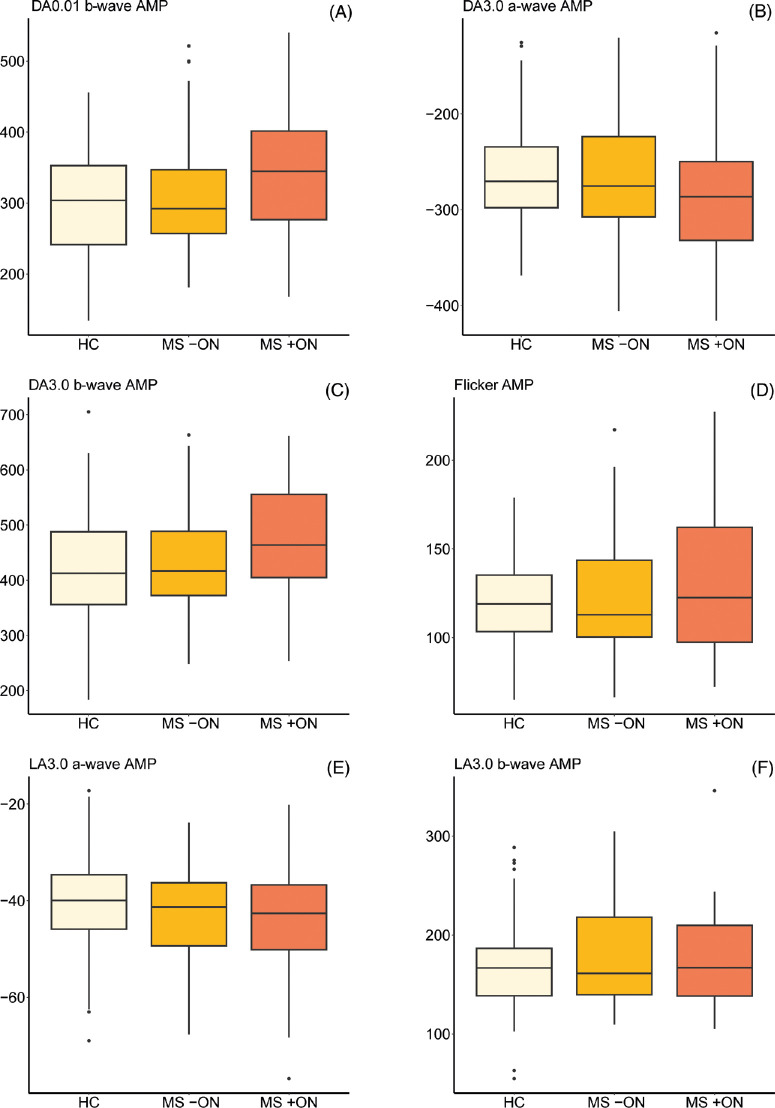
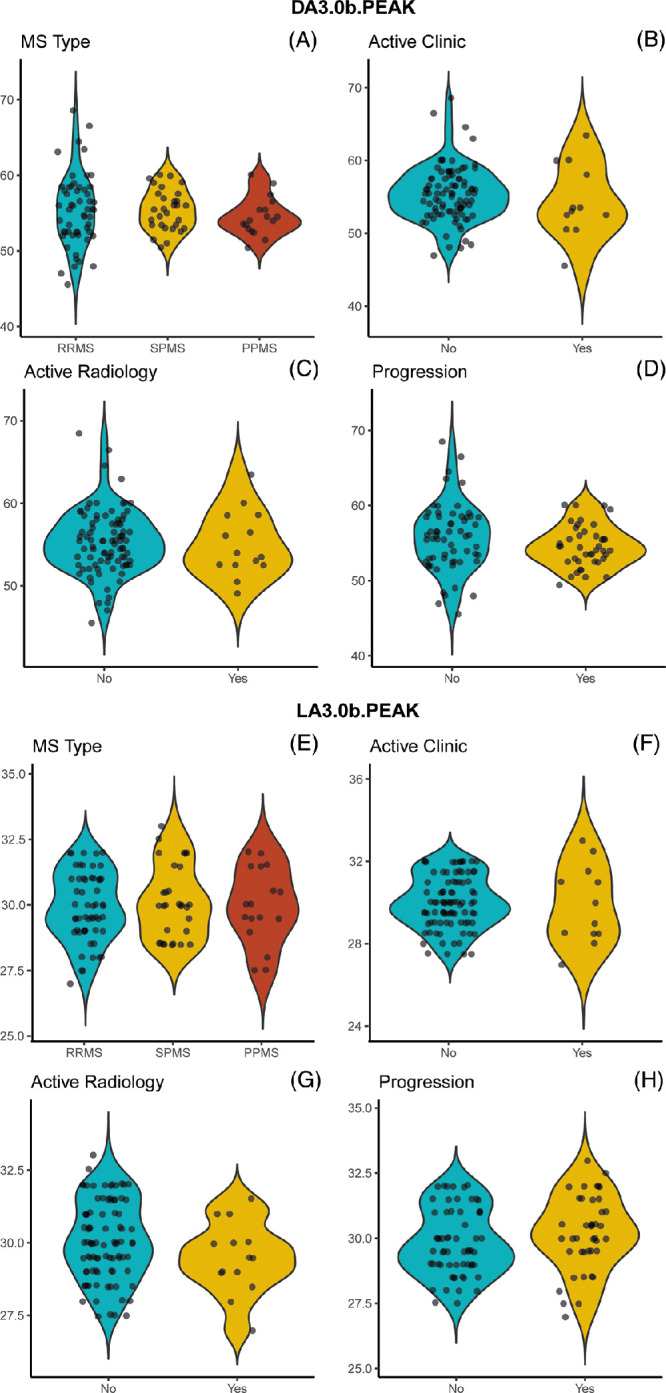
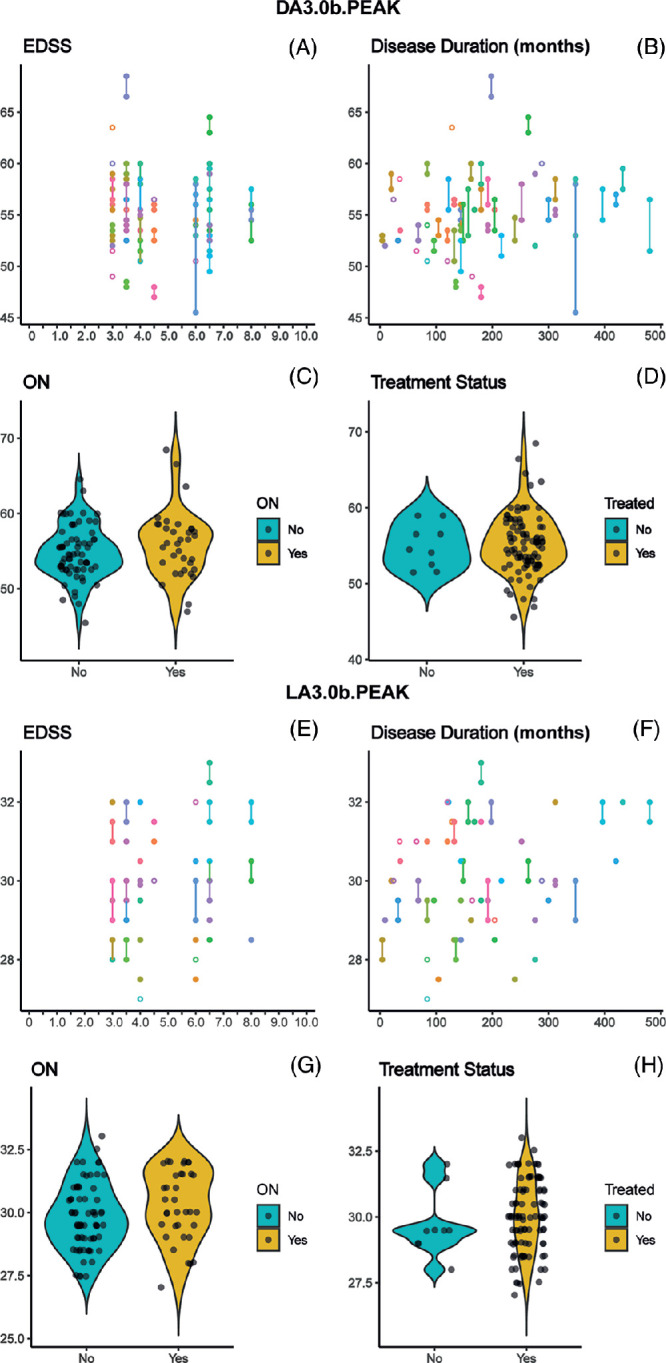
This cross-sectional observational study included pwMS with Expanded Disability Status Scale (EDSS) scores of ≥3.0 and healthy control (HC) participants who underwent ERG, optical coherence tomography, high- and low-contrast visual acuity measurement, and an ophthalmological examination. ERG findings in MS eyes with and without previous optic neuritis (MS +ON; MS -ON) were compared with those in HC eyes. Effects of EDSS, disease duration, ON, and treatment status on selected ERG outcomes were measured. Additional exploratory analyses assessed potential influences of MS phenotype and disease status (clinically active, radiologically active, and disease progression).
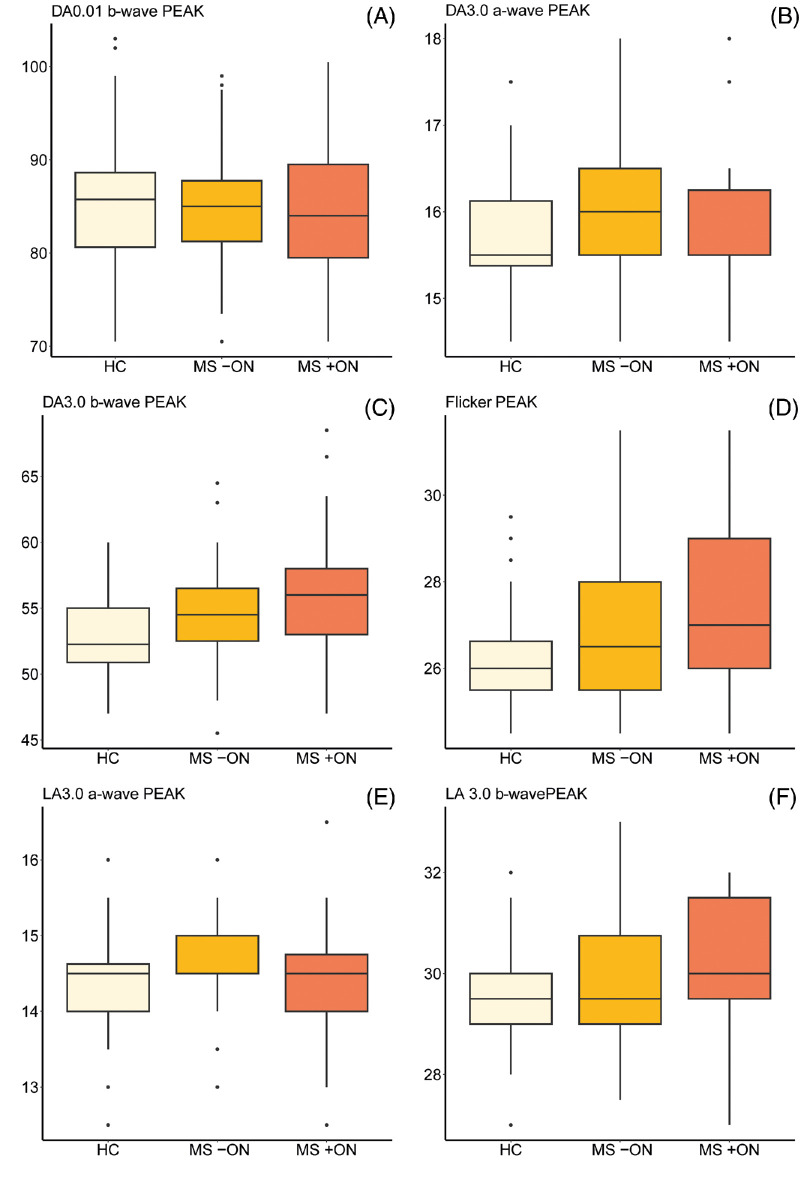
Delays to two ERG peak times (dark-adapted 3.0 b-wave; light-adapted flicker) were recorded in MS +ON and MS -ON eyes. No influences of EDSS score, disease duration, previous ON, or treatment status were observed. Exploratory analyses were consistent with no effects of MS phenotype or disease status.
ERG findings are abnormal in individuals with moderate-severe disability caused by MS; however, these findings are not distinct from those observed earlier in the disease course. Although bipolar dysfunction appears to be common in pwMS throughout the disease course, ERG is likely not useful in monitoring or prognostication of MS.
多发性硬化症(pwMS)患者的中枢神经系统会出现自身免疫介导的炎症和神经退行性变。目前仍需要一种临床可及、可靠的多发性硬化症神经退行性变的功能标志物。先前的研究已经描述了疾病早期 pwMS 视网膜双极细胞功能的视网膜电图(ERG)衍生测量值的变化。因此,我们研究了 ERG 在疾病进展更严重的个体中的潜在结局测量值。
这项横断面观察性研究纳入了扩展残疾状况量表(EDSS)评分≥3.0 的 pwMS 患者和健康对照(HC)参与者,他们接受了 ERG、光学相干断层扫描、高低对比度视力测量和眼科检查。比较了 MS 眼(有或无先前视神经炎(MS +ON;MS -ON))和 HC 眼的 ERG 结果。测量了 EDSS、疾病持续时间、ON 和治疗状态对选定的 ERG 结果的影响。额外的探索性分析评估了 MS 表型和疾病状态(临床活动、放射学活动和疾病进展)的潜在影响。
在 MS +ON 和 MS -ON 眼中记录到两个 ERG 峰值时间(暗适应 3.0 b 波;明适应闪烁)的延迟。未观察到 EDSS 评分、疾病持续时间、先前的 ON 或治疗状态的影响。探索性分析结果与 MS 表型或疾病状态无影响一致。
在由 MS 引起的中度至重度残疾个体中,ERG 结果异常;然而,这些发现与疾病早期观察到的结果没有明显区别。尽管双极功能障碍似乎在整个疾病过程中在 pwMS 中很常见,但 ERG 不太可能用于监测或预测 MS。