Loomis Mario, Quinones-Rodriguez Jailenne I, Wackerly Rylie, Spears Kathryn B, Loomis Teresa
Department of Clinical Anatomy, Sam Houston State University College of Osteopathic Medicine, Conroe, USA.
Cureus. 2024 Oct 5;16(10):e70889. doi: 10.7759/cureus.70889. eCollection 2024 Oct.
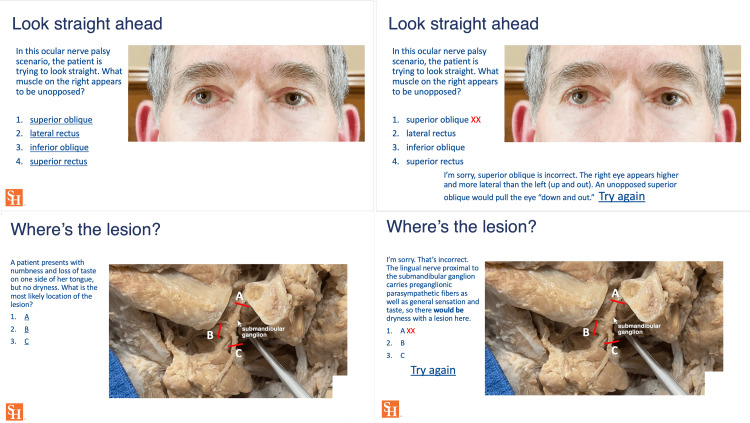
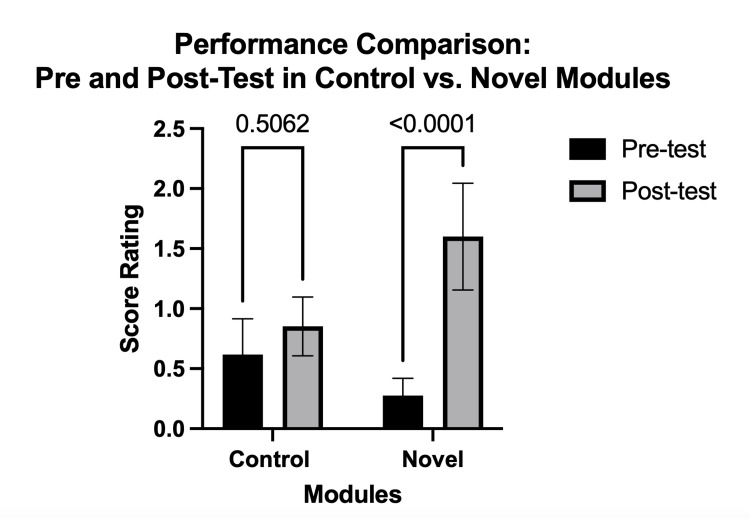
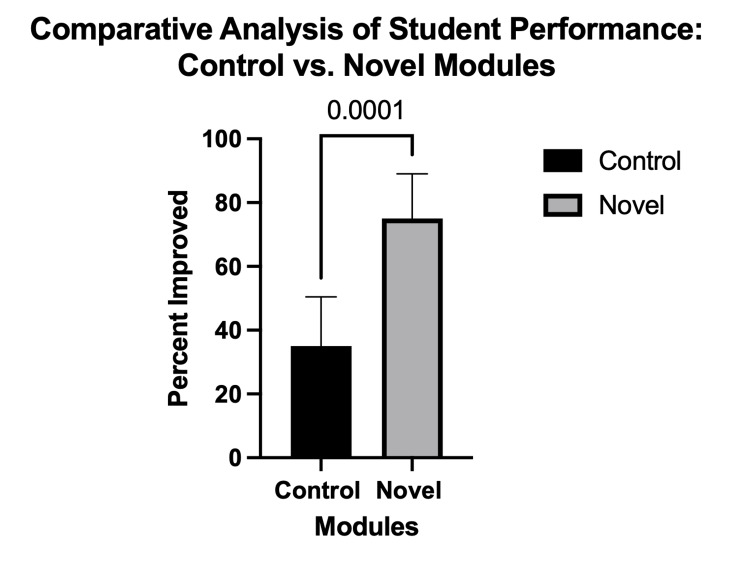
Clinical reasoning is essential to the practice of medicine. Such reasoning involves analytical (deductive) and non-analytical (recall) processes. Non-analytical reasoning is taught extensively in medical schools, and it dominates medical students' time as they review question banks and lecture notes, watch videos online, and memorize flashcards, algorithms, and illness scripts. However, few opportunities are provided in the curriculum to develop students' clinical reasoning skills, and when they are, the diverse levels of innate reasoning ability among students often lead to significant learning disparity. To address this deficiency, a pilot module on cranial nerve anatomy was developed to foster analytical clinical reasoning in an individualized manner. It was hypothesized that this module would not only introduce the foundations of an essential medical skill but also improve overall student understanding of the subject and reduce learning disparities among students. A comparative study was conducted using this module in one group and a didactic module in the other, employing pre- and post-testing measures. Results indicated a 26% improvement in average scores following the analytical module, whereas the control module showed no significant improvement. In addition, the disparity between students improving or not improving following the intervention was reduced, with 74% of students improving after the reasoning module and only 33% of students improving after the didactic module. A novel cranial nerve educational module introduced analytical reasoning in medical students' first few weeks of education, facilitating the learning of complex anatomy and reducing learning disparity between students.
临床推理是医学实践的核心。这种推理涉及分析性(演绎性)和非分析性(回忆性)过程。非分析性推理在医学院校中得到广泛传授,并且在医学生复习题库、课堂笔记、在线观看视频以及记忆抽认卡、算法和疾病脚本时占据了他们大量的时间。然而,课程中培养学生临床推理技能的机会很少,即便有,学生之间先天推理能力的不同水平往往会导致显著的学习差距。为了弥补这一不足,开发了一个关于颅神经解剖学的试点模块,以个性化方式培养分析性临床推理能力。研究假设该模块不仅能介绍一项基本医学技能的基础,还能提高学生对该学科的整体理解,并减少学生之间的学习差距。使用该模块对一组学生进行了比较研究,另一组学生使用传统教学模块,并采用了前后测试措施。结果表明,在使用分析性模块后,平均成绩提高了26%,而对照模块则没有显著提高。此外,干预后学生成绩提高与否的差距缩小了,推理模块后74%的学生成绩提高,而传统教学模块后只有33%的学生成绩提高。一个新颖的颅神经教育模块在医学生入学的头几周引入了分析性推理,促进了复杂解剖学的学习,并减少了学生之间的学习差距。