Zhang Subo, Huang Feng, Wang Yushuai, Long Yifei, Li Yuanpei, Kang Yalin, Gao Weiwei, Zhang Xiuxin, Wen Yueting, Wang Yun, Pan Lili, Xia Youmei, Yang Zhoutian, Yang Ying, Mo Hongjie, Li Baiqing, Hu Jiacheng, Song Yunda, Zhang Shilin, Dong Shenghua, Du Xiao, Li Yingmin, Liu Yadi, Liao Wenting, Gao Yijun, Zhang Yaojun, Chen Hongming, Liang Yang, Chen Jianjun, Weng Hengyou, Huang Huilin
State Key Laboratory of Oncology in South China, Guangdong Provincial Clinical Research Center for Cancer, Sun Yat-sen University Cancer Center, Guangzhou, China.
Guangzhou National Laboratory, The First Affiliated Hospital, The Fifth Affiliated Hospital, State Key Laboratory of Respiratory Diseases, Guangzhou Medical University, Guangzhou, China.
Nat Cell Biol. 2024 Dec;26(12):2168-2182. doi: 10.1038/s41556-024-01548-y. Epub 2024 Nov 6.
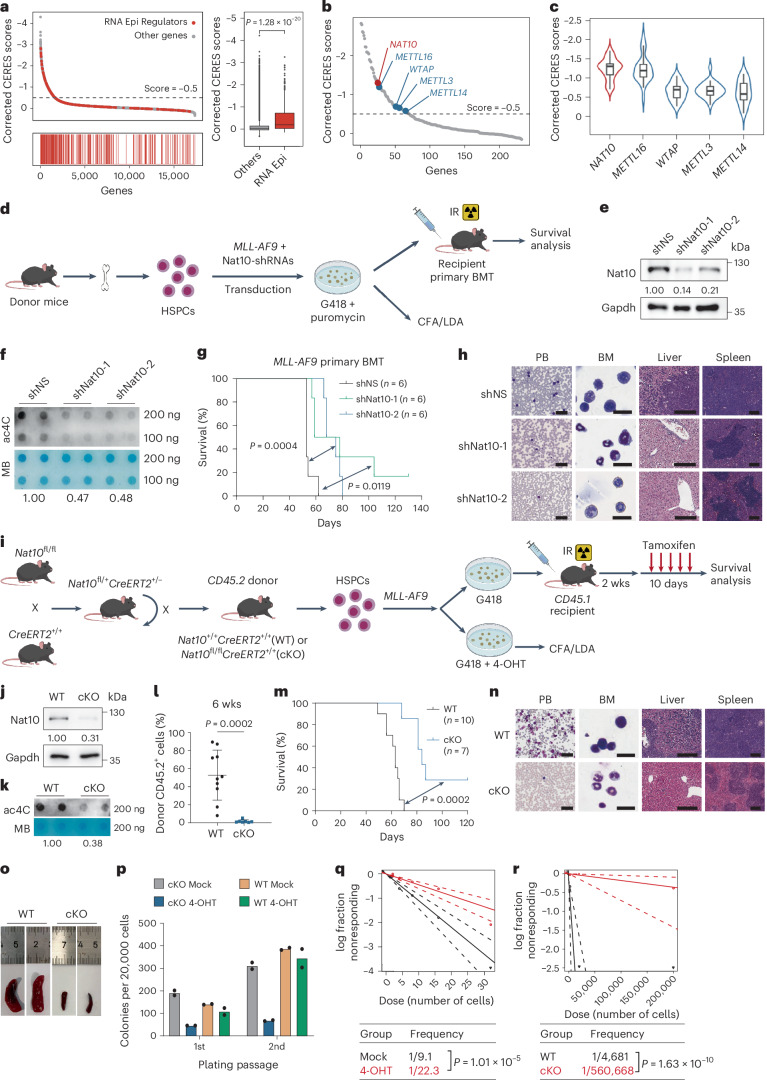
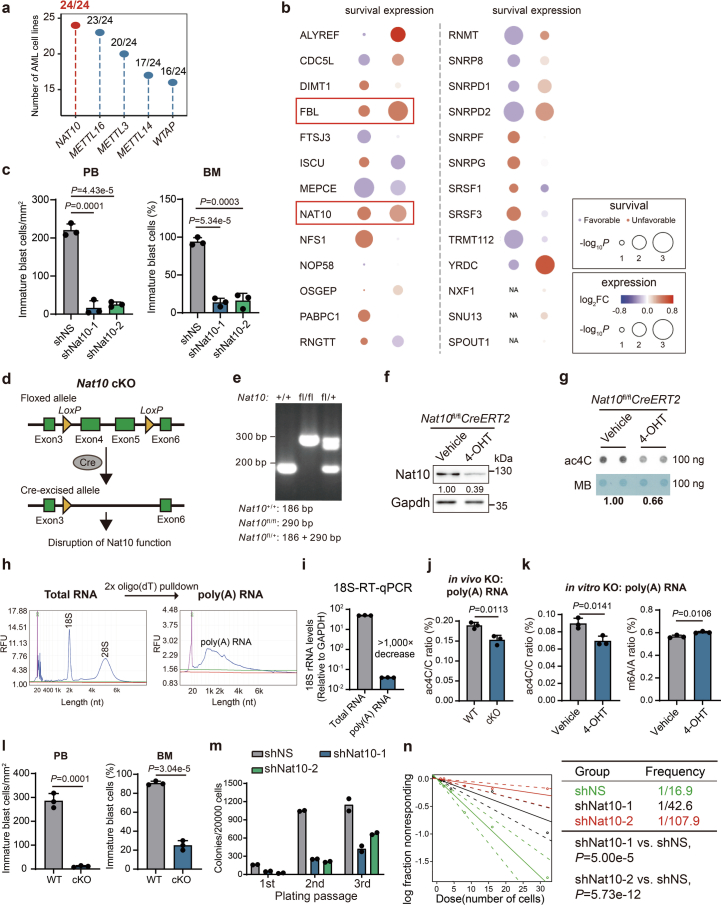
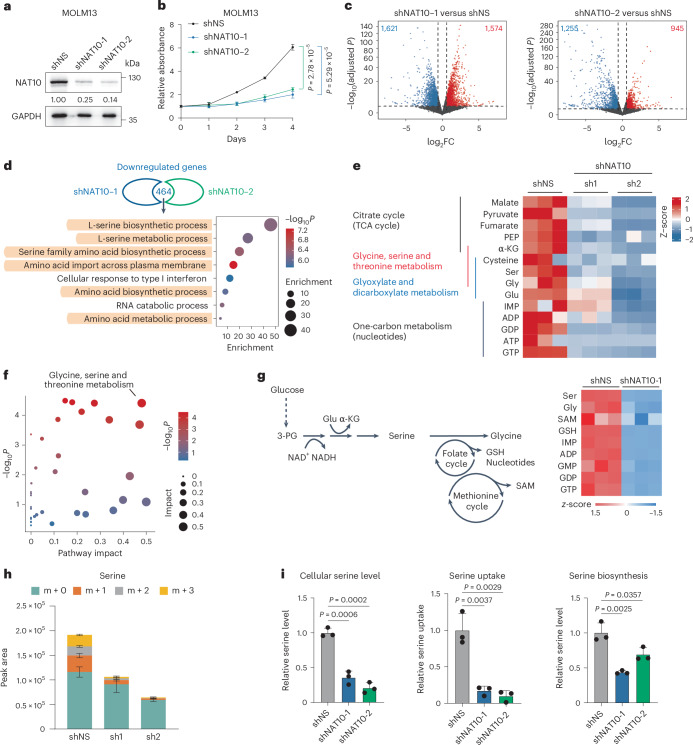
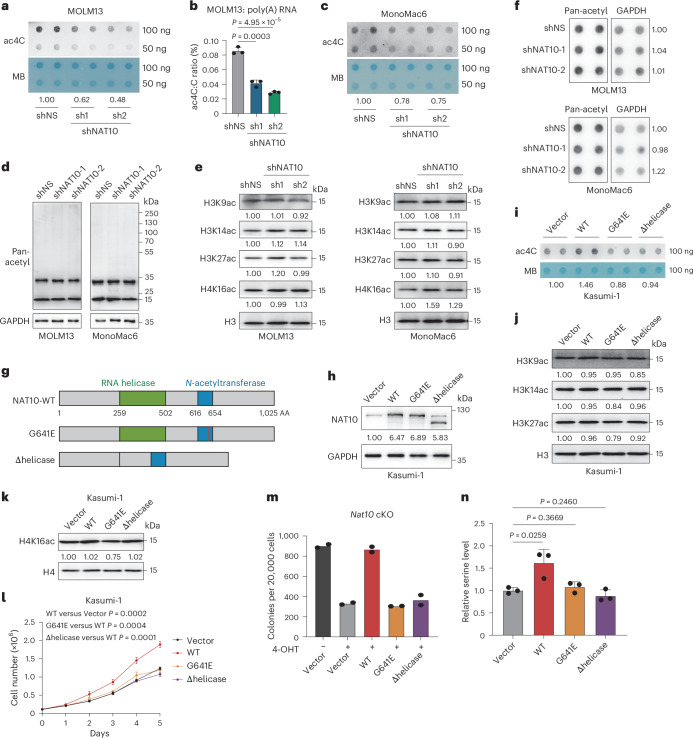
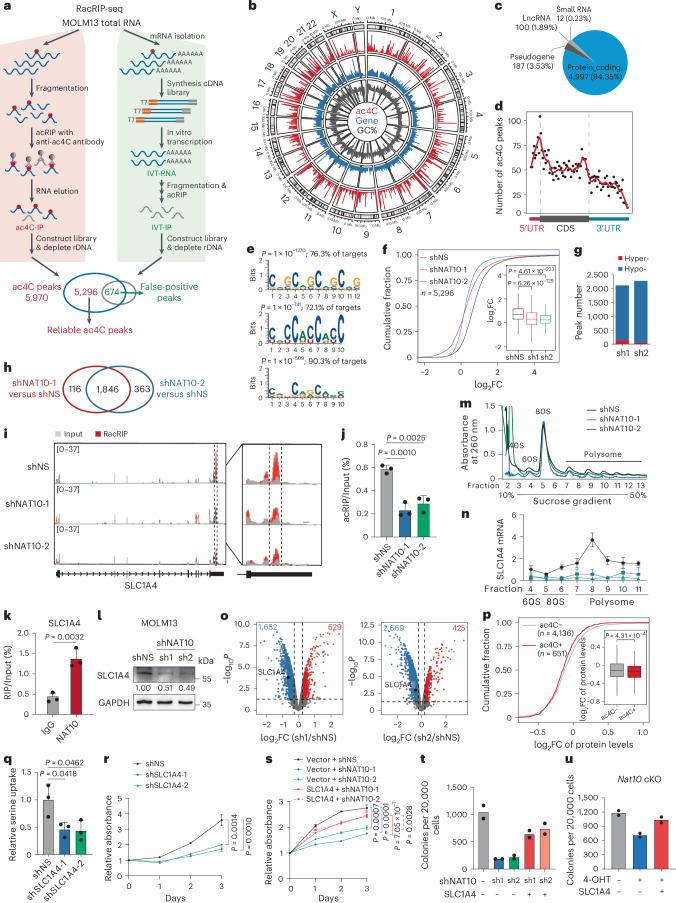
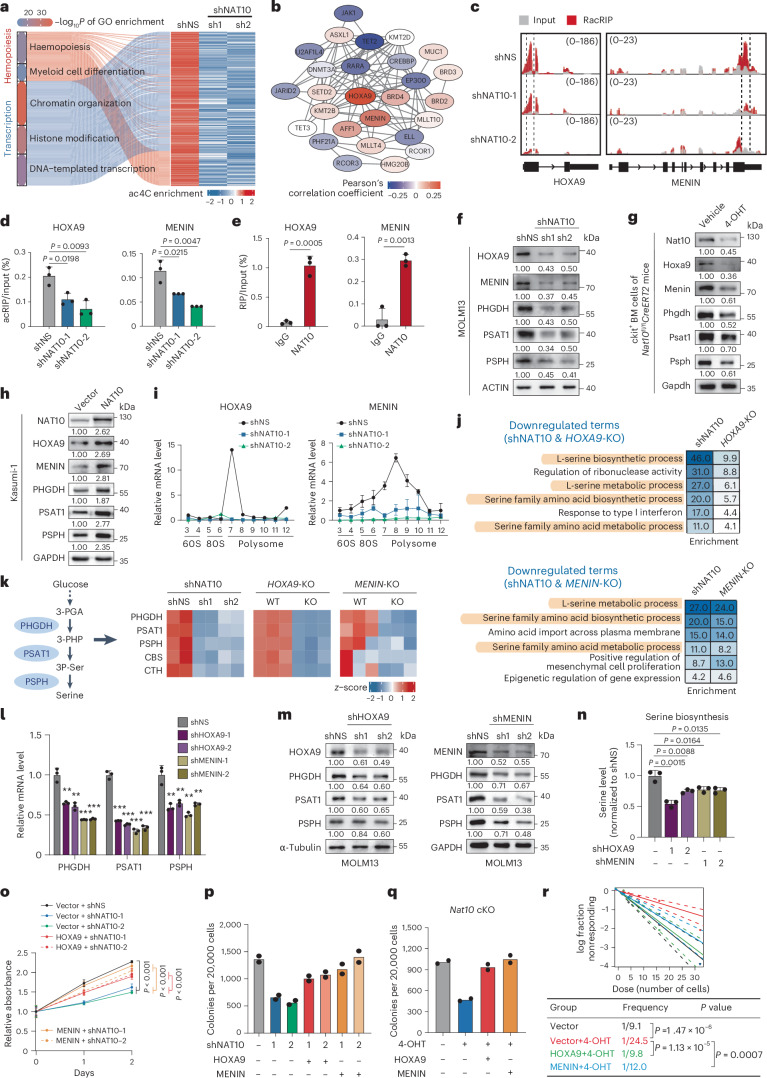
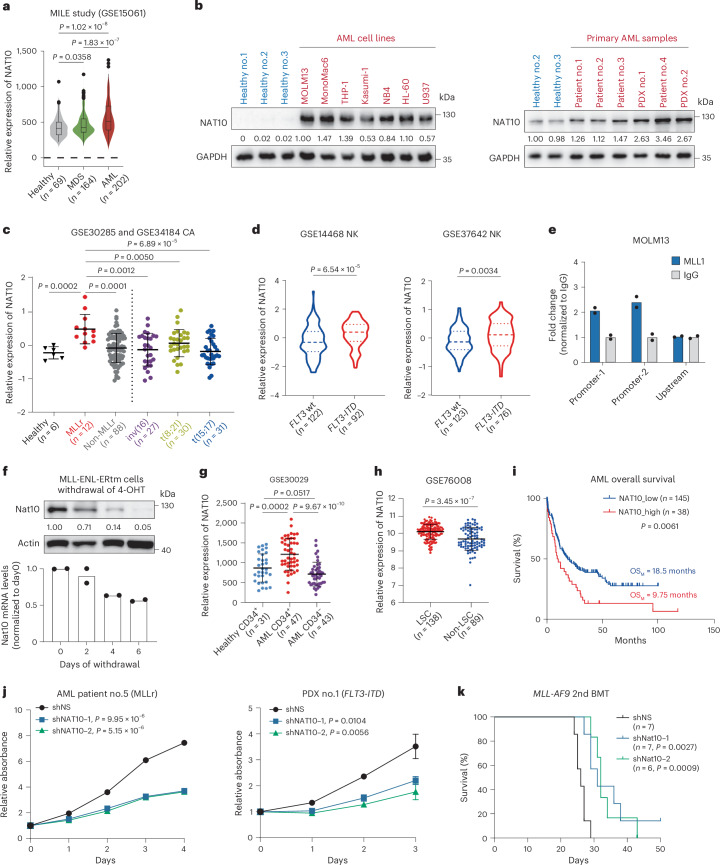
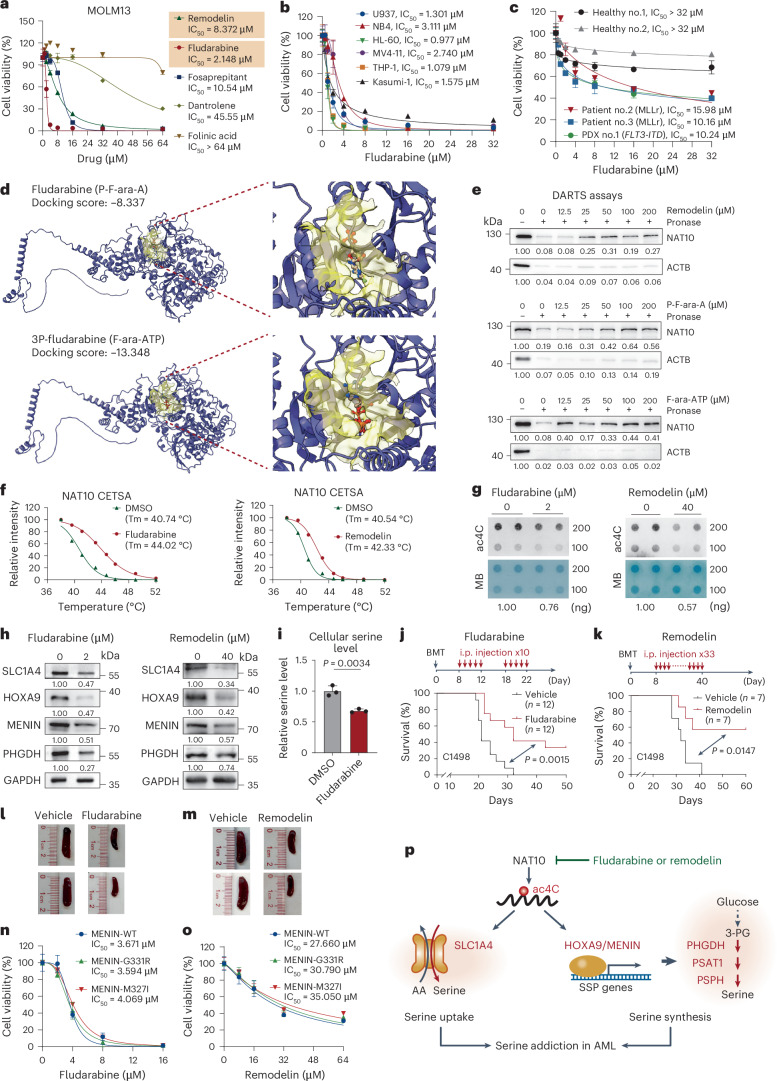
RNA modification has emerged as an important epigenetic mechanism that controls abnormal metabolism and growth in acute myeloid leukaemia (AML). However, the roles of RNA N-acetylcytidine (ac4C) modification in AML remain elusive. Here, we report that ac4C and its catalytic enzyme NAT10 drive leukaemogenesis and sustain self-renewal of leukaemic stem cells/leukaemia-initiating cells through reprogramming serine metabolism. Mechanistically, NAT10 facilitates exogenous serine uptake and de novo biosynthesis through ac4C-mediated translation enhancement of the serine transporter SLC1A4 and the transcription regulators HOXA9 and MENIN that activate transcription of serine synthesis pathway genes. We further characterize fludarabine as an inhibitor of NAT10 and demonstrate that pharmacological inhibition of NAT10 targets serine metabolic vulnerability, triggering substantial anti-leukaemia effects both in vitro and in vivo. Collectively, our study demonstrates the functional importance of ac4C and NAT10 in metabolism control and leukaemogenesis, providing insights into the potential of targeting NAT10 for AML therapy.
RNA修饰已成为一种重要的表观遗传机制,可控制急性髓系白血病(AML)中的异常代谢和生长。然而,RNA N-乙酰胞苷(ac4C)修饰在AML中的作用仍不清楚。在此,我们报告ac4C及其催化酶NAT10通过重编程丝氨酸代谢驱动白血病发生并维持白血病干细胞/白血病起始细胞的自我更新。机制上,NAT10通过ac4C介导的丝氨酸转运蛋白SLC1A4以及激活丝氨酸合成途径基因转录的转录调节因子HOXA9和MENIN的翻译增强,促进外源性丝氨酸摄取和从头生物合成。我们进一步将氟达拉滨鉴定为NAT10的抑制剂,并证明对NAT10的药理学抑制靶向丝氨酸代谢脆弱性,在体外和体内均引发显著的抗白血病作用。总体而言,我们的研究证明了ac4C和NAT10在代谢控制和白血病发生中的功能重要性,为靶向NAT10进行AML治疗的潜力提供了见解。