O'Rorke Jesse, Mason Keri
Medicine, Lee Health, Fort Myers, USA.
Medicine, Lake Erie College of Osteopathic Medicine, Bradenton, USA.
Cureus. 2024 Oct 6;16(10):e70954. doi: 10.7759/cureus.70954. eCollection 2024 Oct.
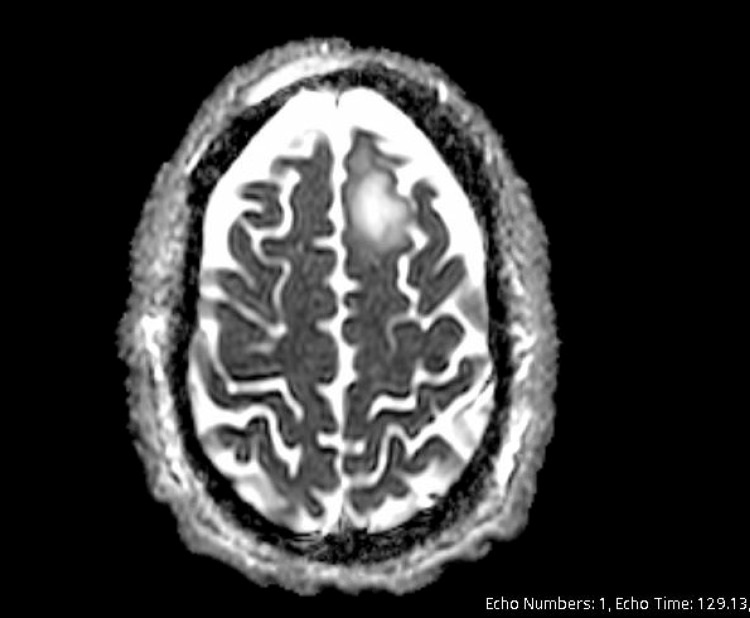
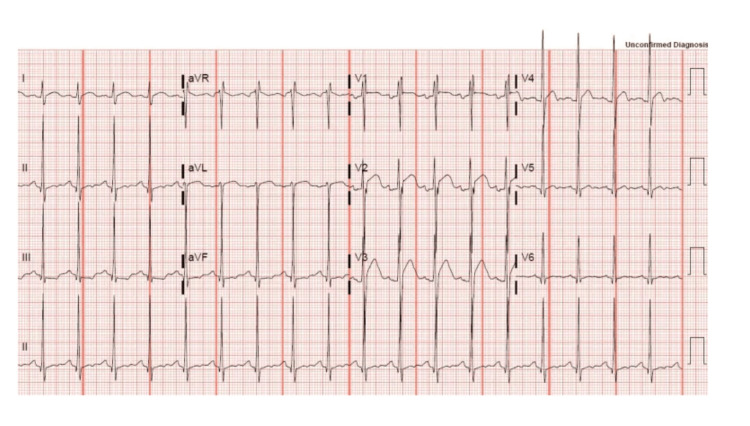
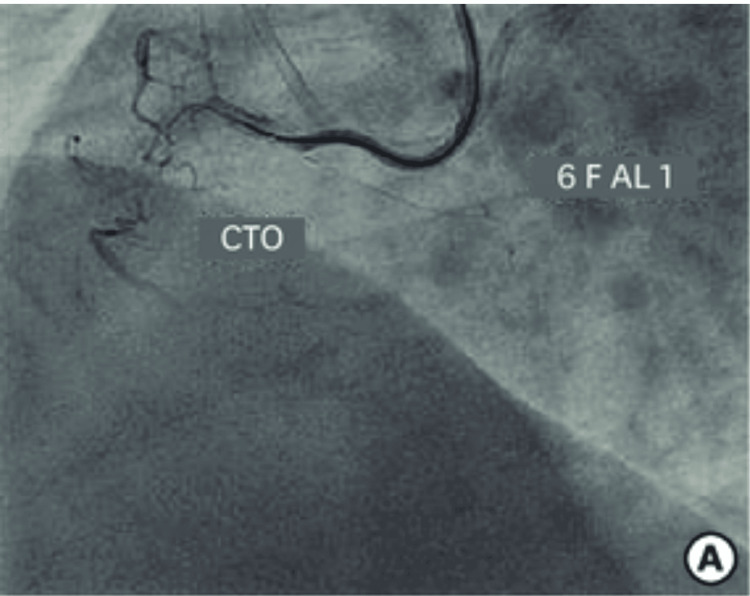
The use of the illicit/illegal drug cocaine is associated with many acute medical complications that often progress to chronic health conditions. These complications can affect multiple organ systems and lead to widespread organ failure at times. It is a commonly portrayed narrative in today's society that the nefarious "lacing" of cocaine with fentanyl is the catalyst that leads to the majority of overdose deaths from this substance. While this fact is certainly true, it can often overshadow the additional important fact that a large swath of people sustain major medical complications or die every year from overdoses of cocaine that are not laced with any foreign substance. This case report details a 40-year-old man who was transported to the ED with altered mental status, agitation, and hyperthermia from suspected cocaine use. He had a history of drug abuse and had multiple hospitalizations in the last year for it. Upon arrival at the ED, he exhibited severe hyperthermia (107.1°F), tachycardia, and tachypnea and was unresponsive to stimuli. Initial lab results indicated significant leukocytosis, metabolic acidosis, rhabdomyolysis, and elevated cardiac troponins. The patient required intubation, aggressive cooling, and intravenous sedation. His clinical course was further complicated by demand ischemia, acute kidney injury, and transaminitis. During his hospitalization, cardiac catheterization ruled out significant coronary artery disease, suggesting that the elevated troponin was due to cocaine-induced vasospasm and myopericarditis. It was subsequently discovered that the patient had a brain lesion previously detected on a computed tomography (CT) scan that was not followed up with magnetic resonance imaging (MRI) by patient request. This lesion required neurosurgical evaluation, and it was concluded that there was no need for acute intervention. Following a long and complex intensive care unit (ICU) stay, the patient was eventually stabilized, extubated, and discharged with outpatient follow-up recommendations. This case underscores the multifactorial and systemic effects of cocaine toxicity, illustrating the acute dangers and chronic health implications of its use. It highlights the importance of prompt, multidisciplinary management in acute cases and the need for comprehensive long-term care strategies to address the underlying substance use disorder in the outpatient setting. The case adds to the growing body of literature on cocaine-related complications, offering insights into the challenges of managing such patients in a clinical setting.
使用非法药物可卡因会引发许多急性医学并发症,这些并发症常常会发展为慢性健康问题。这些并发症会影响多个器官系统,有时还会导致广泛的器官衰竭。在当今社会,一个普遍的说法是,可卡因与芬太尼的邪恶“掺杂”是导致该物质造成大多数过量死亡的催化剂。虽然这一事实确实存在,但它常常会掩盖另一个重要事实,即每年有大量的人因未掺杂任何外来物质的可卡因过量而遭受重大医学并发症或死亡。本病例报告详细介绍了一名40岁男性,因疑似使用可卡因出现精神状态改变、躁动和体温过高被送往急诊科。他有药物滥用史,去年为此多次住院。到达急诊科时,他表现出严重体温过高(107.1°F)、心动过速和呼吸急促,对刺激无反应。初步实验室检查结果显示有明显的白细胞增多、代谢性酸中毒、横纹肌溶解和心肌肌钙蛋白升高。患者需要插管、积极降温及静脉镇静。需求性缺血、急性肾损伤和转氨酶升高使他的临床病程更加复杂。住院期间,心脏导管检查排除了严重冠状动脉疾病,表明肌钙蛋白升高是由可卡因诱导的血管痉挛和心肌心包炎所致。随后发现,该患者之前在计算机断层扫描(CT)上检测到脑部有病变,但应患者要求未进行磁共振成像(MRI)进一步检查。该病变需要神经外科评估,结论是无需进行急性干预。经过在重症监护病房(ICU)漫长而复杂的治疗,患者最终病情稳定,拔管并出院,同时给出了门诊随访建议。本病例强调了可卡因毒性的多因素和系统性影响,说明了使用可卡因的急性危险和对慢性健康的影响。它凸显了在急性病例中进行迅速、多学科管理的重要性,以及在门诊环境中制定全面长期护理策略以解决潜在物质使用障碍的必要性。该病例增加了关于可卡因相关并发症的文献,为在临床环境中管理此类患者所面临的挑战提供了见解。