Department of Oral Rehabilitation and Maxillofacial Prosthesi-Dental School, University of Turin, Turin, Italy.
Bone and Dental Bioengineering Laboratory, Department of Surgical Sciences, CIR Dental School, University of Turin, Turin, Italy.
Clin Exp Dent Res. 2024 Dec;10(6):e70018. doi: 10.1002/cre2.70018.
The aim of the study was to assess the prevalence of dental erosion in competitive swimmers using teledentistry and artificial intelligence.
An opportunistic sample of 20 competitive swimmers was recruited. The participants reported that they carried out an average of 2.40 h of training per day, 4.45 days per week. Data gathering was carried out remotely. The subjects completed a digital questionnaire and uploaded three photos of their mouth. Intraoral photographs were analyzed using the "Intact-Tooth" application to assess dental erosion. A statistical analysis was carried out to verify a possible correlation between the collected data.
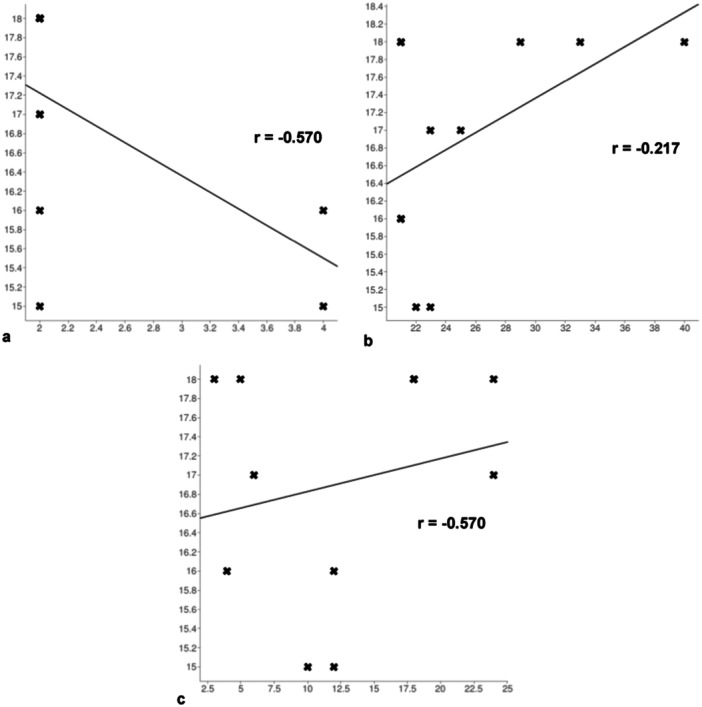
The average calculated Basic Erosive Wear Examination (BEWE) index was 13.95, and 11 subjects (55%) had a severe BEWE (≥ 14). More than 40% of the participants disagreed about having social issues related to tooth hypersensitivity. Considering only subjects with a severe total BEWE value, we have observed an indirect correlation between the degree of dental erosion and diet (Pearson coefficient r = -0.57), whereas a direct correlation was observed between dental erosion and age (r = 0.493) and between BEWE and weekly training hours (r = 0.217).
Because of their lifestyle, competitive swimmers can be considered at a higher risk of developing dental erosion. In this context, teledentistry and AI tools can be effectively used to intercept those at the highest risk and prevent the occurrence of conditions.
Dental erosion assessment in competitive swimmers using teledentistry and AI.
本研究旨在利用远程医疗和人工智能评估竞技游泳运动员的牙齿酸蚀症患病率。
招募了 20 名竞技游泳运动员作为机会性样本。参与者报告称,他们每天平均进行 2.40 小时的训练,每周训练 4.45 天。数据采集是远程进行的。受试者完成了一份数字问卷,并上传了三张口腔照片。使用“完整牙齿”应用程序分析口腔内照片,以评估牙齿酸蚀症。进行了统计分析,以验证所收集数据之间的可能相关性。
平均计算的基本酸蚀症检查(BEWE)指数为 13.95,11 名受试者(55%)有严重的 BEWE(≥14)。超过 40%的参与者不同意与牙齿过敏相关的社交问题。仅考虑总 BEWE 值严重的受试者,我们观察到牙齿酸蚀症程度与饮食之间存在间接相关性(Pearson 系数 r=-0.57),而牙齿酸蚀症与年龄之间存在直接相关性(r=0.493),BEWE 与每周训练小时数之间存在直接相关性(r=0.217)。
由于生活方式的原因,竞技游泳运动员可能面临更高的牙齿酸蚀症风险。在这种情况下,远程医疗和人工智能工具可有效用于发现高风险人群,并预防疾病的发生。
利用远程医疗和人工智能评估竞技游泳运动员的牙齿酸蚀症。