• 文献检索
  • 文档翻译
  • 深度研究
  • 学术资讯
  • Suppr Zotero 插件Zotero 插件
  • 邀请有礼
  • 套餐&价格
  • 历史记录
应用&插件
Suppr Zotero 插件Zotero 插件浏览器插件Mac 客户端Windows 客户端微信小程序
定价
高级版会员购买积分包购买API积分包
服务
文献检索文档翻译深度研究API 文档MCP 服务
关于我们
关于 Suppr公司介绍联系我们用户协议隐私条款
关注我们

Suppr 超能文献

核心技术专利:CN118964589B侵权必究
粤ICP备2023148730 号-1Suppr @ 2026

文献检索

告别复杂PubMed语法,用中文像聊天一样搜索,搜遍4000万医学文献。AI智能推荐,让科研检索更轻松。

立即免费搜索

文件翻译

保留排版,准确专业,支持PDF/Word/PPT等文件格式,支持 12+语言互译。

免费翻译文档

深度研究

AI帮你快速写综述,25分钟生成高质量综述,智能提取关键信息,辅助科研写作。

立即免费体验

从囊性胆管闭锁患者中生成的人类诱导多能干细胞系。

Generation of human induced pluripotent stem cell lines derived from patients of cystic biliary atresia.

机构信息

iPS Cell Advanced Characterization and Development Team, BioResource Research Center, RIKEN, 3-1-1 Koyadai, Tsukuba, Ibaraki, 305-0074, Japan.

School of Integrative and Global Majors, University of Tsukuba, 1-1-1 Tennodai, Tsukuba, Ibaraki, 305-8577, Japan.

出版信息

Hum Cell. 2024 Nov 13;38(1):18. doi: 10.1007/s13577-024-01147-x.

DOI:10.1007/s13577-024-01147-x
PMID:39532815
原文链接:https://pmc.ncbi.nlm.nih.gov/articles/PMC11557646/
Abstract

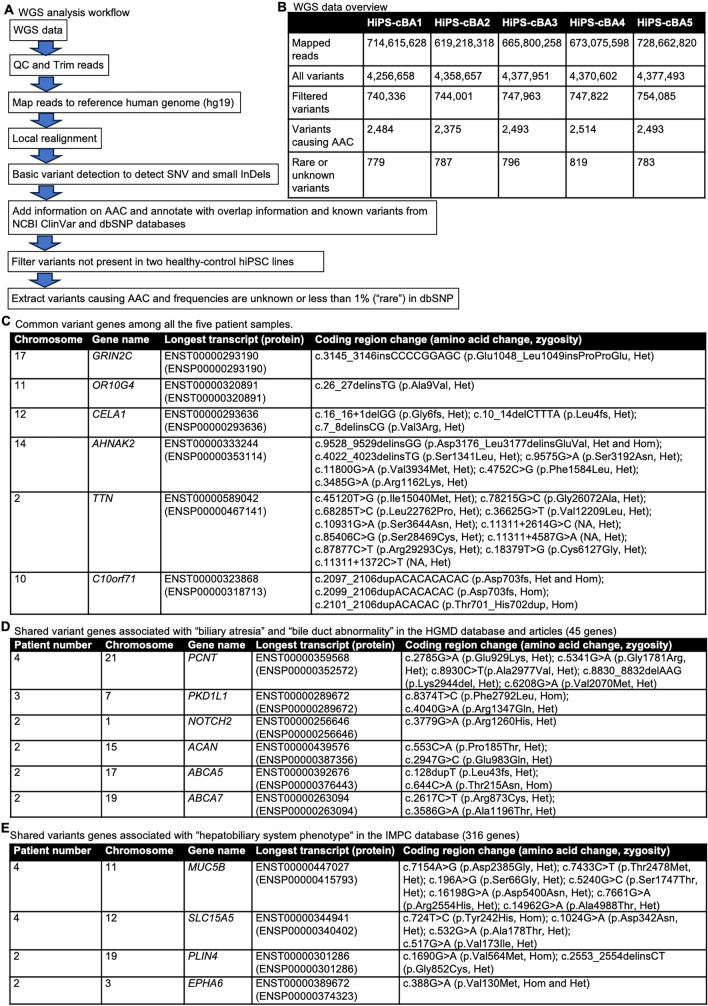
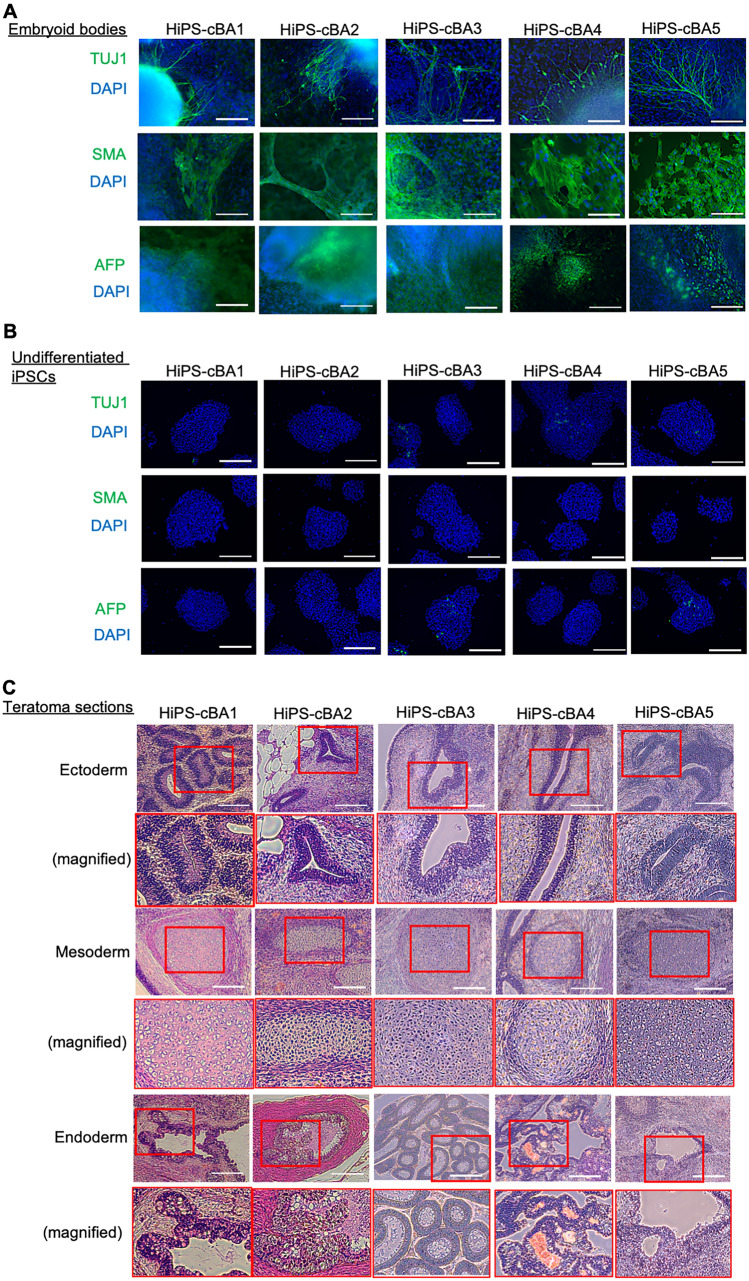
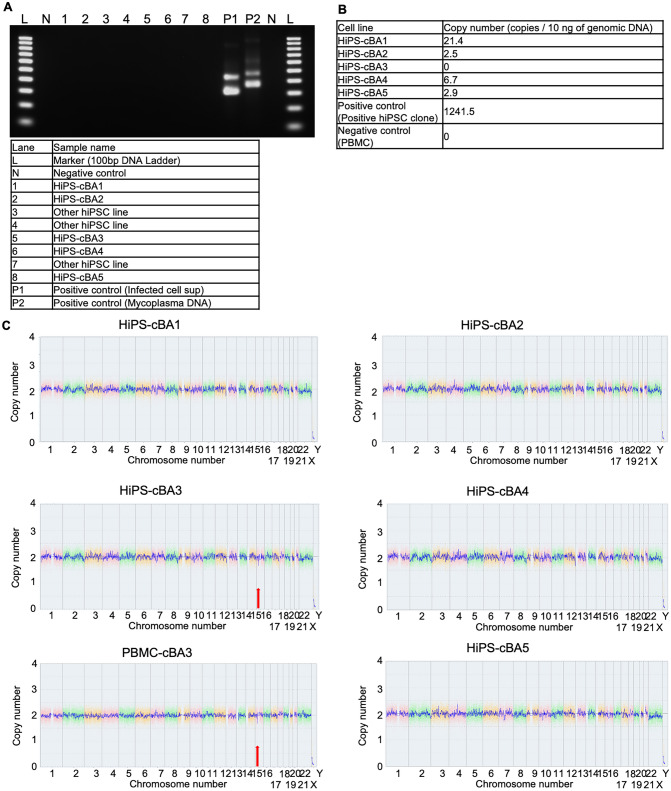
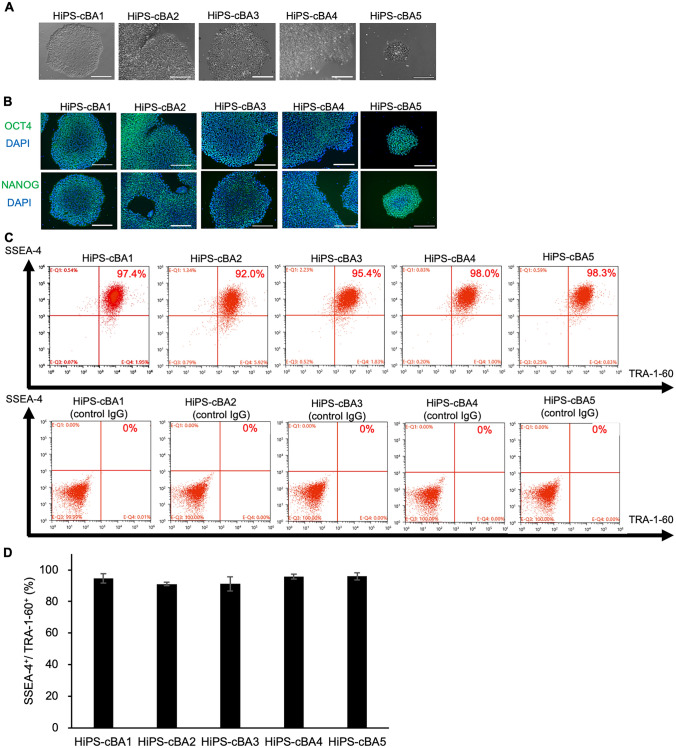
Biliary atresia (BA), resulting from abnormal development of the liver's internal or external bile ducts, can lead to liver damage and potentially fatal cirrhosis. Type I cystic biliary atresia is a relatively uncommon, but clinically significant variant of BA. It is critical to develop experimental models of BA to examine the etiology and pathogenesis, which remain elusive, and to develop future therapeutics. Here, we have successfully generated a panel of human induced pluripotent stem cells (hiPSCs) from five Japanese patients carrying type I cystic BA. These hiPSC lines exhibited characteristics of self-renewal and pluripotency. These cells held normal karyotypes mostly, but one of them carried hemizygous deletions, the clinical significance of which is unknown yet. Whole genome sequence analysis indicated that some of the mutations or single nucleotide polymorphisms (SNPs) commonly found in these patients are related to hepatobiliary abnormality. Given the limited understanding of the molecular pathogenesis of cystic BA, attributed to unknown factors of genetic and environmental causes, these cellular resources will be instrumental in replicating disease phenotypes and in advancing novel therapies for this disease.

摘要

先天性胆道闭锁(BA)是由于肝脏内部或外部胆管的异常发育引起的,可导致肝脏损伤,并可能导致致命的肝硬化。Ⅰ型囊性胆道闭锁是一种相对罕见但具有临床意义的 BA 变体。开发 BA 的实验模型对于研究其病因和发病机制至关重要,这些机制仍不清楚,同时也有助于开发未来的治疗方法。在这里,我们已经成功地从五名患有Ⅰ型囊性 BA 的日本患者中生成了一组人诱导多能干细胞(hiPSC)。这些 hiPSC 系表现出自我更新和多能性的特征。这些细胞大多具有正常的核型,但其中一个细胞携带半合子缺失,其临床意义尚不清楚。全基因组序列分析表明,这些患者中常见的一些突变或单核苷酸多态性(SNP)与肝胆异常有关。鉴于对囊性 BA 的分子发病机制的了解有限,这归因于遗传和环境因素的未知因素,这些细胞资源将有助于复制疾病表型,并为这种疾病推进新的治疗方法。
https://cdn.ncbi.nlm.nih.gov/pmc/blobs/546e/11557646/a38eddf2c17c/13577_2024_1147_Fig4_HTML.jpg
https://cdn.ncbi.nlm.nih.gov/pmc/blobs/546e/11557646/e0b77c995640/13577_2024_1147_Fig1_HTML.jpg
https://cdn.ncbi.nlm.nih.gov/pmc/blobs/546e/11557646/cfda28bd5c70/13577_2024_1147_Fig2_HTML.jpg
https://cdn.ncbi.nlm.nih.gov/pmc/blobs/546e/11557646/17de157ca5f8/13577_2024_1147_Fig3_HTML.jpg
https://cdn.ncbi.nlm.nih.gov/pmc/blobs/546e/11557646/a38eddf2c17c/13577_2024_1147_Fig4_HTML.jpg
https://cdn.ncbi.nlm.nih.gov/pmc/blobs/546e/11557646/e0b77c995640/13577_2024_1147_Fig1_HTML.jpg
https://cdn.ncbi.nlm.nih.gov/pmc/blobs/546e/11557646/cfda28bd5c70/13577_2024_1147_Fig2_HTML.jpg
https://cdn.ncbi.nlm.nih.gov/pmc/blobs/546e/11557646/17de157ca5f8/13577_2024_1147_Fig3_HTML.jpg
https://cdn.ncbi.nlm.nih.gov/pmc/blobs/546e/11557646/a38eddf2c17c/13577_2024_1147_Fig4_HTML.jpg

相似文献

1
Generation of human induced pluripotent stem cell lines derived from patients of cystic biliary atresia.从囊性胆管闭锁患者中生成的人类诱导多能干细胞系。
Hum Cell. 2024 Nov 13;38(1):18. doi: 10.1007/s13577-024-01147-x.
2
Derivation of a disease-specific human induced pluripotent stem cell line from a biliary atresia patient.从一名胆道闭锁患者中获得疾病特异性人类诱导多能干细胞系。
Stem Cell Res. 2017 Oct;24:25-28. doi: 10.1016/j.scr.2017.08.001. Epub 2017 Aug 8.
3
Biliary Atresia Relevant Human Induced Pluripotent Stem Cells Recapitulate Key Disease Features in a Dish.先天性胆道闭锁相关的人诱导多能干细胞在体外重现疾病关键特征。
J Pediatr Gastroenterol Nutr. 2019 Jan;68(1):56-63. doi: 10.1097/MPG.0000000000002187.
4
Biliary atresia is associated with polygenic susceptibility in ciliogenesis and planar polarity effector genes.先天性胆道闭锁与纤毛发生和平面极性效应基因的多基因易感性有关。
J Hepatol. 2023 Dec;79(6):1385-1395. doi: 10.1016/j.jhep.2023.07.039. Epub 2023 Aug 11.
5
Common genetic variants regulating ADD3 gene expression alter biliary atresia risk.常见调节 ADD3 基因表达的遗传变异可改变先天性胆道闭锁的风险。
J Hepatol. 2013 Dec;59(6):1285-91. doi: 10.1016/j.jhep.2013.07.021. Epub 2013 Jul 19.
6
Biliary atresia-specific deciduous pulp stem cells feature biliary deficiency.先天性胆道闭锁特异的乳牙牙髓干细胞具有胆道缺陷。
Stem Cell Res Ther. 2021 Nov 22;12(1):582. doi: 10.1186/s13287-021-02652-8.
7
Identification of a wide spectrum of ciliary gene mutations in nonsyndromic biliary atresia patients implicates ciliary dysfunction as a novel disease mechanism.鉴定非综合征性胆道闭锁患者的广泛纤毛基因突变提示纤毛功能障碍作为一种新的疾病机制。
EBioMedicine. 2021 Sep;71:103530. doi: 10.1016/j.ebiom.2021.103530. Epub 2021 Aug 27.
8
Genome-wide association study identifies a susceptibility locus for biliary atresia on 10q24.2.全基因组关联研究鉴定出胆汁性肝硬变易感性位点位于 10q24.2。
Hum Mol Genet. 2010 Jul 15;19(14):2917-25. doi: 10.1093/hmg/ddq196. Epub 2010 May 11.
9
A genome-wide association study identifies a susceptibility locus for biliary atresia on 2p16.1 within the gene EFEMP1.一项全基因组关联研究在 EFEMP1 基因内确定了 2p16.1 上易患胆道闭锁的易感位点。
PLoS Genet. 2018 Aug 13;14(8):e1007532. doi: 10.1371/journal.pgen.1007532. eCollection 2018 Aug.
10
Regulatory T cells inhibit Th1 cell-mediated bile duct injury in murine biliary atresia.调节性 T 细胞抑制鼠先天性胆道闭锁中 Th1 细胞介导的胆管损伤。
J Hepatol. 2013 Oct;59(4):790-6. doi: 10.1016/j.jhep.2013.05.010. Epub 2013 May 14.

本文引用的文献

1
Metabolic dysfunction-associated steatohepatitis reduces interferon and macrophage liver gene signatures in patients with chronic hepatitis B.代谢功能障碍相关脂肪性肝炎降低慢性乙型肝炎患者的干扰素和巨噬细胞肝脏基因特征。
J Hepatol. 2025 Apr;82(4):594-603. doi: 10.1016/j.jhep.2024.10.032. Epub 2024 Oct 26.
2
Low-dose biliatresone treatment of pregnant mice causes subclinical biliary disease in their offspring: Evidence for a spectrum of neonatal injury.低剂量熊去氧胆酸治疗孕鼠可导致其后代出现亚临床胆道疾病:新生儿损伤谱的证据。
PLoS One. 2024 Apr 5;19(4):e0301824. doi: 10.1371/journal.pone.0301824. eCollection 2024.
3
Environmental Toxin Biliatresone-Induced Biliary Atresia-like Abnormal Cilia and Bile Duct Cell Development of Human Liver Organoids.
环境毒素双羟萘酸诱导的人肝类器官胆汁淤积样异常纤毛和胆管细胞发育。
Toxins (Basel). 2024 Mar 11;16(3):144. doi: 10.3390/toxins16030144.
4
Pkd1l1-deficiency drives biliary atresia through ciliary dysfunction in biliary epithelial cells.PKD1L1 缺失通过胆管上皮细胞纤毛功能障碍导致胆道闭锁。
J Hepatol. 2024 Jul;81(1):62-75. doi: 10.1016/j.jhep.2024.02.031. Epub 2024 Mar 8.
5
Mutation in the FUS nuclear localisation signal domain causes neurodevelopmental and systemic metabolic alterations.FUS 核定位信号域突变导致神经发育和全身代谢改变。
Dis Model Mech. 2023 Oct 1;16(10). doi: 10.1242/dmm.050200. Epub 2023 Oct 23.
6
Loss of zebrafish pkd1l1 causes biliary defects that have implications for biliary atresia splenic malformation.斑马鱼 pkd1l1 缺失导致胆管缺陷,这与胆道闭锁脾畸形有关。
Dis Model Mech. 2023 Oct 1;16(10). doi: 10.1242/dmm.049326. Epub 2023 Oct 11.
7
Biliatresone induces cholangiopathy in C57BL/6J neonates.比立昔酮可诱导 C57BL/6J 新生仔鼠发生胆管病。
Sci Rep. 2023 Jun 29;13(1):10574. doi: 10.1038/s41598-023-37354-z.
8
Exome-wide assessment of isolated biliary atresia: A report from the National Birth Defects Prevention Study using child-parent trios and a case-control design to identify novel rare variants.孤立性胆道闭锁的外显子组评估:国家出生缺陷预防研究使用亲子三核苷酸和病例对照设计来识别新的罕见变异的报告
Am J Med Genet A. 2023 Jun;191(6):1546-1556. doi: 10.1002/ajmg.a.63185. Epub 2023 Mar 21.
9
Liver-restricted deletion of the biliary atresia candidate gene Pkd1l1 causes bile duct dysmorphogenesis and ciliopathy.在肝脏中特异性敲除胆道闭锁候选基因Pkd1l1会导致胆管发育异常和纤毛病。
Hepatology. 2023 Apr 1;77(4):1274-1286. doi: 10.1097/HEP.0000000000000029. Epub 2023 Jan 3.
10
The International Mouse Phenotyping Consortium: comprehensive knockout phenotyping underpinning the study of human disease.国际小鼠表型分析联盟:全面的基因敲除表型分析为人类疾病研究提供支撑。
Nucleic Acids Res. 2023 Jan 6;51(D1):D1038-D1045. doi: 10.1093/nar/gkac972.