Guang'anmen Hospital, China Academy of Chinese Medical Sciences, Beijing, China.
Xi'an Hospital of Traditional Chinese Medicine, Xi'an, Shaanxi, China.
Reprod Biol Endocrinol. 2024 Nov 14;22(1):144. doi: 10.1186/s12958-024-01316-5.
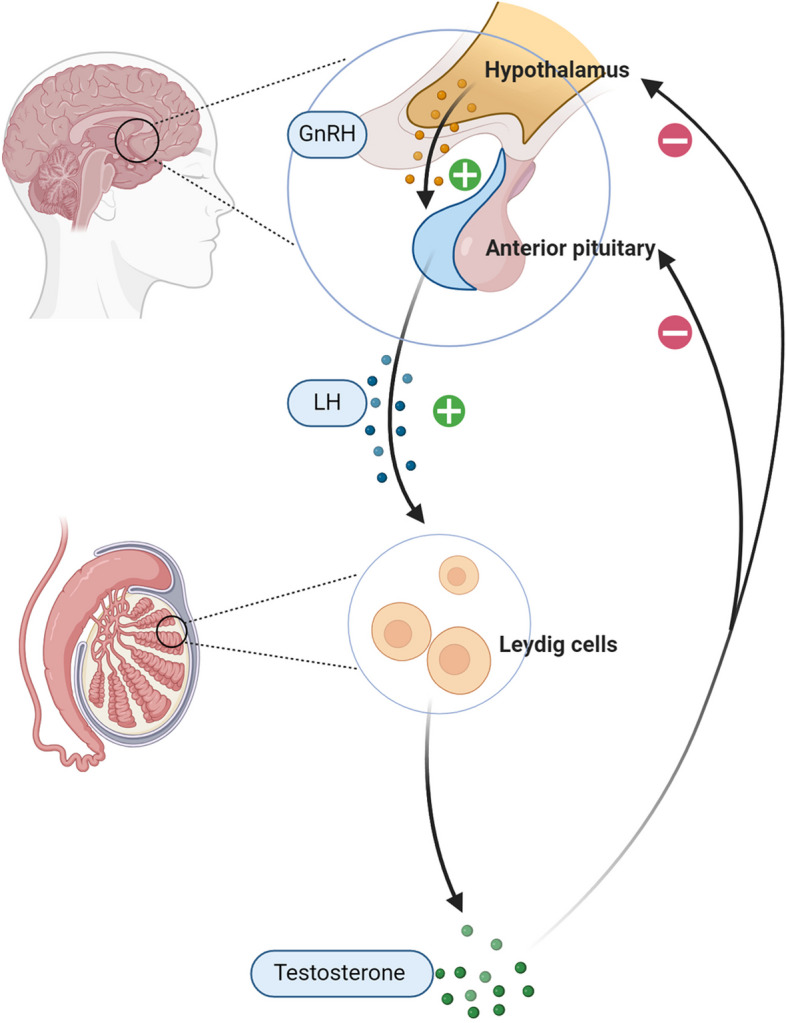
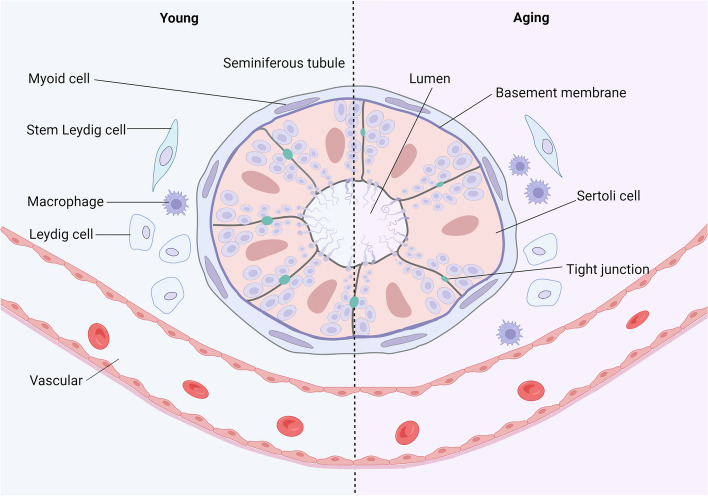
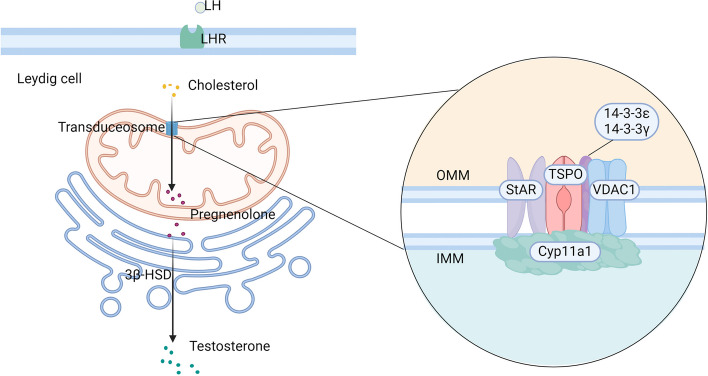
Contemporary societies exhibit delayed reproductive age and increased life expectancy. While the male reproductive system demonstrates relatively delayed aging compared to that of females, increasing age substantially impacts its function. A characteristic manifestation is age-induced testosterone decline. Testosterone, a crucial male sex hormone, plays pivotal roles in spermatogenesis and sexual function, and contributes significantly to metabolism, psychology, and cardiovascular health. Aging exerts profound effects on the hypothalamic-pituitary-gonadal axis and Leydig cells, precipitating testosterone reduction, which adversely affects male health. Exogenous testosterone supplementation can partially ameliorate age-related testosterone deficiency; however, its long-term safety remains contentious. Preserving endogenous testosterone production capacity during the aging process warrants further investigation as a potential intervention strategy.
当代社会呈现出生育年龄延迟和预期寿命延长的趋势。尽管男性生殖系统的衰老速度相对较女性缓慢,但年龄的增长确实会对其功能产生重大影响。一个典型的表现是年龄导致的睾酮水平下降。睾酮是一种重要的男性性激素,在精子发生和性功能中起着关键作用,对新陈代谢、心理和心血管健康也有重要贡献。衰老对下丘脑-垂体-性腺轴和睾丸间质细胞产生深远影响,导致睾酮减少,从而对男性健康产生不利影响。外源性睾酮补充可以部分改善与年龄相关的睾酮缺乏,但长期安全性仍存在争议。在衰老过程中保持内源性睾酮产生能力,作为一种潜在的干预策略,值得进一步研究。