Department of Geography, University of Cambridge, Cambridgeshire CB2 3EN, UK.
School of Culture, History and Language, The Australian National University, Canberra, ACT 0200, Australia.
Sci Adv. 2024 Nov 15;10(46):eadp6579. doi: 10.1126/sciadv.adp6579.
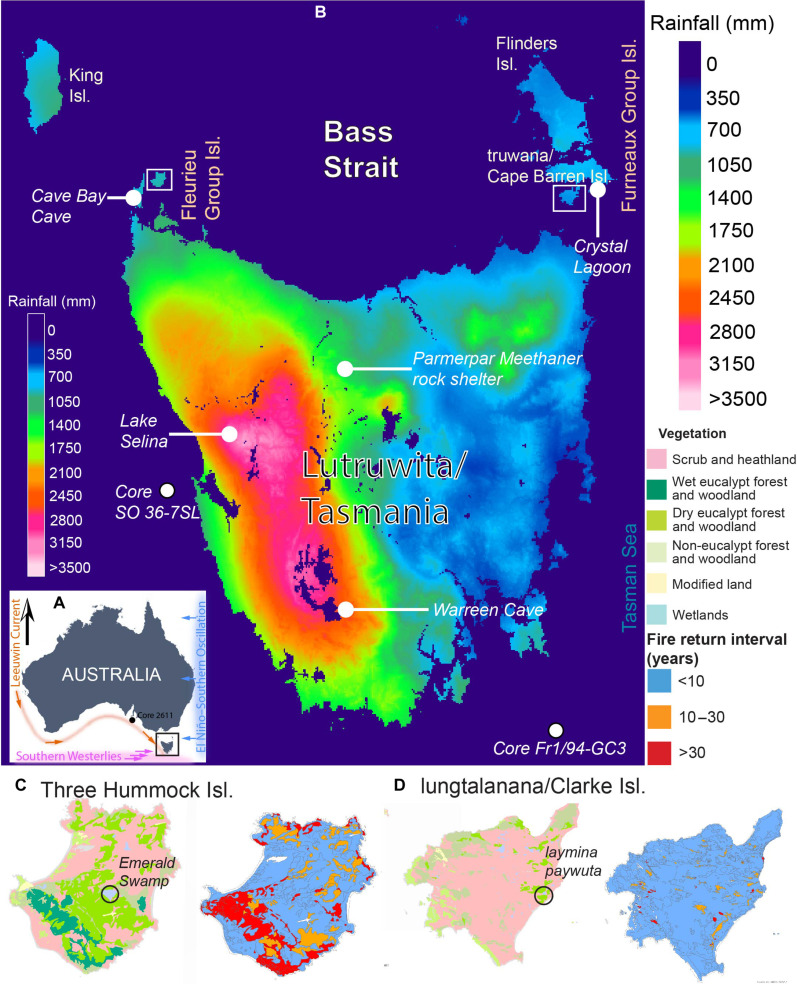
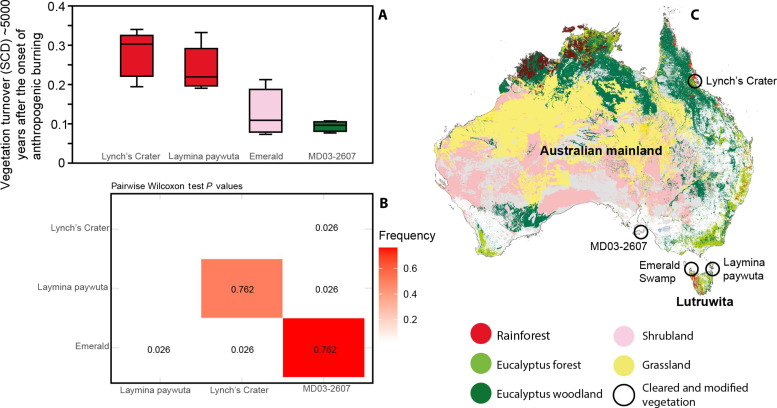
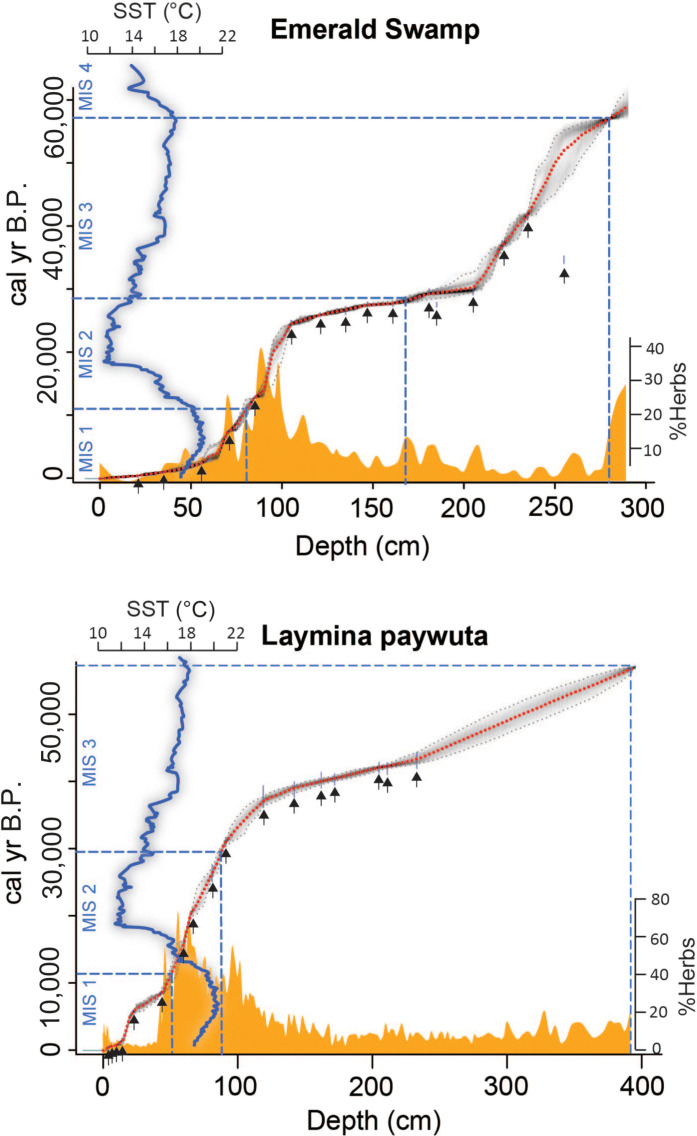
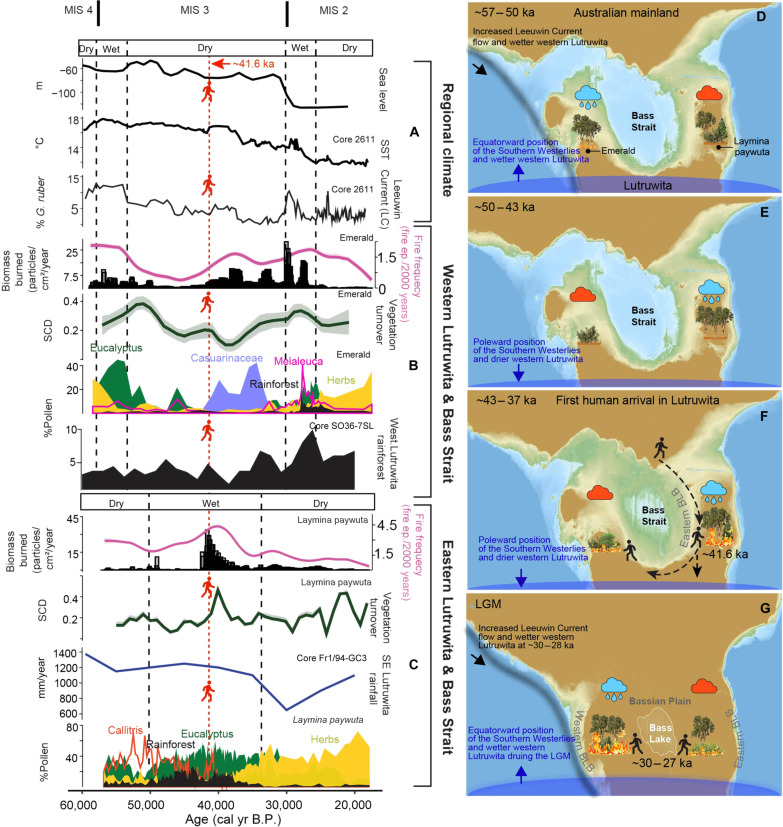
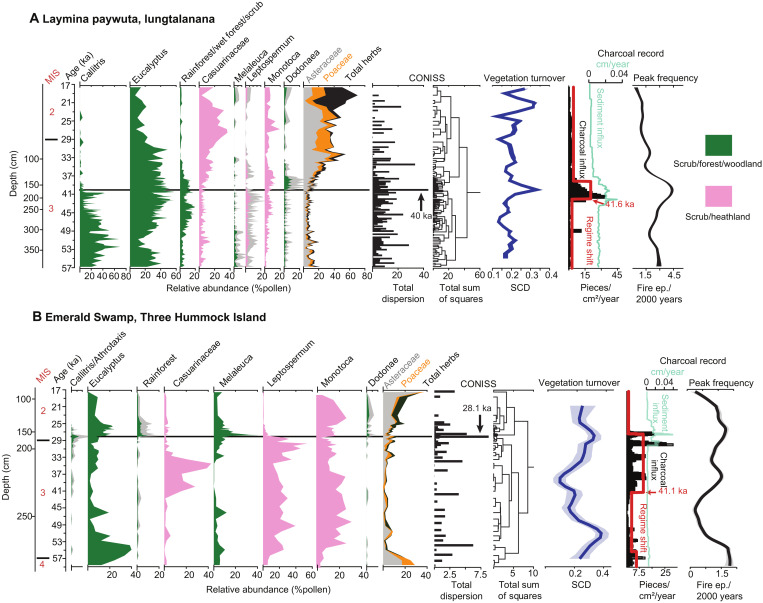
The establishment of Tasmanian Palawa/Pakana communities ~40 thousand years ago (ka) was achieved by the earliest and farthest human migrations from Africa and necessitated migration into high-latitude Southern Hemisphere environments. The scarcity of high-resolution paleoecological records during this period, however, limits our understanding of the environmental effects of this pivotal event, particularly the importance of using fire as a tool for habitat modification. We use two paleoecological records from the Bass Strait islands to identify the initiation of anthropogenic landscape transformation associated with ancestral Palawa/Pakana land use. People were living on the Tasmanian/Lutruwitan peninsula by ~41.6 ka using fire to penetrate and manipulate forests, an approach possibly used in the first migrations across the last glacial landscape of Sahul.
大约 4 万年前,塔斯马尼亚的帕拉瓦/帕卡纳人社区得以建立,这是最早和最远距离的人类从非洲的迁徙,这也使得他们需要迁徙到高纬度的南半球环境中。然而,在这一时期,高分辨率的古生态学记录非常稀缺,这限制了我们对这一关键事件的环境影响的理解,特别是使用火作为一种工具来进行生境改造的重要性。我们利用巴斯海峡岛屿上的两个古生态学记录,来确定与祖先帕拉瓦/帕卡纳人土地利用相关的人为景观改造的开始。大约在 41.6 千年前,人们已经生活在塔斯马尼亚/卢鲁图温半岛上,他们用火来开辟和改造森林,这种方法可能在穿越萨赫尔最后一个冰河时代景观的第一次迁徙中就被使用了。