Yang Yang, Shang Jin, Xu Shuyun, Wang Zhen
Department of Pharmacy, Tongji Hospital, Tongji Medical College, Huazhong University of Science and Technology, Wuhan, People's Republic of China.
Department of Respiratory and Critical Care Medicine, Tongji Hospital, Tongji Medical College, Huazhong University of Science and Technology, Wuhan, People's Republic of China.
Infect Drug Resist. 2024 Nov 11;17:4993-5000. doi: 10.2147/IDR.S491615. eCollection 2024.
Pulmonary cryptococcosis is a fungal infection of the lungs, particularly challenging to treat in patients with multiple comorbidities such as obesity, type 2 diabetes, and cirrhosis. Fluconazole is a first-line medication for the treatment of pulmonary cryptococcosis, but currently there is a lack of clinical medication experience in obese patients with multiple comorbidities, especially in dose adjustment after treatment failure.
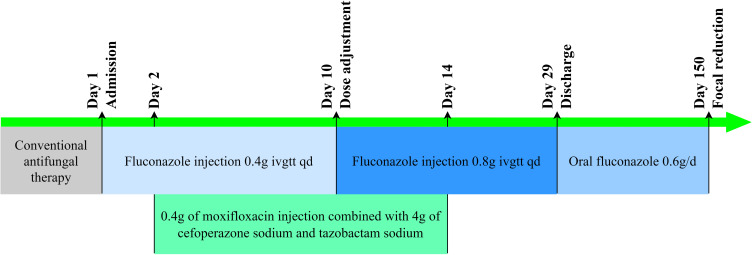
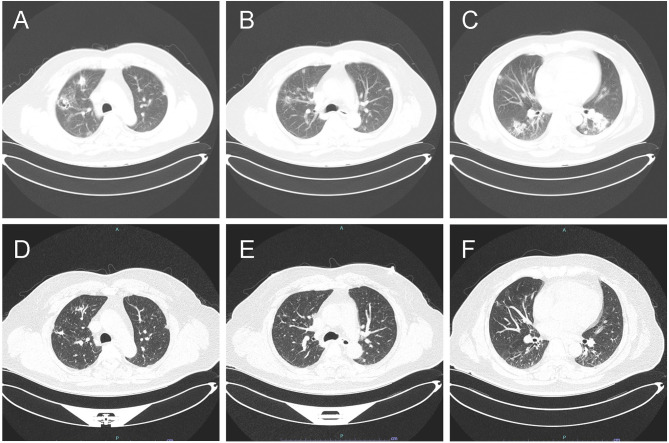
This case report describes the experience of fluconazole in the treatment of pulmonary cryptococcal infection in a 45-year-old Chinese male with obesity, type 2 diabetes, and cirrhosis. The patient had a history of antifungal therapy for two weeks before admission, but the cough and hemoptysis were not improved. The treatment failed. After admission, it was recommended to use a conventional dose of fluconazole as an antifungal regimen according to the guidelines. However, the treatment effect was still unsatisfactory, due to the patients' cough, hemoptysis, and fever symptoms were not relieved. During this period, it was newly found that the patient had cirrhosis and type 2 diabetes and had not previously controlled blood glucose. Considering the above situation, combined with the pharmacokinetic characteristics of fluconazole and the patient's weight reaching 113 kg, the team readjusted the fluconazole medication regimen, and ultimately, the pulmonary infection improved without significant adverse reactions.
We found that it was more suitable for patients with obesity to calculate the dose of fluconazole by the lean weight. By estimation, the patient was finally given a loading dose of 800 mg fluconazole, and his condition improved significantly. After two weeks of medication, it was adjusted to a maintenance dose of 600 mg until the pulmonary infection in the patient disappeared.
This case suggests that fluconazole antifungal therapy for pulmonary cryptococcal infection should fully consider the risk of comorbidities in patients. If necessary, medication dosage can be adjusted according to weight, and it is recommended to use lean bodyweight for evaluation and optimization. In addition, close attention should be paid to liver and kidney function.
肺隐球菌病是肺部真菌感染,对于肥胖、2型糖尿病和肝硬化等多种合并症患者的治疗尤其具有挑战性。氟康唑是治疗肺隐球菌病的一线药物,但目前在患有多种合并症的肥胖患者中缺乏临床用药经验,尤其是治疗失败后的剂量调整。
本病例报告描述了氟康唑治疗一名45岁患有肥胖、2型糖尿病和肝硬化的中国男性肺隐球菌感染的经验。患者入院前有两周抗真菌治疗史,但咳嗽和咯血未改善,治疗失败。入院后,根据指南建议使用常规剂量氟康唑作为抗真菌方案。然而,由于患者咳嗽、咯血和发热症状未缓解,治疗效果仍不令人满意。在此期间,新发现患者患有肝硬化和2型糖尿病,且之前血糖未得到控制。考虑到上述情况,结合氟康唑的药代动力学特点以及患者体重达113 kg,团队重新调整了氟康唑用药方案,最终肺部感染改善且无明显不良反应。
我们发现对于肥胖患者,按瘦体重计算氟康唑剂量更合适。经估算,最终给患者给予800 mg氟康唑的负荷剂量,其病情明显改善。用药两周后,调整为600 mg的维持剂量,直至患者肺部感染消失。
本病例表明,氟康唑抗真菌治疗肺隐球菌感染应充分考虑患者合并症风险。必要时可根据体重调整用药剂量,建议用瘦体重进行评估和优化。此外,应密切关注肝肾功能。