Xia Cunbing, Chen Yang, Zhu Yongkang, Chen Dexuan, Sun Haijian, Shen Tong, Shelat Vishal G, Mavroeidis Vasileios K, Levi Sandri Giovanni Battista, Wang Zhan, Zhu Hong
Department of General Surgery, Affiliated Hospital of Nanjing University of Chinese Medicine/Jiangsu Province Hospital of Chinese Medicine, Nanjing, China.
National Famous TCM expert ZHU Yongkang's Inherited Treatment Room, Nanjing, China.
J Gastrointest Oncol. 2024 Oct 31;15(5):2230-2251. doi: 10.21037/jgo-24-609. Epub 2024 Oct 29.
The prognosis for liver cancer (LC) is dismal. Researchers recently discovered cuproptosis, a novel form of controlled cell death whose expression in LC and prognosis are unclear. This study reveals a gene signature to predict LC prognosis.
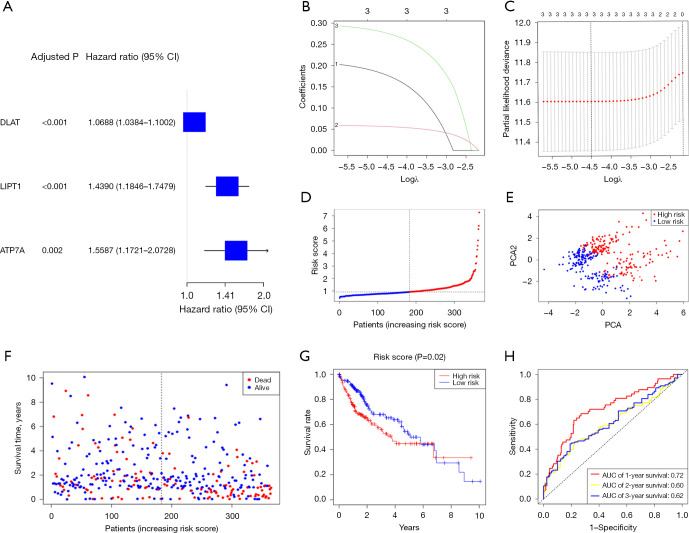
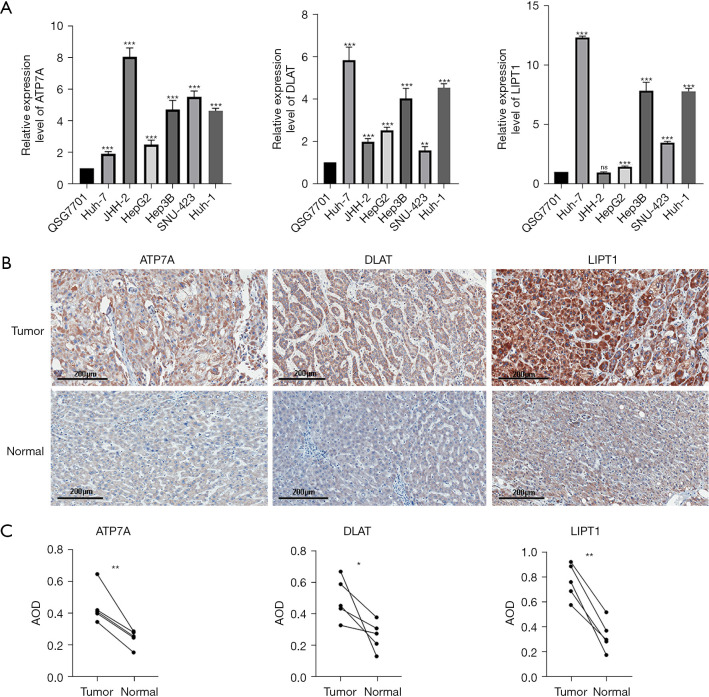
RNA and clinical data for 371 LC patients were obtained from The Cancer Genome Atlas (TCGA). Differentially expressed genes (DEGs) were identified by comparing cancerous and normal samples. Genes linked to overall survival (OS) were found using univariate Cox regression and least absolute shrinkage and selection operator (LASSO). The gene signature was validated across all patients. Gene expression and clinical traits were analyzed, and Kaplan-Meier (KM) curves were generated for high- and low-risk groups. DEGs were used for Gene Ontology (GO), Kyoto Encyclopedia of Genes and Genomes (KEGG), immune infiltration, and drug prediction analyses. 's functions were assessed using real-time polymerase chain reaction (RT-PCR), transwell invasion, Cell Counting Kit-8 (CCK-8), colony formation, and drug resistance assays.
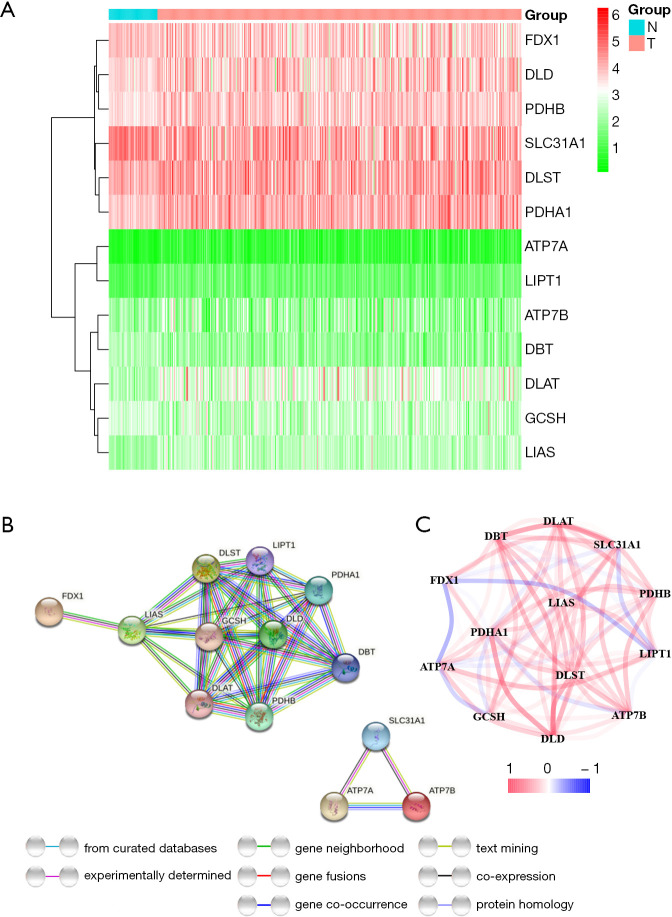
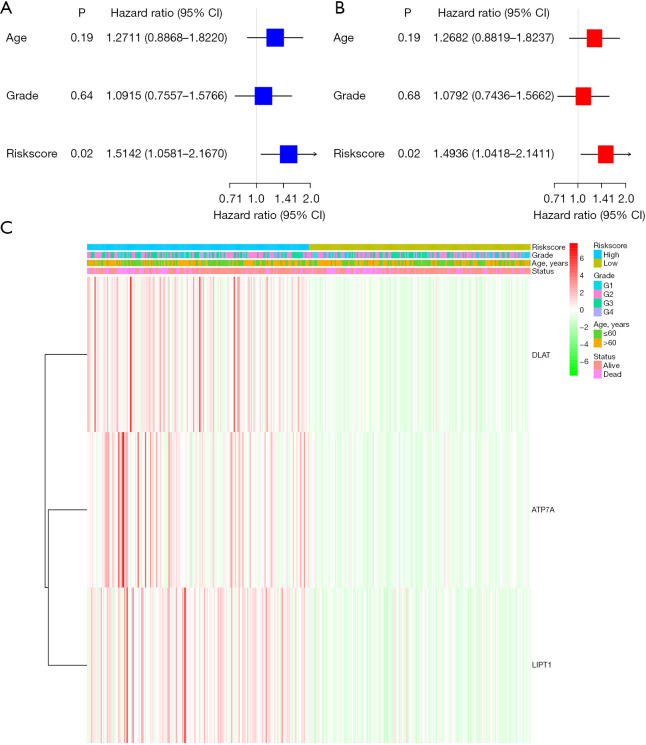
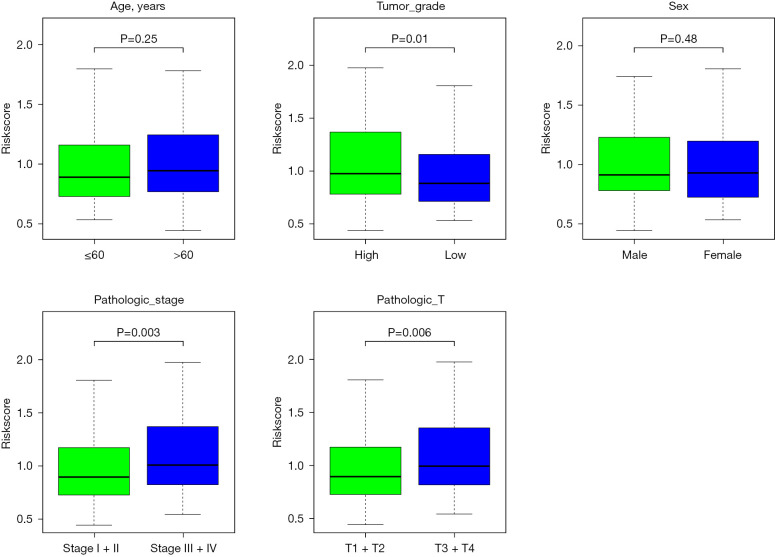
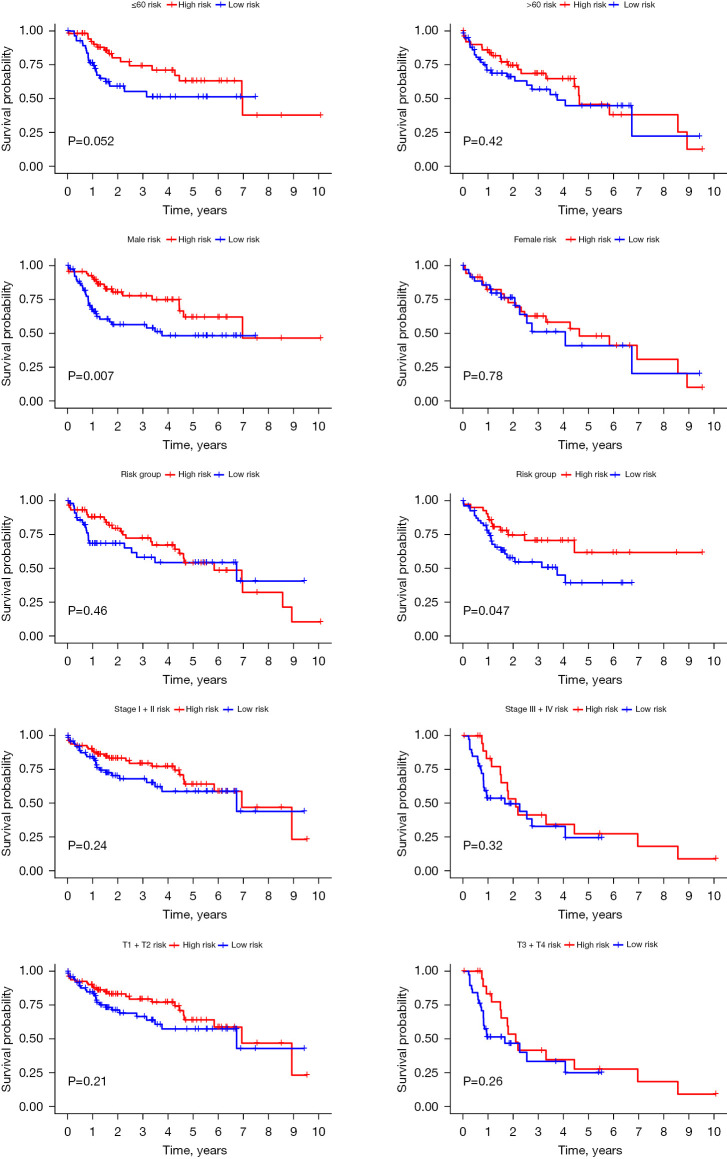
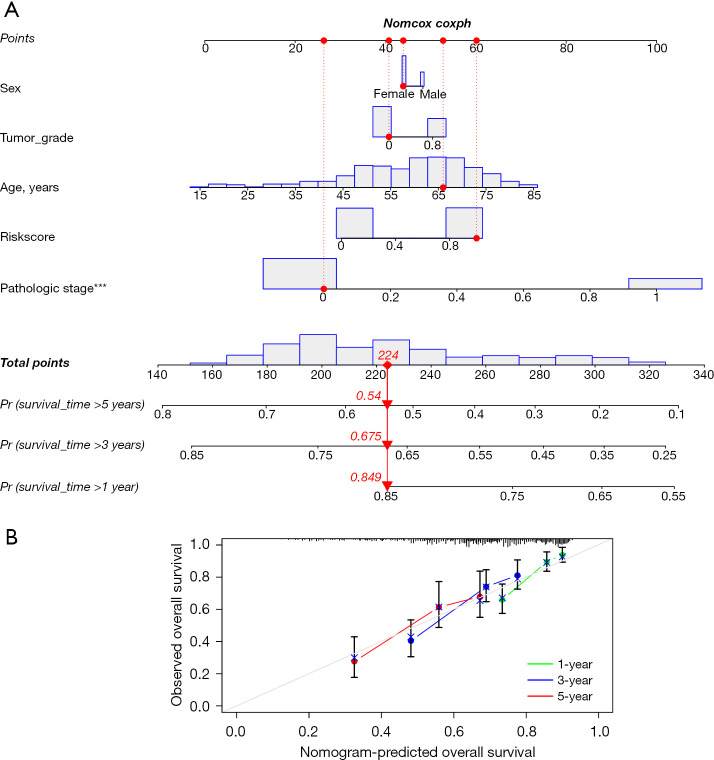
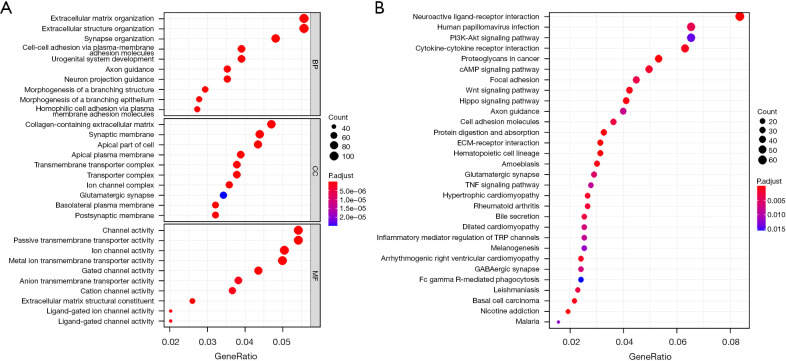
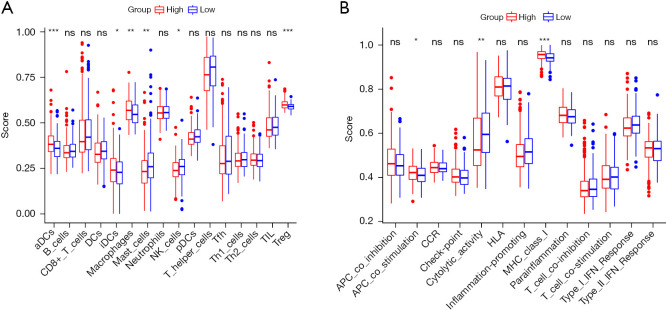
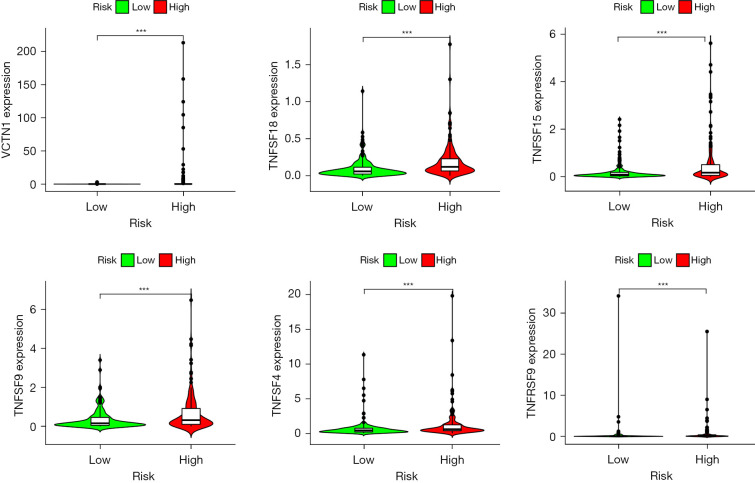
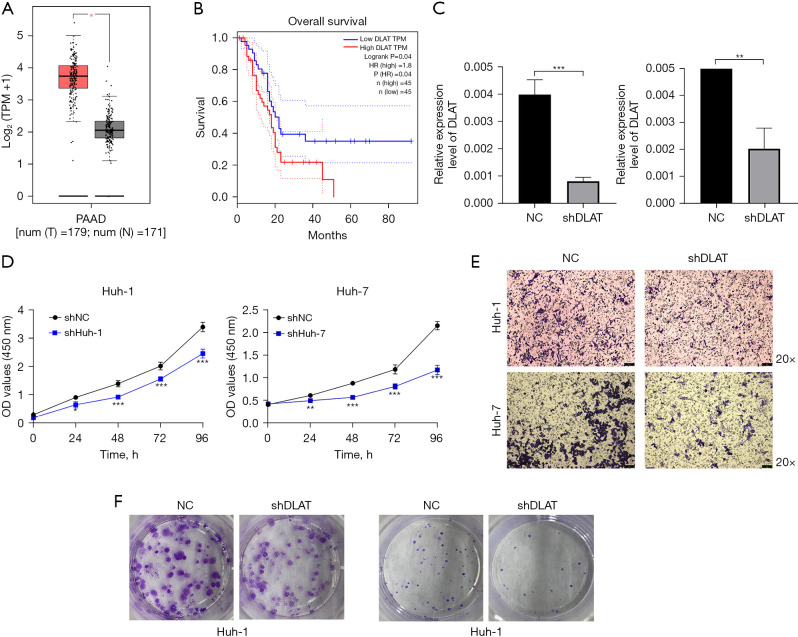
A total of 12 cuproptosis regulators were discovered in LC and normal liver tissues. A 3-gene signature based on LASSO Cox regression was utilized to categorize TCGA LC patients into low- and high-risk categories. Low-risk patients exhibited better survival than high-risk patients (P<0.05). Tumor grade, stage, and T stage differed between high- and low-risk groups. Long-term prognosis was well predicted by male subgroup survival studies. We predicted LC patient survival using sex, tumor grade, tumor stage, and risk score. Functional enrichment showed that extracellular matrix (ECM) architecture, channel function, and tumor-associated pathways were enriched in LC, suggesting that cancer related functions were collected. Immune microenvironment inhibition was found in the high-risk group suggesting that immunosuppression was closely related. We also discovered five small molecules that could be potentially useful for LC treatment. was discovered to promote the migration and proliferation of LC cells and is connected to drug resistance as a prognostic marker.
Cuproptosis-related genes contribute to tumor development and can aid the prediction of LC patient prognosis. is a potential LC prognostic and therapeutic target.
肝癌(LC)的预后很差。研究人员最近发现了铜死亡,这是一种新型的程序性细胞死亡形式,其在肝癌中的表达及预后尚不清楚。本研究揭示了一种预测肝癌预后的基因特征。
从癌症基因组图谱(TCGA)获取371例肝癌患者的RNA和临床数据。通过比较癌组织和正常组织样本鉴定差异表达基因(DEGs)。使用单变量Cox回归和最小绝对收缩和选择算子(LASSO)找出与总生存期(OS)相关的基因。在所有患者中验证该基因特征。分析基因表达和临床特征,并为高风险和低风险组生成Kaplan-Meier(KM)曲线。利用DEGs进行基因本体论(GO)、京都基因与基因组百科全书(KEGG)、免疫浸润和药物预测分析。通过实时聚合酶链反应(RT-PCR)、Transwell侵袭实验、细胞计数试剂盒-8(CCK-8)、集落形成实验和耐药实验评估其功能。
在肝癌组织和正常肝组织中总共发现了12个铜死亡调节因子。基于LASSO Cox回归的三基因特征用于将TCGA肝癌患者分为低风险和高风险类别。低风险患者的生存期优于高风险患者(P<0.05)。高风险和低风险组之间的肿瘤分级、分期和T分期存在差异。男性亚组生存研究能很好地预测长期预后。我们使用性别、肿瘤分级、肿瘤分期和风险评分预测肝癌患者的生存期。功能富集分析表明,细胞外基质(ECM)结构、通道功能和肿瘤相关通路在肝癌中富集,表明收集到了与癌症相关的功能。在高风险组中发现免疫微环境受到抑制,提示免疫抑制密切相关。我们还发现了五种可能对肝癌治疗有用的小分子。发现其可促进肝癌细胞的迁移和增殖,并作为预后标志物与耐药性相关。
铜死亡相关基因有助于肿瘤发展,并可辅助预测肝癌患者的预后。是潜在的肝癌预后和治疗靶点。