• 文献检索
  • 文档翻译
  • 深度研究
  • 学术资讯
  • Suppr Zotero 插件Zotero 插件
  • 邀请有礼
  • 套餐&价格
  • 历史记录
应用&插件
Suppr Zotero 插件Zotero 插件浏览器插件Mac 客户端Windows 客户端微信小程序
定价
高级版会员购买积分包购买API积分包
服务
文献检索文档翻译深度研究API 文档MCP 服务
关于我们
关于 Suppr公司介绍联系我们用户协议隐私条款
关注我们

Suppr 超能文献

核心技术专利:CN118964589B侵权必究
粤ICP备2023148730 号-1Suppr @ 2026

文献检索

告别复杂PubMed语法,用中文像聊天一样搜索,搜遍4000万医学文献。AI智能推荐,让科研检索更轻松。

立即免费搜索

文件翻译

保留排版,准确专业,支持PDF/Word/PPT等文件格式,支持 12+语言互译。

免费翻译文档

深度研究

AI帮你快速写综述,25分钟生成高质量综述,智能提取关键信息,辅助科研写作。

立即免费体验

鉴定用于预测结肠腺癌预后、免疫微环境和候选药物的糖酵解和乳酸相关基因特征。

Identification of a glycolysis- and lactate-related gene signature for predicting prognosis, immune microenvironment, and drug candidates in colon adenocarcinoma.

作者信息

Liu Cong, Liu Dingwei, Wang Fangfei, Xie Jun, Liu Yang, Wang Huan, Rong Jianfang, Xie Jinliang, Wang Jinyun, Zeng Rong, Zhou Feng, Peng Jianxiang, Xie Yong

机构信息

Department of Gastroenterology, Digestive Disease Hospital, The First Affiliated Hospital of Nanchang University, Nanchang, Jiangxi, China.

Gastroenterology Institute of Jiangxi Province, Nanchang, Jiangxi, China.

出版信息

Front Cell Dev Biol. 2022 Aug 23;10:971992. doi: 10.3389/fcell.2022.971992. eCollection 2022.

DOI:10.3389/fcell.2022.971992
PMID:36081904
原文链接:https://pmc.ncbi.nlm.nih.gov/articles/PMC9445192/
Abstract

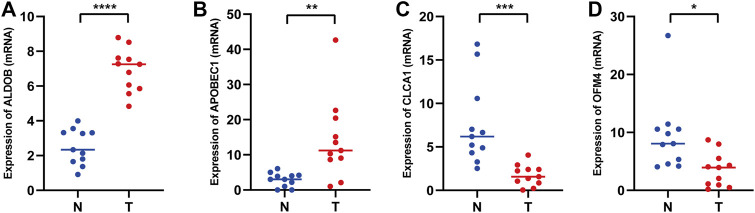
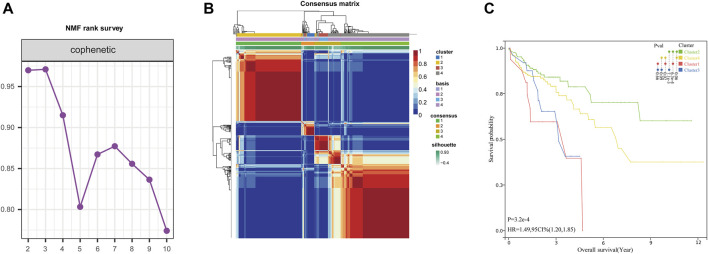
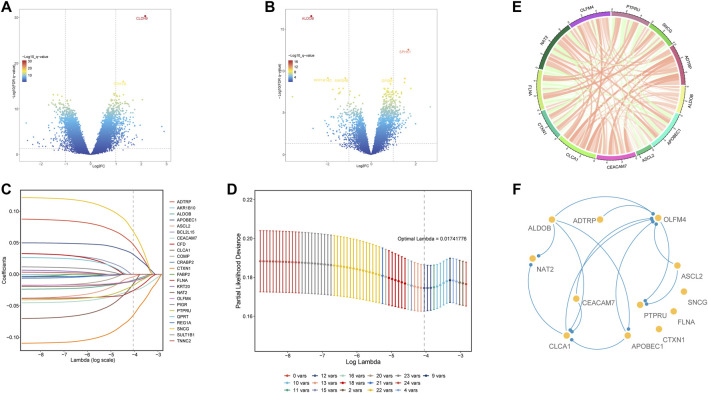
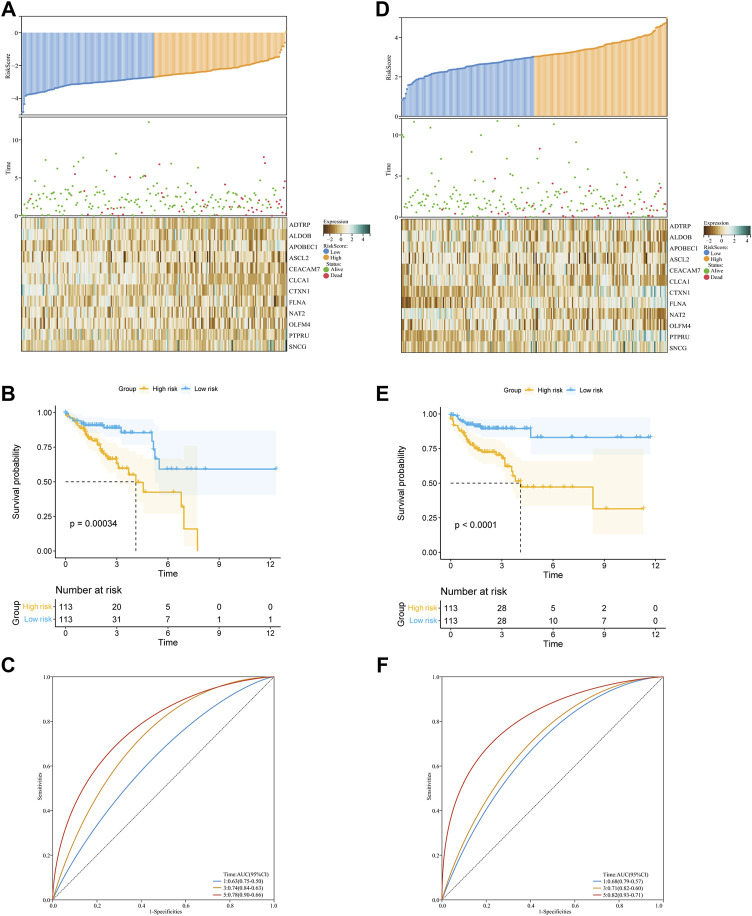
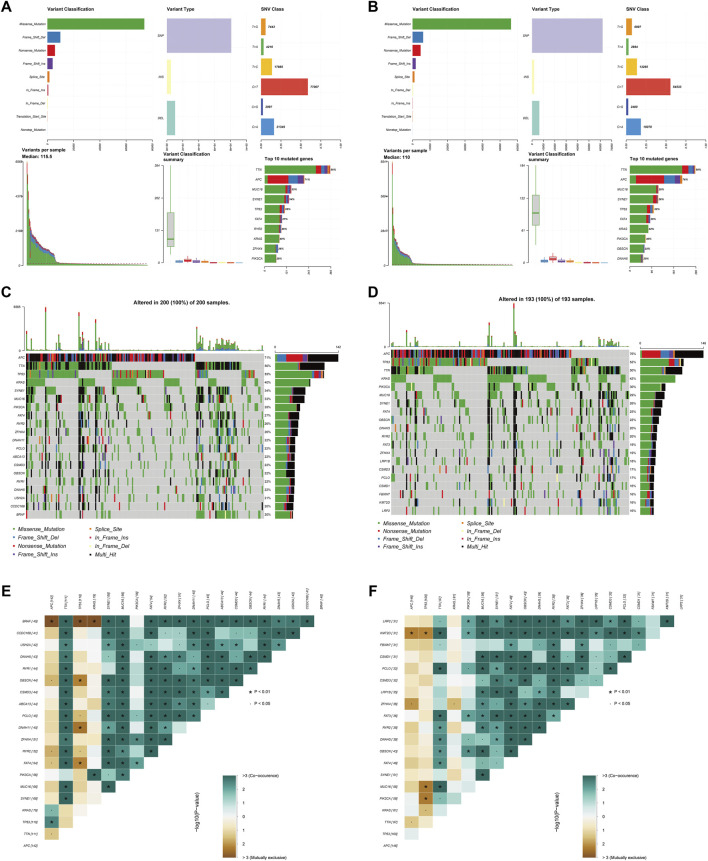
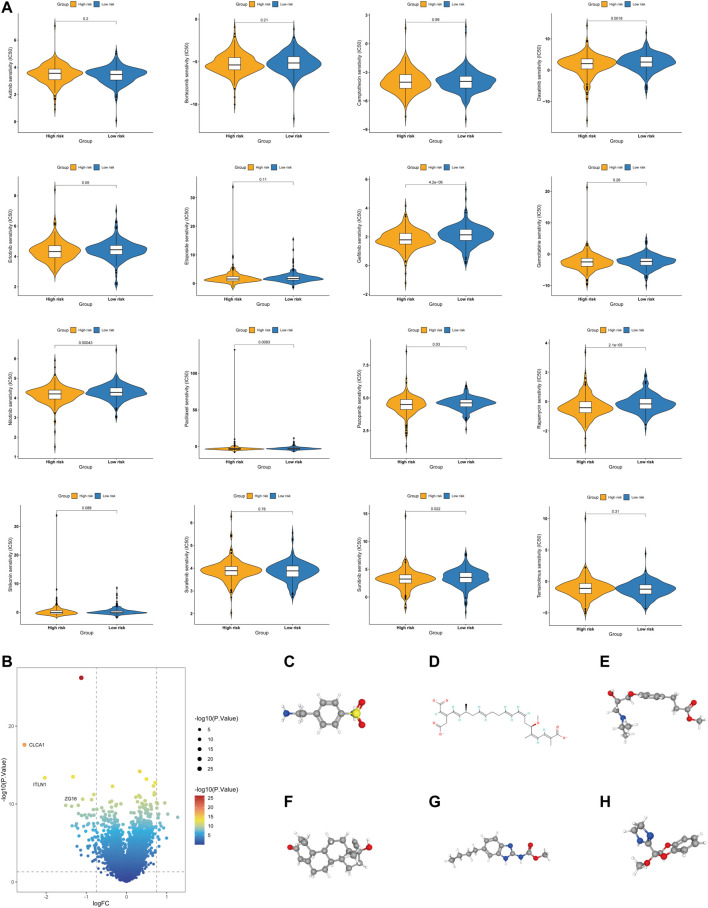
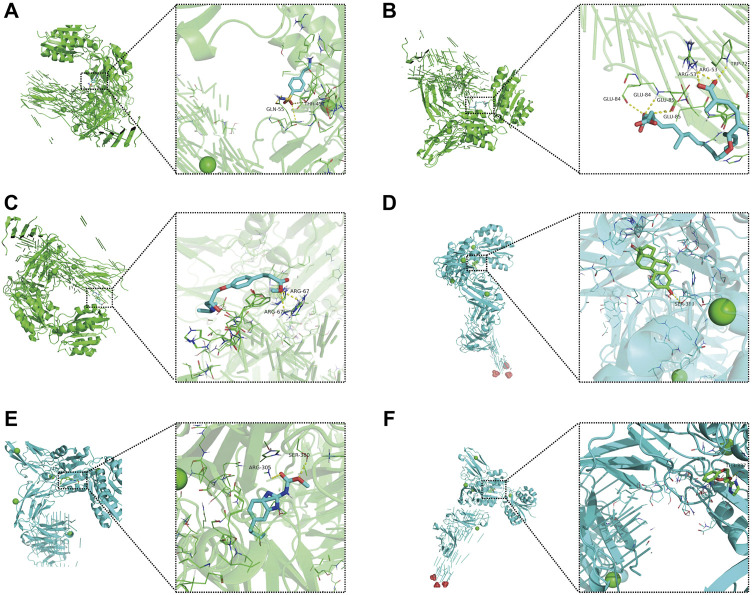
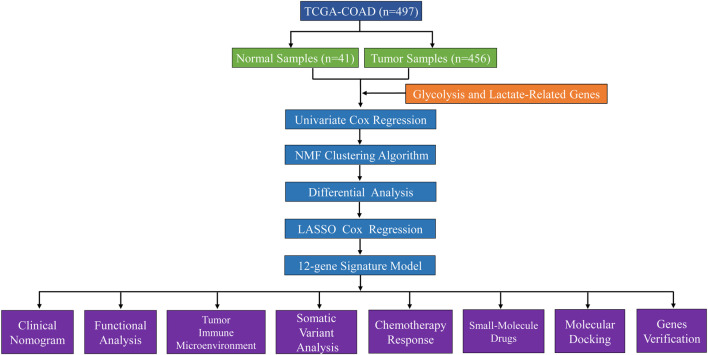
Colon adenocarcinoma (COAD), a malignant gastrointestinal tumor, has the characteristics of high mortality and poor prognosis. Even in the presence of oxygen, the Warburg effect, a major metabolic hallmark of almost all cancer cells, is characterized by increased glycolysis and lactate fermentation, which supports biosynthesis and provides energy to sustain tumor cell growth and proliferation. However, a thorough investigation into glycolysis- and lactate-related genes and their association with COAD prognosis, immune cell infiltration, and drug candidates is currently lacking. COAD patient data and glycolysis- and lactate-related genes were retrieved from The Cancer Genome Atlas (TCGA) and Gene Set Enrichment Analysis (GSEA) databases, respectively. After univariate Cox regression analysis, a nonnegative matrix factorization (NMF) algorithm was used to identify glycolysis- and lactate-related molecular subtypes. Least absolute shrinkage and selection operator (LASSO) Cox regression identified twelve glycolysis- and lactate-related genes (ADTRP, ALDOB, APOBEC1, ASCL2, CEACAM7, CLCA1, CTXN1, FLNA, NAT2, OLFM4, PTPRU, and SNCG) related to prognosis. The median risk score was employed to separate patients into high- and low-risk groups. The prognostic efficacy of the glycolysis- and lactate-related gene signature was assessed using Kaplan-Meier (KM) survival and receiver operating characteristic (ROC) curve analyses. The nomogram, calibration curves, decision curve analysis (DCA), and clinical impact curve (CIC) were employed to improve the clinical applicability of the prognostic signature. Gene Ontology (GO) and Kyoto Encyclopedia of Genes and Genomes (KEGG) pathway enrichment analyses were performed on differentially expressed genes (DEGs) from the high- and low-risk groups. Using CIBERSORT, ESTIMATE, and single-sample GSEA (ssGSEA) algorithms, the quantities and types of tumor-infiltrating immune cells were assessed. The tumor mutational burden (TMB) and cytolytic (CYT) activity scores were calculated between the high- and low-risk groups. Potential small-molecule agents were identified using the Connectivity Map (cMap) database and validated by molecular docking. To verify key core gene expression levels, quantitative real-time polymerase chain reaction (qRT-PCR) assays were conducted. We identified four distinct molecular subtypes of COAD. Cluster 2 had the best prognosis, and clusters 1 and 3 had poor prognoses. High-risk COAD patients exhibited considerably poorer overall survival (OS) than low-risk COAD patients. The nomogram precisely predicted patient OS, with acceptable discrimination and excellent calibration. GO and KEGG pathway enrichment analyses of DEGs revealed enrichment mainly in the "glycosaminoglycan binding," "extracellular matrix," "pancreatic secretion," and "focal adhesion" pathways. Patients in the low-risk group exhibited a larger infiltration of memory CD4+ T cells and dendritic cells and a better prognosis than those in the high-risk group. The chemotherapeutic agent sensitivity of patients categorized by risk score varied significantly. We predicted six potential small-molecule agents binding to the core target of the glycolysis- and lactate-related gene signature. ALDOB and APOBEC1 mRNA expression was increased in COAD tissues, whereas CLCA1 and OLFM4 mRNA expression was increased in normal tissues. In summary, we identified molecular subtypes of COAD and developed a glycolysis- and lactate-related gene signature with significant prognostic value, which benefits COAD patients by informing more precise and effective treatment decisions.

摘要

结肠腺癌(COAD)是一种恶性胃肠道肿瘤,具有高死亡率和预后差的特点。即使在有氧的情况下,几乎所有癌细胞的主要代谢特征——瓦博格效应,其特点是糖酵解增加和乳酸发酵增加,这支持生物合成并提供能量以维持肿瘤细胞的生长和增殖。然而,目前缺乏对糖酵解和乳酸相关基因及其与COAD预后、免疫细胞浸润和候选药物的关联的深入研究。分别从癌症基因组图谱(TCGA)和基因集富集分析(GSEA)数据库中检索COAD患者数据以及糖酵解和乳酸相关基因。经过单因素Cox回归分析后,使用非负矩阵分解(NMF)算法来识别糖酵解和乳酸相关的分子亚型。最小绝对收缩和选择算子(LASSO)Cox回归确定了十二个与预后相关的糖酵解和乳酸相关基因(ADTRP、ALDOB、APOBEC1、ASCL2、CEACAM7、CLCA1、CTXN1、FLNA、NAT2、OLFM4、PTPRU和SNCG)。采用中位风险评分将患者分为高风险组和低风险组。使用Kaplan-Meier(KM)生存分析和受试者工作特征(ROC)曲线分析评估糖酵解和乳酸相关基因特征的预后效果。使用列线图、校准曲线、决策曲线分析(DCA)和临床影响曲线(CIC)来提高预后特征的临床适用性。对高风险组和低风险组的差异表达基因(DEG)进行基因本体(GO)和京都基因与基因组百科全书(KEGG)通路富集分析。使用CIBERSORT、ESTIMATE和单样本GSEA(ssGSEA)算法评估肿瘤浸润免疫细胞的数量和类型。计算高风险组和低风险组之间的肿瘤突变负荷(TMB)和细胞溶解(CYT)活性评分。使用连通性图谱(cMap)数据库识别潜在的小分子药物,并通过分子对接进行验证。为了验证关键核心基因的表达水平,进行了定量实时聚合酶链反应(qRT-PCR)检测。我们确定了COAD的四种不同分子亚型。第2组预后最佳,第1组和第3组预后较差。高风险COAD患者的总生存期(OS)明显低于低风险COAD患者。列线图精确预测了患者的OS,具有可接受的区分度和良好的校准度。对DEG的GO和KEGG通路富集分析显示主要富集在“糖胺聚糖结合”、“细胞外基质”、“胰腺分泌”和“粘着斑”通路。低风险组患者的记忆性CD4 + T细胞和树突状细胞浸润较多,预后比高风险组患者好。根据风险评分分类的患者对化疗药物的敏感性差异显著。我们预测了六种与糖酵解和乳酸相关基因特征的核心靶点结合的潜在小分子药物。ALDOB和APOBEC1 mRNA在COAD组织中的表达增加,而CLCA1和OLFM4 mRNA在正常组织中的表达增加。总之,我们确定了COAD的分子亚型,并开发了具有显著预后价值的糖酵解和乳酸相关基因特征,通过为更精确有效的治疗决策提供信息,使COAD患者受益。
https://cdn.ncbi.nlm.nih.gov/pmc/blobs/06dc/9445192/06fedbc27999/fcell-10-971992-g012.jpg
https://cdn.ncbi.nlm.nih.gov/pmc/blobs/06dc/9445192/7b8db68023f9/fcell-10-971992-g001.jpg
https://cdn.ncbi.nlm.nih.gov/pmc/blobs/06dc/9445192/8bb7e45b9638/fcell-10-971992-g002.jpg
https://cdn.ncbi.nlm.nih.gov/pmc/blobs/06dc/9445192/5f0e15916735/fcell-10-971992-g003.jpg
https://cdn.ncbi.nlm.nih.gov/pmc/blobs/06dc/9445192/ee247c6c70b0/fcell-10-971992-g004.jpg
https://cdn.ncbi.nlm.nih.gov/pmc/blobs/06dc/9445192/443ce984c720/fcell-10-971992-g005.jpg
https://cdn.ncbi.nlm.nih.gov/pmc/blobs/06dc/9445192/fc05c7a227d3/fcell-10-971992-g006.jpg
https://cdn.ncbi.nlm.nih.gov/pmc/blobs/06dc/9445192/640492ae7c8c/fcell-10-971992-g007.jpg
https://cdn.ncbi.nlm.nih.gov/pmc/blobs/06dc/9445192/01594c73811a/fcell-10-971992-g008.jpg
https://cdn.ncbi.nlm.nih.gov/pmc/blobs/06dc/9445192/c4f911724fce/fcell-10-971992-g009.jpg
https://cdn.ncbi.nlm.nih.gov/pmc/blobs/06dc/9445192/1b6bb1c13a9d/fcell-10-971992-g010.jpg
https://cdn.ncbi.nlm.nih.gov/pmc/blobs/06dc/9445192/2b00b8c9f2c5/fcell-10-971992-g011.jpg
https://cdn.ncbi.nlm.nih.gov/pmc/blobs/06dc/9445192/06fedbc27999/fcell-10-971992-g012.jpg
https://cdn.ncbi.nlm.nih.gov/pmc/blobs/06dc/9445192/7b8db68023f9/fcell-10-971992-g001.jpg
https://cdn.ncbi.nlm.nih.gov/pmc/blobs/06dc/9445192/8bb7e45b9638/fcell-10-971992-g002.jpg
https://cdn.ncbi.nlm.nih.gov/pmc/blobs/06dc/9445192/5f0e15916735/fcell-10-971992-g003.jpg
https://cdn.ncbi.nlm.nih.gov/pmc/blobs/06dc/9445192/ee247c6c70b0/fcell-10-971992-g004.jpg
https://cdn.ncbi.nlm.nih.gov/pmc/blobs/06dc/9445192/443ce984c720/fcell-10-971992-g005.jpg
https://cdn.ncbi.nlm.nih.gov/pmc/blobs/06dc/9445192/fc05c7a227d3/fcell-10-971992-g006.jpg
https://cdn.ncbi.nlm.nih.gov/pmc/blobs/06dc/9445192/640492ae7c8c/fcell-10-971992-g007.jpg
https://cdn.ncbi.nlm.nih.gov/pmc/blobs/06dc/9445192/01594c73811a/fcell-10-971992-g008.jpg
https://cdn.ncbi.nlm.nih.gov/pmc/blobs/06dc/9445192/c4f911724fce/fcell-10-971992-g009.jpg
https://cdn.ncbi.nlm.nih.gov/pmc/blobs/06dc/9445192/1b6bb1c13a9d/fcell-10-971992-g010.jpg
https://cdn.ncbi.nlm.nih.gov/pmc/blobs/06dc/9445192/2b00b8c9f2c5/fcell-10-971992-g011.jpg
https://cdn.ncbi.nlm.nih.gov/pmc/blobs/06dc/9445192/06fedbc27999/fcell-10-971992-g012.jpg

相似文献

1
Identification of a glycolysis- and lactate-related gene signature for predicting prognosis, immune microenvironment, and drug candidates in colon adenocarcinoma.鉴定用于预测结肠腺癌预后、免疫微环境和候选药物的糖酵解和乳酸相关基因特征。
Front Cell Dev Biol. 2022 Aug 23;10:971992. doi: 10.3389/fcell.2022.971992. eCollection 2022.
2
An Intratumor Heterogeneity-Related Signature for Predicting Prognosis, Immune Landscape, and Chemotherapy Response in Colon Adenocarcinoma.一种用于预测结肠腺癌预后、免疫微环境和化疗反应的肿瘤内异质性相关特征
Front Med (Lausanne). 2022 Jul 7;9:925661. doi: 10.3389/fmed.2022.925661. eCollection 2022.
3
Construction of a novel choline metabolism-related signature to predict prognosis, immune landscape, and chemotherapy response in colon adenocarcinoma.构建新型胆碱代谢相关标志物,预测结肠腺癌的预后、免疫图谱和化疗反应。
Front Immunol. 2022 Nov 14;13:1038927. doi: 10.3389/fimmu.2022.1038927. eCollection 2022.
4
The Interferon Gamma-Related Long Noncoding RNA Signature Predicts Prognosis and Indicates Immune Microenvironment Infiltration in Colon Adenocarcinoma.干扰素γ相关长链非编码RNA特征预测结肠癌预后并提示免疫微环境浸润
Front Oncol. 2022 Jun 7;12:876660. doi: 10.3389/fonc.2022.876660. eCollection 2022.
5
A novel signature incorporating lipid metabolism- and immune-related genes to predict the prognosis and immune landscape in hepatocellular carcinoma.一种包含脂质代谢和免疫相关基因的新型特征,用于预测肝细胞癌的预后和免疫格局。
Front Oncol. 2023 Jun 6;13:1182434. doi: 10.3389/fonc.2023.1182434. eCollection 2023.
6
Identification of a novel glycolysis-related gene signature for predicting the survival of patients with colon adenocarcinoma.鉴定新型糖酵解相关基因标志物预测结肠腺癌患者生存预后。
Scand J Gastroenterol. 2022 Feb;57(2):214-221. doi: 10.1080/00365521.2021.1989026. Epub 2021 Oct 13.
7
Identification of cuproptosis-related subtypes, construction of a prognosis model, and tumor microenvironment landscape in gastric cancer.鉴定胃癌中与铜死亡相关的亚型,构建预后模型和肿瘤微环境景观。
Front Immunol. 2022 Nov 21;13:1056932. doi: 10.3389/fimmu.2022.1056932. eCollection 2022.
8
Developing a prognosis and chemotherapy evaluating model for colon adenocarcinoma based on mitotic catastrophe-related genes.基于有丝分裂灾难相关基因的结肠腺癌预后和化疗评估模型的建立。
Sci Rep. 2024 Jan 18;14(1):1655. doi: 10.1038/s41598-024-51918-7.
9
A Novel Pyroptosis-Related Gene Signature for Predicting the Prognosis and the Associated Immune Infiltration in Colon Adenocarcinoma.一种用于预测结肠腺癌预后及相关免疫浸润的新型焦亡相关基因特征
Front Oncol. 2022 Jul 14;12:904464. doi: 10.3389/fonc.2022.904464. eCollection 2022.
10
Construction and validation of a cuproptosis-related lncRNA signature as a novel and robust prognostic model for colon adenocarcinoma.构建并验证一种与铜死亡相关的长链非编码RNA特征作为结肠癌的新型稳健预后模型。
Front Oncol. 2022 Jul 28;12:961213. doi: 10.3389/fonc.2022.961213. eCollection 2022.

引用本文的文献

1
Establishment of two pathomic-based machine learning models to predict CLCA1 expression in colon adenocarcinoma.建立两种基于病理特征的机器学习模型以预测结肠腺癌中CLCA1的表达。
PLoS One. 2025 Jul 21;20(7):e0328220. doi: 10.1371/journal.pone.0328220. eCollection 2025.
2
Characterization of lactylation-based phenotypes and molecular biomarkers in sepsis-associated acute respiratory distress syndrome.脓毒症相关急性呼吸窘迫综合征中基于乳酰化的表型和分子生物标志物的特征分析
Sci Rep. 2025 Apr 22;15(1):13831. doi: 10.1038/s41598-025-96969-6.
3
Exploring potential additive effects of 5-fluorouracil, thymoquinone, and coenzyme Q10 triple therapy on colon cancer cells in relation to glycolysis and redox status modulation.

本文引用的文献

1
Identification of Molecular Subtypes and a Prognostic Signature Based on Inflammation-Related Genes in Colon Adenocarcinoma.基于炎症相关基因的结肠腺癌分子亚型鉴定和预后标志物。
Front Immunol. 2021 Dec 23;12:769685. doi: 10.3389/fimmu.2021.769685. eCollection 2021.
2
A Prognostic Pyroptosis-Related lncRNAs Risk Model Correlates With the Immune Microenvironment in Colon Adenocarcinoma.一种与预后相关的焦亡相关长链非编码RNA风险模型与结肠腺癌免疫微环境相关
Front Cell Dev Biol. 2021 Dec 13;9:811734. doi: 10.3389/fcell.2021.811734. eCollection 2021.
3
The Role of the Tumor Microenvironment and Treatment Strategies in Colorectal Cancer.
探索5-氟尿嘧啶、百里醌和辅酶Q10三联疗法对结肠癌细胞糖酵解和氧化还原状态调节的潜在相加作用。
J Egypt Natl Canc Inst. 2025 Mar 10;37(1):7. doi: 10.1186/s43046-025-00261-7.
4
Identification of UBE2N as a biomarker of Alzheimer's disease by combining WGCNA with machine learning algorithms.通过结合加权基因共表达网络分析(WGCNA)和机器学习算法鉴定泛素结合酶E2N(UBE2N)作为阿尔茨海默病的生物标志物。
Sci Rep. 2025 Feb 22;15(1):6479. doi: 10.1038/s41598-025-90578-z.
5
Interference with ENO2 promotes ferroptosis and inhibits glycolysis in clear cell renal cell carcinoma by regulating Hippo‑YAP1 signaling.干扰ENO2通过调节Hippo‑YAP1信号通路促进肾透明细胞癌的铁死亡并抑制糖酵解。
Oncol Lett. 2024 Jul 19;28(3):443. doi: 10.3892/ol.2024.14576. eCollection 2024 Sep.
6
Single-cell transcriptome analysis revealed heterogeneity in glycolysis and identified IGF2 as a therapeutic target for ovarian cancer subtypes.单细胞转录组分析揭示了糖酵解中的异质性,并确定IGF2为卵巢癌亚型的治疗靶点。
BMC Cancer. 2024 Jul 31;24(1):926. doi: 10.1186/s12885-024-12688-7.
7
Complement factor I knockdown inhibits colon cancer development by affecting Wnt/β-catenin/c-Myc signaling pathway and glycolysis.补体因子I基因敲低通过影响Wnt/β-连环蛋白/c-Myc信号通路和糖酵解来抑制结肠癌的发展。
World J Gastrointest Oncol. 2024 Jun 15;16(6):2646-2662. doi: 10.4251/wjgo.v16.i6.2646.
8
Thymoquinone affects hypoxia-inducible factor-1α expression in pancreatic cancer cells via HSP90 and PI3K/AKT/mTOR pathways.胸腺醌通过 HSP90 和 PI3K/AKT/mTOR 通路影响胰腺癌细胞中缺氧诱导因子-1α的表达。
World J Gastroenterol. 2024 Jun 7;30(21):2793-2816. doi: 10.3748/wjg.v30.i21.2793.
9
Identification of glutamine metabolism-related gene signature to predict colorectal cancer prognosis.用于预测结直肠癌预后的谷氨酰胺代谢相关基因特征的鉴定
J Cancer. 2024 Apr 15;15(10):3199-3214. doi: 10.7150/jca.91687. eCollection 2024.
10
Clinical plasma cells-related genes to aid therapy in colon cancer.临床浆细胞相关基因辅助结肠癌治疗。
BMC Genomics. 2023 Aug 1;24(1):430. doi: 10.1186/s12864-023-09481-4.
肿瘤微环境与结直肠癌治疗策略的作用。
Front Immunol. 2021 Dec 2;12:792691. doi: 10.3389/fimmu.2021.792691. eCollection 2021.
4
TP53 Mutation Infers a Poor Prognosis and Is Correlated to Immunocytes Infiltration in Breast Cancer.TP53突变预示乳腺癌预后不良并与免疫细胞浸润相关。
Front Cell Dev Biol. 2021 Nov 30;9:759154. doi: 10.3389/fcell.2021.759154. eCollection 2021.
5
GSH-Responsive Nanoprodrug to Inhibit Glycolysis and Alleviate Immunosuppression for Cancer Therapy.基于谷胱甘肽响应的纳米药物抑制肿瘤细胞糖酵解并缓解免疫抑制用于癌症治疗
Nano Lett. 2021 Sep 22;21(18):7862-7869. doi: 10.1021/acs.nanolett.1c03089. Epub 2021 Sep 8.
6
CD4+ T cell and M2 macrophage infiltration predict dedifferentiated liposarcoma patient outcomes.CD4+ T 细胞和 M2 巨噬细胞浸润预测去分化脂肪肉瘤患者的预后。
J Immunother Cancer. 2021 Aug;9(8). doi: 10.1136/jitc-2021-002812.
7
Potential therapeutics using tumor-secreted lactate in nonsmall cell lung cancer.利用肿瘤分泌的乳酸治疗非小细胞肺癌的潜在疗法。
Drug Discov Today. 2021 Nov;26(11):2508-2514. doi: 10.1016/j.drudis.2021.07.014. Epub 2021 Jul 27.
8
Cancer metabolism: looking forward.癌症代谢:展望未来。
Nat Rev Cancer. 2021 Oct;21(10):669-680. doi: 10.1038/s41568-021-00378-6. Epub 2021 Jul 16.
9
Neuroprotective action of Cortexin, Cerebrolysin and Actovegin in acute or chronic brain ischemia in rats.脑苷肌肽、脑活素和小牛血去蛋白提取物在大鼠急性或慢性脑缺血中的神经保护作用。
PLoS One. 2021 Jul 14;16(7):e0254493. doi: 10.1371/journal.pone.0254493. eCollection 2021.
10
Single-cell analyses reveal suppressive tumor microenvironment of human colorectal cancer.单细胞分析揭示人类结直肠癌的抑制性肿瘤微环境。
Clin Transl Med. 2021 Jun;11(6):e422. doi: 10.1002/ctm2.422.