Copland Alastair, Mackie Gillian M, Scarfe Lisa, Jinks Elizabeth, Lecky David A J, Gudgeon Nancy, McQuade Riahne, Ono Masahiro, Barthel Manja, Hardt Wolf-Dietrich, Ohno Hiroshi, Hoevenaar Wilma H M, Dimeloe Sarah, Bending David, Maslowski Kendle M
Institute of Immunology and Immunotherapy, University of Birmingham, Birmingham, B15 2TT, UK.
Institute for Metabolism and Systems Research, University of Birmingham, Birmingham, B15 2TT, UK.
EMBO Mol Med. 2024 Dec;16(12):3057-3088. doi: 10.1038/s44321-024-00159-2. Epub 2024 Nov 18.
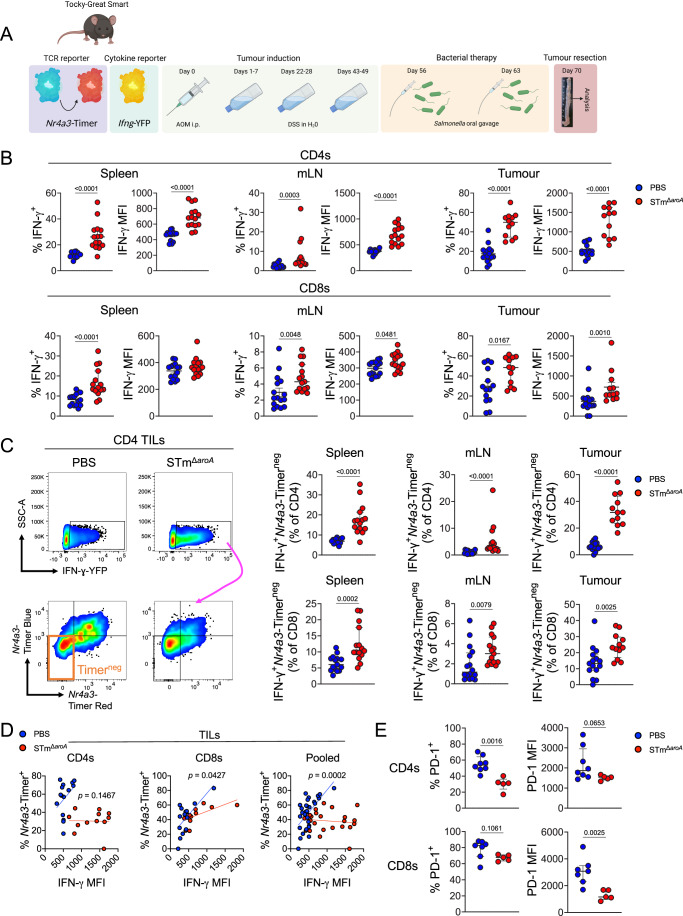
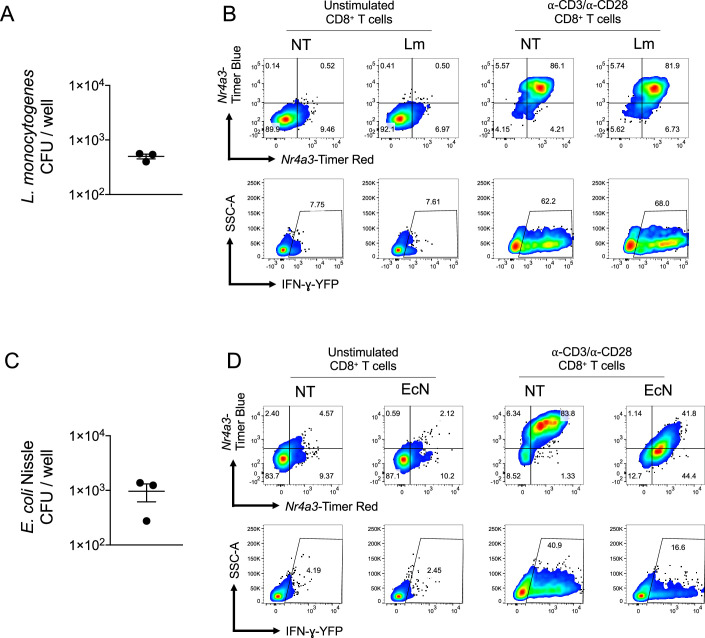
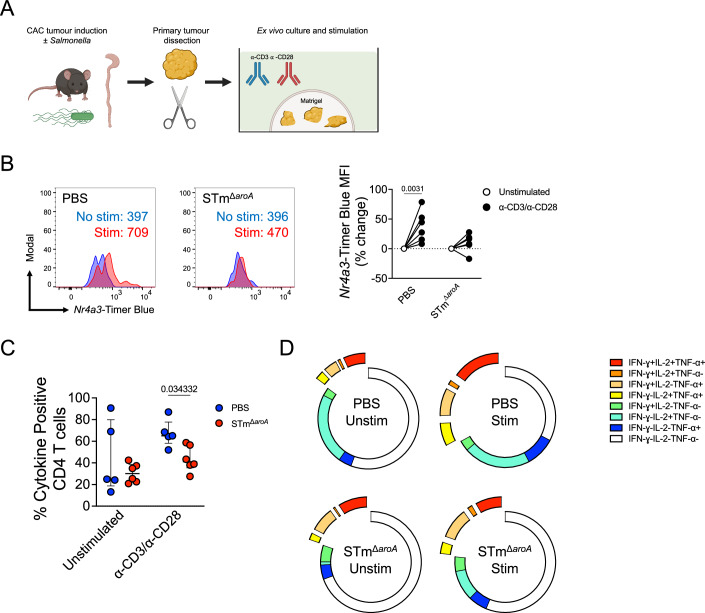
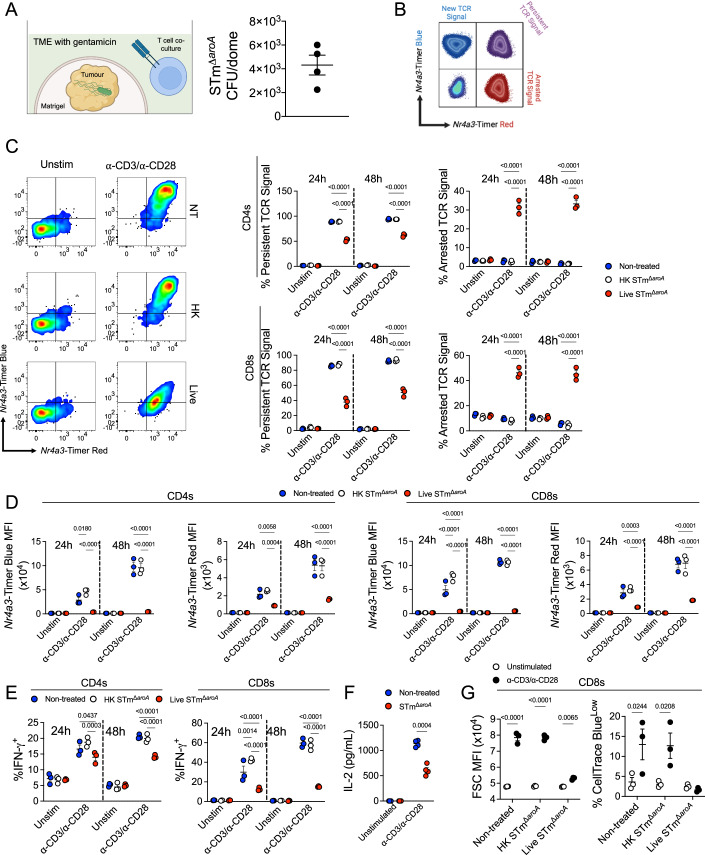
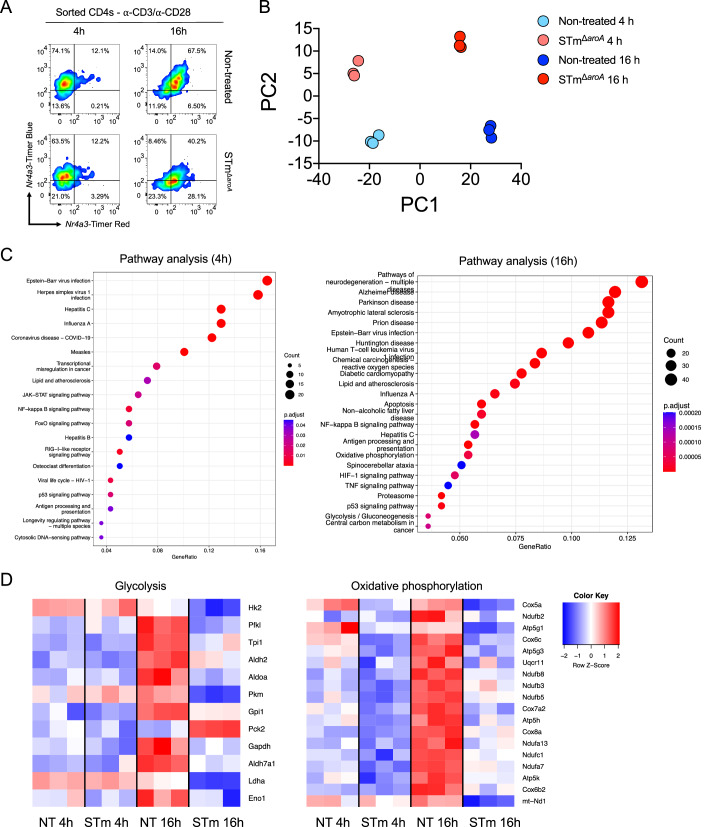
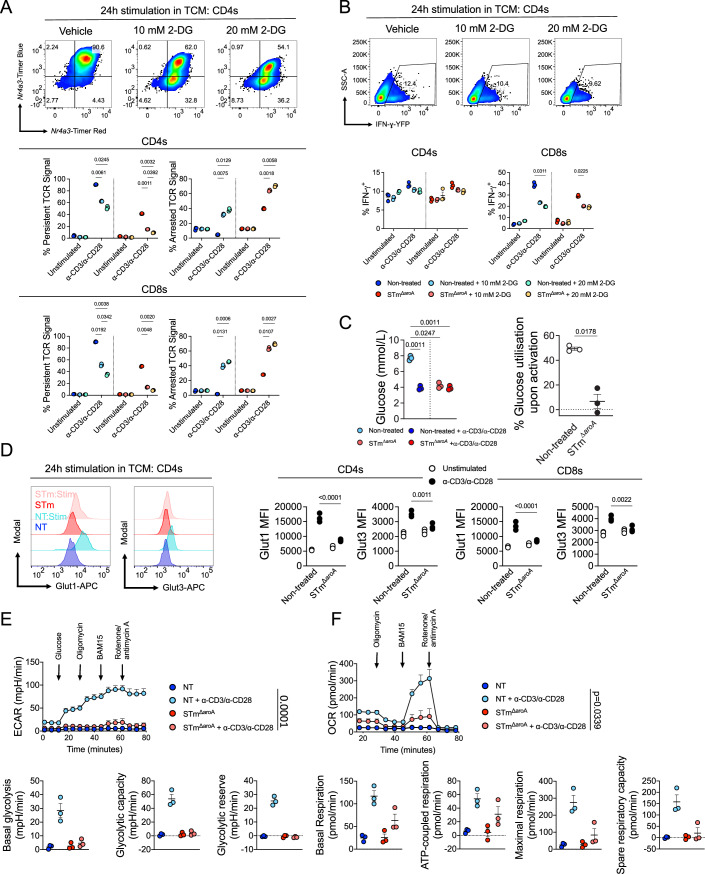
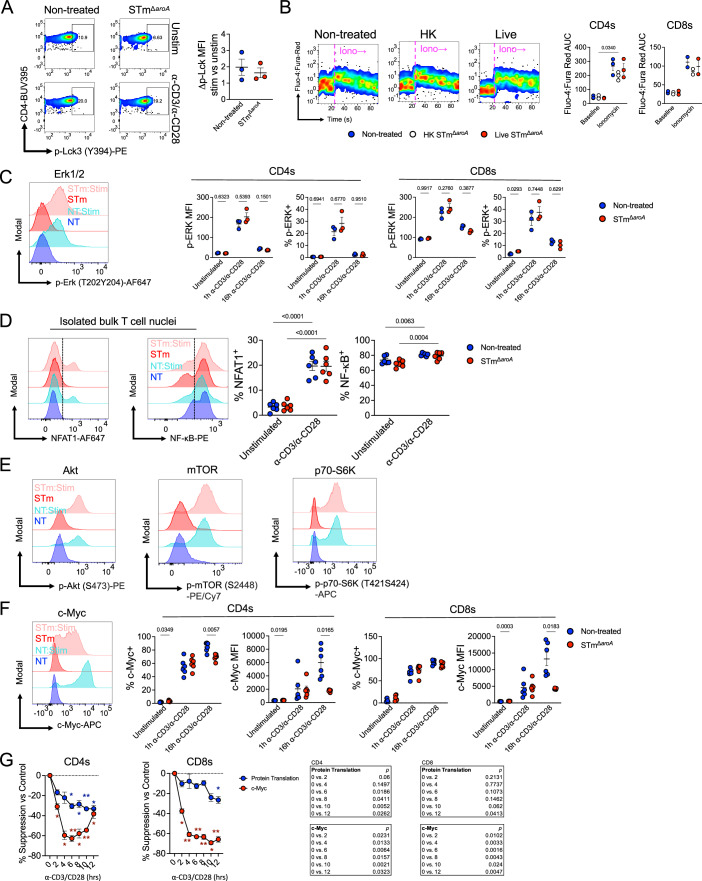
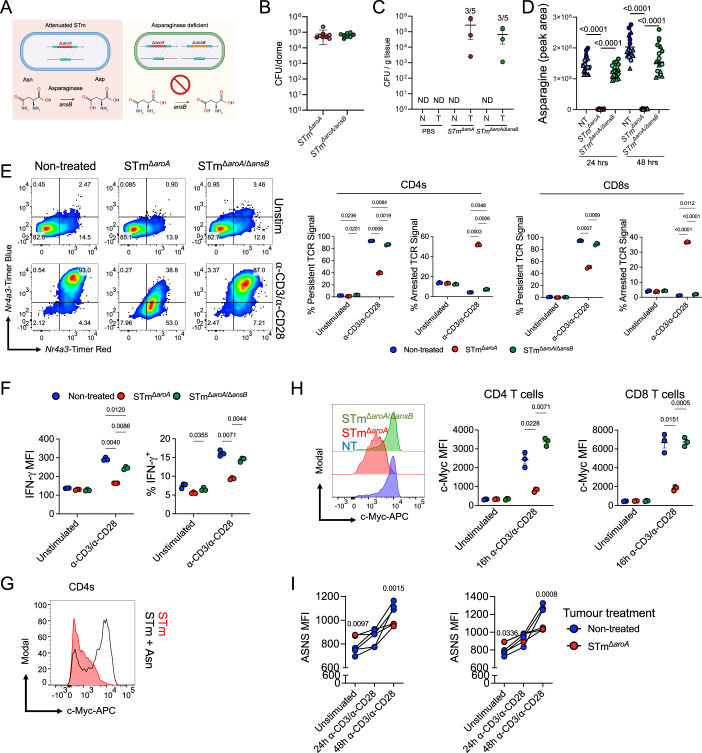
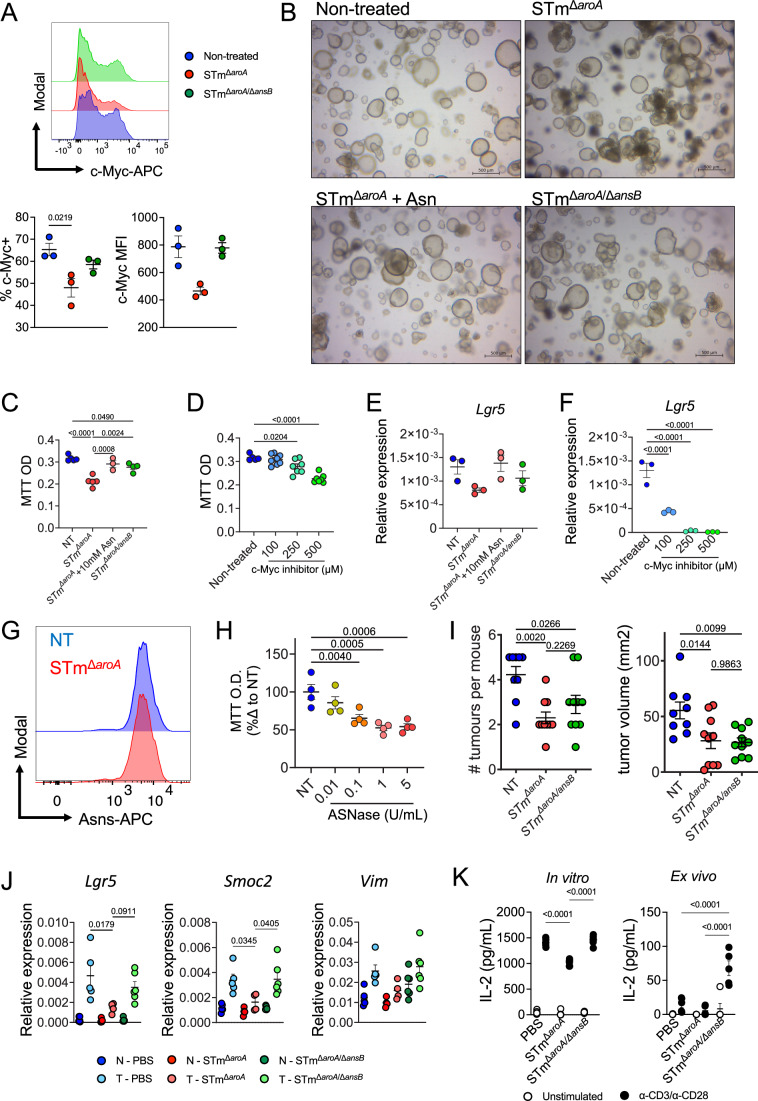
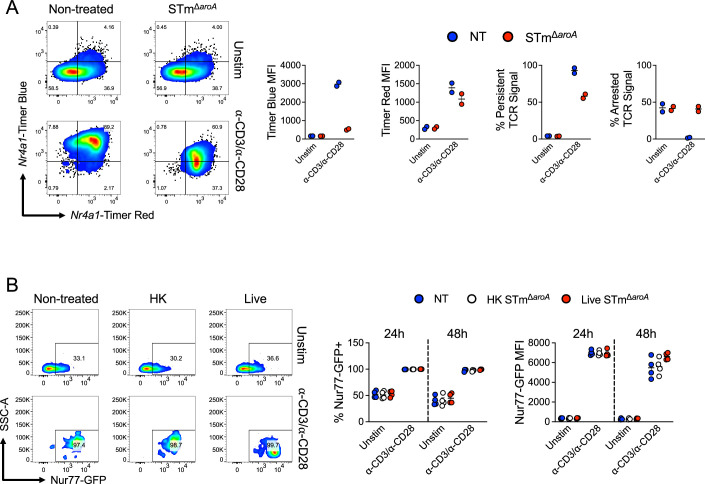
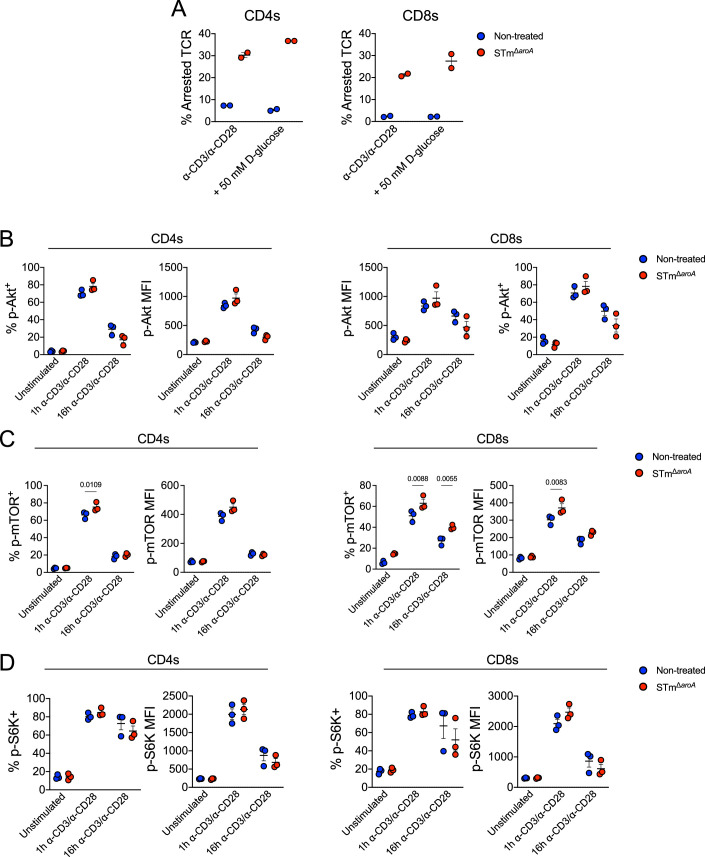
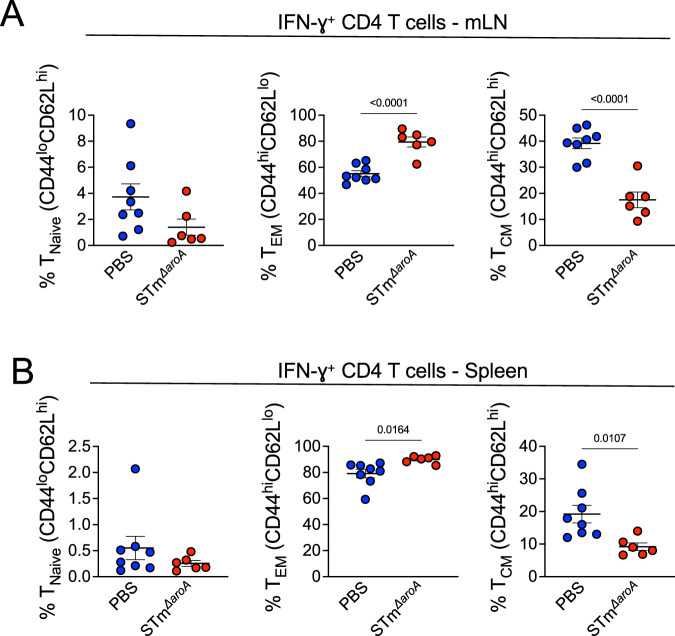
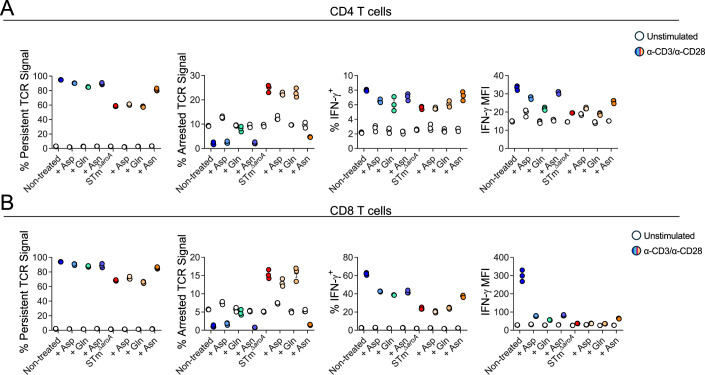
Bacterial cancer therapy (BCT) is a promising therapeutic for solid tumours. Salmonella enterica Typhimurium (STm) is well-studied amongst bacterial vectors due to advantages in genetic modification and metabolic adaptation. A longstanding paradox is the redundancy of T cells for treatment efficacy; instead, STm BCT depends on innate phagocytes for tumour control. Here, we used distal T cell receptor (TCR) and IFNγ reporter mice (Nr4a3-Tocky-Ifnγ-YFP) and a colorectal cancer (CRC) model to interrogate T cell activity during BCT with attenuated STm. We found that colonic tumour infiltrating lymphocytes (TILs) exhibited a variety of activation defects, including IFN-γ production decoupled from TCR signalling, decreased polyfunctionality and reduced central memory (T) formation. Modelling of T-cell-tumour interactions with a tumour organoid platform revealed an intact TCR signalosome, but paralysed metabolic reprogramming due to inhibition of the master metabolic controller, c-Myc. Restoration of c-Myc by deletion of the bacterial asparaginase ansB reinvigorated T cell activation, but at the cost of decreased metabolic control of the tumour by STm. This work shows for the first time that T cells are metabolically defective during BCT, but also that this same phenomenon is inexorably tied to intrinsic tumour suppression by the bacterial vector.
细菌癌症疗法(BCT)是一种很有前景的实体瘤治疗方法。鼠伤寒沙门氏菌(STm)由于在基因改造和代谢适应方面的优势,在细菌载体中得到了深入研究。一个长期存在的矛盾是T细胞对治疗效果的冗余性;相反,STm BCT依赖先天性吞噬细胞来控制肿瘤。在这里,我们使用远端T细胞受体(TCR)和IFNγ报告基因小鼠(Nr4a3-Tocky-Ifnγ-YFP)以及结直肠癌(CRC)模型来研究减毒STm进行BCT期间的T细胞活性。我们发现结肠肿瘤浸润淋巴细胞(TILs)表现出多种激活缺陷,包括与TCR信号传导解耦的IFN-γ产生、多功能性降低和中央记忆(T)形成减少。用肿瘤类器官平台对T细胞与肿瘤相互作用进行建模,发现TCR信号体完整,但由于主要代谢控制器c-Myc的抑制,代谢重编程瘫痪。通过缺失细菌天冬酰胺酶ansB来恢复c-Myc可恢复T细胞激活,但代价是STm对肿瘤的代谢控制降低。这项工作首次表明,在BCT期间T细胞存在代谢缺陷,但同样的现象也与细菌载体的内在肿瘤抑制作用紧密相关。