Hong Haidu, Huang Yuancheng, Yang Zehong, Jiang Xiaotao, Liu Hong
School of Basic Medical Sciences, Guangzhou University of Chinese Medicine, Guangzhou, 510006, Guangdong, China.
Department of Oncology, Dongguan People's Hospital, The Tenth Affiliated Hospital of Southern Medical University, Dongguan, 523000, Guangdong, China.
Discov Oncol. 2024 Nov 20;15(1):684. doi: 10.1007/s12672-024-01579-9.
The purpose of this study was to investigate the significance of pyroptosis-related lncRNAs (PRlncRNA) in predicting prognoses and immune landscapes of patients with gastric adenocarcinoma (STAD).
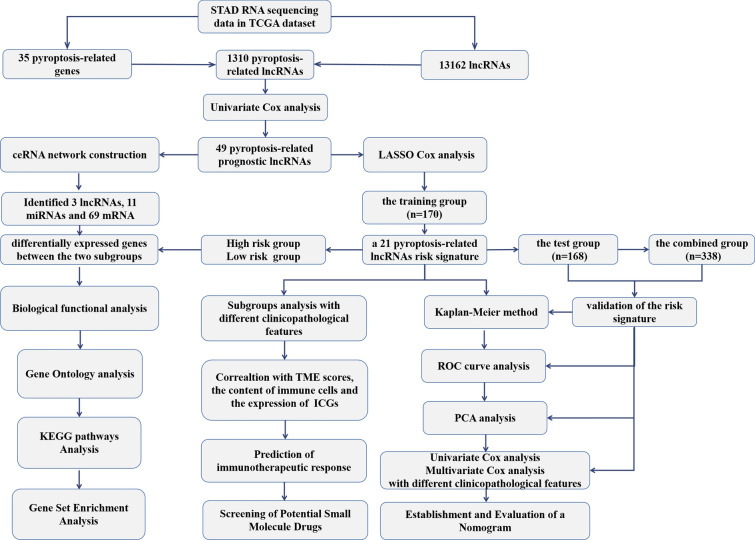
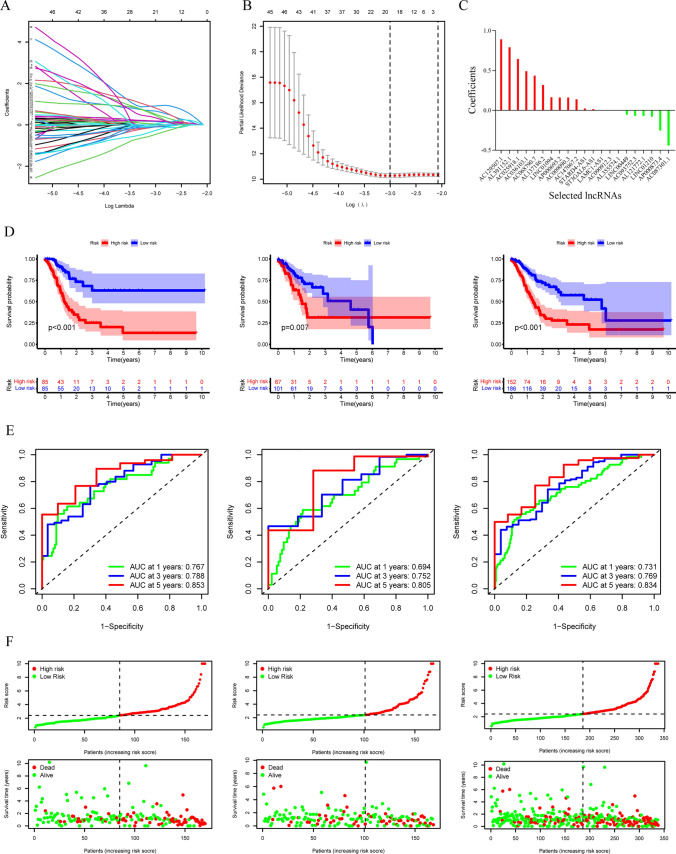
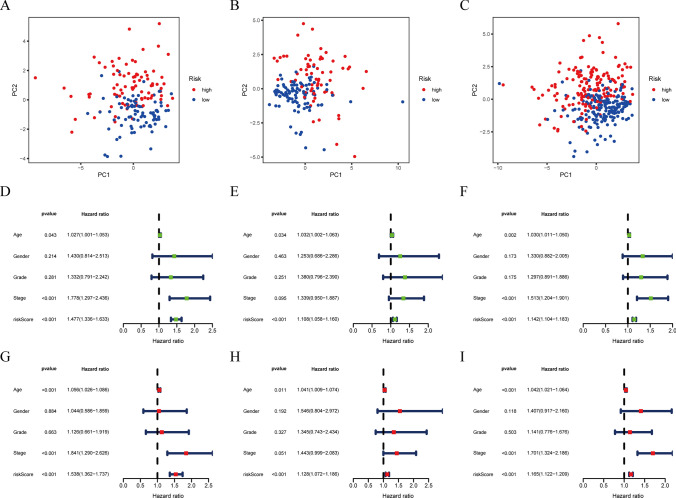
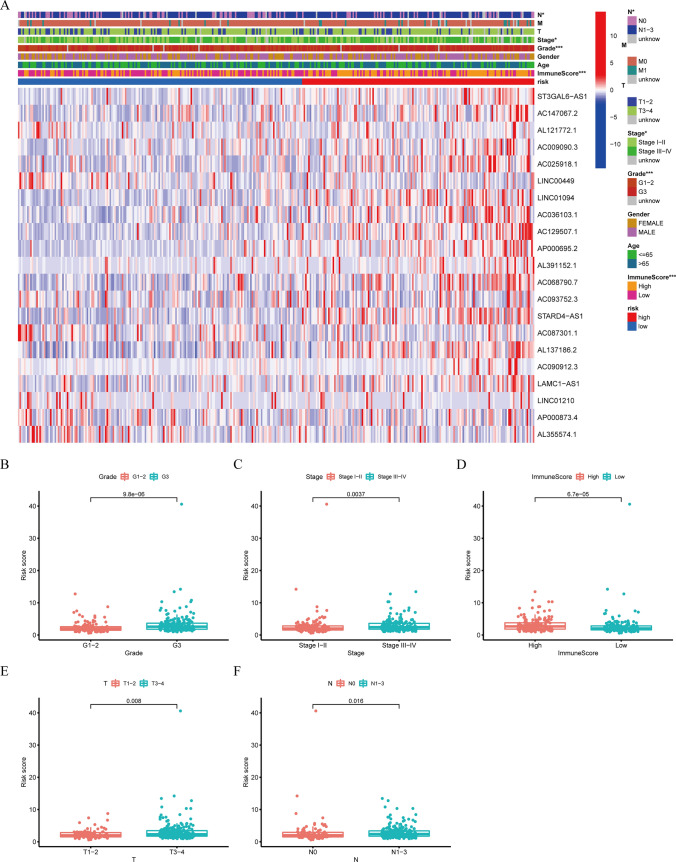
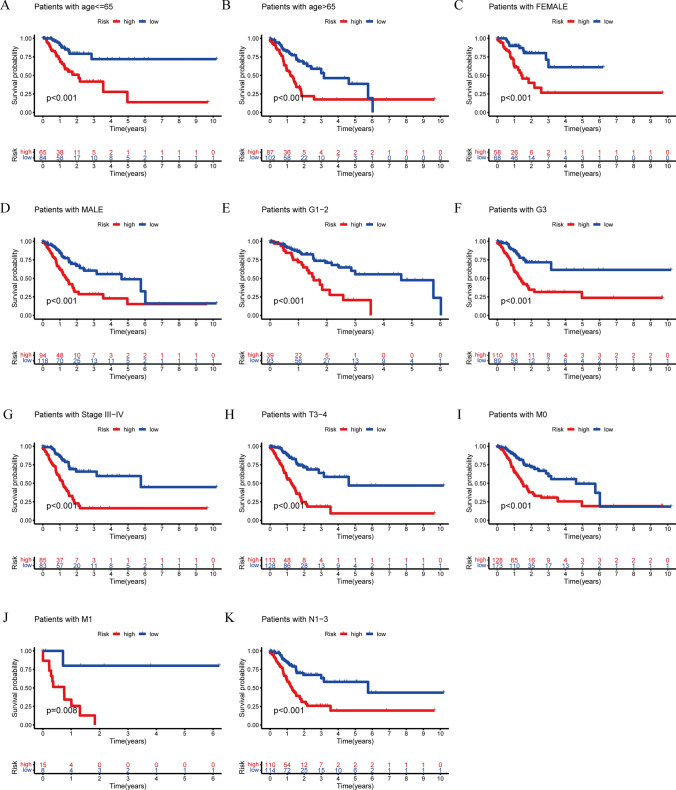
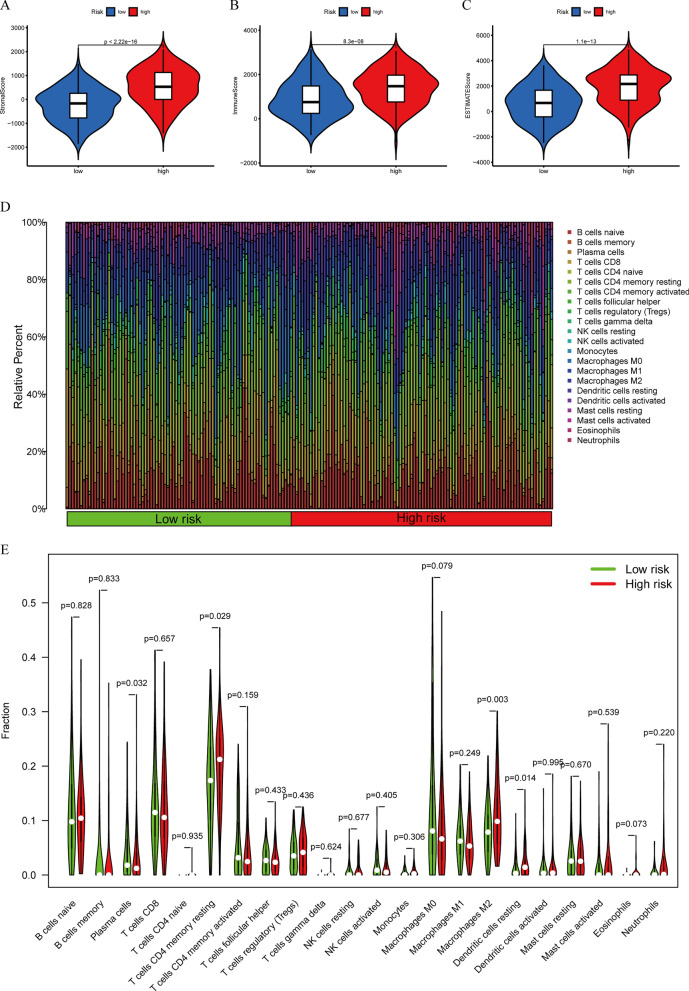
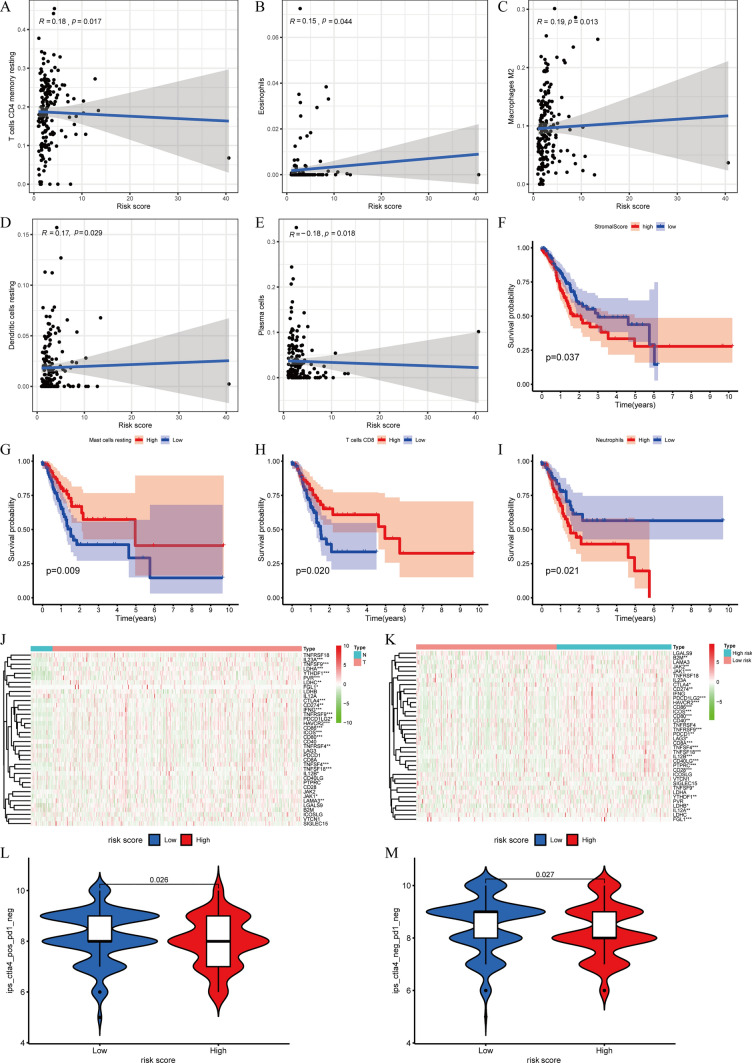
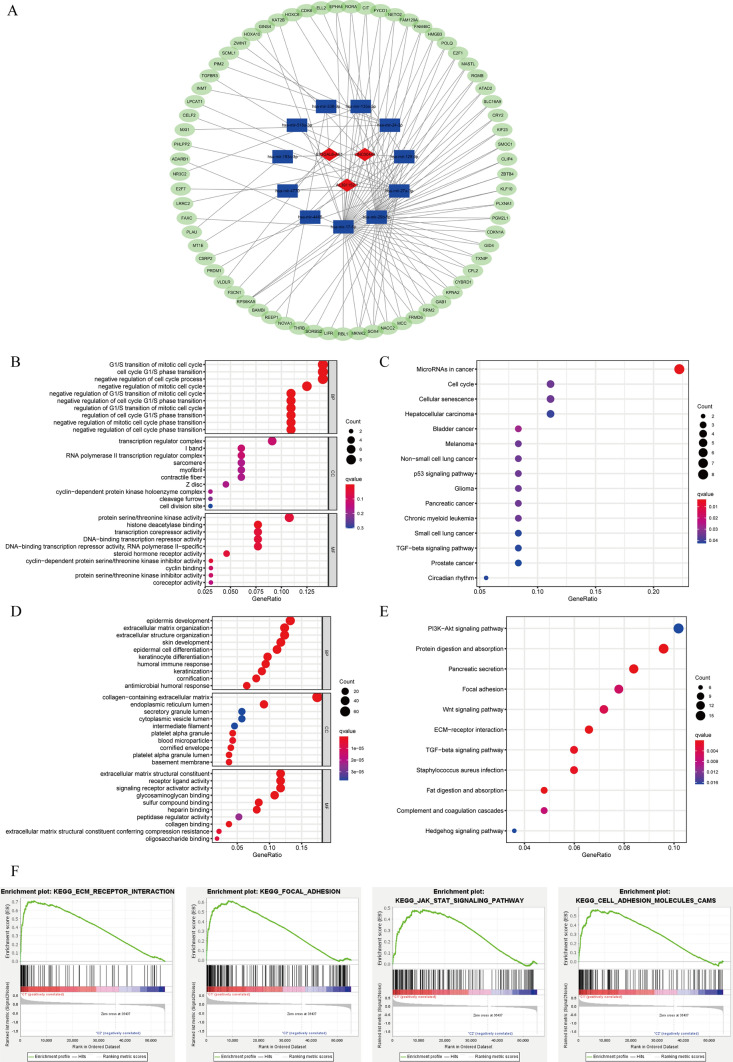
Transcriptomic data and clinicopathological data were obtained from The Cancer Genome Atlas database. Based on correlation analysis and univariate Cox regression, prognostic PRlncRNA were identified. Subsequently, a PRlncRNA prognostic signature (PRLPS) was generated via least absolute shrinkage and selection operator (LASSO) regression, Kaplan-Meier method, receiver operating characteristic (ROC) curves, principal component analysis, and univariate and multivariate regression. Besides, the clinicopathological characteristics, tumor microenvironment (TME) scores, the immune landscapes in different risk subgroups were explored. Moreover, based on three PRlncRNA, we constructed a competing endogenous RNA (ceRNA) network. Additionally, Gene Set Enrichment Analysis (GSEA), Kyoto Encyclopedia of Genes and Genomes pathways (KEGG) and Gene Ontology (GO) analysis were performed for biological functional analysis based on the difference between high- and low- risk groups, which also used to screen out potential STAD drugs.
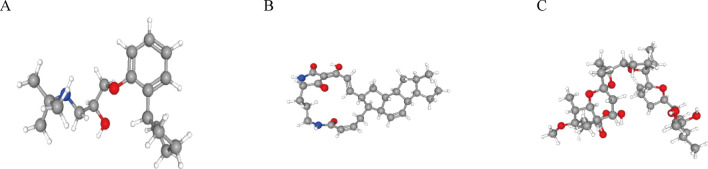
21 PRlncRNA made up the prognostic signature, which had significant value in predicting the overall survival (OS), clinicopathological features, TME, immune checkpoint genes expression, and the response to immune checkpoint inhibitors of patients with STAD. In a addition, we constructed a ceRNA network comprising 3 PRlncRNAs and 69 mRNAs. The function of PRlncRNA was related to cancer-associated pathways. Ten small molecular drugs that might improve the prognosis of patients were screened out by connectivity maps.
Using PRlncRNA as a prognostic indicator for STAD, we identified predictive biomarkers and immunotherapy targets while refreshing our understanding.
本研究旨在探讨焦亡相关长链非编码RNA(PRlncRNA)在预测胃腺癌(STAD)患者预后和免疫格局中的意义。
从癌症基因组图谱数据库获取转录组数据和临床病理数据。基于相关性分析和单变量Cox回归,鉴定出预后PRlncRNA。随后,通过最小绝对收缩和选择算子(LASSO)回归、Kaplan-Meier法、受试者工作特征(ROC)曲线、主成分分析以及单变量和多变量回归生成PRlncRNA预后特征(PRLPS)。此外,还探讨了不同风险亚组的临床病理特征、肿瘤微环境(TME)评分和免疫格局。此外,基于三个PRlncRNA构建了竞争性内源性RNA(ceRNA)网络。另外,基于高风险组和低风险组之间的差异进行基因集富集分析(GSEA)、京都基因与基因组百科全书通路(KEGG)和基因本体(GO)分析以进行生物学功能分析,这也用于筛选潜在的STAD药物。
21个PRlncRNA构成了预后特征,其在预测STAD患者的总生存期(OS)、临床病理特征、TME、免疫检查点基因表达以及对免疫检查点抑制剂的反应方面具有重要价值。此外,构建了一个由3个PRlncRNA和69个mRNA组成的ceRNA网络。PRlncRNA的功能与癌症相关通路有关。通过连通性图谱筛选出了10种可能改善患者预后的小分子药物。
将PRlncRNA用作STAD的预后指标,我们在更新认识的同时鉴定出了预测性生物标志物和免疫治疗靶点。