Department of Orthopedics, The First Affiliated Hospital of China Medical University, Shenyang, China.
Department of General Surgery, Tianjin Union Medical Center, Tianjin, China.
Front Immunol. 2022 Mar 22;13:854785. doi: 10.3389/fimmu.2022.854785. eCollection 2022.
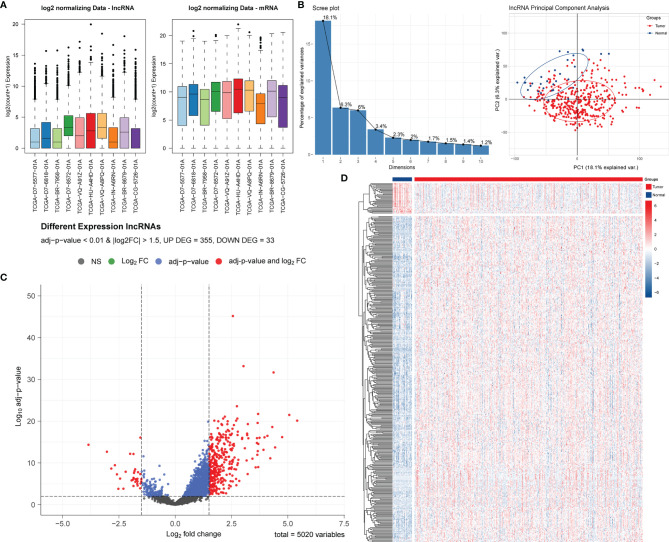
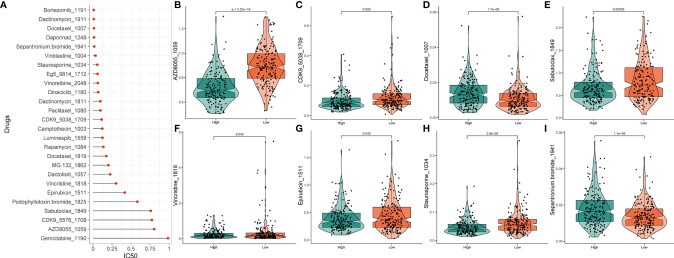
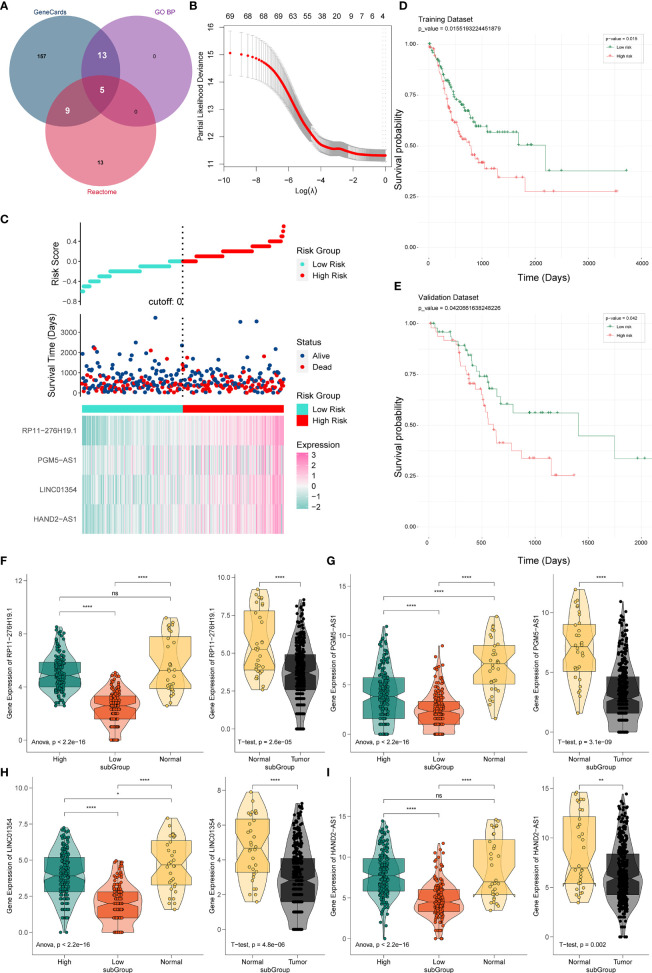
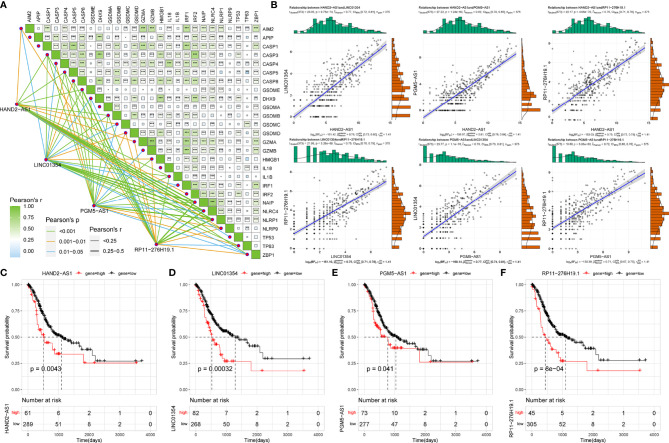
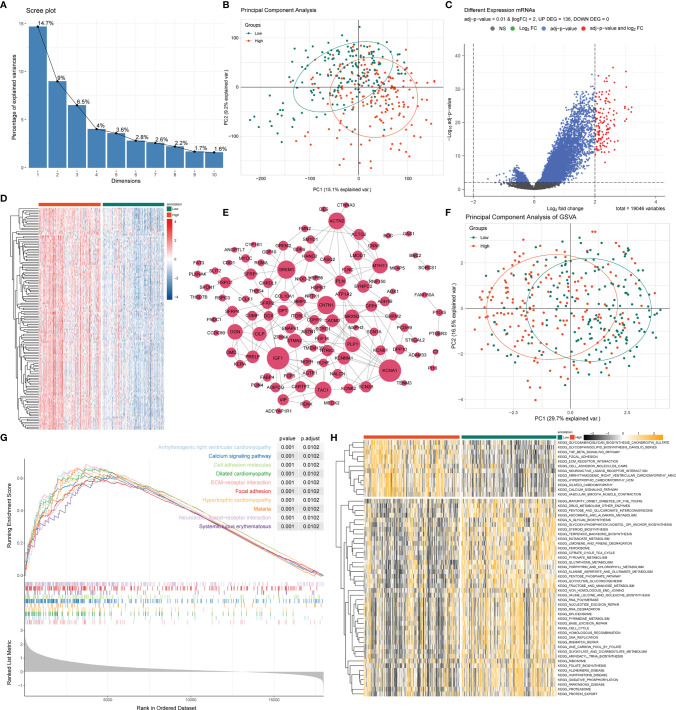
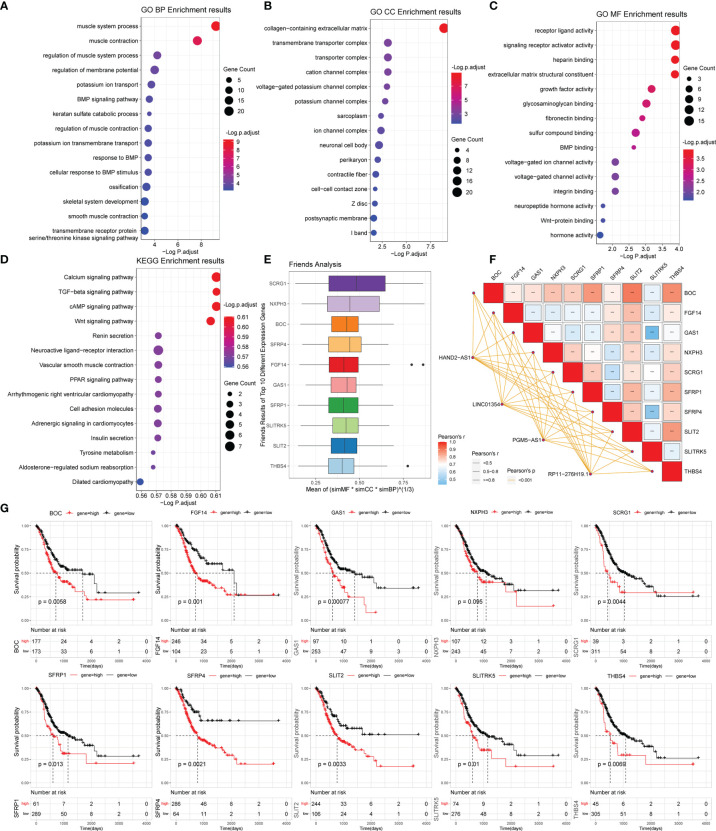
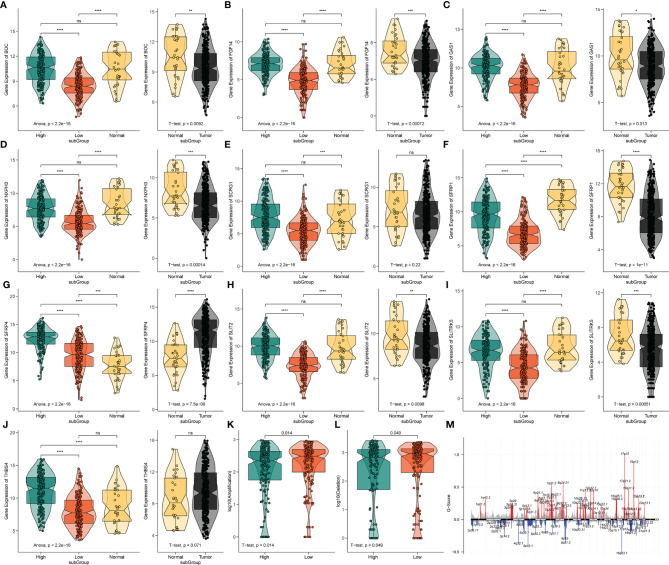
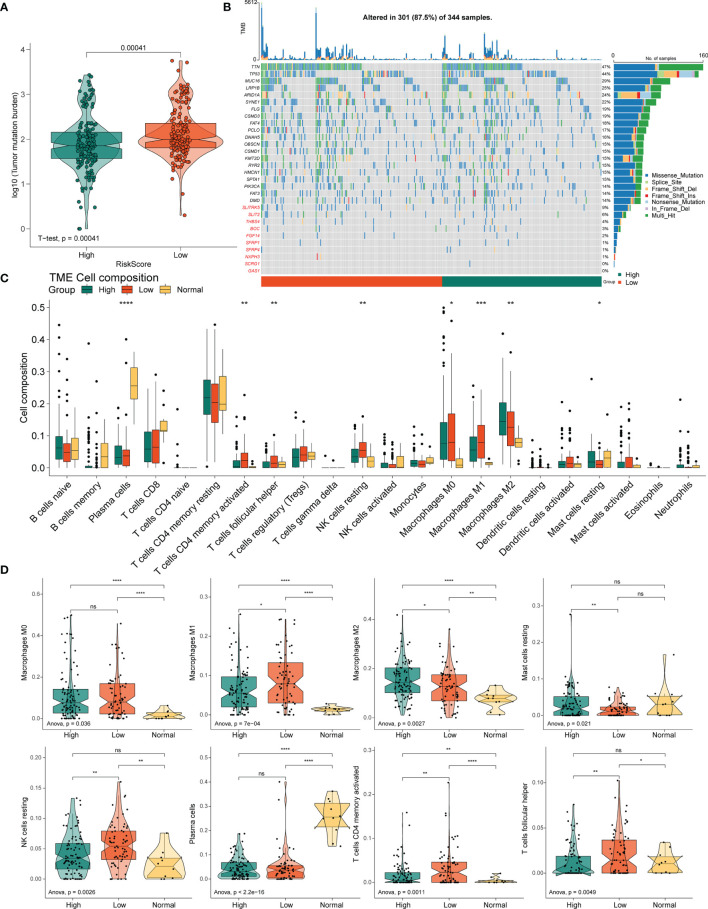
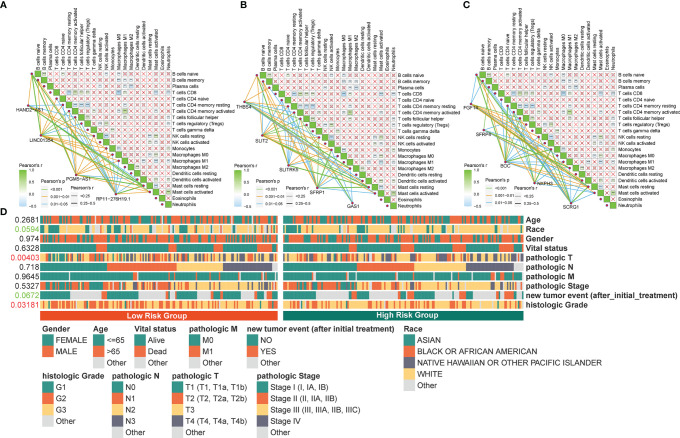
Increasing evidence has demonstrated that pyroptosis, a type of inflammatory programmed cell death, plays an important role in the pathogenesis and progression of gastric cancer. However, it remains unclear whether pyroptosis-related long non-coding RNAs (lncRNAs) can be used to predict the diagnosis and prognosis of gastric adenocarcinoma. This study aimed to evaluate and test the role of the lncRNA signature associated with pyroptosis as a prognostic tool for stomach adenocarcinoma (STAD) and to ascertain their immune value. Relative RNA-sequencing data were extracted from The Cancer Genome Atlas database (TCGA), and data preprocessing was performed for STAD. Pearson correlation analysis was used to determine whether lncRNAs were significantly correlated with pyroptosis based on 23 genes related to pyroptosis. Univariate Cox regression and least absolute shrinkage and selection operator(LASSO) analyses were both adopted to select features and establish the pyroptosis-related lncRNA (PRL) prognostic signature. Kaplan-Meier(KM) survival analysis of the different risk groups was conducted according to the risk scores. We further examined the functional enrichment, tumor microenvironment, and landscape of mutation status among the different risk groups, and these analyses further explained the reasons for the differences in the prediction as well as survival value of the different risk groups. Four lncRNAs, including HAND2-AS1, LINC01354, RP11-276H19.1, and PGM5-AS1, were involved in the PRL signature and used to split STAD patients into two risk groups. Overall survival time(OS) was significantly higher in the low-risk group than in the high-risk group in both the training and validation groups. Functional enrichment analysis was further employed to analyze differentially expressed genes in high- and low-risk groups to identify potential molecular functions and pathways associated with pyroptosis in the gastric cancer microenvironment. Protein-protein interaction (PPI) and Friends analysis identified hub genes that may play a key role in differentially expressed genes in high- and low-risk groups. In addition, there were remarkable discrepancies between the different risk groups in the tumor stage (P < 0.01) and histologic grade (P < 0.05). Furthermore, drug-susceptibility testing indicated potential sensitive chemotherapeutic drugs for each risk group. This study is the first to establish and validate STAD-associated PRLs that can effectively guide the prognosis and the immune microenvironment in STAD patients and provide evidence for the development of molecularly targeted therapies related to pyroptosis.
越来越多的证据表明,细胞焦亡是一种炎症程序性细胞死亡,在胃癌的发病机制和进展中起着重要作用。然而,目前尚不清楚与细胞焦亡相关的长链非编码 RNA(lncRNA)是否可用于预测胃腺癌的诊断和预后。本研究旨在评估和验证与细胞焦亡相关的 lncRNA 特征作为胃腺癌(STAD)预后工具的作用,并确定其免疫价值。从癌症基因组图谱(TCGA)数据库中提取相对 RNA 测序数据,并对 STAD 进行数据预处理。基于 23 个与细胞焦亡相关的基因,采用 Pearson 相关分析来确定 lncRNA 是否与细胞焦亡显著相关。采用单因素 Cox 回归和最小绝对值收缩和选择算子(LASSO)分析均用于选择特征并建立与细胞焦亡相关的 lncRNA(PRL)预后特征。根据风险评分对不同风险组进行 Kaplan-Meier(KM)生存分析。我们进一步检查了不同风险组之间的功能富集、肿瘤微环境和突变状态景观,这些分析进一步解释了不同风险组预测和生存价值差异的原因。四个 lncRNA,包括 HAND2-AS1、LINC01354、RP11-276H19.1 和 PGM5-AS1,参与了 PRL 特征,并用于将 STAD 患者分为两个风险组。在训练和验证组中,低风险组的总生存时间(OS)明显高于高风险组。进一步进行功能富集分析,以分析高低风险组中差异表达基因,以鉴定与胃癌微环境中细胞焦亡相关的潜在分子功能和途径。蛋白质-蛋白质相互作用(PPI)和 Friends 分析确定了可能在高低风险组中差异表达基因中发挥关键作用的枢纽基因。此外,不同风险组之间在肿瘤分期(P<0.01)和组织学分级(P<0.05)方面存在显著差异。此外,药物敏感性测试表明每个风险组都有潜在的敏感化疗药物。本研究首次建立和验证了与 STAD 相关的 PRLs,这些 PRLs可有效指导 STAD 患者的预后和免疫微环境,并为与细胞焦亡相关的分子靶向治疗的发展提供证据。