Department of Orthopaedics, The Second Affiliated Hospital and Yuying Children's Hospital of Wenzhou Medical University, Wenzhou, Zhejiang Province, China.
Zhejiang Provincial Key Laboratory of Orthopedics, Wenzhou, Zhejiang Province, China.
J Nanobiotechnology. 2024 Nov 21;22(1):725. doi: 10.1186/s12951-024-02950-2.
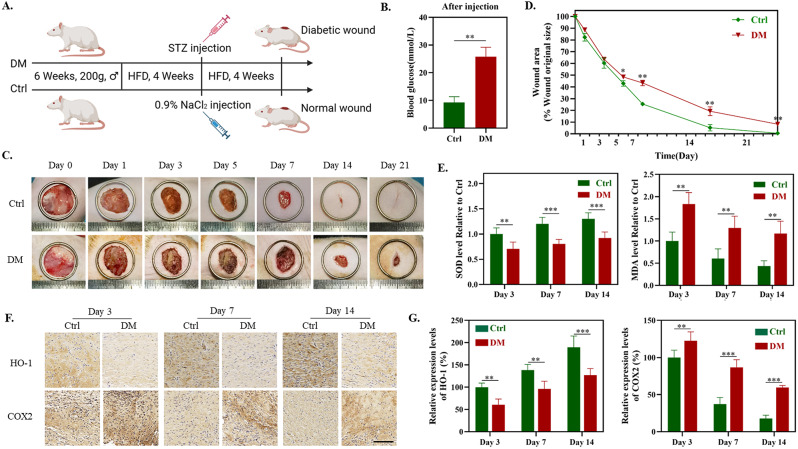
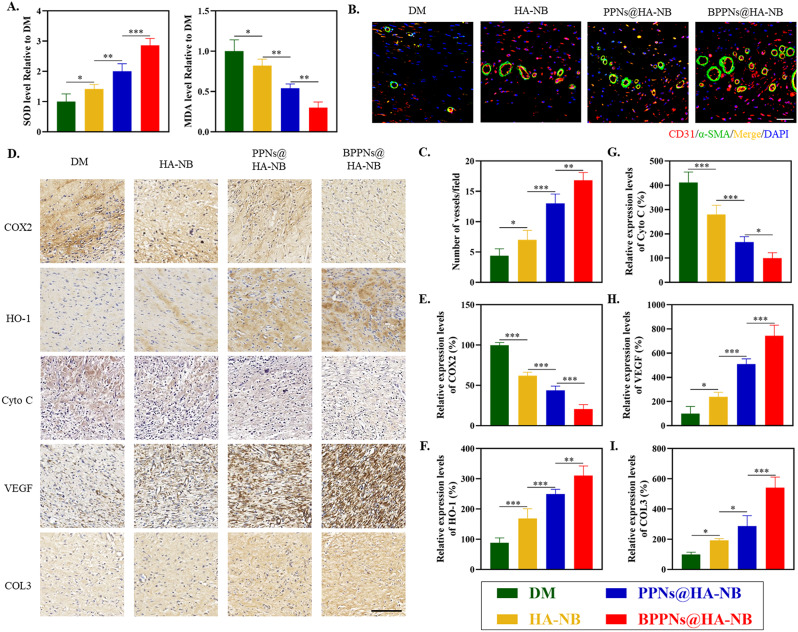
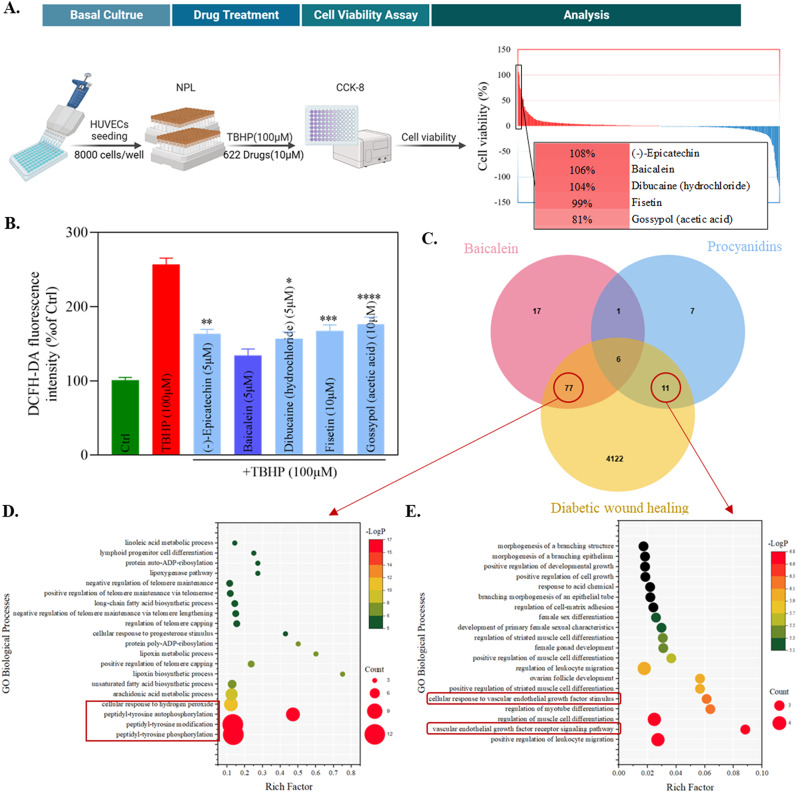
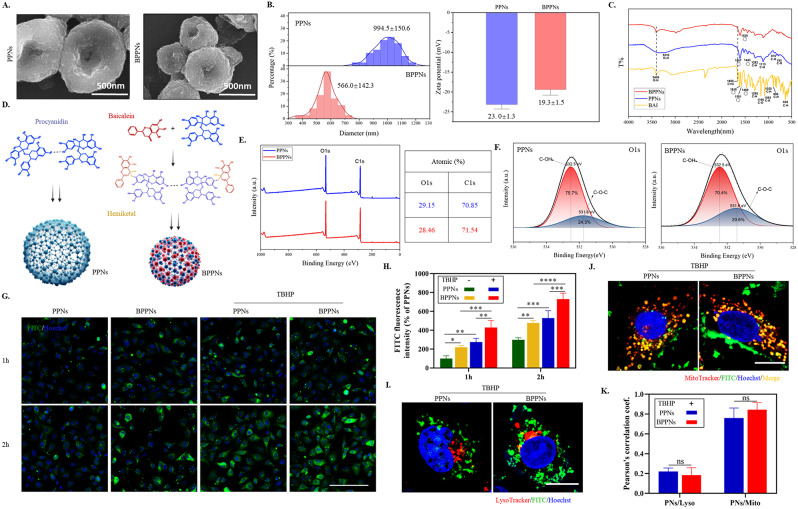
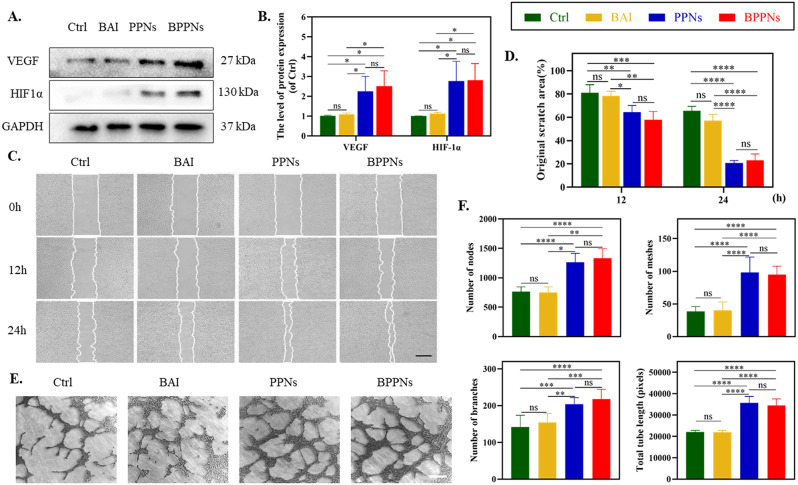
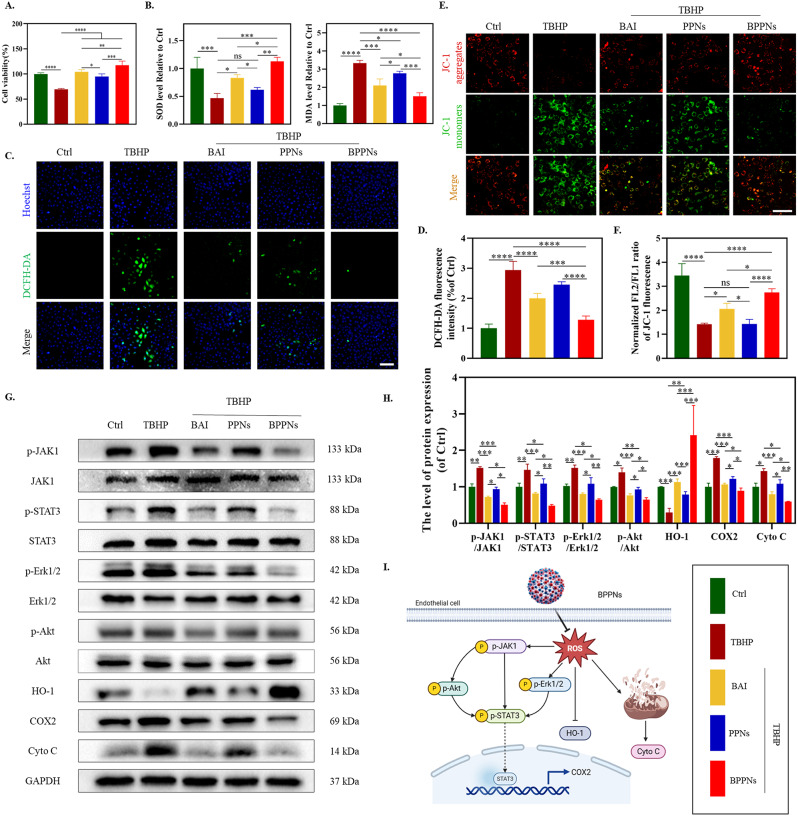
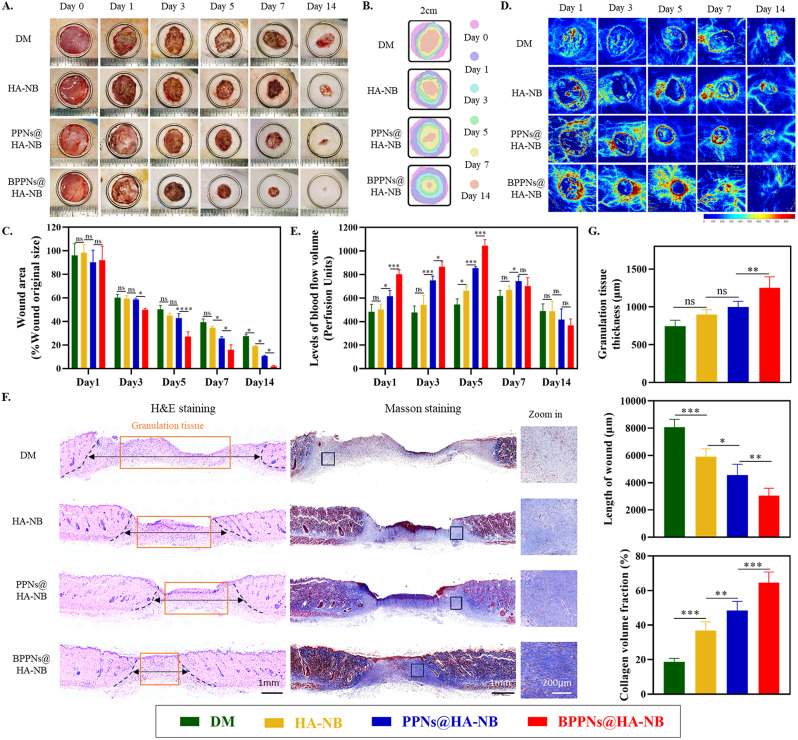
Oxidative stress is a major pathological factor that impedes the diabetic wound healing process. Procyanidins (PC) form nanoparticle-vesicles (PPNs) through hydrogen bonding and exhibit good drug delivery capability; however, their application in diabetic wounds is unsatisfactory. To meet the antioxidant needs for treating, high-throughput screening in the natural product library (NPL) under in vitro oxidative stress conditions was conducted to enhance the antioxidant activity of PPNs. HUVECs treated with tert-Butyl Hydroperoxide (TBHP) were established as screening model in vitro. Baicalein (BAI) was identified from over 600 products in the library as the most effective one to combat oxidative stress. Further study showed that PC and BAI may react in equal proportions to synthesize new vesicles, named BAI-PC Polyphenolic nanovesicles (BPPNs), which possess reactive oxygen species (ROS) responsive and antioxidant effects. Network pharmacology indicated that in diabetic wounds, the target genes of PC are mainly enriched in the vascular endothelial growth factor (VEGF)-related pathways, while BAI primarily regulates tyrosine phosphorylation. The complementarity between the two has been validated in both in vitro and in vivo experiments. In summary, the antioxidant drug BAI, identified through high-throughput screening of NPL, could optimize the biological function of PPNs; the newly-synthesized BPPNs may accelerate diabetic wound healing through dual mechanisms of promoting angiogenesis and combating oxidative stress.
氧化应激是阻碍糖尿病伤口愈合过程的主要病理因素。原花青素(PC)通过氢键形成纳米囊泡(PPN),具有良好的药物传递能力;然而,它们在糖尿病伤口中的应用并不令人满意。为了满足治疗的抗氧化需求,在体外氧化应激条件下对天然产物库(NPL)进行高通量筛选,以提高 PPN 的抗氧化活性。用叔丁基过氧化氢(TBHP)处理的人脐静脉内皮细胞(HUVEC)被建立为体外筛选模型。从库中超过 600 种产品中鉴定出黄芩素(BAI)是对抗氧化应激最有效的一种。进一步的研究表明,PC 和 BAI 可能以相等的比例反应合成新的囊泡,命名为 BAI-PC 多酚纳米囊泡(BPPN),具有活性氧(ROS)响应和抗氧化作用。网络药理学表明,在糖尿病伤口中,PC 的靶基因主要富集在血管内皮生长因子(VEGF)相关途径中,而 BAI 主要调节酪氨酸磷酸化。两者之间的互补性在体内外实验中都得到了验证。综上所述,通过 NPL 的高通量筛选鉴定出的抗氧化药物 BAI 可以优化 PPN 的生物学功能;新合成的 BPPN 可能通过促进血管生成和对抗氧化应激的双重机制加速糖尿病伤口愈合。