Department of Gastroenterology, Hepatology, Infectious Diseases and Endocrinology, Hannover Medical School (MHH) OE 6810, Carl-Neuberg-Straße 1, 30625, Hannover, Germany.
Centre for Individualised Infection Medicine (CiiM), A Joint Venture Between Helmholtz-Centre for Infection Research and Hannover Medical School, Feodor-Lynen-Straße 11, 30625, Hannover, Germany.
Sci Rep. 2024 Nov 22;14(1):29013. doi: 10.1038/s41598-024-79909-8.
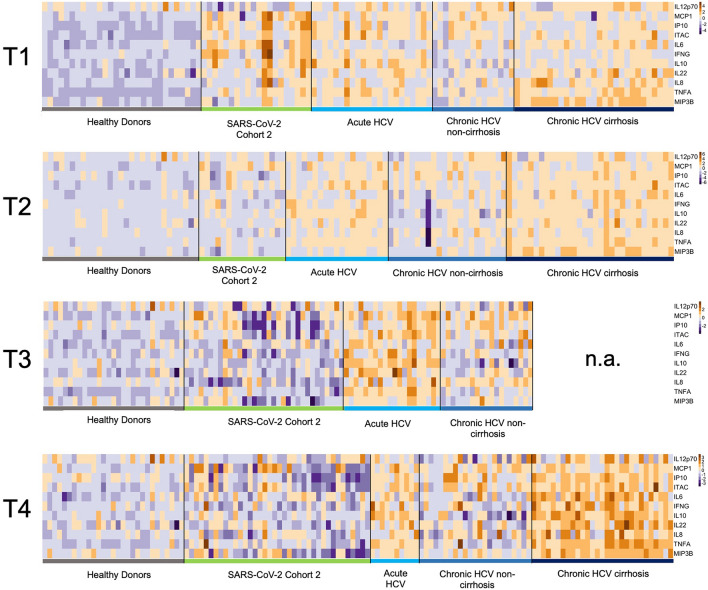
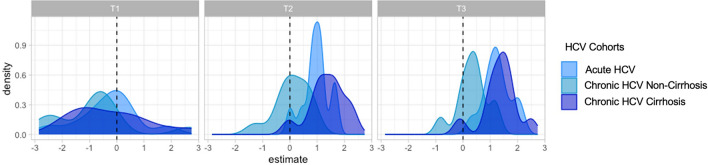
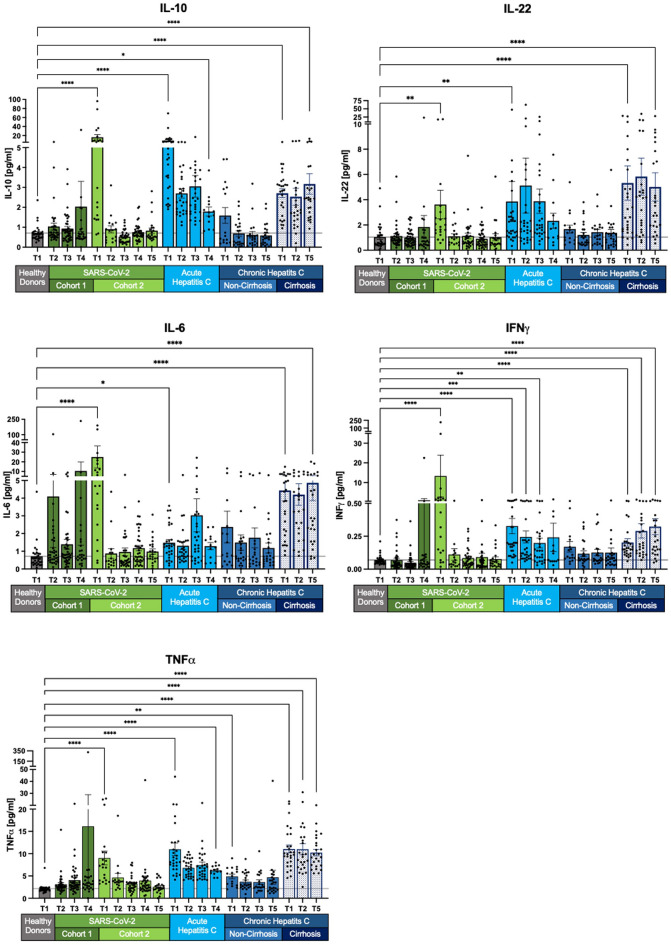
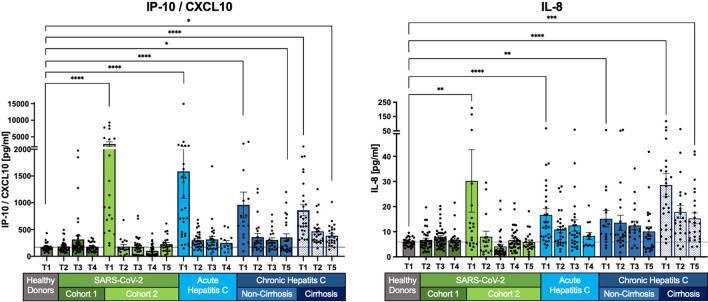
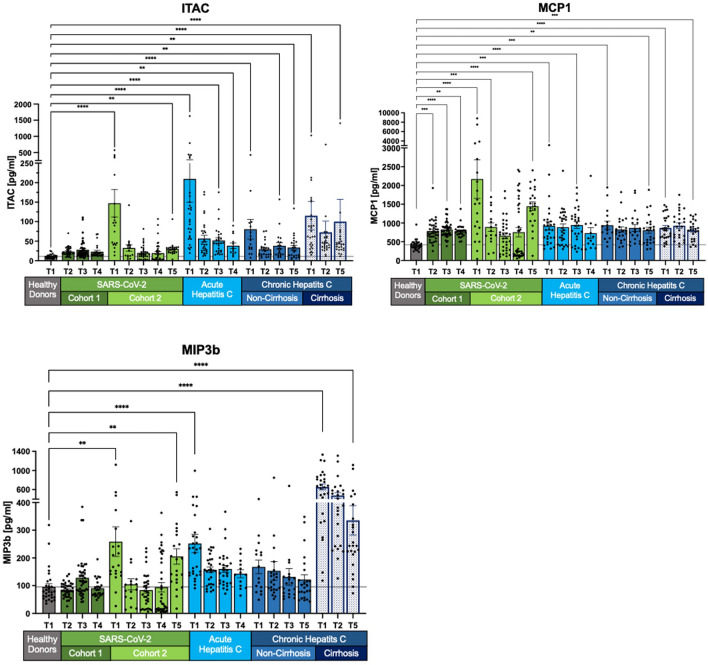
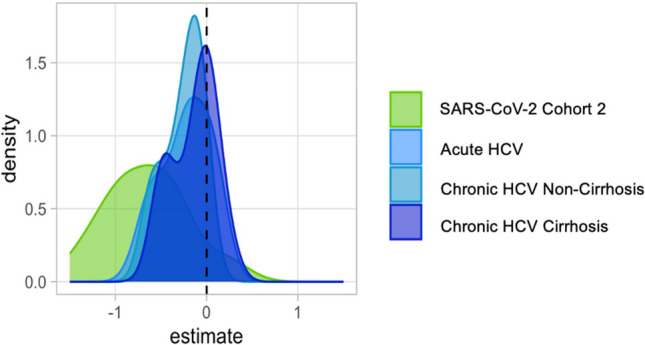
Viral infections can be acute or chronic, with the immune system pivotal in immunopathogenesis. The potential reversibility of inflammation post-viral elimination is of current interest. This study compares the dynamics of soluble inflammatory mediators (SIM) during and after respiratory infections with SARS-CoV-2 and blood-borne acute and chronic hepatitis C virus (HCV) infections. The study included patients with acute HCV (n = 29), chronic HCV (n = 54), and SARS-CoV-2 (n = 39 longitudinal, n = 103 cross-sectional), along with 30 healthy controls. Blood samples were collected at baseline, end of treatment/infection, and during follow-up (up to 9 months). SIMs were quantified using the HD-SP-X Imaging and Analysis System™. At baseline, SIM profiles in acute SARS-CoV-2 and HCV infections were significantly elevated compared with controls. During follow-up, SIM decline was less pronounced in acute and chronic HCV infections after successful therapy than in SARS-CoV-2 infections. Most SIM in the SARS-CoV-2 cohort normalized within 3 months. In chronic HCV, SIM were higher in cirrhotic than noncirrhotic patients post-HCV elimination. Dynamics of SIM after viral elimination vary between blood-borne acute and chronic HCV infections and respiratory SARS-CoV-2 infections. Immunological imprints 3-9 months after HCV elimination appear more pronounced than after SARS-CoV-2 infection.
病毒感染可分为急性或慢性,免疫系统在免疫发病机制中起着关键作用。目前人们对病毒消除后炎症的潜在可逆性很感兴趣。本研究比较了 SARS-CoV-2 呼吸道感染以及血源性急性和慢性丙型肝炎病毒(HCV)感染期间和之后可溶性炎症介质(SIM)的动态变化。研究纳入了急性 HCV(n=29)、慢性 HCV(n=54)和 SARS-CoV-2(n=39 例纵向,n=103 例横断面)患者以及 30 名健康对照者。在基线、治疗/感染结束时和随访期间(最长 9 个月)采集血样。使用 HD-SP-X 成像和分析系统™定量测定 SIM。在基线时,急性 SARS-CoV-2 和 HCV 感染患者的 SIM 谱与对照组相比明显升高。在随访期间,成功治疗后急性和慢性 HCV 感染后 SIM 下降程度低于 SARS-CoV-2 感染。大多数 SARS-CoV-2 队列中的 SIM 在 3 个月内恢复正常。在慢性 HCV 中,HCV 消除后肝硬化患者的 SIM 高于非肝硬化患者。病毒消除后 SIM 的动态变化在血源性急性和慢性 HCV 感染以及呼吸道 SARS-CoV-2 感染之间存在差异。HCV 消除后 3-9 个月的免疫印迹似乎比 SARS-CoV-2 感染后更明显。