Neurodegenerative Diseases Group, Department of Neurology and Neurosurgery, McGill Parkinson Program, Montreal Neurological Institute-Hospital, McGill University, Montreal, Québec, Canada.
Department of Neurology and Neurosurgery, McGill University, Montréal, Canada.
Mol Neurodegener. 2024 Nov 25;19(1):88. doi: 10.1186/s13024-024-00779-9.
Variants in the CTSB gene encoding the lysosomal hydrolase cathepsin B (catB) are associated with increased risk of Parkinson's disease (PD). However, neither the specific CTSB variants driving these associations nor the functional pathways that link catB to PD pathogenesis have been characterized. CatB activity contributes to lysosomal protein degradation and regulates signaling processes involved in autophagy and lysosome biogenesis. Previous in vitro studies have found that catB can cleave monomeric and fibrillar alpha-synuclein, a key protein involved in the pathogenesis of PD that accumulates in the brains of PD patients. However, truncated synuclein isoforms generated by catB cleavage have an increased propensity to aggregate. Thus, catB activity could potentially contribute to lysosomal degradation and clearance of pathogenic alpha synuclein from the cell, but also has the potential of enhancing synuclein pathology by generating aggregation-prone truncations. Therefore, the mechanisms linking catB to PD pathophysiology remain to be clarified.
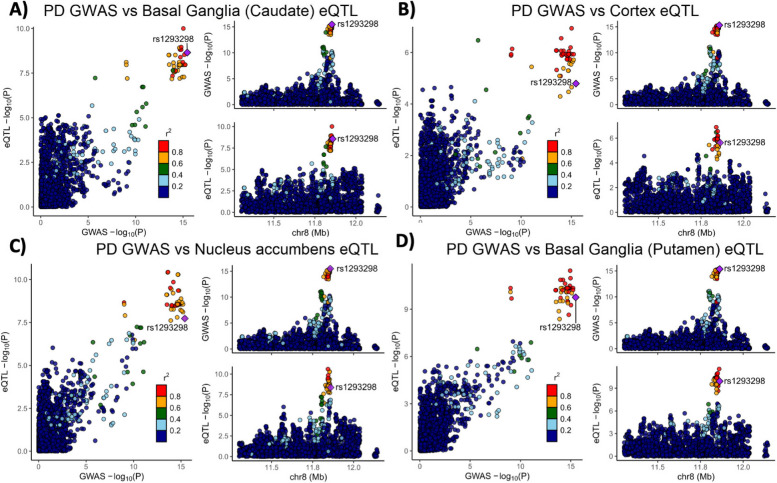
Here, we conducted genetic analyses of the association between common and rare CTSB variants and risk of PD. We then used genetic and pharmacological approaches to manipulate catB expression and function in cell lines, induced pluripotent stem cell-derived dopaminergic neurons and midbrain organoids and assessed lysosomal activity and the handling of aggregated synuclein fibrils.
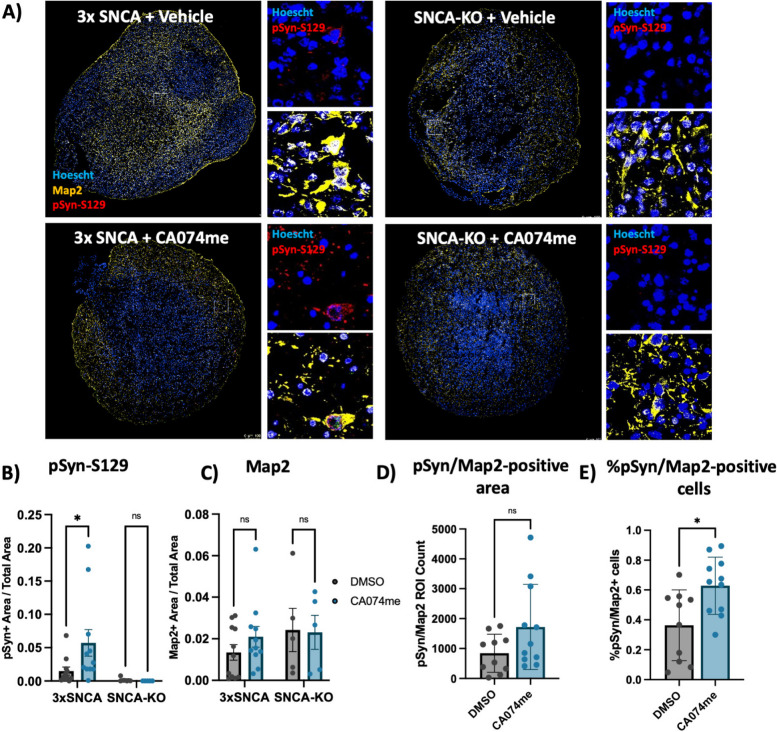
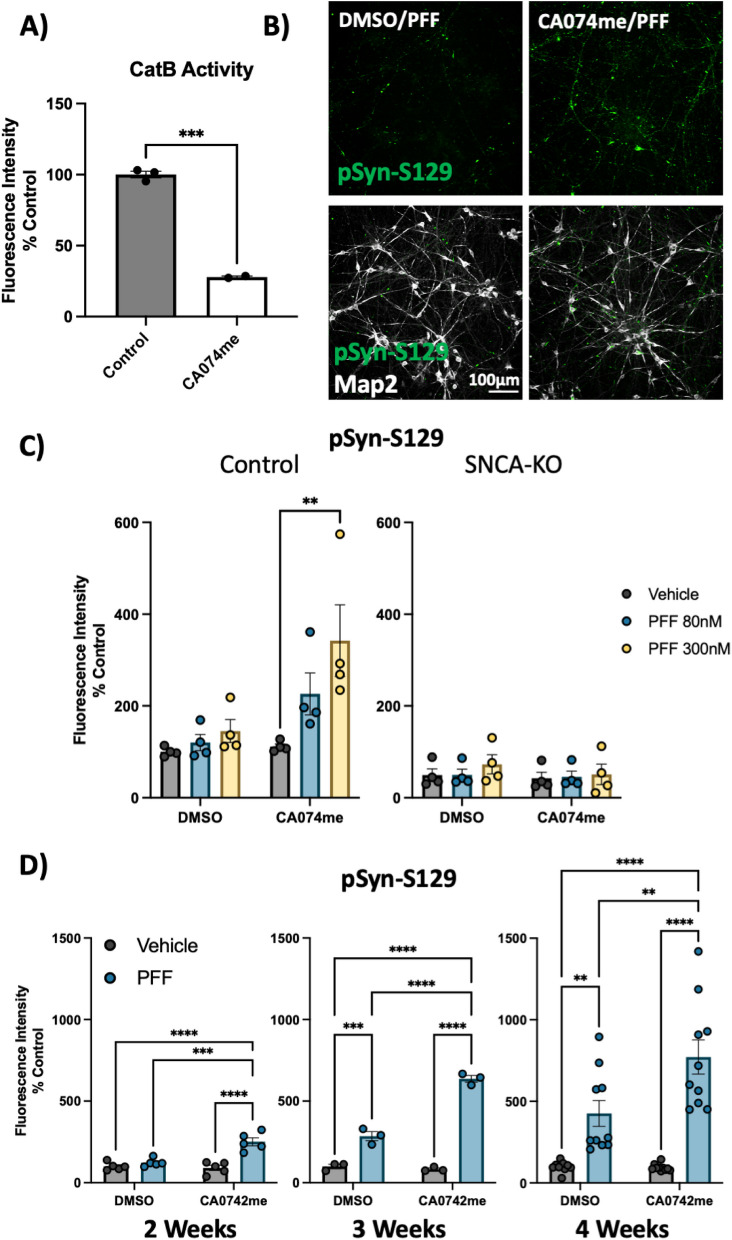
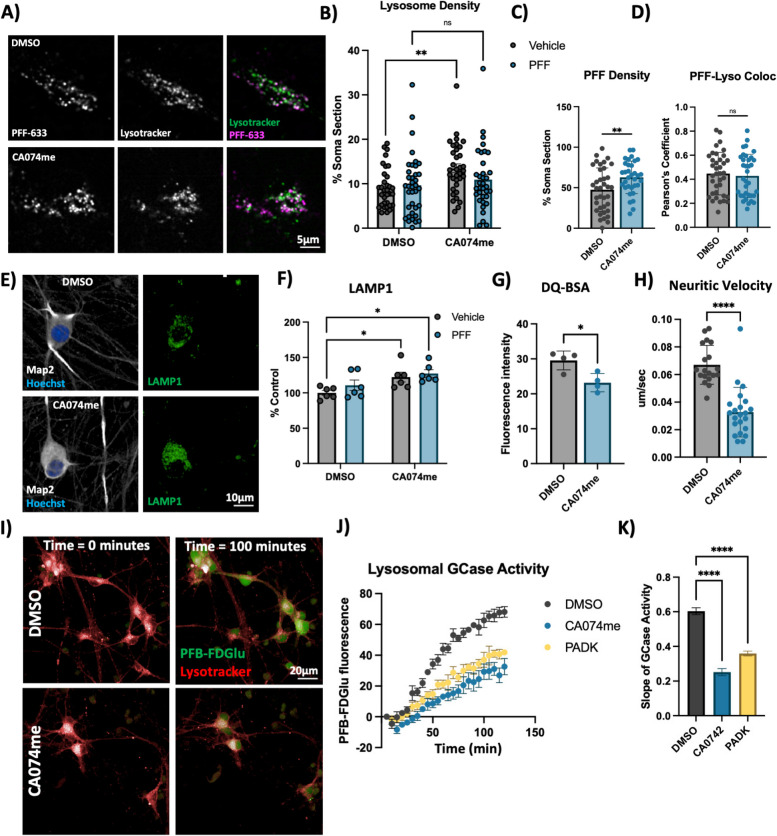
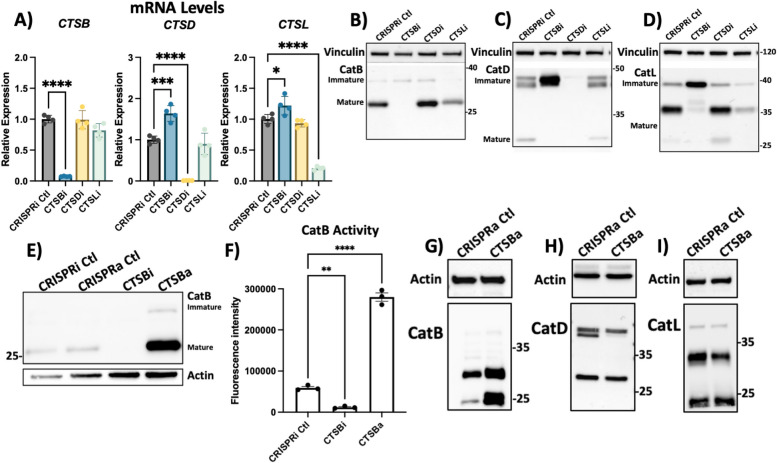
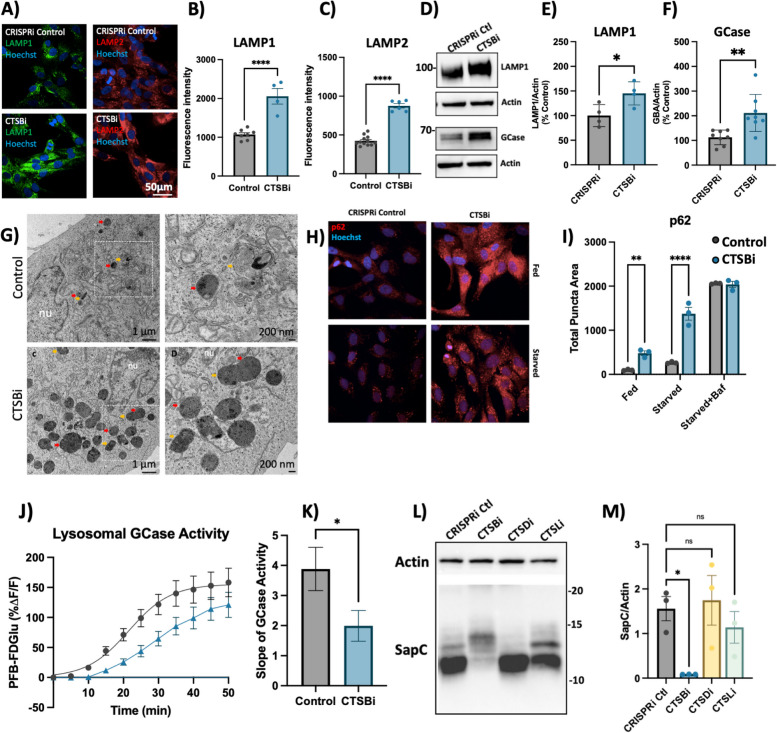
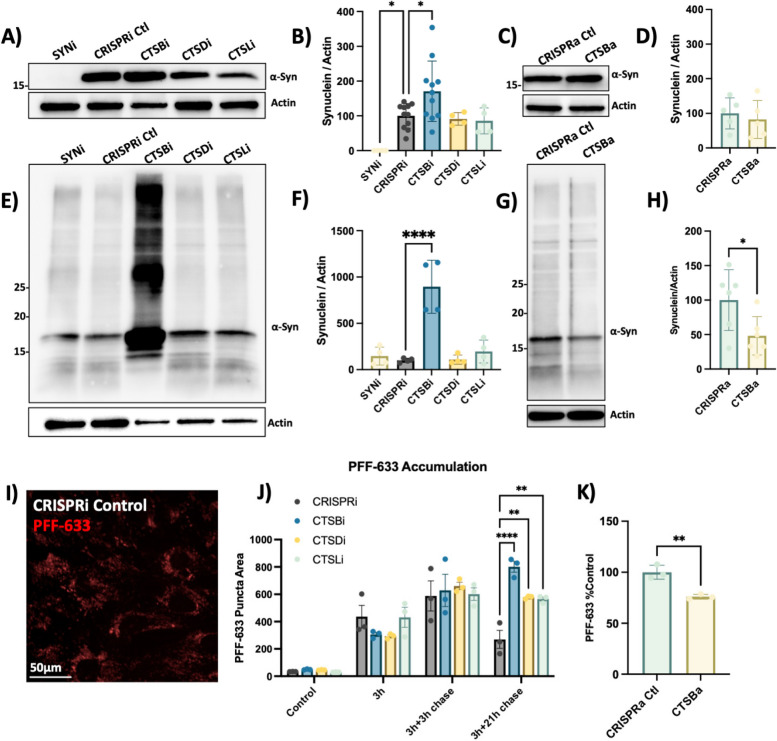
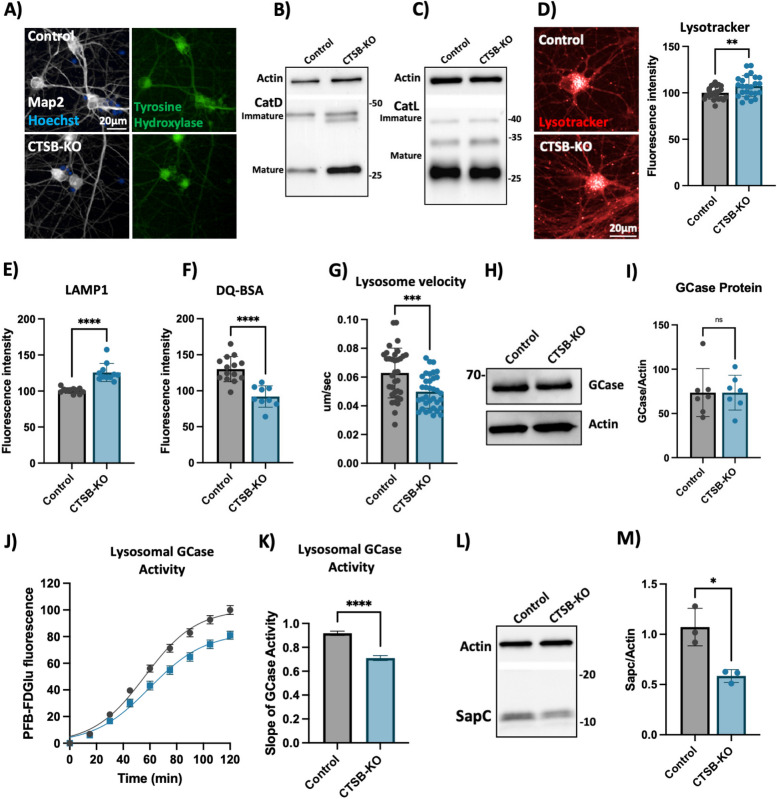
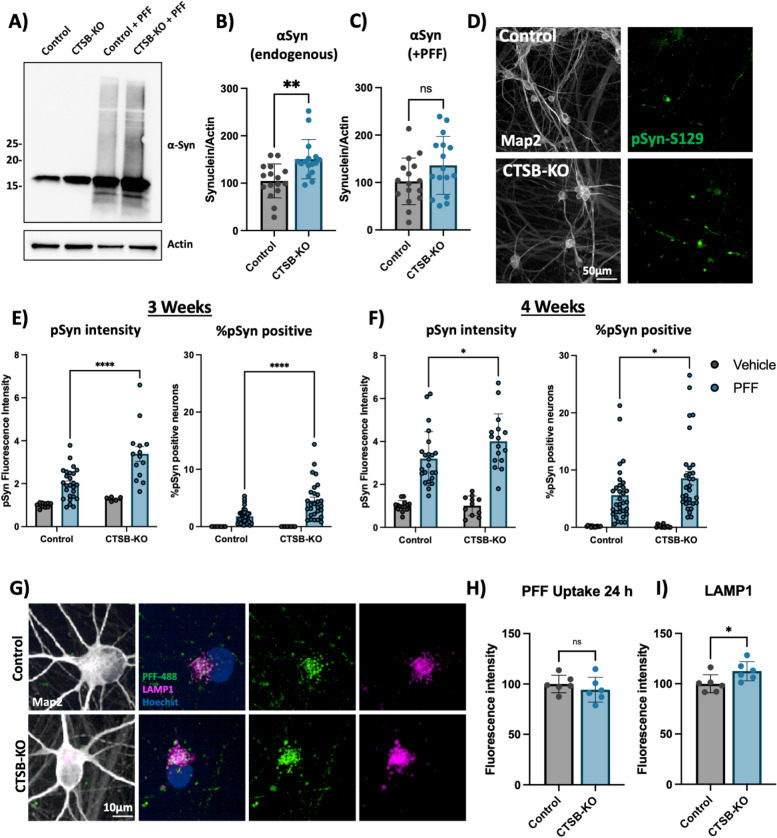
We find that catB inhibition impairs autophagy, reduces glucocerebrosidase (encoded by GBA1) activity, and leads to an accumulation of lysosomal content. In cell lines, reduction of CTSB gene expression impairs the degradation of pre-formed alpha-synuclein fibrils, whereas CTSB gene activation enhances fibril clearance. In midbrain organoids and dopaminergic neurons treated with alpha-synuclein fibrils, catB inhibition potentiates the formation of inclusions which stain positively for phosphorylated alpha-synuclein.
These results indicate that the reduction of catB function negatively impacts lysosomal pathways associated with PD pathogenesis, while conversely catB activation could promote the clearance of pathogenic alpha-synuclein.
编码溶酶体水解酶组织蛋白酶 B (catB) 的 CTSB 基因变异与帕金森病 (PD) 的风险增加有关。然而,驱动这些关联的特定 CTSB 变体以及将 catB 与 PD 发病机制联系起来的功能途径尚未得到表征。CatB 活性有助于溶酶体蛋白降解,并调节自噬和溶酶体发生涉及的信号过程。先前的体外研究发现,catB 可以切割单体和纤维状的α-突触核蛋白,α-突触核蛋白是 PD 发病机制中的关键蛋白,在 PD 患者的大脑中积累。然而,catB 切割产生的截断突触核蛋白同工型更容易聚集。因此,catB 活性可能有助于溶酶体降解和从细胞中清除致病性的α-突触核蛋白,但通过产生易于聚集的截断也有可能增强突触核蛋白病理学。因此,将 catB 与 PD 病理生理学联系起来的机制仍有待阐明。
在这里,我们对常见和罕见 CTSB 变体与 PD 风险之间的关联进行了遗传分析。然后,我们使用遗传和药理学方法在细胞系、诱导多能干细胞衍生的多巴胺能神经元和中脑类器官中操纵 catB 的表达和功能,并评估溶酶体活性和聚集的突触核蛋白纤维的处理。
我们发现 catB 抑制会损害自噬,降低葡萄糖脑苷脂酶 (由 GBA1 编码) 的活性,并导致溶酶体内容物的积累。在细胞系中,降低 CTSB 基因表达会损害预先形成的α-突触核蛋白纤维的降解,而 CTSB 基因激活则增强纤维清除。在用α-突触核蛋白纤维处理的中脑类器官和多巴胺能神经元中,catB 抑制会增强包含磷酸化α-突触核蛋白的阳性物质的形成。
这些结果表明,catB 功能的降低会对与 PD 发病机制相关的溶酶体途径产生负面影响,而相反,catB 激活可能会促进致病性α-突触核蛋白的清除。