Chen Zheng, Liao Yang, Chai Shatuo, Yang Yingkui, Ga Qin, Ge Rili, Wang Shuxiang, Liu Shujie
Ministry of Agriculture and Rural Affairs Key Laboratory of Animal Nutrition and Forage-Feed of Grazing Yak and Tibetan Sheep in Qinghai-Tibetan Plateau, Key Laboratory of Plateau Grazing Animal Nutrition and Feed Science of Qinghai Province, Yak Engineering Technology Research Center of Qinghai Province, Qinghai Academy of Animal Husbandry and Veterinary Sciences, Qinghai University, Xining 810016, China.
Research Center for High Altitude Medicine, Qinghai University, Xining 810001, China.
Curr Issues Mol Biol. 2024 Nov 10;46(11):12733-12745. doi: 10.3390/cimb46110756.
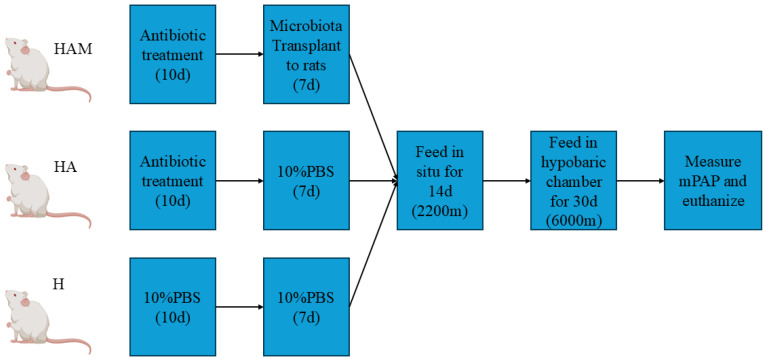
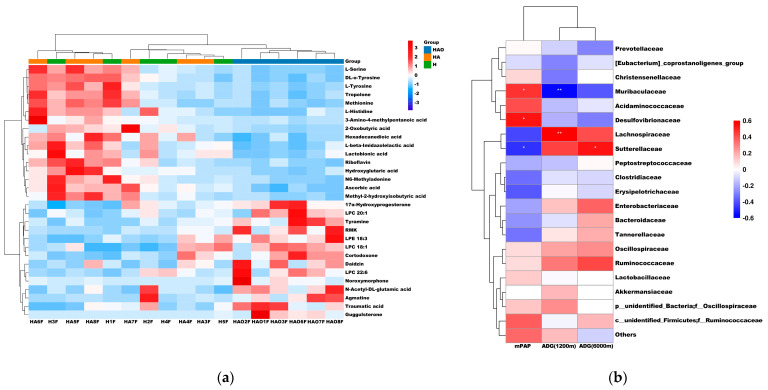
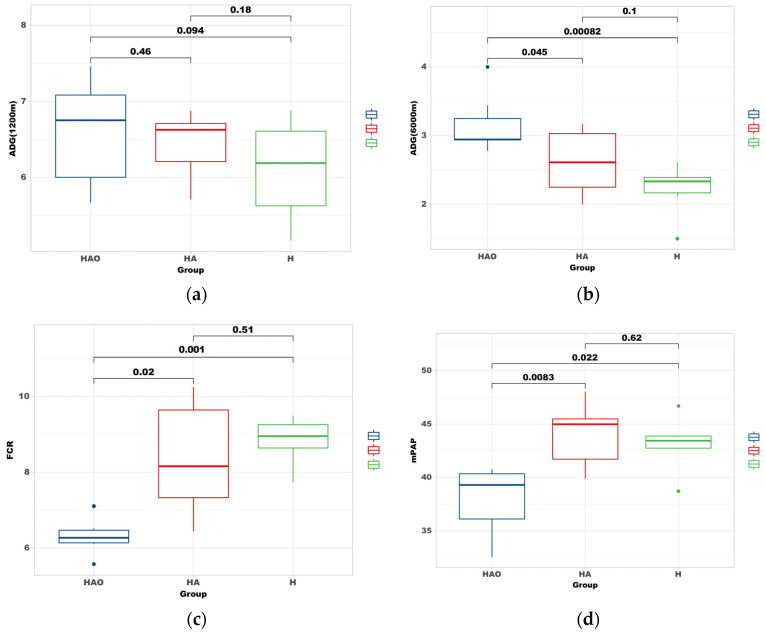
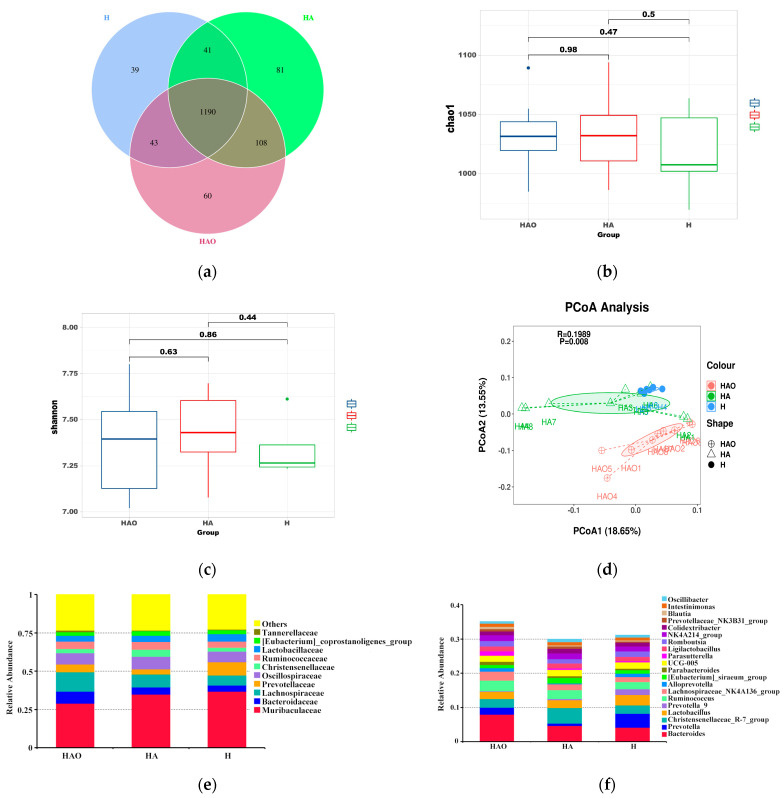
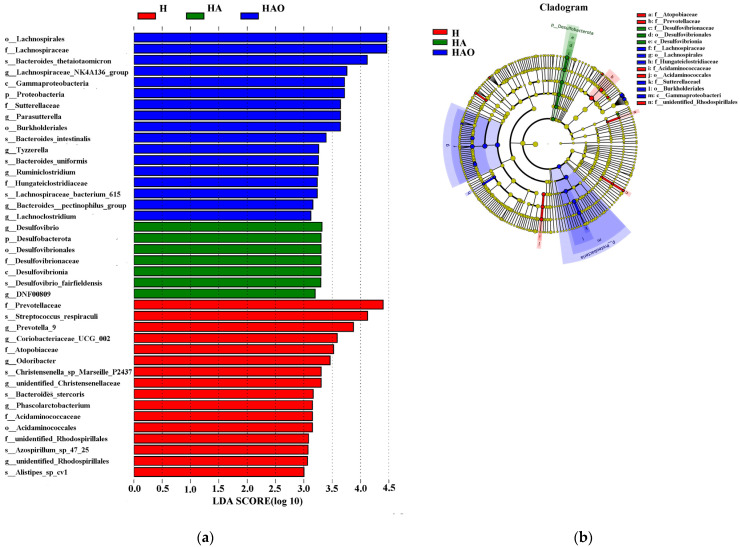
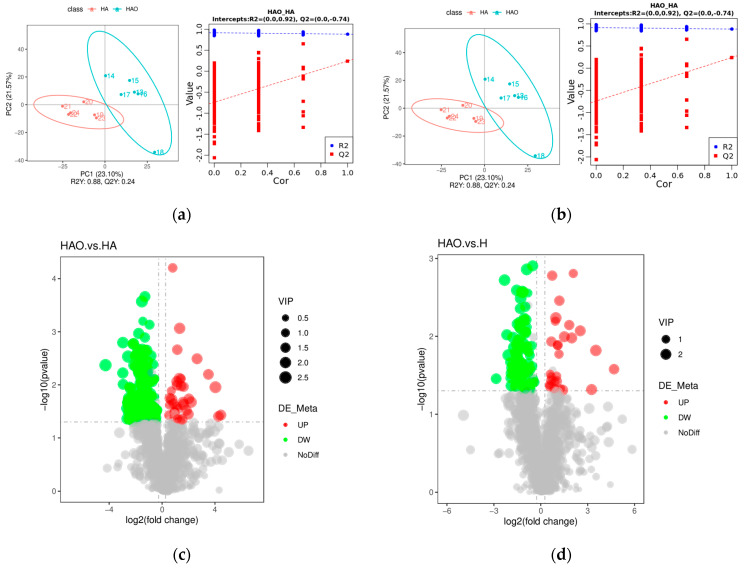
Prolonged exposure to hypoxic conditions can lead to reduced appetite, stunted growth, systemic inflammation, and pulmonary hypertension. Previous studies have indicated a correlation between gut dysbiosis and the development of hypoxia-related hazards. We designed an experiment to investigate the effect of microbiota on mitigating hypoxic damage. Gut microbiota from high-altitude-adapted species were transplanted into Sprague Dawley (SD) rats, which were then housed in a simulated 6000 m altitude environment for 30 days. After the experiment, we conducted analyses on average daily weight gain (ADG), feed conversion ratio (FCR), mean pulmonary artery pressure (mPAP), gut flora, and fecal metabolism. The results demonstrated that the ADG in the transplantation group (2.98 ± 0.17 g) was significantly higher than in the control groups (2.68 ± 0.19 g and 2.26 ± 0.13 g) ( < 0.05). The FCR was reduced in the transplantation group (6.30 ± 0.33 g) compared to the control groups (8.20 ± 1.15 g and 8.83 ± 0.45 g) ( < 0.05). The mPAP was decreased in the transplantation group (38.1 ± 1.13 mmHg) compared to the control groups (43.4 ± 1.30 mmHg and 43.5 ± 1.22 mmHg) ( < 0.05). Multi-omics analysis revealed that Lachnospiraceae, Desulfovibrionaceae, and specific amino acid metabolic pathways play crucial roles in hypoxia and are associated with both inflammation and nutritional metabolism. This study proposes a novel approach to the treatment of hypoxic pulmonary hypertension and holds potential significance for improving high-altitude developmental potential.
长期暴露于低氧环境会导致食欲下降、生长发育迟缓、全身炎症和肺动脉高压。先前的研究表明肠道微生物群失调与低氧相关危害的发生之间存在关联。我们设计了一项实验来研究微生物群对减轻低氧损伤的作用。将来自高原适应物种的肠道微生物群移植到Sprague Dawley(SD)大鼠体内,然后将其置于模拟海拔6000米的环境中饲养30天。实验结束后,我们对平均日增重(ADG)、饲料转化率(FCR)、平均肺动脉压(mPAP)、肠道菌群和粪便代谢进行了分析。结果表明,移植组的平均日增重(2.98±0.17克)显著高于对照组(2.68±0.19克和2.26±0.13克)(<0.05)。与对照组(8.20±1.15克和8.83±0.45克)相比,移植组的饲料转化率降低(6.30±0.33克)(<0.05)。与对照组(43.4±1.30毫米汞柱和43.5±1.22毫米汞柱)相比,移植组的平均肺动脉压降低(38.1±1.13毫米汞柱)(<0.05)。多组学分析表明,毛螺菌科、脱硫弧菌科和特定氨基酸代谢途径在低氧状态中起关键作用,并且与炎症和营养代谢均相关。本研究提出了一种治疗低氧性肺动脉高压的新方法,对提高高原发育潜能具有潜在意义。