Department of Surgery, The Second Affiliated Hospital of Jiaxing University, No. 1518 North Huancheng Road, Jiaxing, Zhejiang, 314000, People's Republic of China.
Mol Med. 2024 Nov 26;30(1):231. doi: 10.1186/s10020-024-00996-4.
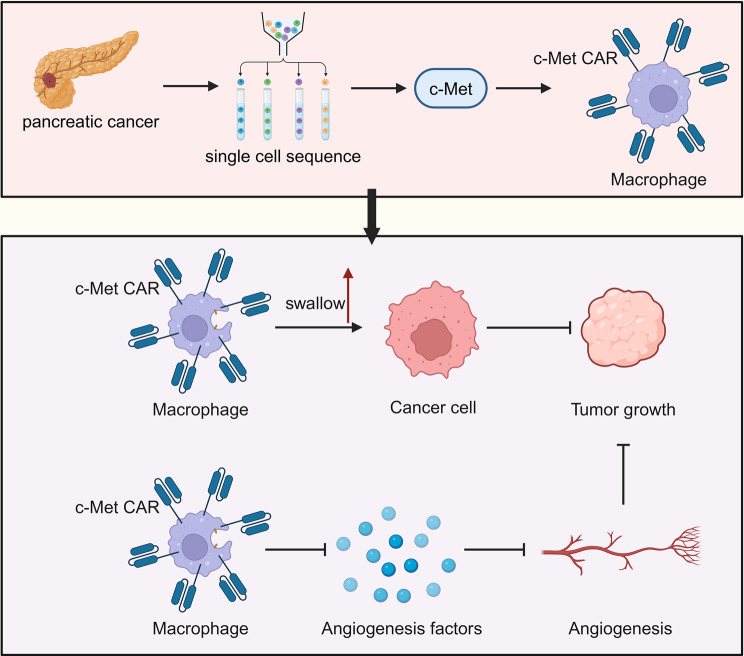
Pancreatic cancer is known for its poor prognosis and resistance to conventional therapies, largely due to the presence of cancer stem cells (CSCs) and aggressive angiogenesis. Effectively targeting these CSCs and associated angiogenic pathways is crucial for effective treatment. This study leverages single-cell multi-omics to explore a novel therapeutic approach involving Chimeric Antigen Receptor (CAR) macrophages engineered to target the c-Met protein on pancreatic CSCs.
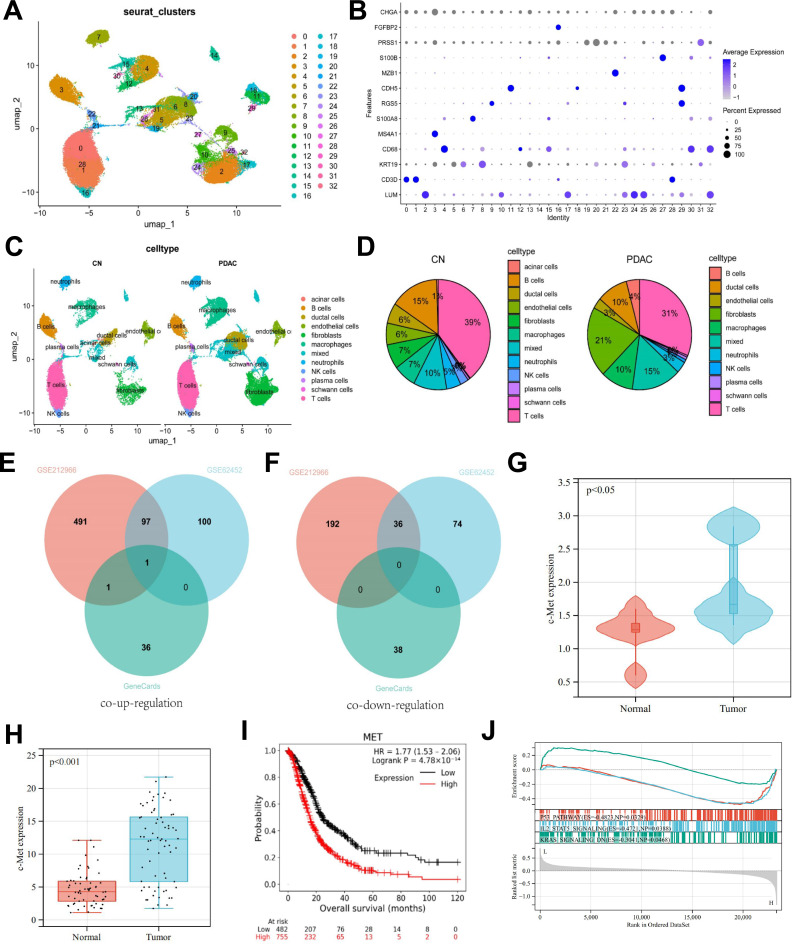
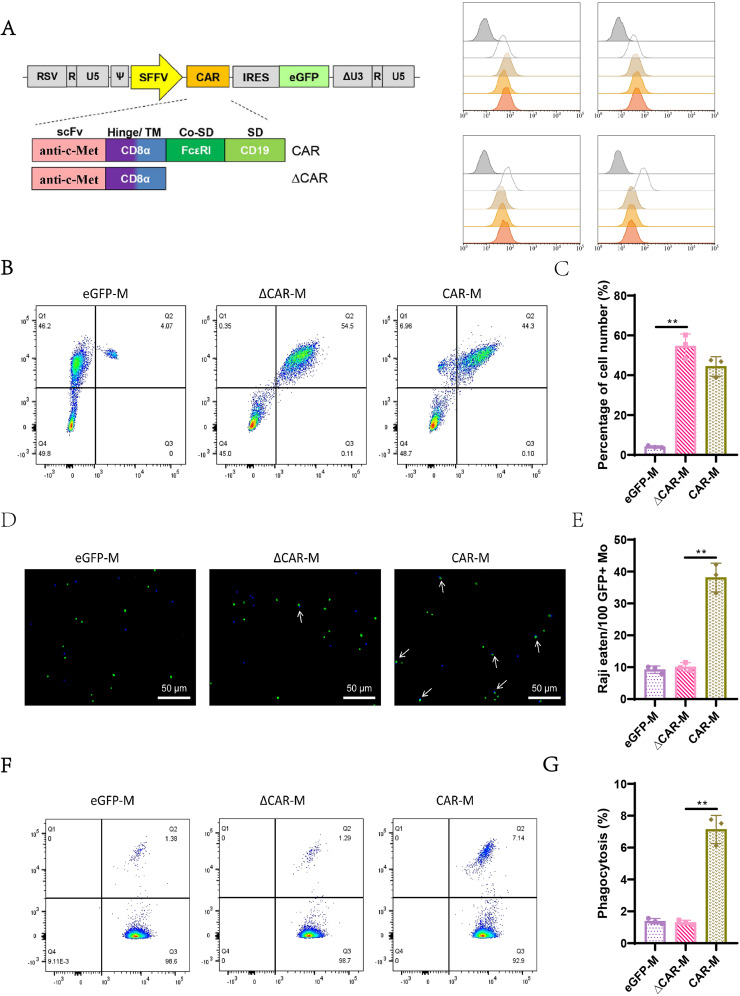
We employed single-cell RNA sequencing to analyze pancreatic cancer tissue, identifying c-Met as a key marker of CSCs. CAR macrophages were engineered using a lentiviral system to express a c-Met-specific receptor. The phagocytic efficiency of these CAR macrophages against pancreatic CSCs was assessed in vitro, along with their ability to inhibit angiogenesis. The in vivo efficacy of CAR macrophages was evaluated in a mouse model of pancreatic cancer.
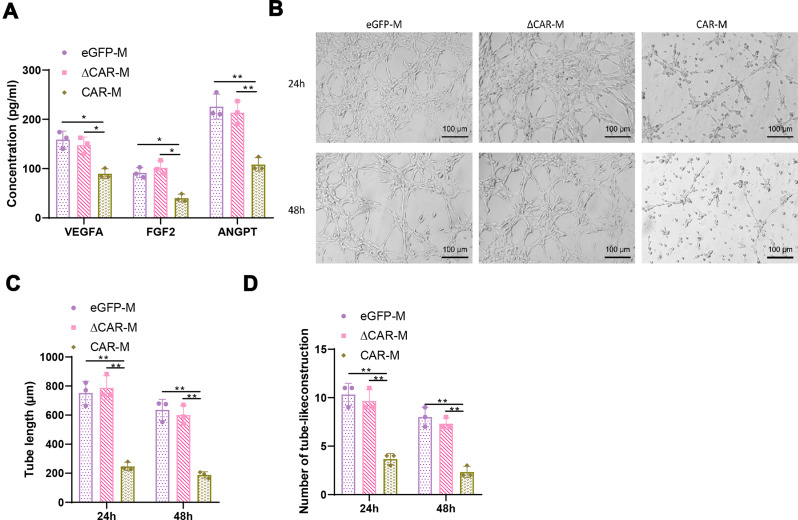
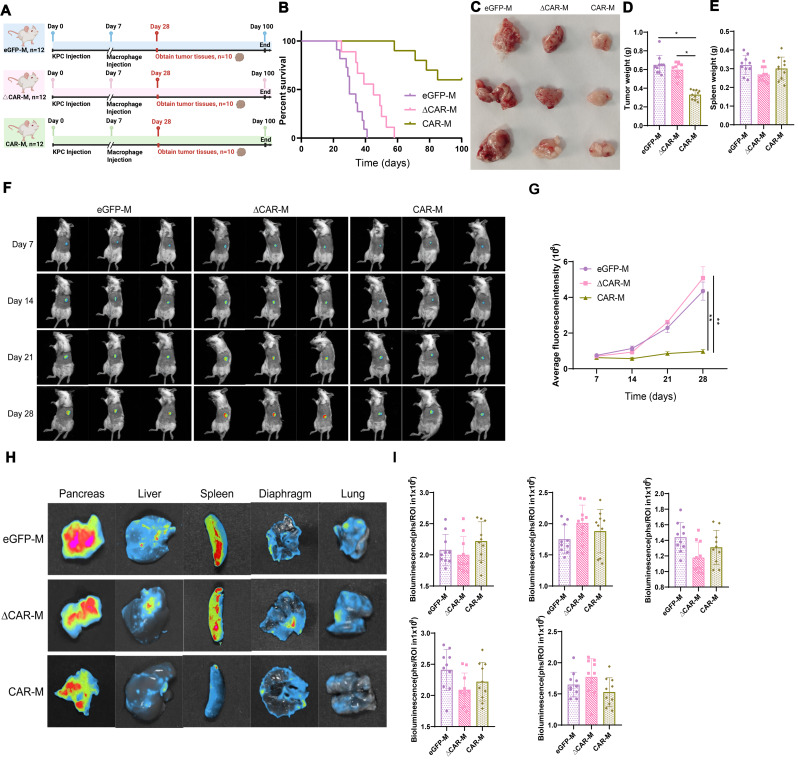
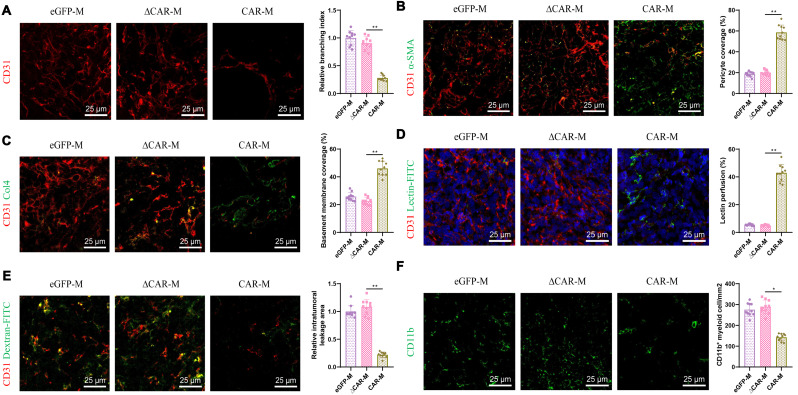
CAR macrophages demonstrated high specificity for c-Met + CSCs, significantly enhancing phagocytosis and reducing the secretion of angiogenic factors such as VEGFA, FGF2, and ANGPT. In vivo, these macrophages significantly suppressed tumor growth and angiogenesis, prolonging survival in pancreatic cancer-bearing mice.
CAR macrophages targeting c-Met represent a promising therapeutic strategy for pancreatic cancer, offering targeted elimination of CSCs and disruption of tumor angiogenesis. This study highlights the potential of single-cell multi-omics in guiding the development of precision immunotherapies.
胰腺癌预后不良且对常规疗法具有耐药性,这主要归因于癌症干细胞 (CSC) 的存在和侵袭性血管生成。有效靶向这些 CSC 和相关的血管生成途径对于有效治疗至关重要。本研究利用单细胞多组学技术,探索了一种新型治疗方法,涉及设计嵌合抗原受体 (CAR) 巨噬细胞,以靶向胰腺 CSC 上的 c-Met 蛋白。
我们采用单细胞 RNA 测序分析胰腺癌组织,确定 c-Met 是 CSC 的关键标志物。使用慢病毒系统工程设计 CAR 巨噬细胞,以表达 c-Met 特异性受体。体外评估这些 CAR 巨噬细胞对胰腺 CSC 的吞噬效率以及抑制血管生成的能力。在胰腺癌小鼠模型中评估 CAR 巨噬细胞的体内疗效。
CAR 巨噬细胞对 c-Met+CSC 具有高度特异性,显著增强了吞噬作用,并减少了血管生成因子如 VEGFA、FGF2 和 ANGPT 的分泌。在体内,这些巨噬细胞显著抑制了肿瘤生长和血管生成,延长了胰腺癌荷瘤小鼠的存活时间。
靶向 c-Met 的 CAR 巨噬细胞为胰腺癌提供了一种有前途的治疗策略,可靶向消除 CSC 并破坏肿瘤血管生成。本研究强调了单细胞多组学在指导精准免疫疗法发展方面的潜力。