School of China Alcoholic Drinks, Luzhou Vocational and Technology College, Luzhou 646000, China.
School of Food and Biological Engineering, Chengdu University, Chengdu 610106, China.
Genes (Basel). 2024 Oct 30;15(11):1398. doi: 10.3390/genes15111398.
So far, the assembly and response mechanism of soil fungi in the ecological restoration process of lead zinc mines is still unclear.
In this study, we selected three plants for the ecological restoration of abandoned lead zinc mining areas and explored the community assembly mechanism by which soil fungi assist plants in adapting to the environment during the ecological restoration process.
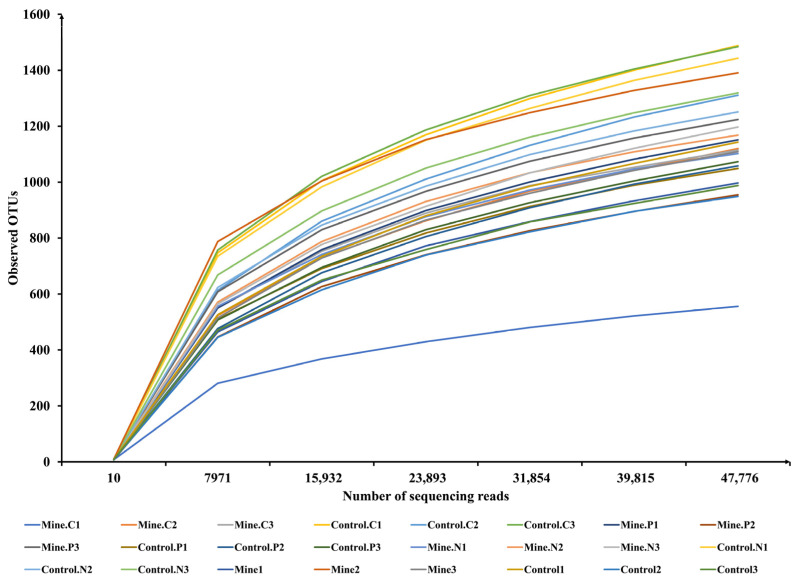
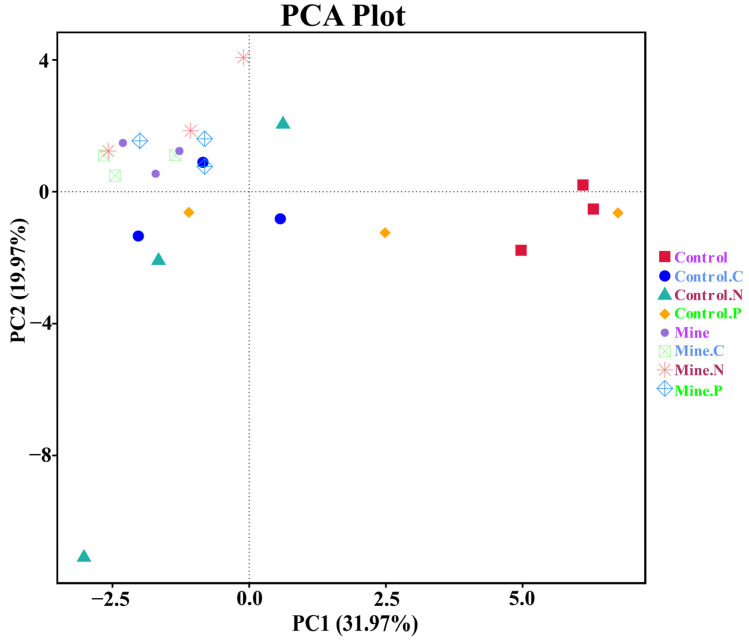
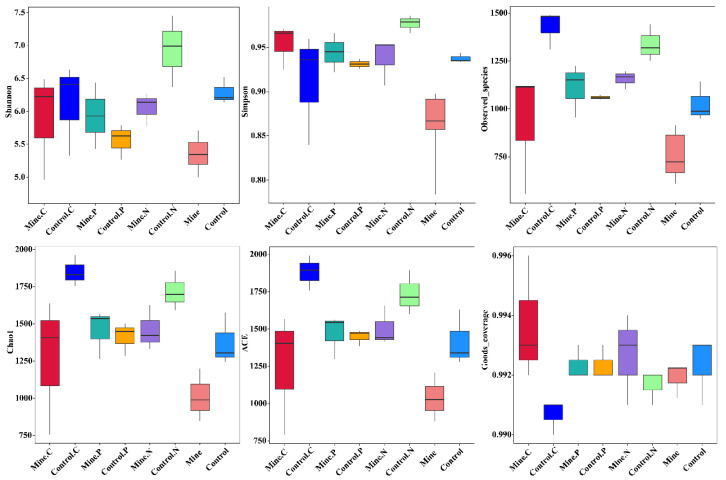
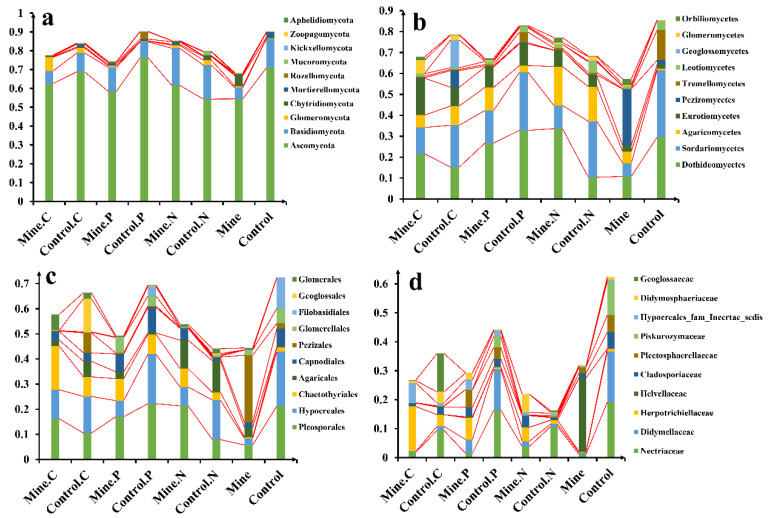
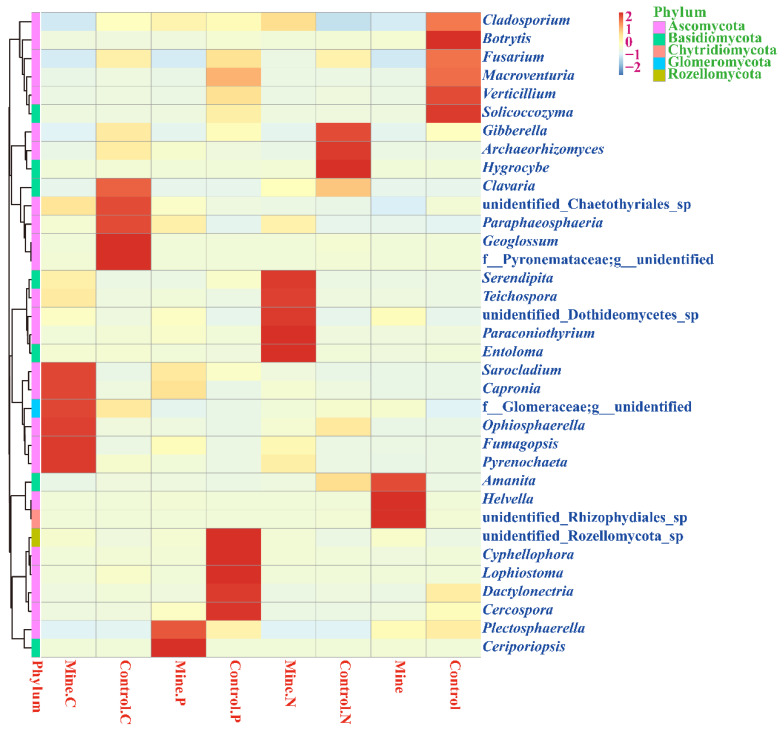
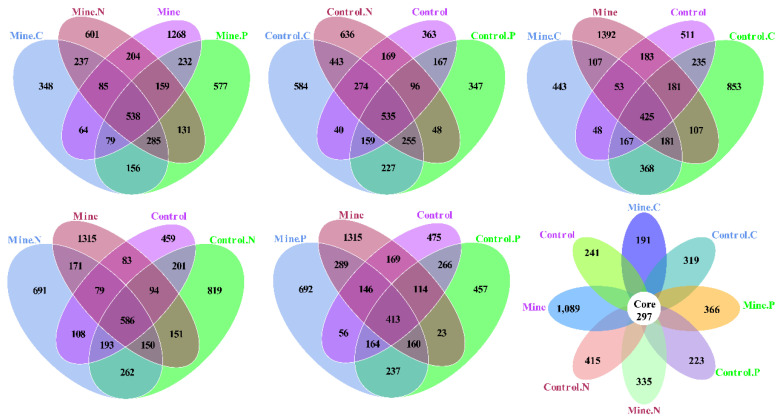
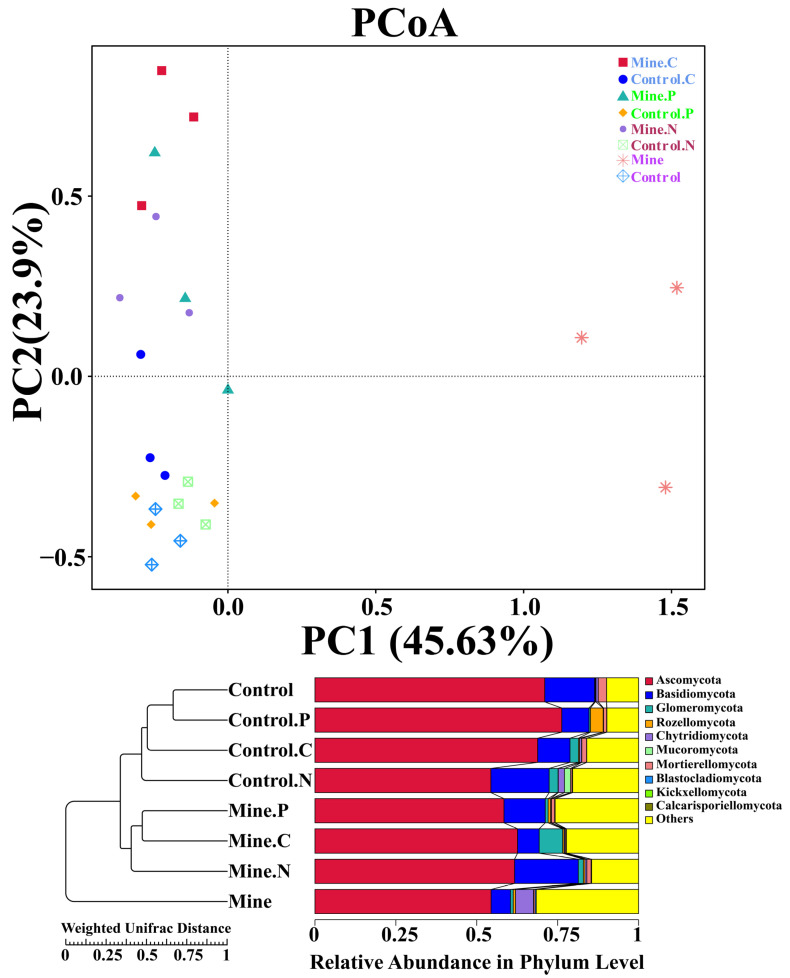
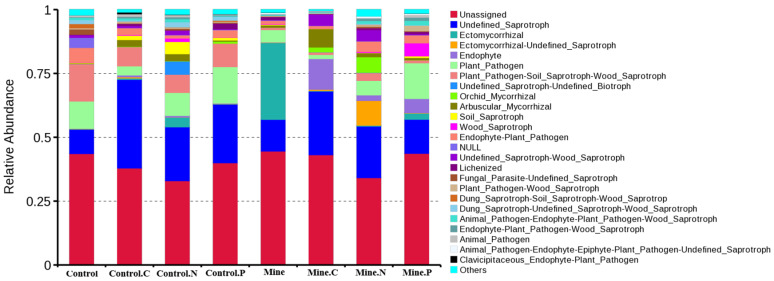
The results revealed that the mining of lead zinc mines led to a significant decrease in soil fungal diversity, whereas the planting of three plants significantly increased the diversity of rhizosphere fungi. Mining activities significantly reduced the abundance of soil , , , and and increased the abundance of soil . After three ecologically restored plants were planted, the abundances of and increased significantly, whereas the abundance of decreased significantly. In addition, was significantly enriched in the rhizosphere soils of three plant species in the mining area. β diversity and fungal guild analysis revealed that mining activities had a great impact on fungal communities and guilds. The ecological restoration of plants changed the guilds of rhizosphere fungi, making them closer to those of the control sample. In addition, the endophyte guild was significantly enriched in the rhizosphere soil of three ecologically restored plants, increasing their adaptability.
The results provide a reference for screening lead zinc mine bioremediation strains and developing fungal plant joint remediation strategies.
迄今为止,土壤真菌在铅锌矿生态修复过程中的组装和响应机制仍不清楚。
本研究选择了三种植物进行废弃铅锌矿区的生态修复,并通过探索土壤真菌在生态修复过程中协助植物适应环境的群落组装机制。
研究结果表明,铅锌矿的开采导致土壤真菌多样性显著降低,而三种植物的种植显著增加了根际真菌的多样性。采矿活动显著降低了土壤中 、 、 、 和 的丰度,增加了土壤 的丰度。在种植了三种生态恢复植物后, 和 的丰度显著增加,而 的丰度显著降低。此外, 在矿区三种植物的根际土壤中显著富集。β多样性和真菌类群分析表明,采矿活动对真菌群落和类群有很大的影响。植物的生态恢复改变了根际真菌的类群,使其更接近对照样本。此外,内生真菌类群在三种生态恢复植物的根际土壤中显著富集,提高了它们的适应性。
研究结果为筛选铅锌矿生物修复菌株和开发真菌-植物联合修复策略提供了参考。