Wang Li, Chen Hongli, Zhang Yuxi, Liu Jinyu, Peng Lin
School of Chemistry and Chemical Engineering, Hebei Minzu Normal University, Chengde 067000, China.
Molecules. 2024 Nov 6;29(22):5250. doi: 10.3390/molecules29225250.
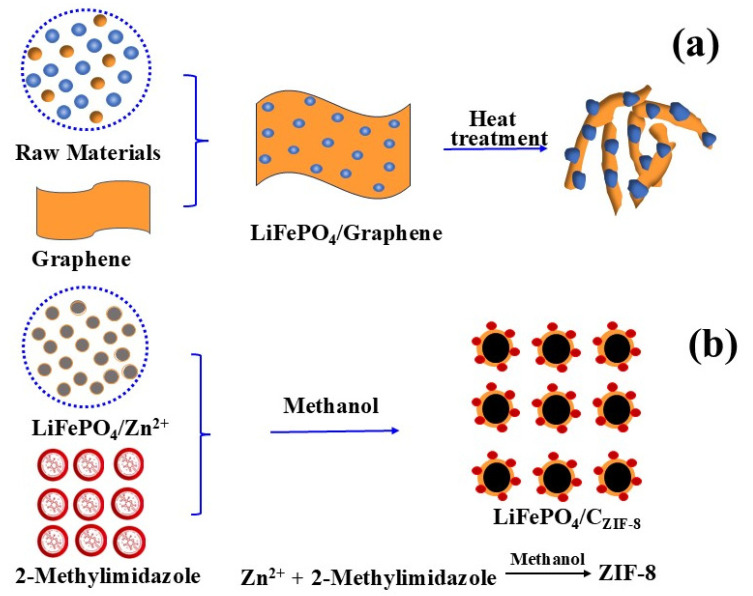
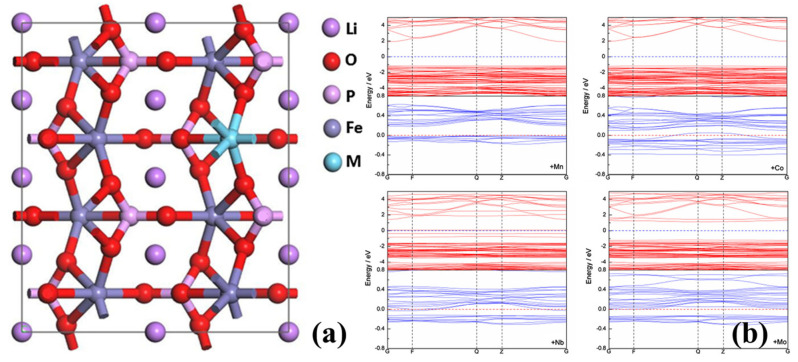
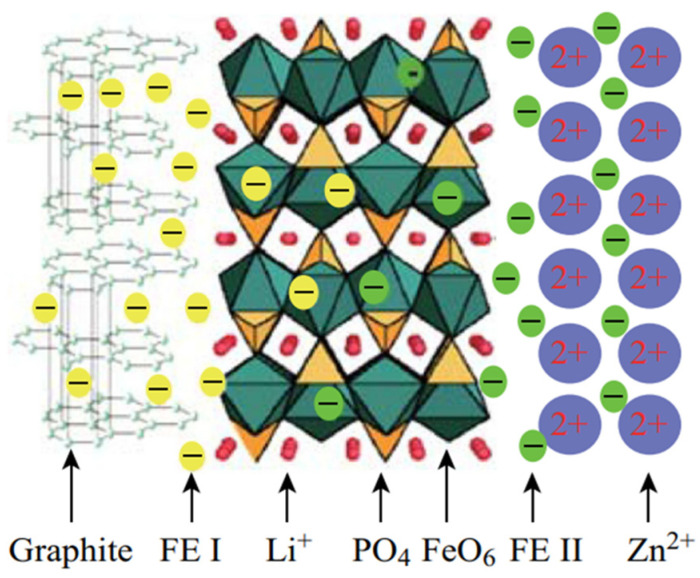
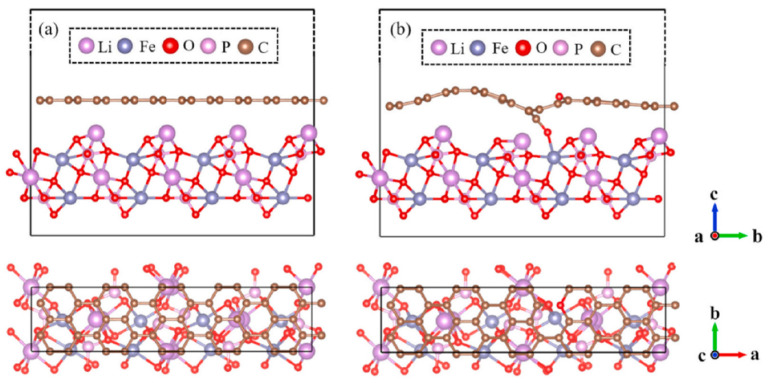
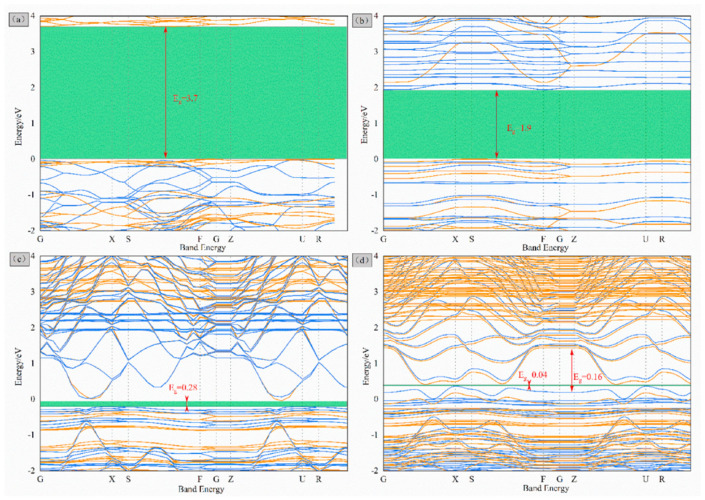
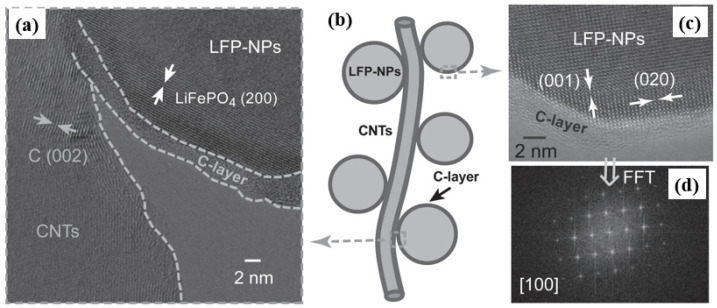
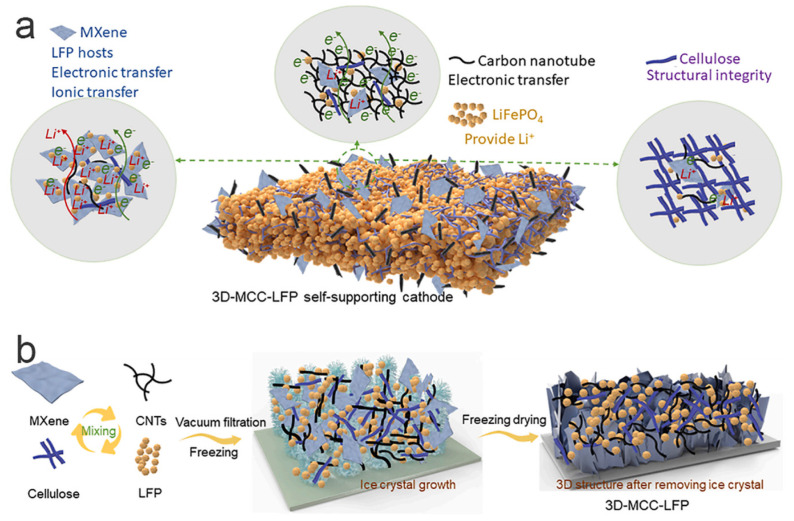
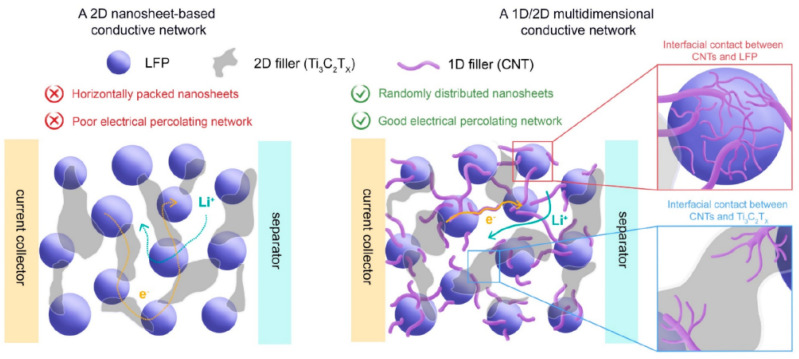
LiFePO is a cathode material for lithium (Li)-ion batteries known for its excellent performance. However, compared with layered oxides and other ternary Li-ion battery materials, LiFePO cathode material exhibits low electronic conductivity due to its structural limitations. This limitation significantly impacts the charge/discharge rates and practical applications of LiFePO. This paper reviews recent advancements in strategies aimed at enhancing the electronic conductivity of LiFePO. Efficient strategies with a sound theoretical basis, such as in-situ carbon coating, the establishment of multi-dimensional conductive networks, and ion doping, are discussed. Theoretical frameworks underlying the conductivity enhancement post-modification are summarized and analyzed. Finally, future development trends and research directions in carbon coating and doping are anticipated.
磷酸铁锂是一种以其优异性能而闻名的锂离子电池正极材料。然而,与层状氧化物和其他三元锂离子电池材料相比,磷酸铁锂正极材料由于其结构限制而表现出低电子导电性。这一限制显著影响了磷酸铁锂的充放电速率和实际应用。本文综述了旨在提高磷酸铁锂电子导电性的策略的最新进展。讨论了具有坚实理论基础的有效策略,如原位碳包覆、建立多维导电网络和离子掺杂。总结并分析了改性后电导率增强的理论框架。最后,展望了碳包覆和掺杂的未来发展趋势和研究方向。