Key Laboratory of Medicinal and Edible Plants Resources Development of Sichuan Education Department, Sichuan Industrial Institute of Antibiotics, School of Pharmacy, Chengdu University, Chengdu 610106, China.
Key Laboratory of Xinjiang Phytomedicine Resources and Utilization, Ministry of Education, School of Pharmacy, Shihezi University, Shihezi 832003, China.
Molecules. 2024 Nov 16;29(22):5412. doi: 10.3390/molecules29225412.
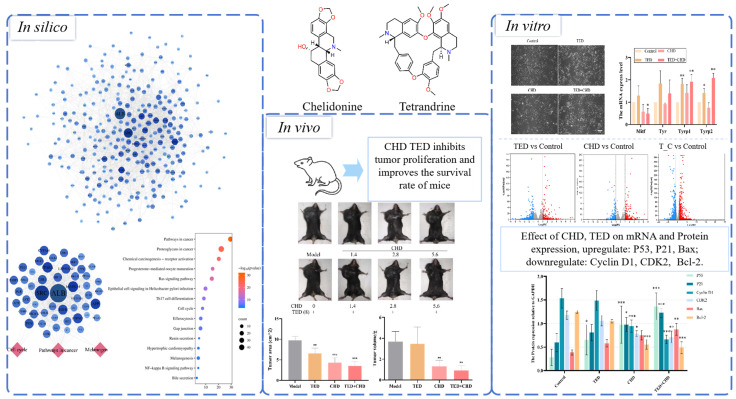
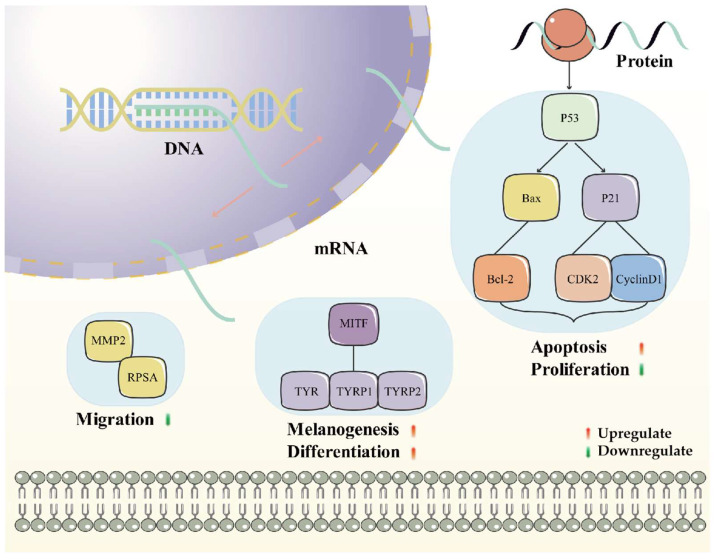
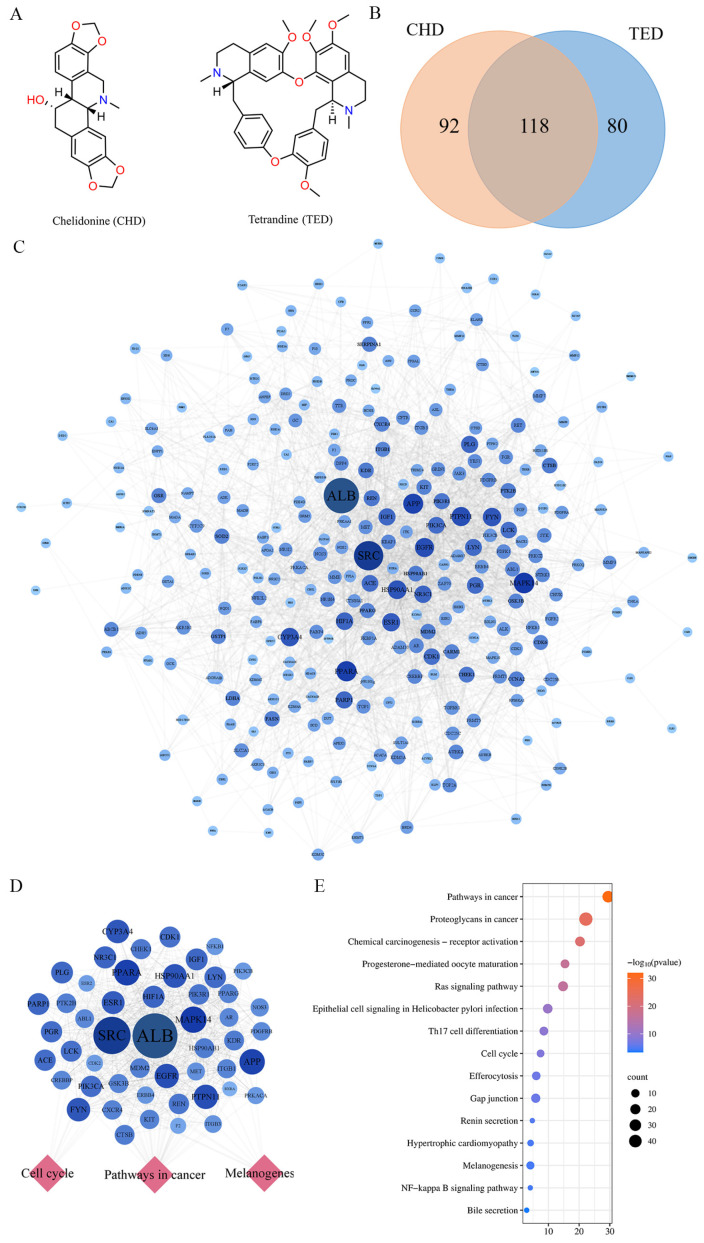
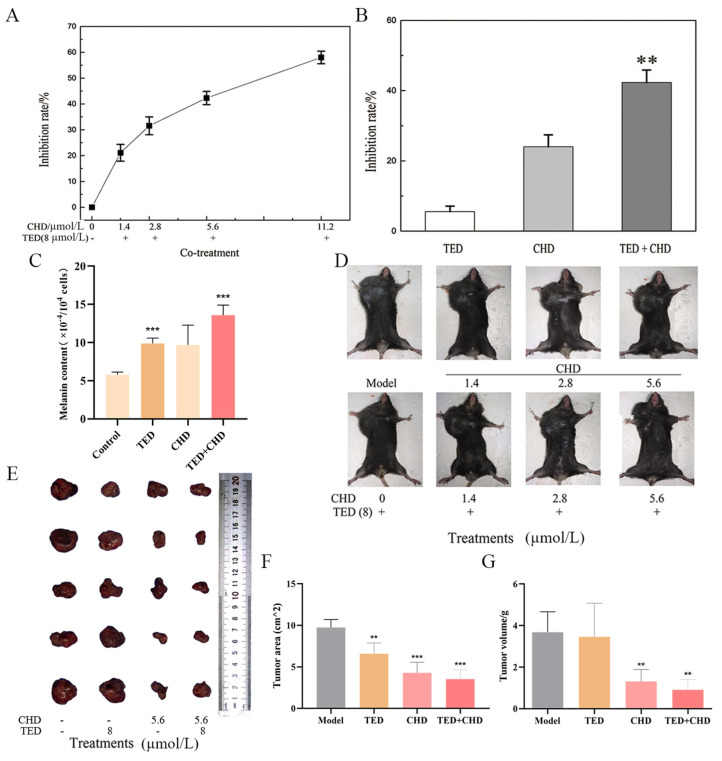
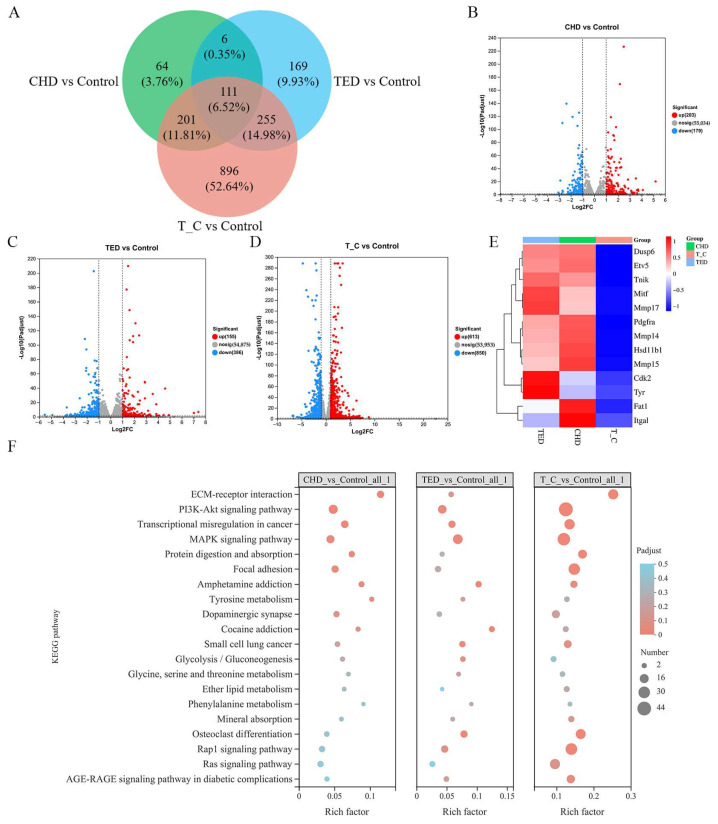
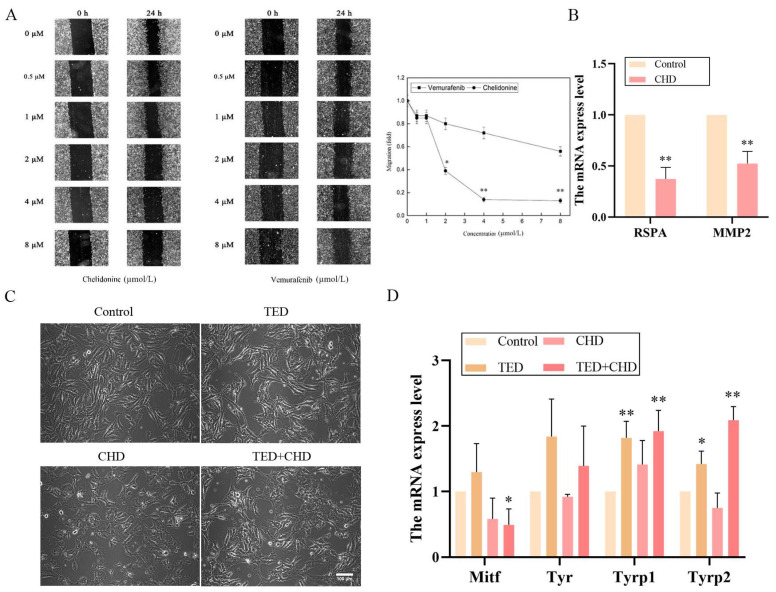
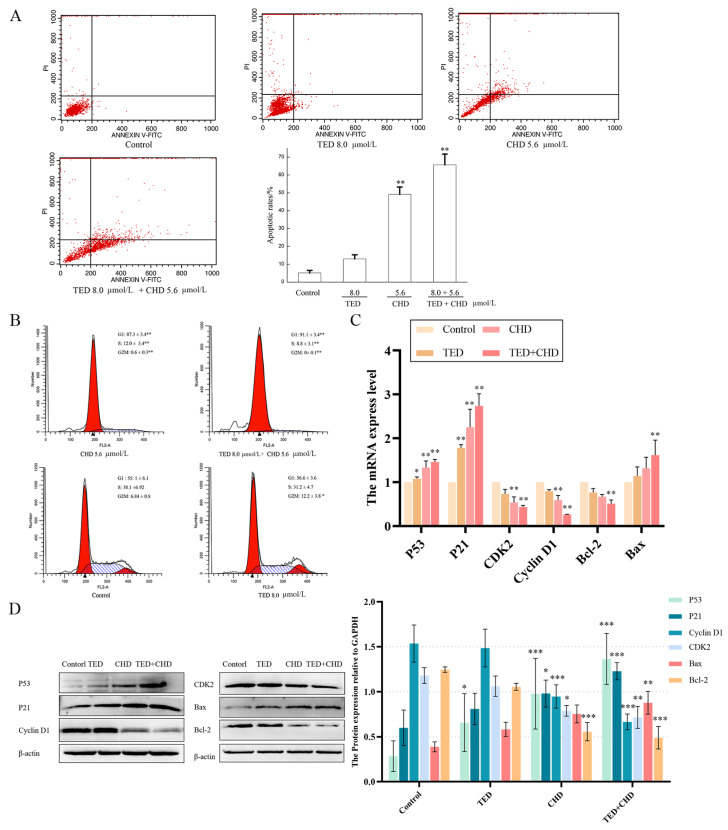
Melanoma represents a formidable challenge in dermatological oncology due to its resistance to conventional treatments. The Celandine Alkali Injection Formula (CAIF) offers benefits on clinical internal medicine treatments, within which chelidonine and tetrandrine are recognized as potential quality markers. However, their synergistic mechanisms facilitating their anti-melanoma action remain unveiled. This study embarked on an exploration of CAIF's therapeutic potential through a multifaceted research design, integrating system pharmacological predictions with empirical molecular biological evaluations. The dual application of chelidonine and tetrandrine within CAIF exhibited a pronounced inhibitory effect on the proliferation of B16F10 cells, surpassing the effectiveness of individual compound administration. Computational predictions identified the top 50 targets, involved in key signaling pathways including cell cycle regulation, and melanogenesis. RNA sequencing further elucidated that the combinatory treatment modulated a broader spectrum of differentially expressed genes, implicating crucial biological processes including cell differentiation, and tyrosinase metabolism. The combination markedly enhanced melanogenesis and apoptotic indices, arrested cell cycle progression, and fostered cellular differentiation. Notably, chelidonine additionally curtailed the migratory capacity of B16F10 cells. Our findings underscore the therapeutic potential of chelidonine and tetrandrine, key components of CAIF, in effectively combating melanoma by targeting cell proliferation, migration, differentiation, and melanogenesis.
由于其对传统治疗方法的抵抗力,黑素瘤在皮肤科肿瘤学中构成了巨大的挑战。苦参碱注射液(CAIF)在临床内科治疗中具有优势,其中,苦参碱和汉防己甲素被认为是潜在的质量标志物。然而,它们协同作用促进其抗黑色素瘤作用的机制仍未被揭示。本研究通过综合系统药理学预测和经验分子生物学评估的多方面研究设计,探索了 CAIF 的治疗潜力。CAIF 中苦参碱和汉防己甲素的双重应用对 B16F10 细胞的增殖表现出明显的抑制作用,超过了单一化合物给药的效果。计算预测确定了前 50 个靶点,涉及包括细胞周期调节和黑色素生成在内的关键信号通路。RNA 测序进一步阐明了联合治疗调节了更广泛的差异表达基因谱,涉及包括细胞分化和酪氨酸酶代谢在内的关键生物学过程。该组合显著增强了黑色素生成和凋亡指数,阻止了细胞周期进程,并促进了细胞分化。值得注意的是,苦参碱还降低了 B16F10 细胞的迁移能力。我们的研究结果强调了 CAIF 的关键成分苦参碱和汉防己甲素在通过靶向细胞增殖、迁移、分化和黑色素生成来有效治疗黑色素瘤方面的治疗潜力。