
基于单细胞分析和机器学习揭示肺腺癌预后和免疫治疗中的多样化细胞死亡模式。
Unveiling Varied Cell Death Patterns in Lung Adenocarcinoma Prognosis and Immunotherapy Based on Single-Cell Analysis and Machine Learning.
机构信息
Department of Thoracic Surgery, The First Affiliated Hospital of Nanjing Medical University, Nanjing, China.
Department of Oncology, The Affiliated Cancer Hospital of Nanjing Medical University and Jiangsu Cancer Hospital and Jiangsu Institute of Cancer Research, Nanjing, China.
出版信息
J Cell Mol Med. 2024 Nov;28(22):e70218. doi: 10.1111/jcmm.70218.
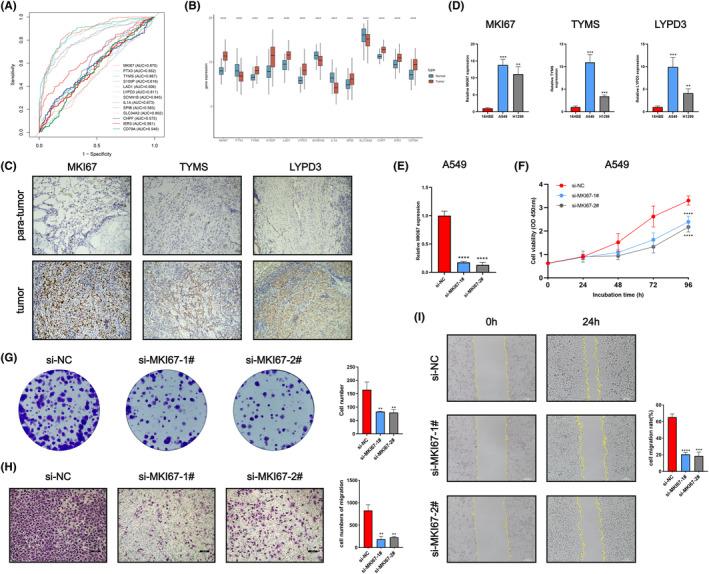
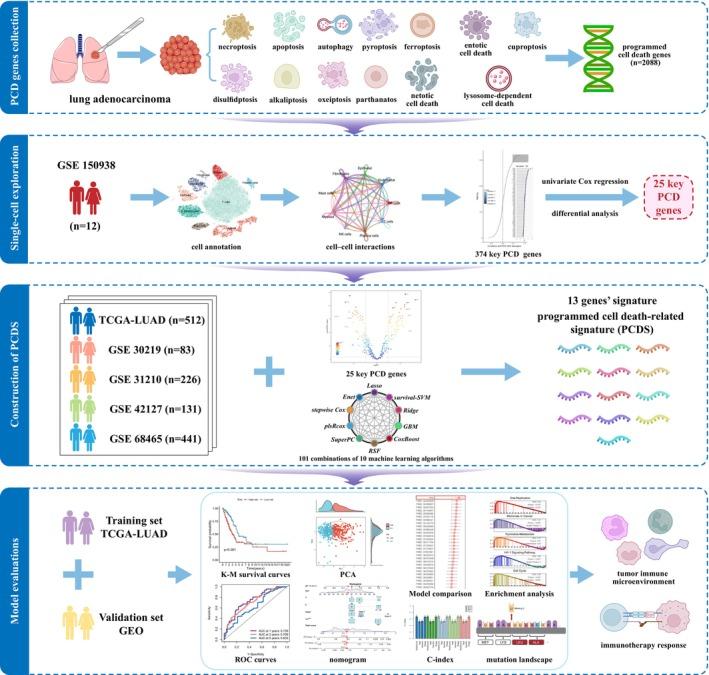
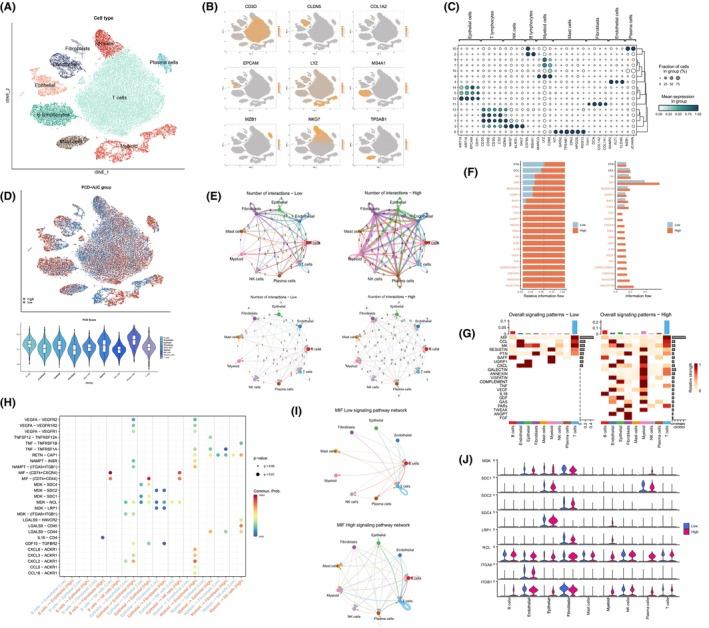
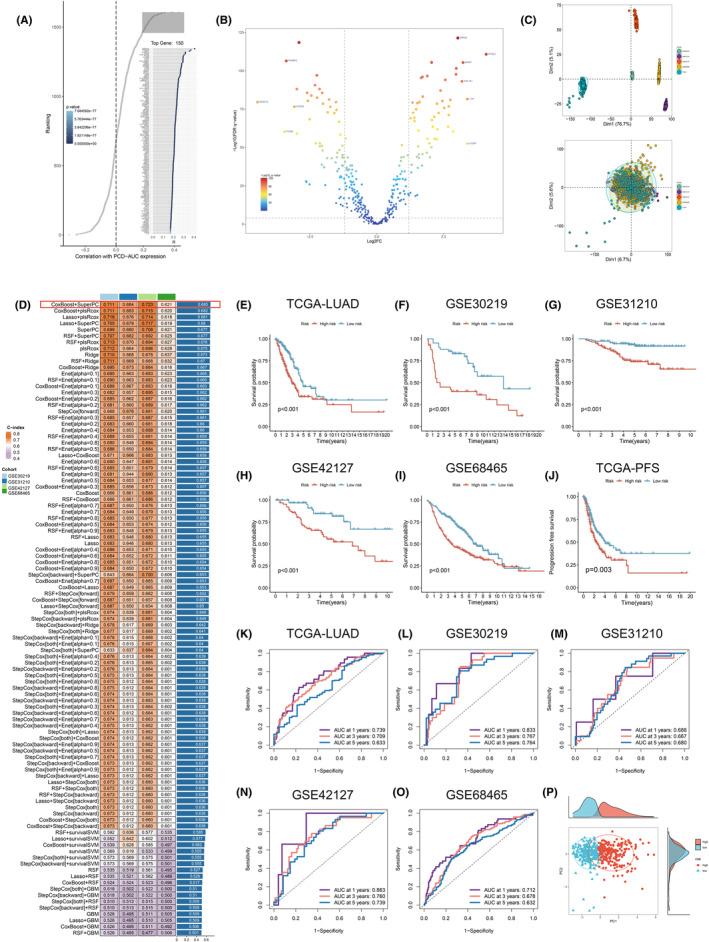
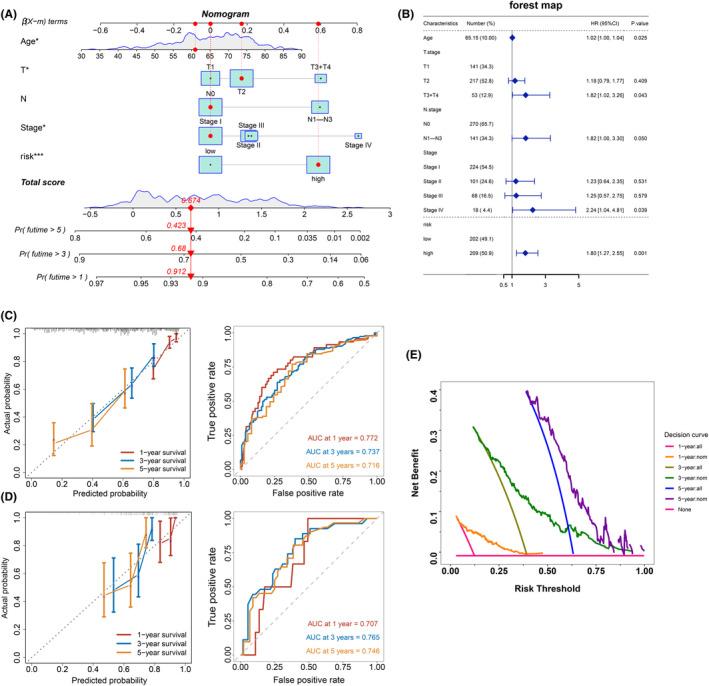
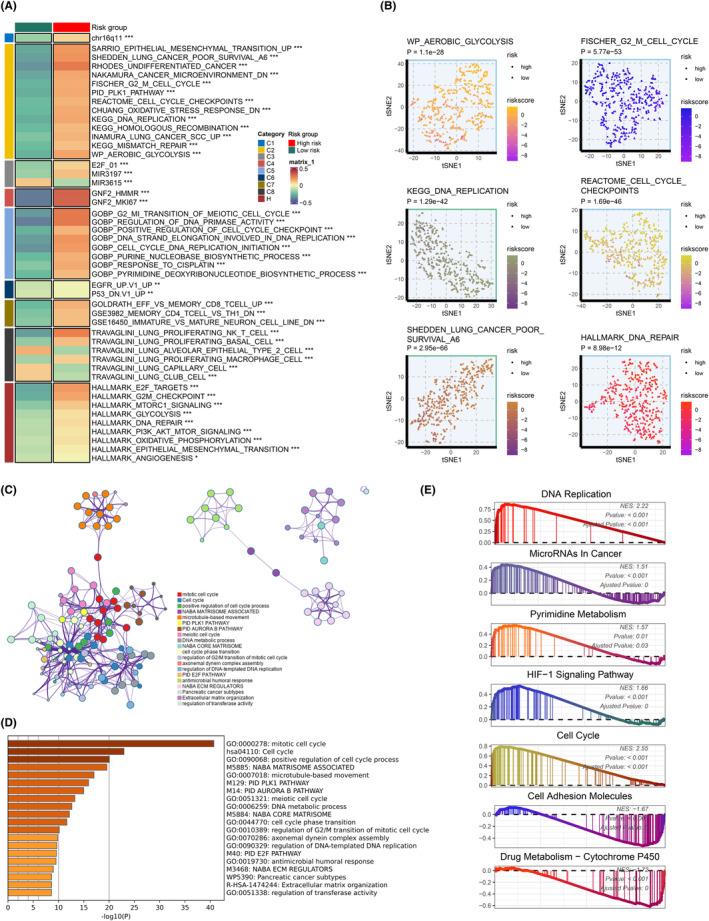
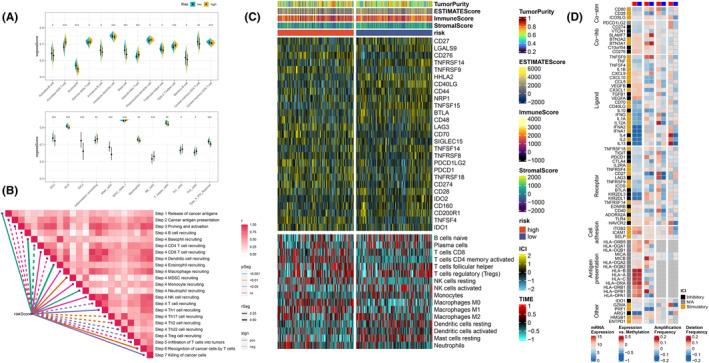
Programmed cell death (PCD) pathways hold significant influence in the etiology and progression of a variety of cancer forms, particularly offering promising prognostic markers and clues to drug sensitivity for lung adenocarcinoma (LUAD) patients. We employed single-cell analysis to delve into the functional role of PCD within the tumour microenvironment (TME) of LUAD. Employing a machine learning framework, a PCD-related signature (PCDS) was constructed utilising a comprehensive data set. The PCDS exhibited superior prognostic performance compared with the 140 previously established prognostic models for LUAD. Subsequently, patients were stratified into high-risk and low-risk groups based on their risk scores derived from the PCDS, with the high-risk group exhibiting significantly lower overall survival (OS) rates than the low-risk group. Furthermore, the risk subgroups were compared for differences in pathway enrichment, genomic alterations, tumour immune microenvironment (TIME), immunotherapy and drug sensitivity. The low-risk group displayed a more inflamed TIME, potentially leading to a more favourable response to immunotherapy. For the high-risk group, potential effective small molecule drugs were identified, and the drug sensitivity were evaluated. Immunohistochemistry and quantitative real-time polymerase chain reaction assays (qRT-PCR) confirmed notable upregulation of the expression levels of PCD-associated genes MKI67, TYMS and LYPD3 in LUAD tissues. In vitro experimental findings demonstrated a marked decrease in the proliferative and migratory capacities of LUAD cells upon knockdown of MKI67. Conclusively, we successfully constructed the PCDS, providing important assistance for prognosis prediction and treatment optimisation of LUAD patients.
程序性细胞死亡 (PCD) 途径对多种癌症形式的病因和进展具有重要影响,特别是为肺腺癌 (LUAD) 患者提供了有前途的预后标志物和药物敏感性线索。我们采用单细胞分析深入研究了 PCD 在 LUAD 肿瘤微环境 (TME) 中的功能作用。我们采用机器学习框架,利用综合数据集构建了与 PCD 相关的特征 (PCDS)。与之前建立的 140 个用于 LUAD 的预后模型相比,PCDS 表现出更好的预后性能。随后,根据 PCDS 得出的风险评分将患者分为高风险和低风险组,高风险组的总生存率 (OS) 明显低于低风险组。此外,还比较了风险亚组在通路富集、基因组改变、肿瘤免疫微环境 (TIME)、免疫治疗和药物敏感性方面的差异。低风险组显示出更具炎症性的 TIME,可能对免疫治疗有更有利的反应。对于高风险组,确定了潜在有效的小分子药物,并评估了药物敏感性。免疫组织化学和实时定量聚合酶链反应 (qRT-PCR) 检测证实了 PCD 相关基因 MKI67、TYMS 和 LYPD3 在 LUAD 组织中的表达水平显著上调。体外实验结果表明,敲低 MKI67 后 LUAD 细胞的增殖和迁移能力明显下降。总之,我们成功构建了 PCDS,为 LUAD 患者的预后预测和治疗优化提供了重要帮助。



 Zotero 插件