Ireland Abbie S, Hawgood Sarah B, Xie Daniel A, Barbier Margaret W, Lucas-Randolph Scarlett, Tyson Darren R, Zuo Lisa Y, Witt Benjamin L, Govindan Ramaswamy, Dowlati Afshin, Moser Justin C, Puri Sonam, Rudin Charles M, Chan Joseph M, Elliott Andrew, Oliver Trudy G
Department of Pharmacology and Cancer Biology, Duke University, Durham, NC, 27710, USA.
Department of Pathology, University of Utah, Salt Lake City, UT, 84112, USA.
bioRxiv. 2024 Nov 15:2024.11.13.623500. doi: 10.1101/2024.11.13.623500.
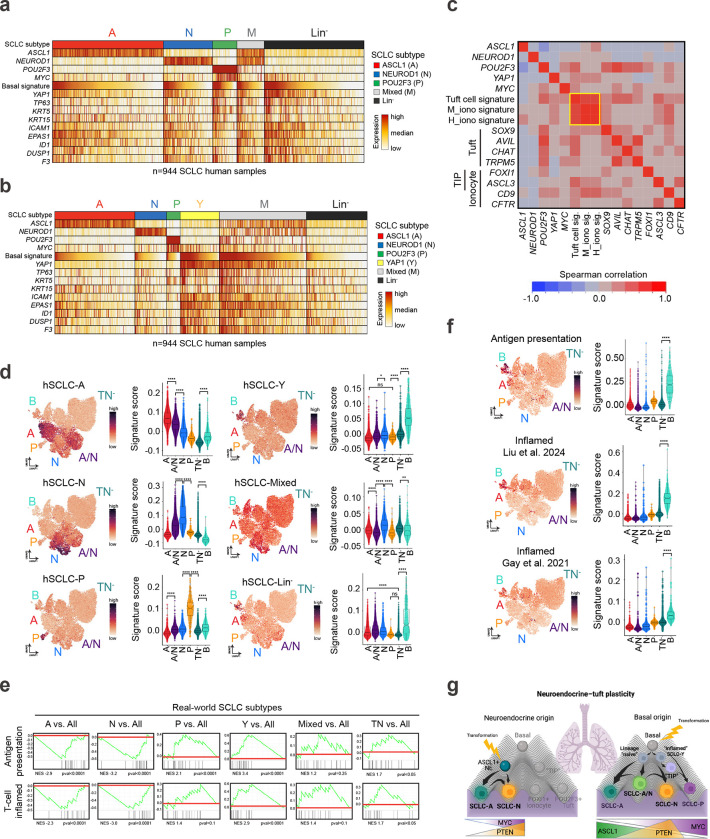
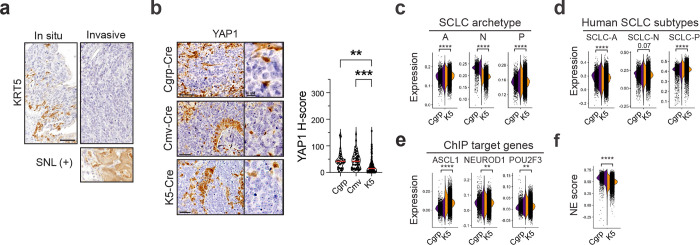
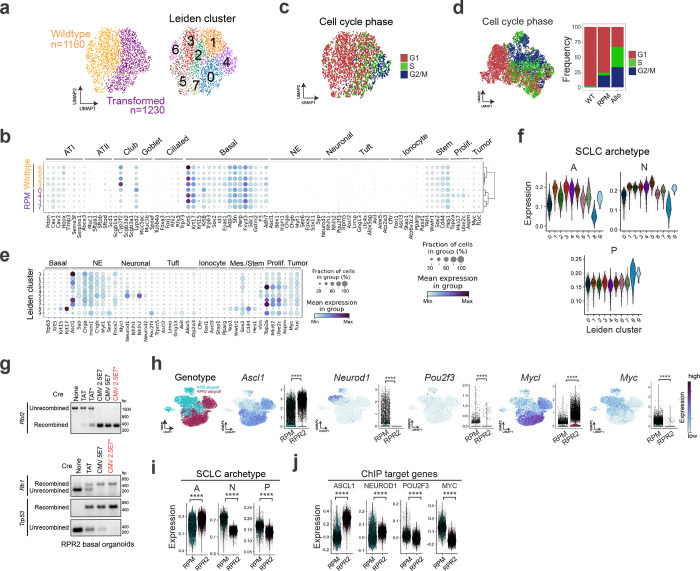
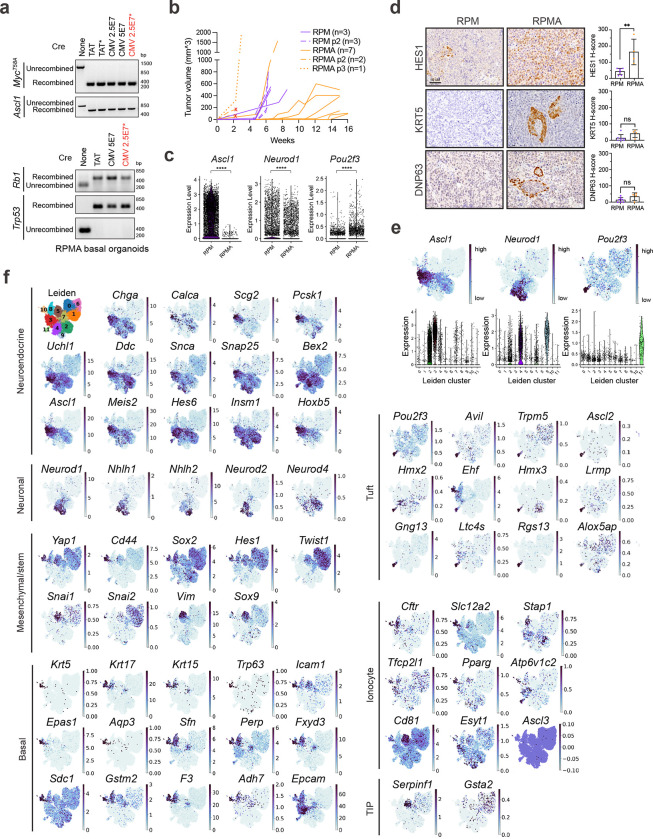
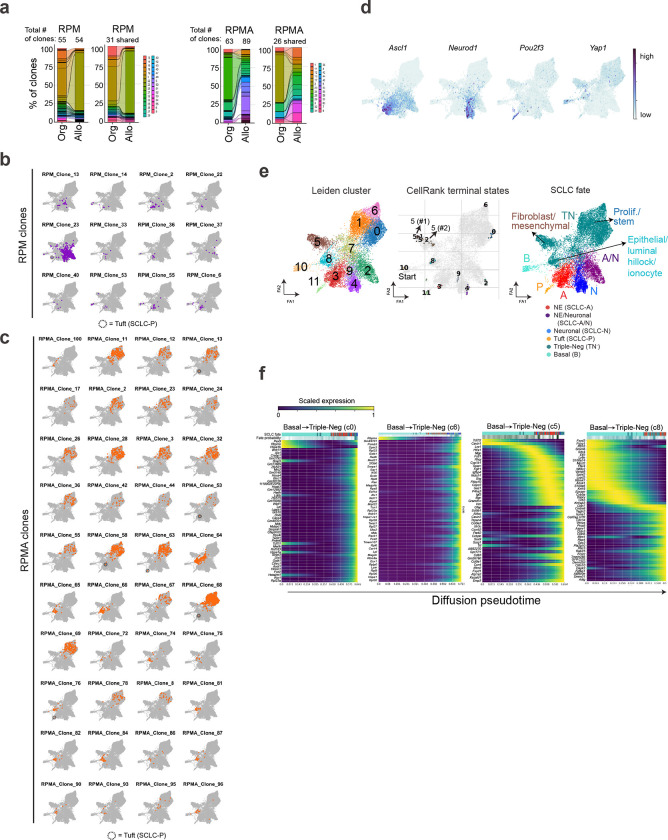
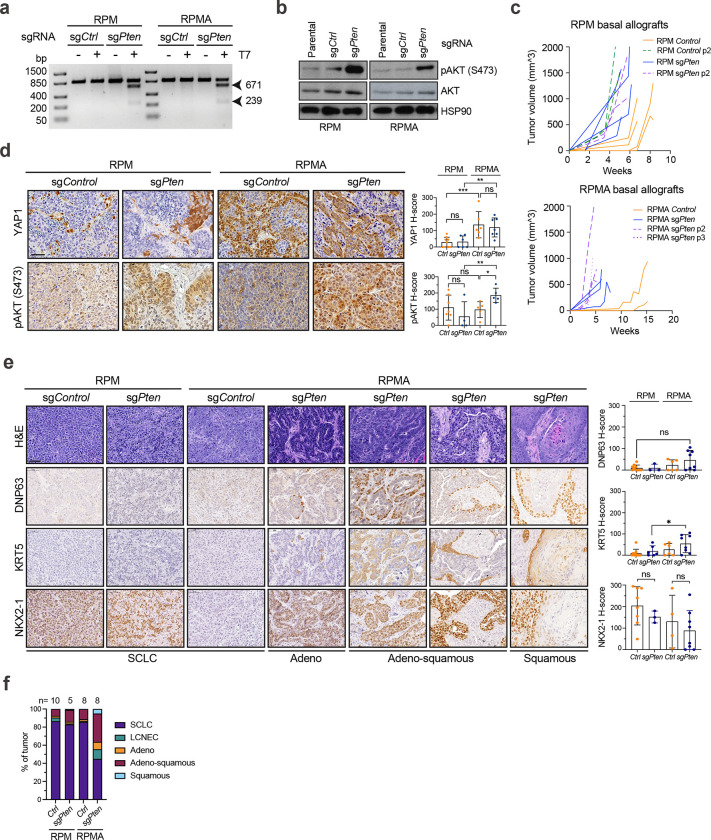
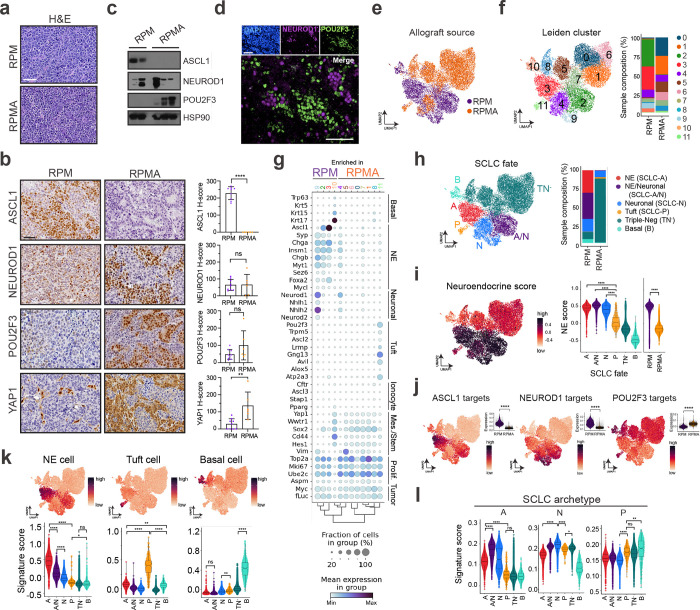
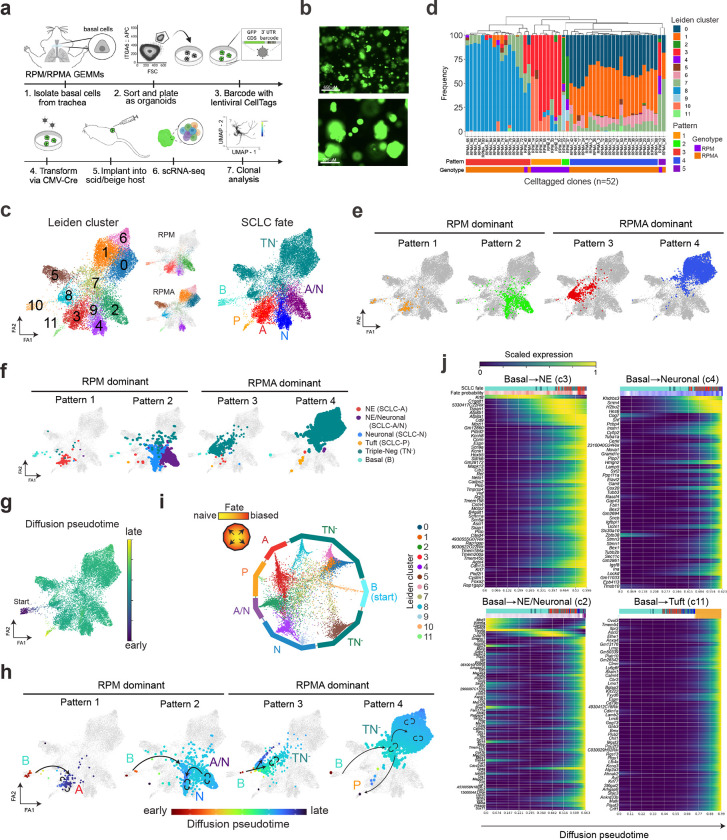
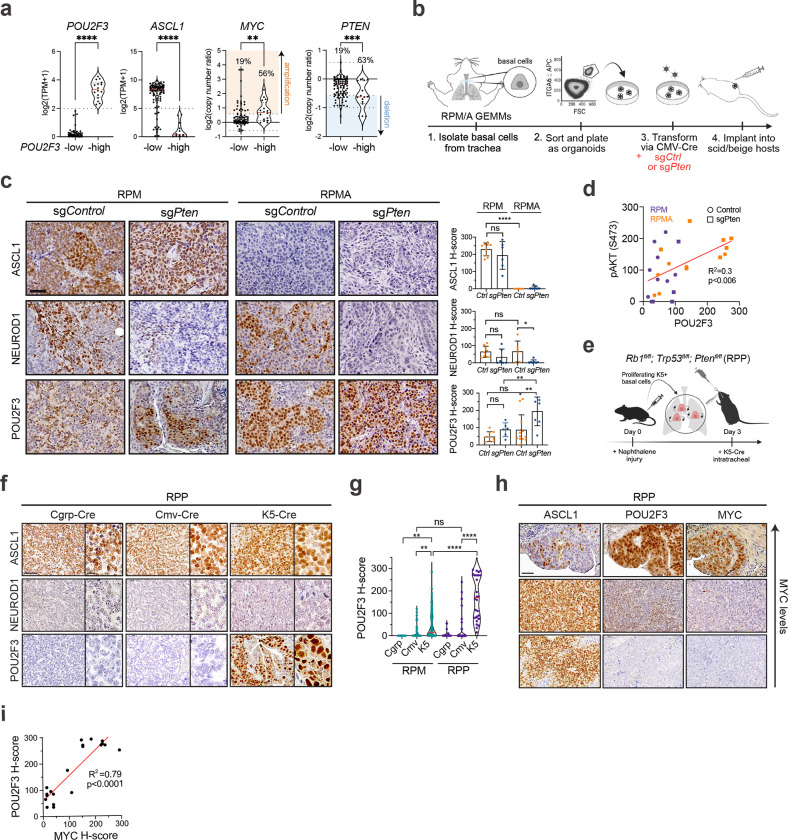
Neuroendocrine and tuft cells are rare, chemosensory epithelial lineages defined by expression of ASCL1 and POU2F3 transcription factors, respectively. Neuroendocrine cancers, including small cell lung cancer (SCLC), frequently display tuft-like subsets, a feature linked to poor patient outcomes. The mechanisms driving neuroendocrine-tuft tumour heterogeneity, and the origins of tuft-like cancers are unknown. Using multiple genetically-engineered animal models of SCLC, we demonstrate that a basal cell of origin (but not the accepted neuroendocrine origin) generates neuroendocrine-tuft-like tumours that highly recapitulate human SCLC. Single-cell clonal analyses of basal-derived SCLC further uncovers unexpected transcriptional states and lineage trajectories underlying neuroendocrine-tuft plasticity. Uniquely in basal cells, introduction of genetic alterations enriched in human tuft-like SCLC, including high MYC, PTEN loss, and ASCL1 suppression, cooperate to promote tuft-like tumours. Transcriptomics of 944 human SCLCs reveal a basal-like subset and a tuft-ionocyte-like state that altogether demonstrate remarkable conservation between cancer states and normal basal cell injury response mechanisms. Together, these data suggest that the basal cell is a plausible origin for SCLC and other neuroendocrine-tuft cancers that can explain neuroendocrine-tuft heterogeneity-offering new insights for targeting lineage plasticity.
神经内分泌细胞和簇状细胞是罕见的化学感受性上皮谱系,分别由ASCL1和POU2F3转录因子的表达所定义。神经内分泌癌,包括小细胞肺癌(SCLC),经常表现出簇状样亚群,这一特征与患者预后不良有关。驱动神经内分泌-簇状肿瘤异质性的机制以及簇状样癌症的起源尚不清楚。利用多种SCLC基因工程动物模型,我们证明起源于基底细胞(而非公认的神经内分泌起源)可产生高度重现人类SCLC的神经内分泌-簇状样肿瘤。对源自基底细胞的SCLC进行单细胞克隆分析,进一步揭示了神经内分泌-簇状可塑性背后意想不到的转录状态和谱系轨迹。在基底细胞中独特的是,引入在人类簇状样SCLC中富集的基因改变,包括高MYC、PTEN缺失和ASCL1抑制,共同促进簇状样肿瘤。对944例人类SCLC的转录组学分析揭示了一个基底样亚群和一个簇状-离子细胞样状态,它们共同表明癌症状态与正常基底细胞损伤反应机制之间具有显著的保守性。总之,这些数据表明基底细胞是SCLC和其他神经内分泌-簇状癌的一个合理起源,这可以解释神经内分泌-簇状异质性——为靶向谱系可塑性提供了新的见解。