Wei Jingjing, Tian Yuan, Guan Meiqi, Wei Jinshu, Ji Yong, Tao Guozhong, Sylvester Karl G
Department of Pediatrics, Shanxi Medical University, Taiyuan, People's Republic of China.
Department of Neonatal Intensive Care Unit, Shanxi Children's Hospital, Taiyuan, People's Republic of China.
Redox Rep. 2024 Dec;29(1):2433393. doi: 10.1080/13510002.2024.2433393. Epub 2024 Dec 2.
Necrotizing enterocolitis (NEC) is a common and sometimes fatal disease affecting premature infants. Elevated formate has been found in the stool of patients with NEC. Sodium formate (NaF) is used to explore the role of formate in the intestinal epithelial injury.
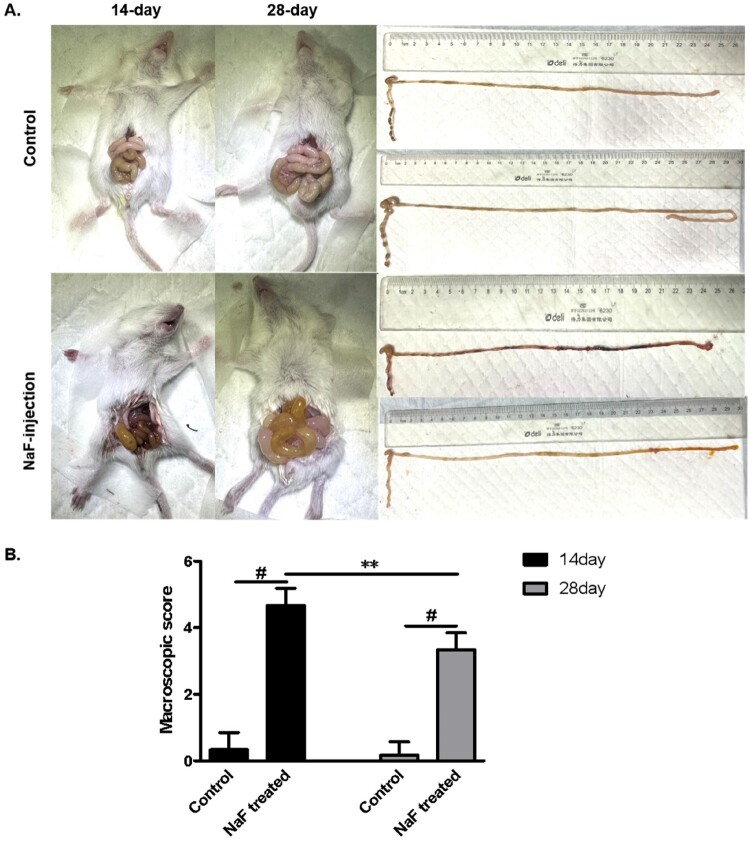
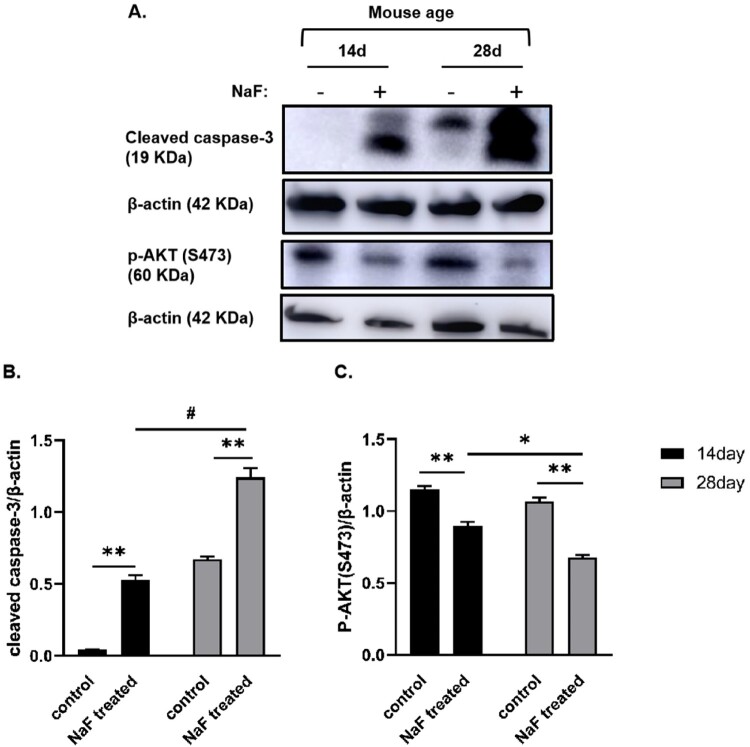
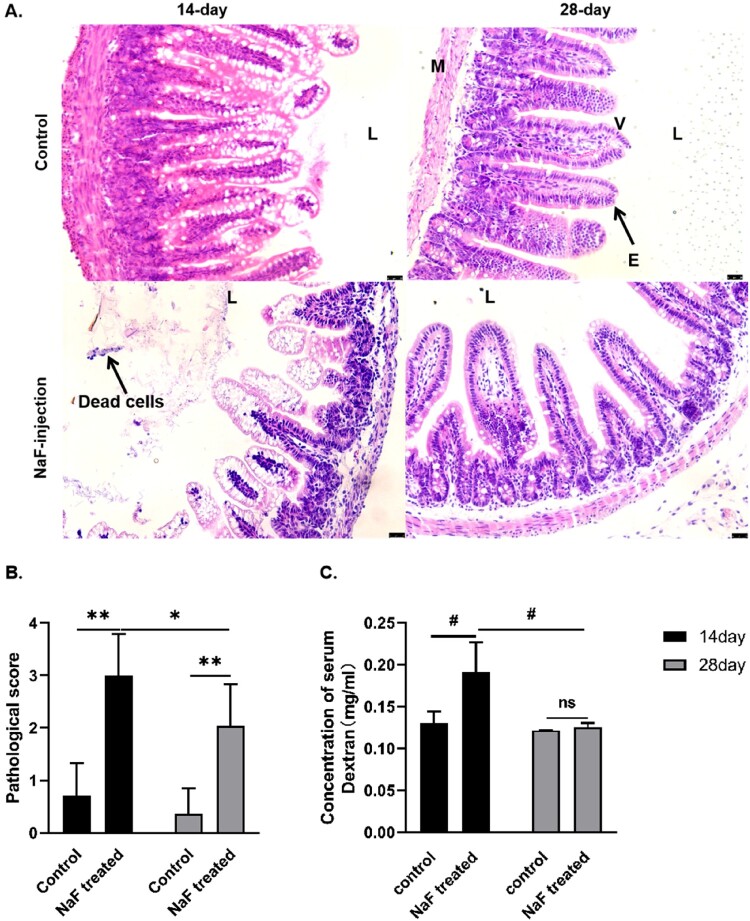
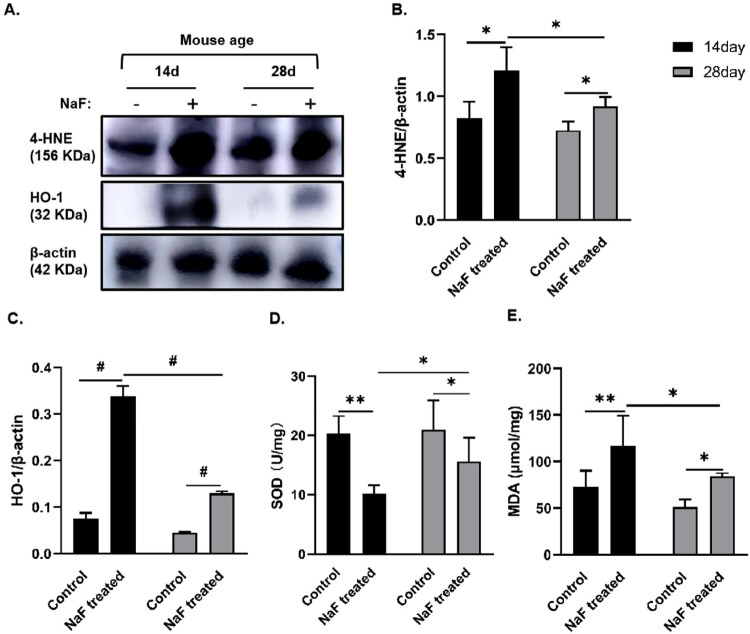
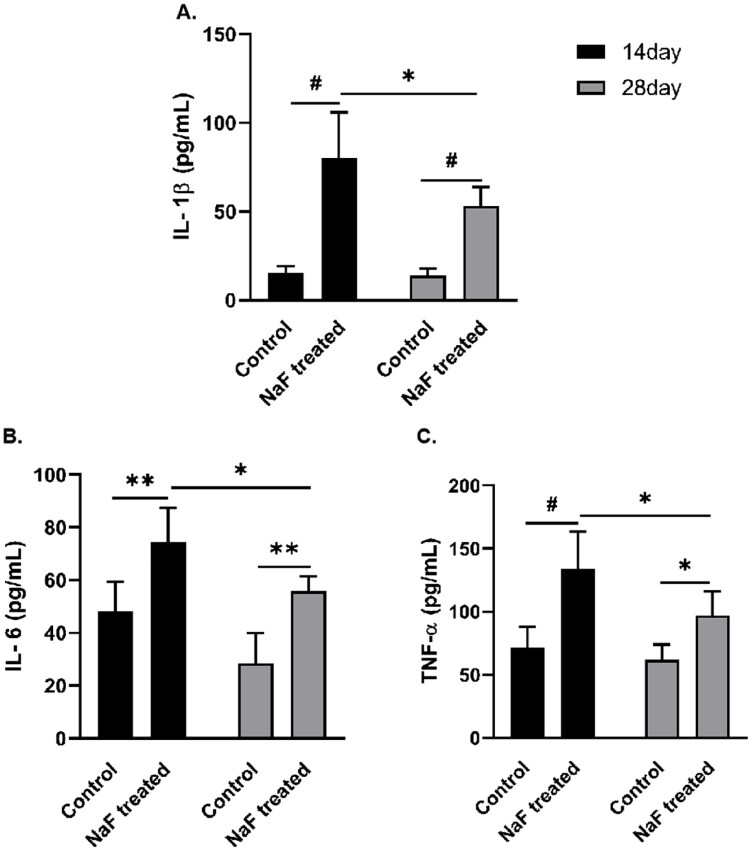
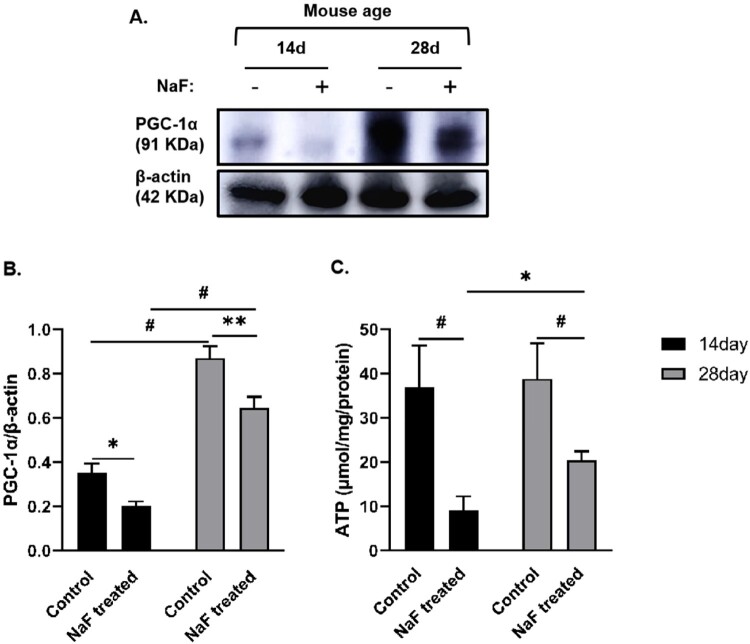
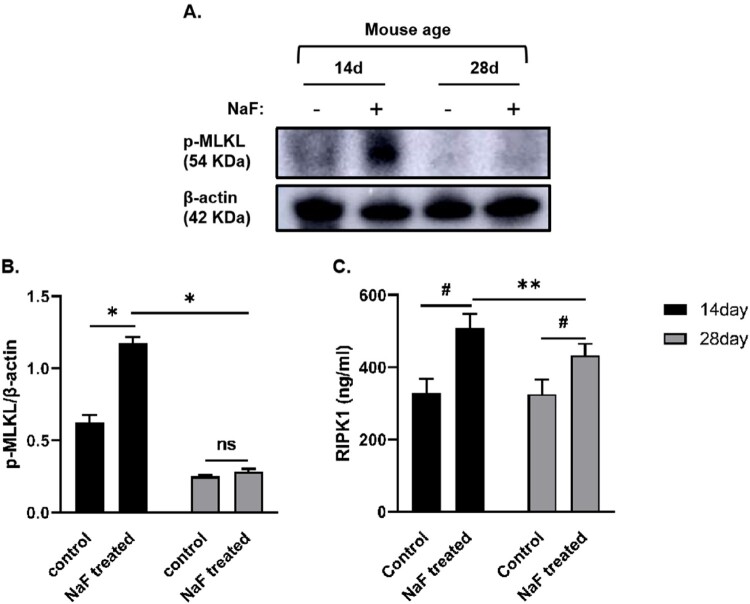
In this study, 150 mM NaF solution was intraluminally injected in 14-day-old and 28-day-old mice. Mice were sacrificed after 24 h of feces collection, and the blood and small intestinal tissues were collected to detect the pathological damage of intestinal tissue, intestinal permeability, oxidative stress indicators including SOD, HO-1, MDA, and 4-HNE, inflammatory cytokines including IL-1β, TNF-α and IL-6, mitochondrial function such as ATP and PGC-1α in mice intestinal tissue, indicators of the cell death modes including necroptosis-related protein RIPK1 and p-MLKL, and apoptosis- related protein cleaved-caspase-3 and p-AKT (S473).
NaF treatment significantly damaged intestinal epithelial tissue and barrier function, caused mitochondrial dysfunction, manifesting as decreased ATP and PGC-1α levels, increased lipid peroxidation products MDA and 4-HNE, depleted antioxidant enzyme SOD, and upregulated the expression of HO-1. Furthermore, NaF treatment induced inflammatory responses by promoting the release of IL-1β, IL-6 and TNF-α in a development-dependent manner, eventually inducing necroptosis and apoptosis.
Formate may be a source of metabolic intestinal injury contributing to the pathogenesis of NEC in human newborns.
坏死性小肠结肠炎(NEC)是一种常见且有时会致命的疾病,影响早产儿。在NEC患者的粪便中发现甲酸水平升高。甲酸钠(NaF)用于探究甲酸在肠上皮损伤中的作用。
在本研究中,将150 mM NaF溶液经肠腔内注射到14日龄和28日龄小鼠体内。收集粪便24小时后处死小鼠,采集血液和小肠组织,以检测肠组织的病理损伤、肠道通透性、氧化应激指标(包括超氧化物歧化酶(SOD)、血红素加氧酶-1(HO-1)、丙二醛(MDA)和4-羟基壬烯醛(4-HNE))、炎症细胞因子(包括白细胞介素-1β(IL-1β)、肿瘤坏死因子-α(TNF-α)和白细胞介素-6(IL-6))、小鼠肠组织中的线粒体功能指标(如三磷酸腺苷(ATP)和过氧化物酶体增殖物激活受体γ共激活因子-1α(PGC-1α))、细胞死亡模式指标(包括坏死性凋亡相关蛋白受体相互作用丝氨酸/苏氨酸蛋白激酶1(RIPK1)和磷酸化混合谱系激酶结构域样蛋白(p-MLKL))以及凋亡相关蛋白裂解型半胱天冬酶-3(cleaved-caspase-3)和磷酸化蛋白激酶B(p-AKT(S473))。
NaF处理显著损伤肠上皮组织和屏障功能,导致线粒体功能障碍,表现为ATP和PGC-1α水平降低、脂质过氧化产物MDA和4-HNE增加、抗氧化酶SOD耗竭以及HO-1表达上调。此外,NaF处理以发育依赖的方式促进IL-1β﹑IL-6和TNF-α的释放,从而诱导炎症反应,最终诱导坏死性凋亡和凋亡。
甲酸可能是导致人类新生儿NEC发病机制的代谢性肠损伤来源。