Zhang Chuqing, Deng Zhenji, Wu Jiawei, Ding Cong, Li Zhe, Xu Zhimin, Chen Weipeng, Yang Kaibin, Wei Hanmiao, He Tingxiang, Long Liufen, Ma Jun, Xu Cheng, Liang Xiaoyu
State Key Laboratory of Oncology in South China, Collaborative Innovation Center of Cancer Medicine, Guangdong Key Laboratory of Nasopharyngeal Carcinoma Diagnosis and Therapy, Guangdong Provincial Clinical Research Center for Cancer.
Department of Radiation Oncology.
J Clin Invest. 2024 Dec 2;134(23):e181044. doi: 10.1172/JCI181044.
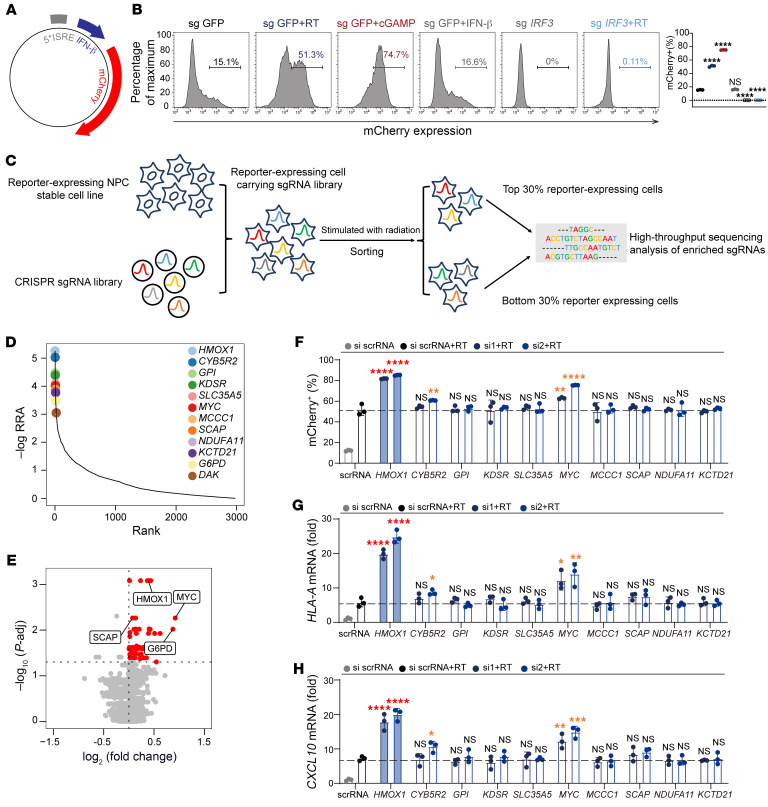
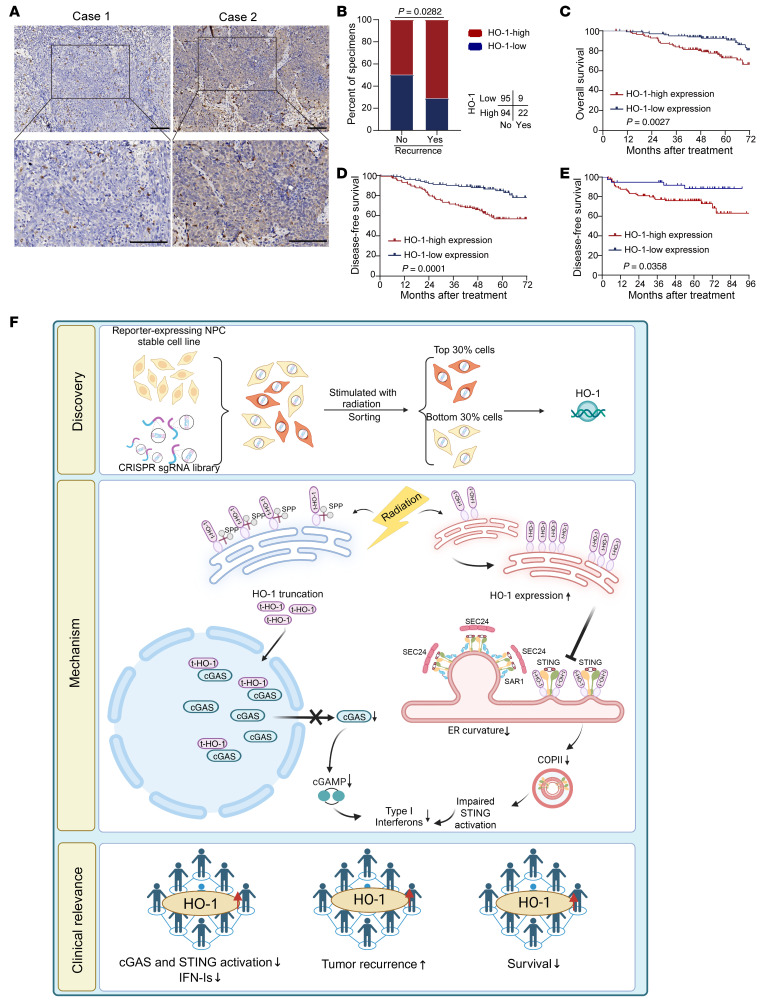
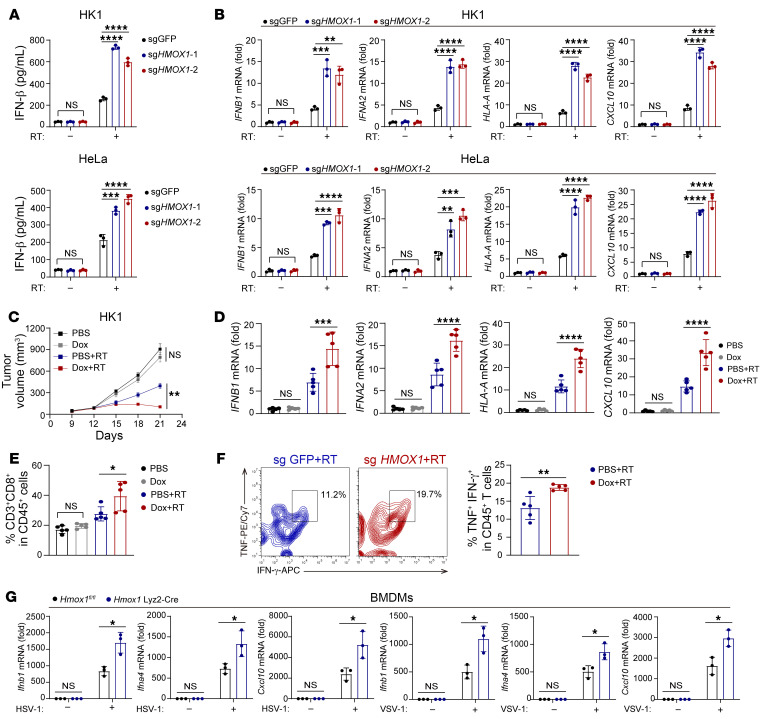
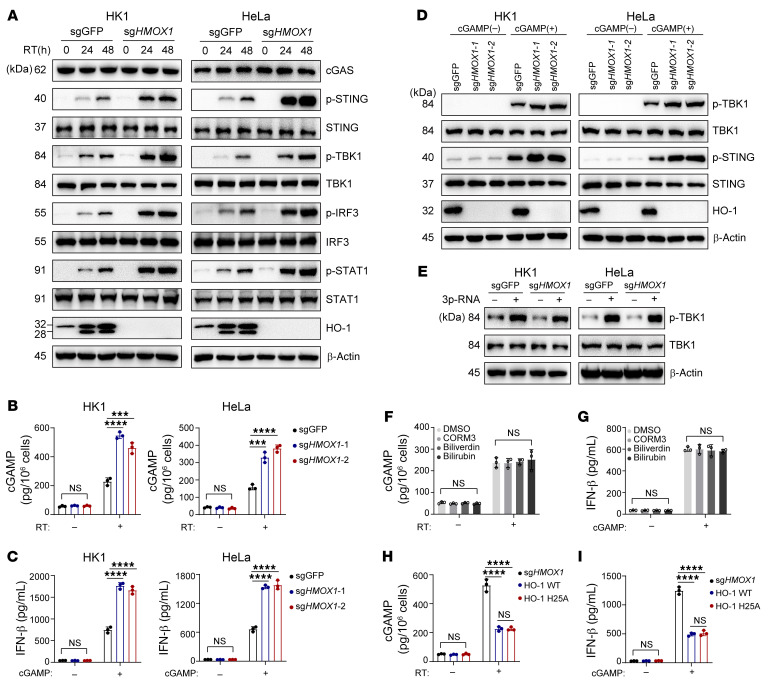
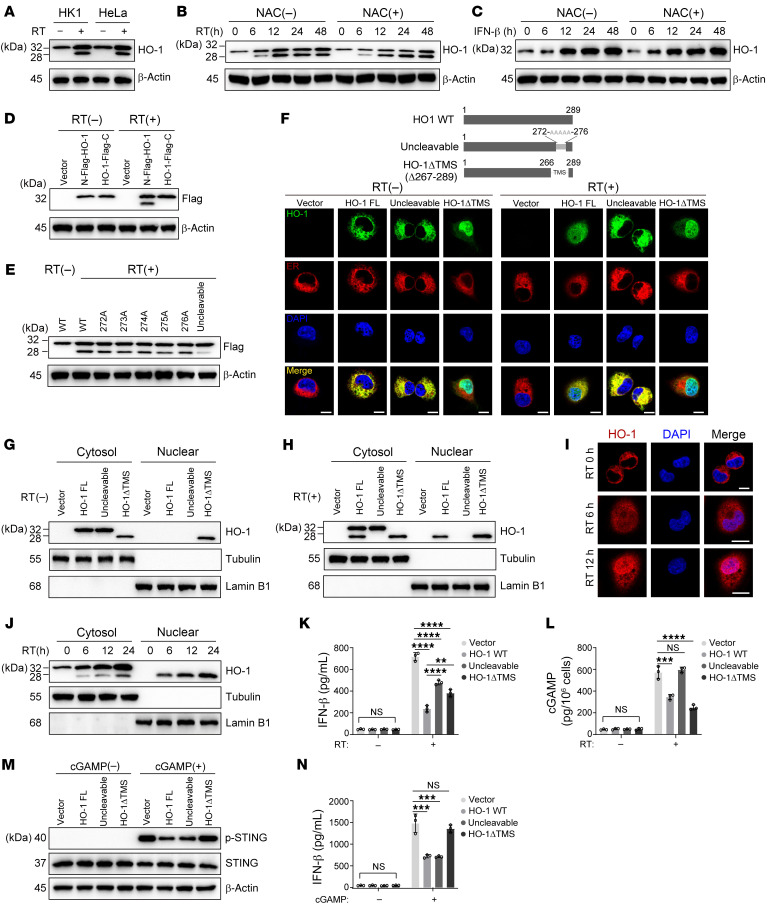
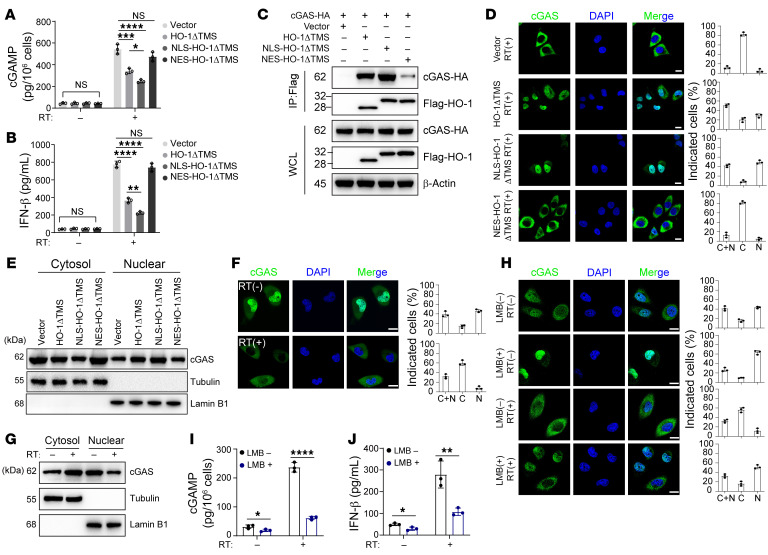
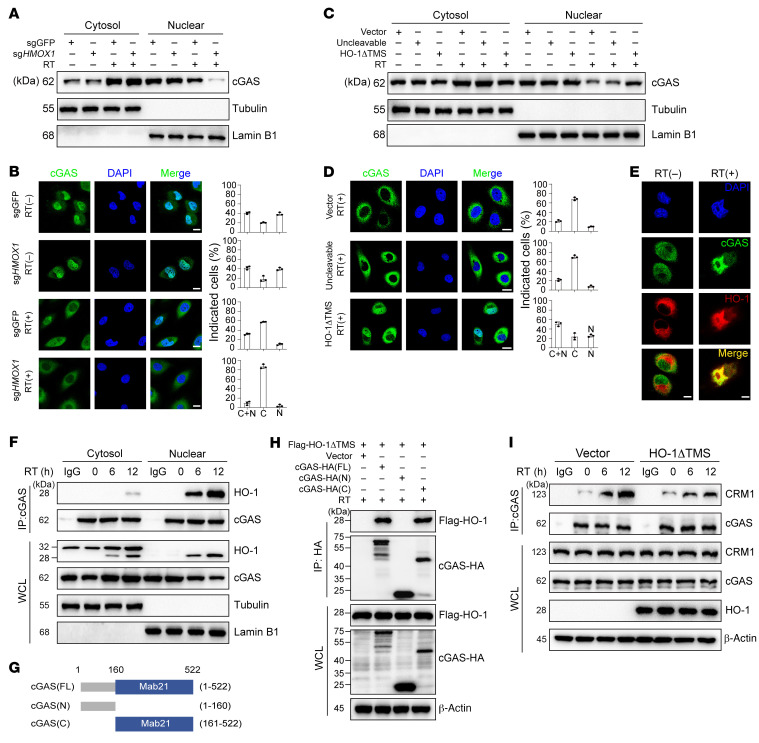
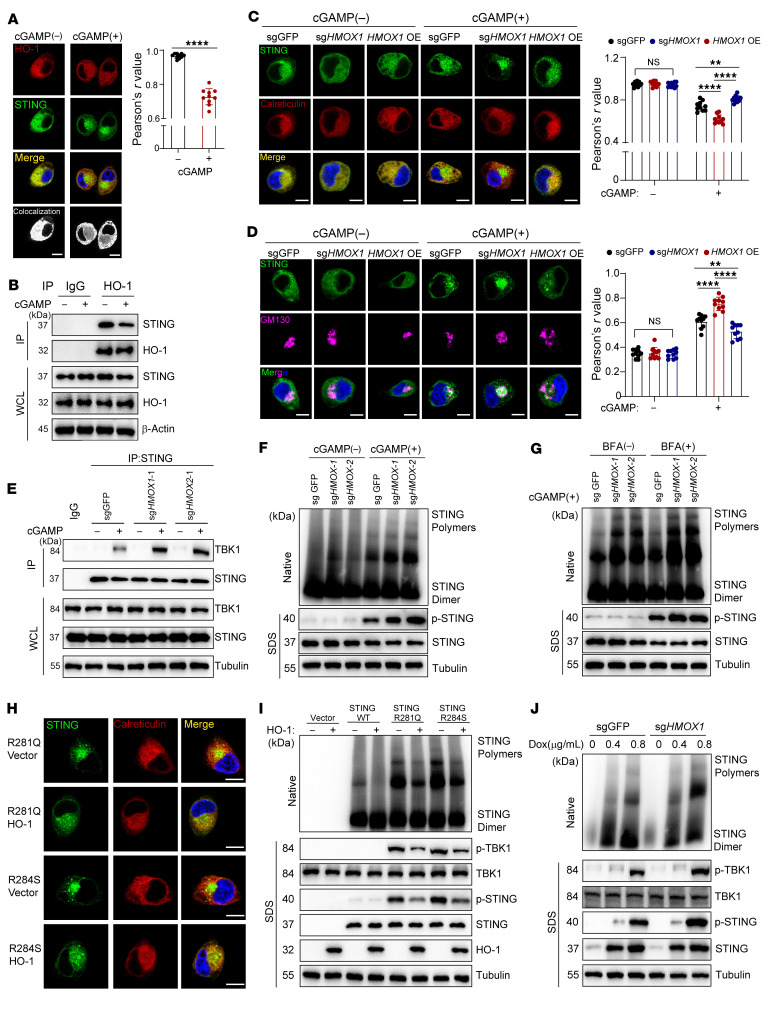
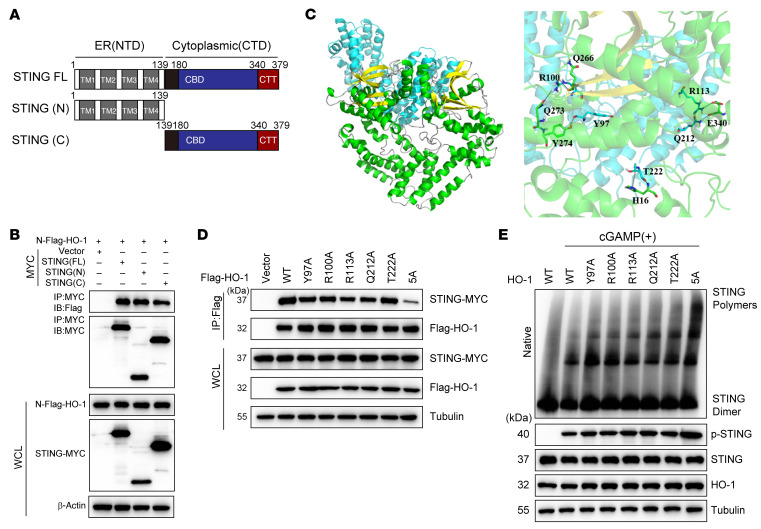
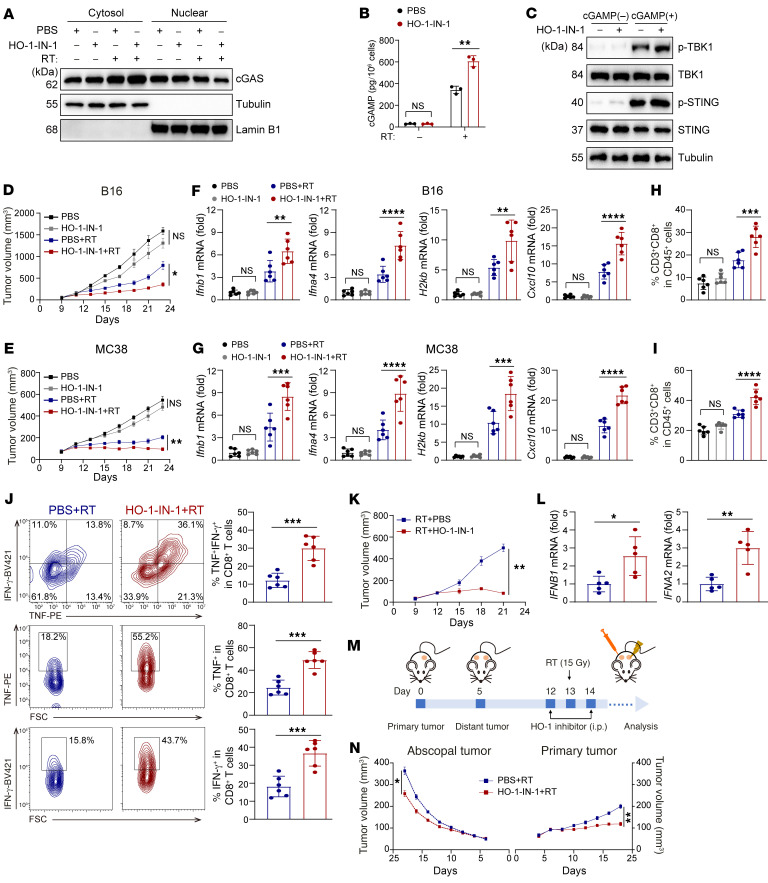
Type I IFNs (IFN-Is) induced by radiotherapy (RT) are critical for its efficacy, while the mechanism by which tumor cells inhibit IFN-I production remains largely unsolved. By an unbiased CRISPR screen, we identified hemeoxygenase 1 (HO-1) as an RT-related regulator of IFN-I production. Mechanistically, the ER-anchored, full-length HO-1 disrupted stimulator of IFN genes (STING) polymerization and subsequent coat protein complex II-mediated (COPII-mediated) ER-Golgi transportation, leading to hampered activation of downstream signaling. This process was exacerbated by the upregulation of HO-1 expression under RT. Importantly, RT also induced HO-1 cleavage. Cleaved HO-1 underwent nuclear translocation, interacted with cyclic GMP-AMP synthase (cGAS), and inhibited its nuclear export upon irradiation, leading to suppressed 2'3'-cyclic GMP-AMP (cGAMP) production. Furthermore, we revealed that HO-1 inhibitors could enhance local and distant tumor control of RT in vivo. Clinically, higher HO-1 expression was associated with a poorer prognosis and earlier tumor relapse after RT in multiple types of patient tumors. Collectively, through comprehensive inhibition of the cGAS/STING pathway, HO-1 strongly inhibited RT-induced IFN-I production, and targeting HO-1 was shown to be a promising RT-sensitizing therapeutic strategy.
放疗(RT)诱导产生的I型干扰素(IFN-I)对其疗效至关重要,而肿瘤细胞抑制IFN-I产生的机制在很大程度上仍未得到解决。通过无偏向性的CRISPR筛选,我们确定血红素加氧酶1(HO-1)是RT相关的IFN-I产生调节因子。从机制上讲,内质网锚定的全长HO-1破坏了干扰素基因刺激物(STING)的聚合以及随后的衣被蛋白复合物II介导的(COPII介导的)内质网-高尔基体运输,导致下游信号激活受阻。在RT条件下HO-1表达上调会加剧这一过程。重要的是,RT还会诱导HO-1裂解。裂解后的HO-1发生核转位,与环状GMP-AMP合酶(cGAS)相互作用,并在照射后抑制其核输出,导致2'3'-环状GMP-AMP(cGAMP)产生受到抑制。此外,我们发现HO-1抑制剂可增强RT在体内对局部和远处肿瘤的控制。临床上,在多种类型的患者肿瘤中,较高的HO-1表达与RT后较差的预后和较早的肿瘤复发相关。总体而言,通过全面抑制cGAS/STING途径,HO-1强烈抑制RT诱导的IFN-I产生,并且靶向HO-1被证明是一种有前景的放疗增敏治疗策略。