Imaoka Tomoki, Onuki-Nagasaki Reiko, Kimura Hiroshi, Tai Kempei, Ishii Mitsuharu, Nozue Ayaka, Kaisaki Ikuko, Hoshi Misa, Watanabe Kengo, Maeda Kazuya, Kamizono Takashi, Yoshioka Takahiro, Fujimoto Takashi, Satoh Taku, Nakamura Hiroko, Ando Osamu, Kusuhara Hiroyuki, Ito Yuzuru
Drug Metabolism & Pharmacokinetics Research Laboratories, Daiichi Sankyo Co., Ltd, 1-2-58, Hiromachi, Shinagawa-ku, Tokyo, 140-8710, Japan.
Institute of Life and Environmental Sciences, University of Tsukuba, 1-1-1 Tennodai, Tsukuba, 305-8572, Ibaraki, Japan.
Sci Rep. 2024 Dec 2;14(1):29921. doi: 10.1038/s41598-024-80946-6.
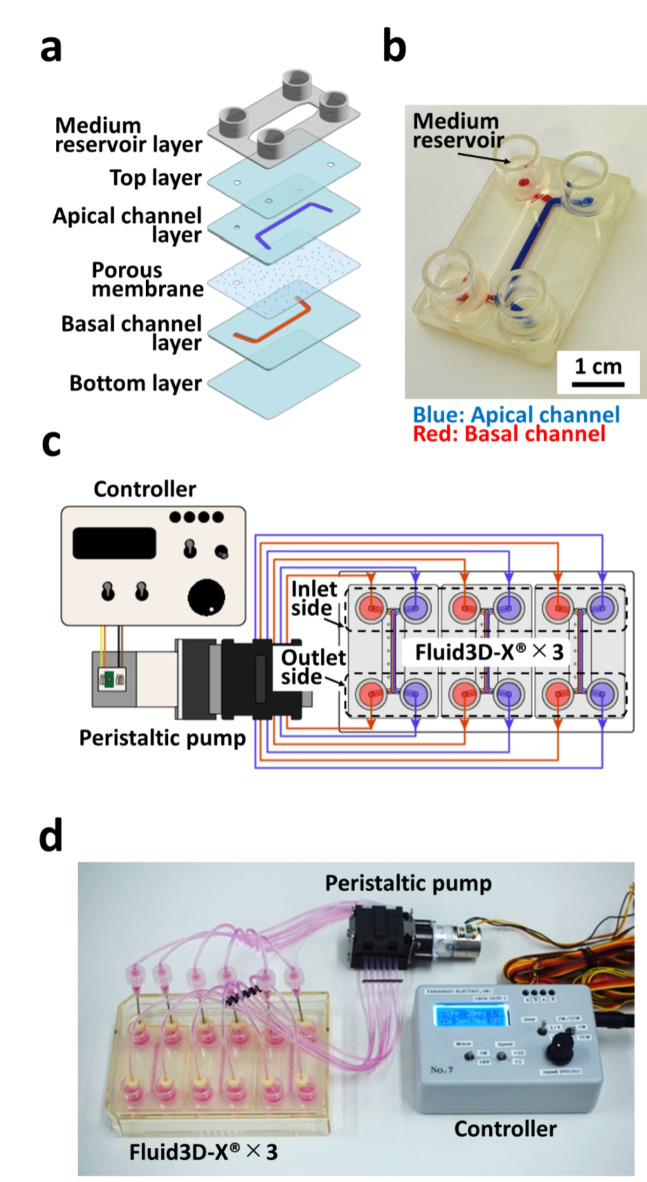
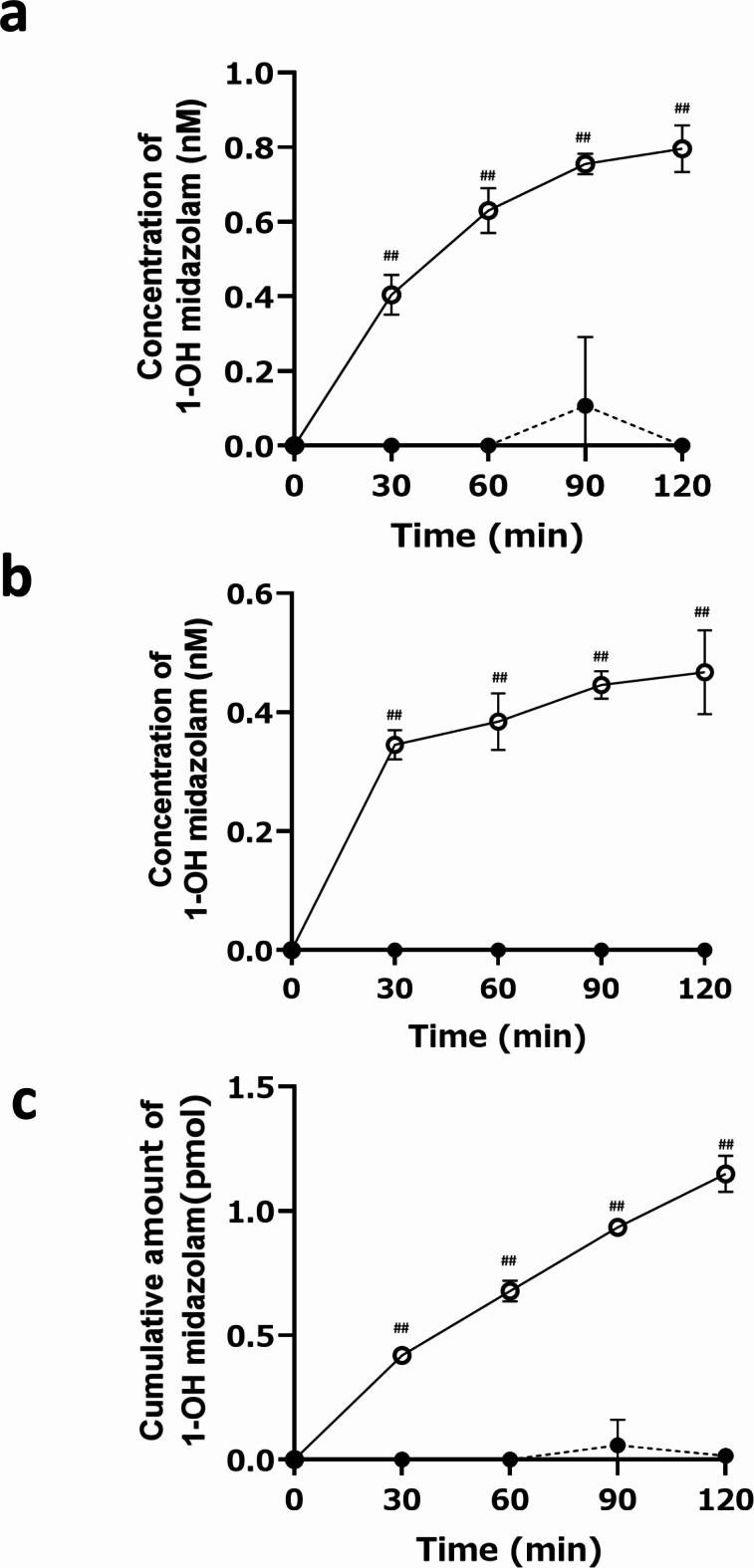
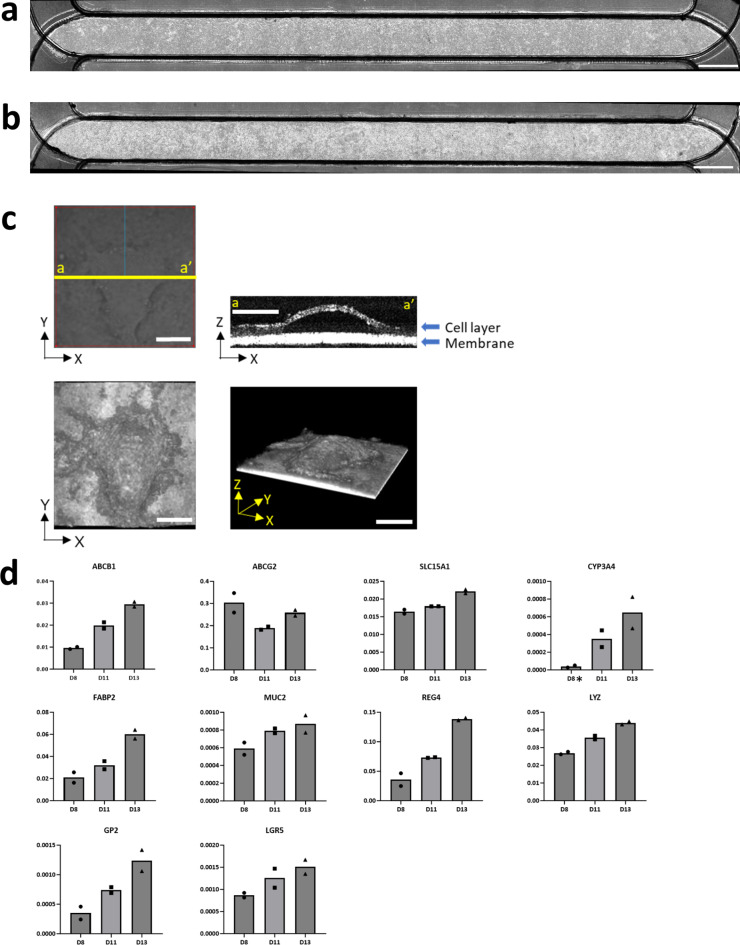
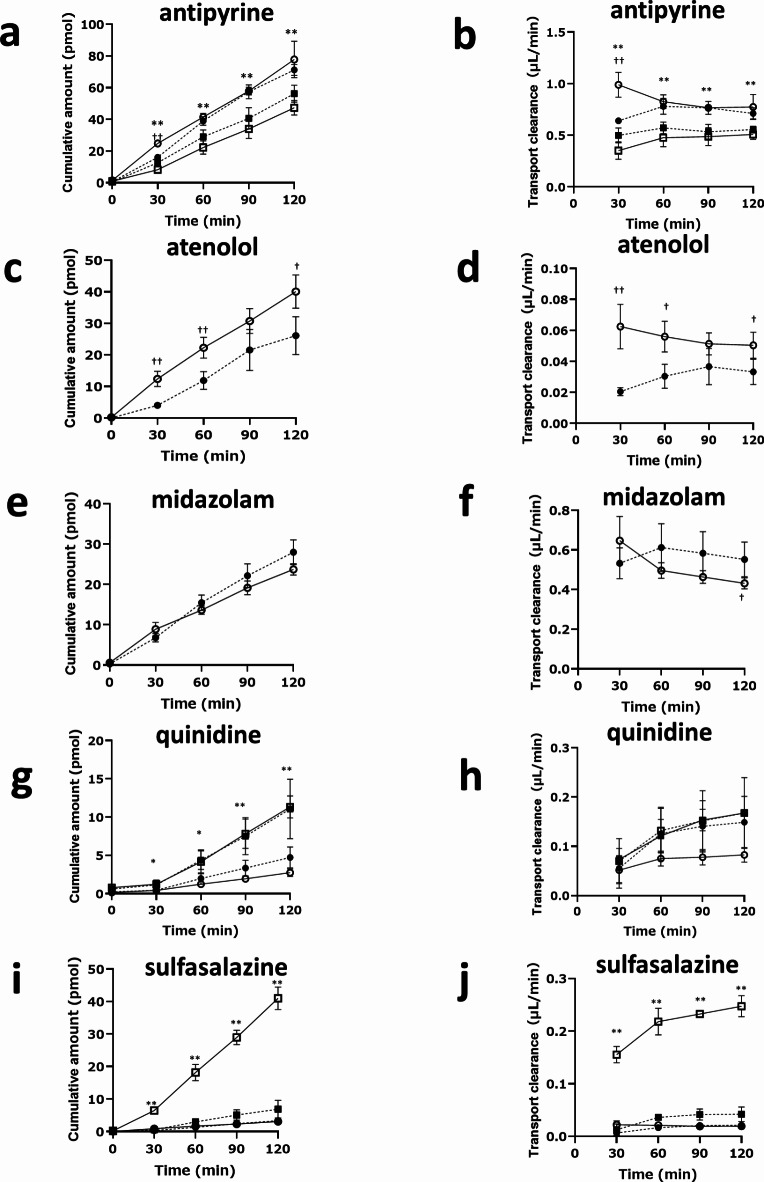
There is an urgent need for novel methods that can accurately predict intestinal absorption of orally administered drugs in humans. This study aimed to evaluate the potential of a novel gut microphysiological system (MPS), gut MPS/Fluid3D-X, to assess the intestinal absorption of drugs in humans. The gut MPS/Fluid3D-X model was constructed using a newly developed flow-controllable and dimethylpolysiloxane-free MPS device (Fluid3D-X). Human induced pluripotent stem cells-derived small intestinal epithelial cells were employed in this model, which exhibited key characteristics of the human absorptive epithelial cells of the small intestine, including the expression of key gene transcripts responsible for drug transport and metabolism, and the presence of dome-like protrusions in the primary intestinal epithelium under air-liquid interface culture conditions. Functional studies of transporters in the constructed model demonstrated basal-to-apical directional transport of sulfasalazine and quinidine, substrates of the active efflux transporters breast cancer resistance protein and P-glycoprotein, respectively, which were diminished by inhibitors. Furthermore, a cytochrome P450 (CYP) 3A inhibitor increased the apical-to-basal transport of midazolam, a typical CYP3A4 substrate, and reduced metabolite formation. These results suggest that gut MPS/Fluid3D-X has the potential to assess the intestinal absorption of small-molecule drugs.
迫切需要能够准确预测口服药物在人体肠道吸收情况的新方法。本研究旨在评估一种新型肠道微生理系统(MPS)——肠道MPS/Fluid3D-X评估人体药物肠道吸收的潜力。肠道MPS/Fluid3D-X模型是使用新开发的流量可控且无二甲基聚硅氧烷的MPS装置(Fluid3D-X)构建的。该模型采用了人诱导多能干细胞衍生的小肠上皮细胞,这些细胞表现出小肠人吸收性上皮细胞的关键特征,包括负责药物转运和代谢的关键基因转录本的表达,以及在气液界面培养条件下原代肠上皮中圆顶状突起的存在。对构建模型中转运体的功能研究表明,柳氮磺胺吡啶和奎尼丁分别为活性外排转运体乳腺癌耐药蛋白和P-糖蛋白的底物,呈现从基底到顶端的定向转运,而抑制剂可使其转运减少。此外,细胞色素P450(CYP)3A抑制剂增加了典型CYP3A4底物咪达唑仑从顶端到基底的转运,并减少了代谢产物的形成。这些结果表明,肠道MPS/Fluid3D-X有潜力评估小分子药物的肠道吸收。