Panagopoulos Dimitris J, Karabarbounis Andreas, Chrousos George P
Choremeion Research Laboratory, 1st Department of Paediatrics, Medical School, National and Kapodistrian University of Athens, 11527, Athens, Greece.
Electromagnetic Field-Biophysics Research Laboratory, Athens, Greece.
Sci Rep. 2024 Dec 3;14(1):30053. doi: 10.1038/s41598-024-77883-9.
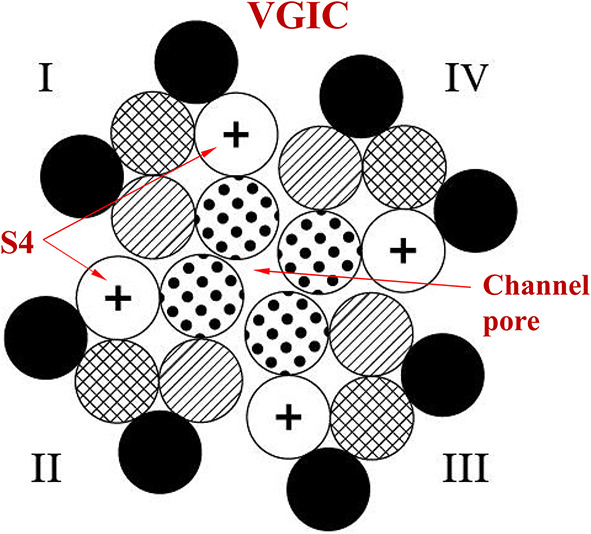
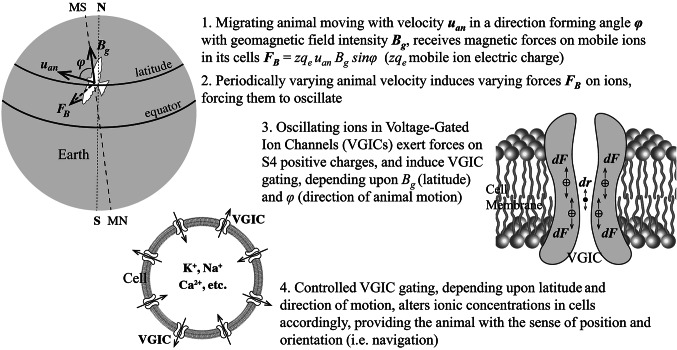
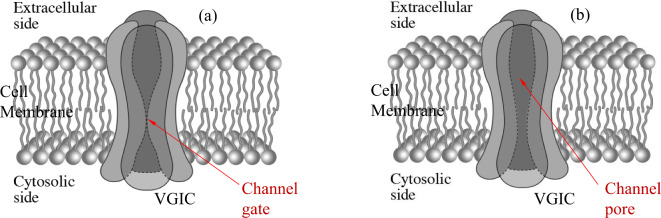
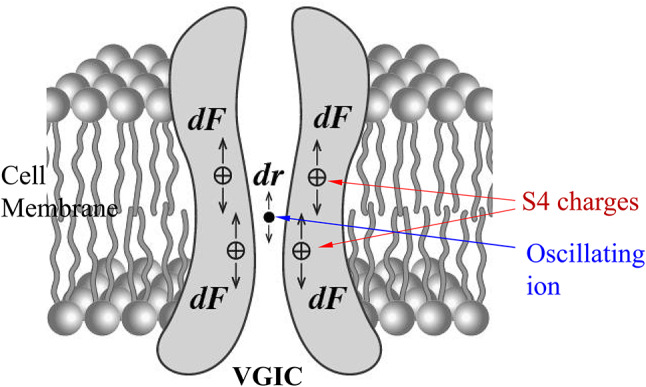
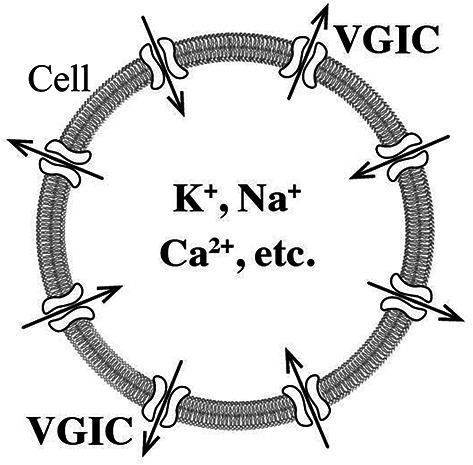
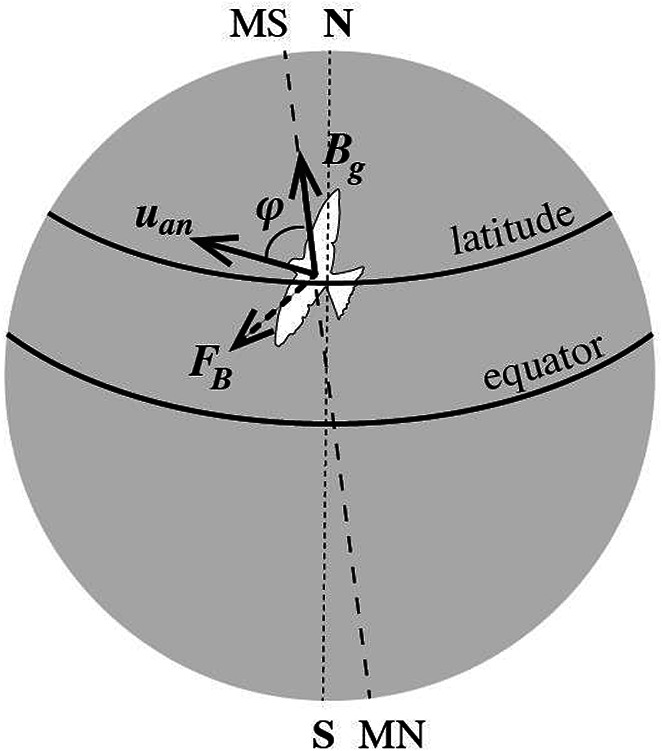
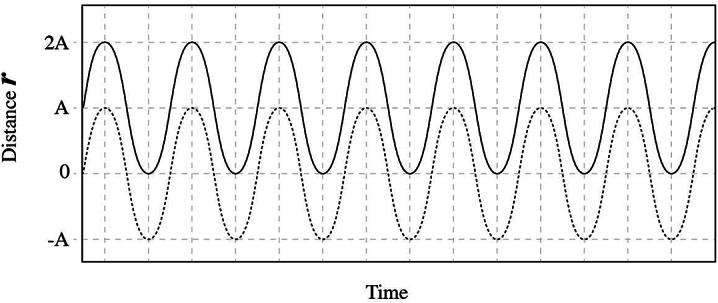
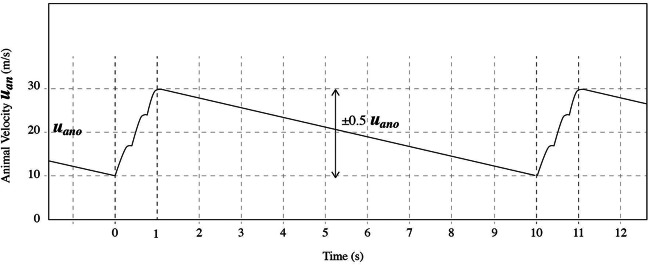
We describe a biophysical mechanism for animal magnetoreception, orientation and navigation in the geomagnetic field (GMF), based on the ion forced oscillation (IFO) mechanism in animal cell membrane voltage-gated ion channels (VGICs) (IFO-VGIC mechanism). We review previously suggested hypotheses. We describe the structure and function of VGICs and argue that they are the most sensitive electromagnetic sensors in all animals. We consider the magnetic force exerted by the GMF on a mobile ion within a VGIC of an animal with periodic velocity variation. We apply this force in the IFO equation resulting in solution connecting the GMF intensity with the velocity variation rate. We show that animals with periodic velocity variations, receive oscillating forces on their mobile ions within VGICs, which are forced to oscillate exerting forces on the voltage sensors of the channels, similar or greater to the forces from membrane voltage changes that normally induce gating. Thus, the GMF in combination with the varying animal velocity can gate VGICs and alter cell homeostasis in a degree depending, for a given velocity and velocity variation rate, on GMF intensity (unique in each latitude) and the angle between velocity and GMF axis, which determine animal position and orientation.
我们基于动物细胞膜电压门控离子通道(VGICs)中的离子强迫振荡(IFO)机制(IFO-VGIC机制),描述了一种动物在地磁场(GMF)中进行磁感受、定向和导航的生物物理机制。我们回顾了先前提出的假说。我们描述了VGICs的结构和功能,并认为它们是所有动物中最灵敏的电磁传感器。我们考虑了地磁场对具有周期性速度变化的动物的VGIC内移动离子施加的磁力。我们将此力应用于IFO方程,得出将地磁场强度与速度变化率联系起来的解。我们表明,具有周期性速度变化的动物,其VGIC内的移动离子会受到振荡力,这些离子被迫振荡并对通道的电压传感器施加与通常诱导门控的膜电压变化所产生的力相似或更大的力。因此,地磁场与动物变化的速度相结合,可以使VGICs门控,并在一定程度上改变细胞内稳态,对于给定的速度和速度变化率,这取决于地磁场强度(在每个纬度都是独特的)以及速度与地磁场轴之间的夹角,这些决定了动物的位置和方向。