De Paepe Audrey E, Plana-Alcaide Yemila, Garcia-Gorro Clara, Rodriguez-Dechicha Nadia, Vaquer Irene, Calopa Matilde, de Diego-Balaguer Ruth, Camara Estela
Cognition and Brain Plasticity Unit, Bellvitge Biomedical Research Institute - IDIBELL], L'Hospitalet de Llobregat, Barcelona, 08097, Spain.
Department of Cognition, Development and Education Psychology, Universitat de Barcelona, Barcelona, Spain.
Sci Rep. 2024 Dec 4;14(1):30156. doi: 10.1038/s41598-024-76680-8.
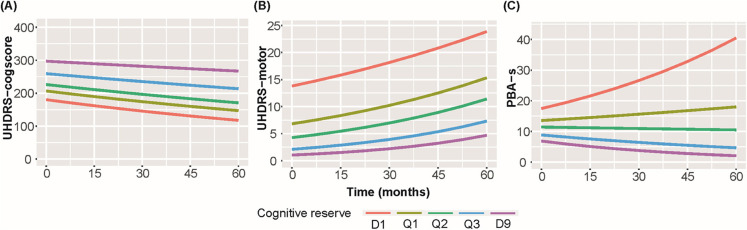
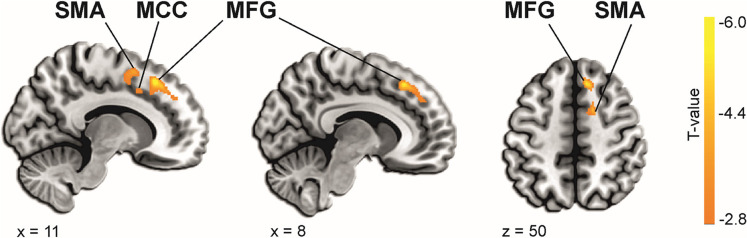
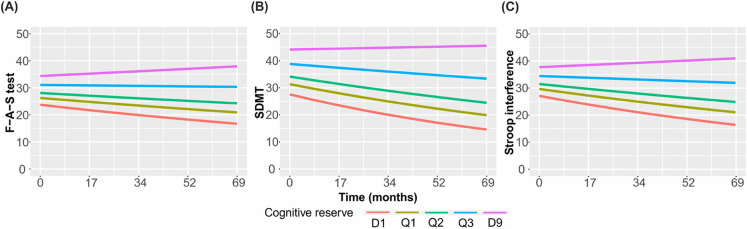
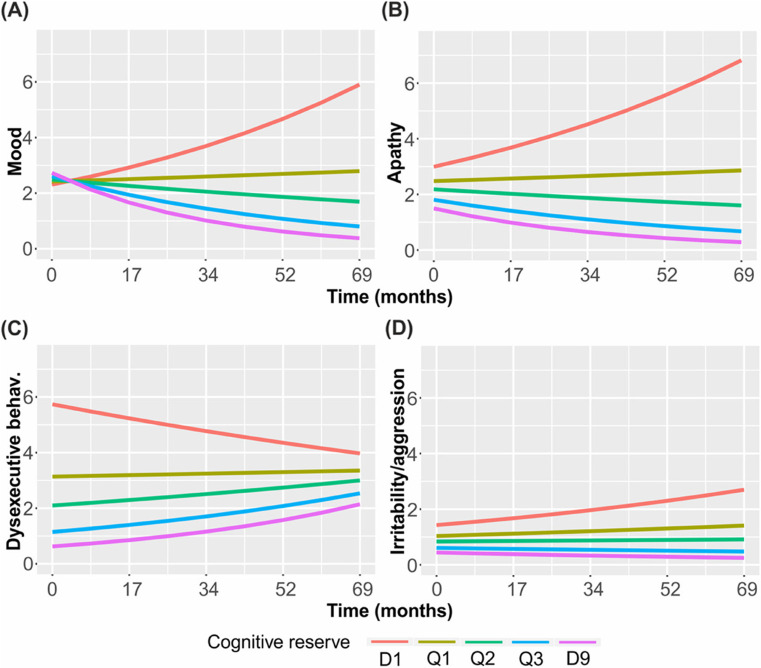
Lifelong cognitive engagement conveys benefits in Huntington's disease (HD) and may positively affect non-cognitive domains in other populations. However, the effect of lifelong cognitive engagement on the progression of motor and psychiatric domains in HD remains unknown, as is its neurobiological basis. Forty-five HD individuals completed the Cognitive Reserve Questionnaire (CRQ) and longitudinal clinical evaluation (maximum total of six visits, mean inter-assessment duration of 13.53 ± 4.1 months). Of these, thirty-three underwent longitudinal neuroimaging (18 ± 6 months follow-up). Generalized linear mixed-effects models were executed to predict the effect of individual differences in lifelong cognitive engagement on HD clinical progression and voxel-based morphometry to explore the impact of lifelong cognitive engagement on whole-brain gray matter volume atrophy. Controlling for age, disease stage, and sex, higher CRQ scores were associated with reduced overall severity and longitudinal progression across cognitive, motor, and psychiatric domains. Those with higher CRQ scores demonstrated reduced gray matter volume loss in the middle frontal gyrus, supplementary motor area, and middle cingulate. This putative impact on HD clinical progression may be conferred by preservation of brain volume in neural hubs that integrate executive function with action initiation and behavioral regulation, providing support for early cognitive engagement, even prior to diagnosis.
终身认知参与对亨廷顿病(HD)有益,并且可能对其他人群的非认知领域产生积极影响。然而,终身认知参与对HD运动和精神领域进展的影响及其神经生物学基础仍不清楚。45名HD患者完成了认知储备问卷(CRQ)和纵向临床评估(最多共6次就诊,平均评估间隔时间为13.53±4.1个月)。其中,33人接受了纵向神经影像学检查(随访18±6个月)。采用广义线性混合效应模型预测终身认知参与的个体差异对HD临床进展的影响,并采用基于体素的形态学测量方法探讨终身认知参与对全脑灰质体积萎缩的影响。在控制年龄、疾病阶段和性别后,较高的CRQ得分与认知、运动和精神领域的总体严重程度降低及纵向进展减缓相关。CRQ得分较高者在额中回、辅助运动区和扣带回中部的灰质体积损失减少。这种对HD临床进展的假定影响可能是通过保留将执行功能与动作发起和行为调节整合在一起的神经枢纽中的脑容量来实现的,这为即使在诊断之前就尽早进行认知参与提供了支持。