Jog Aniruddha S, Nagendra Shashank, Bandgar Pranay, Goud Karthik S
General Internal Medicine, Grant Government Medical College, Mumbai, IND.
Neurology, Grant Government Medical College, Mumbai, IND.
Cureus. 2024 Dec 3;16(12):e75034. doi: 10.7759/cureus.75034. eCollection 2024 Dec.
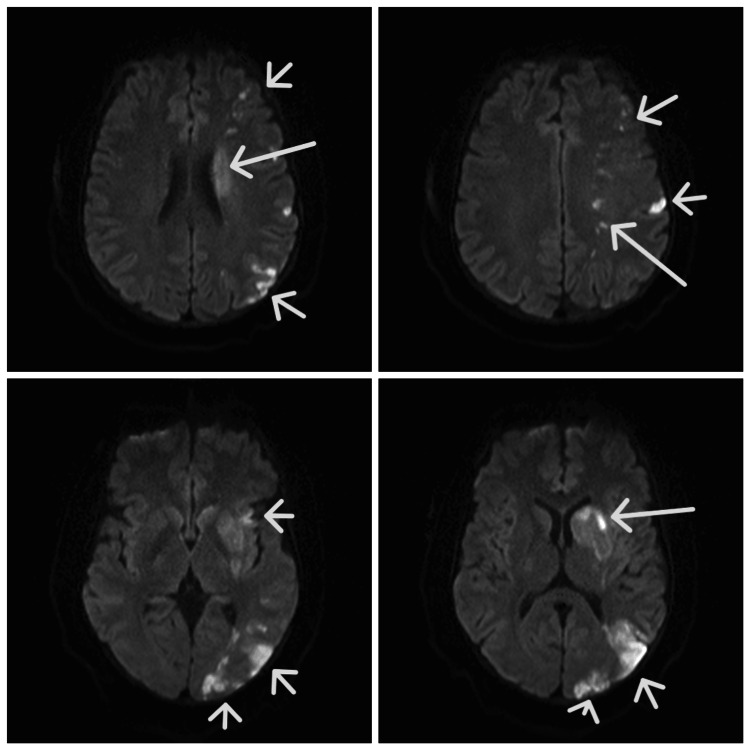
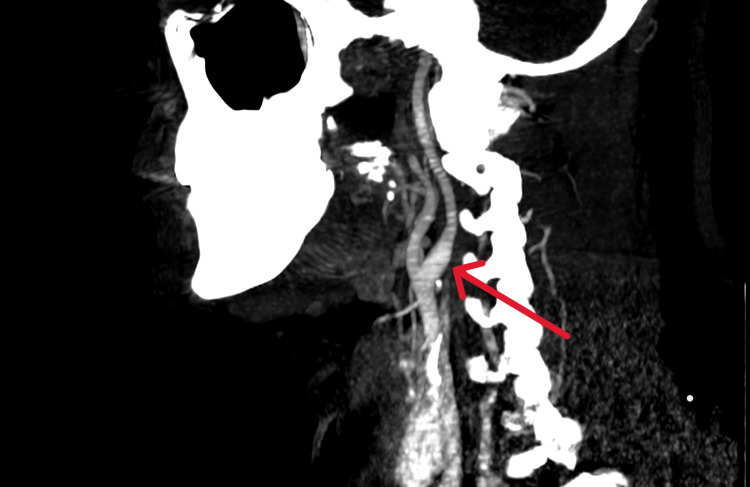
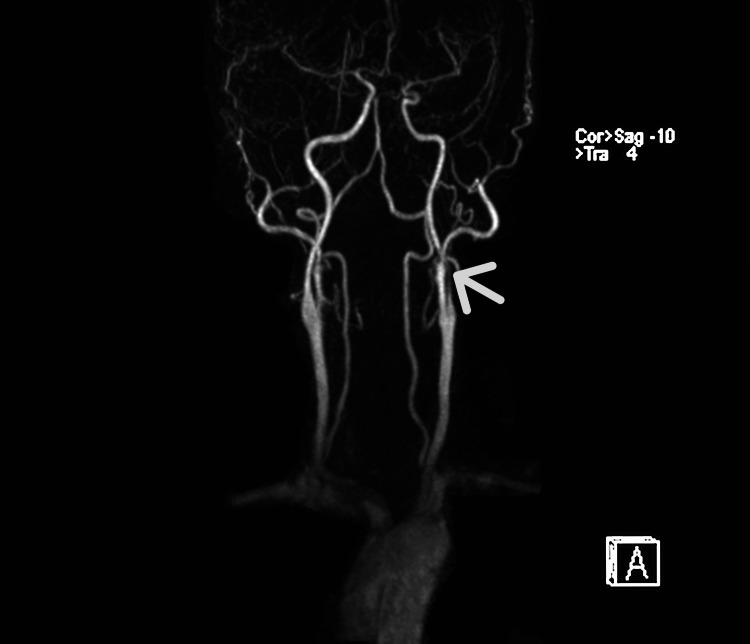
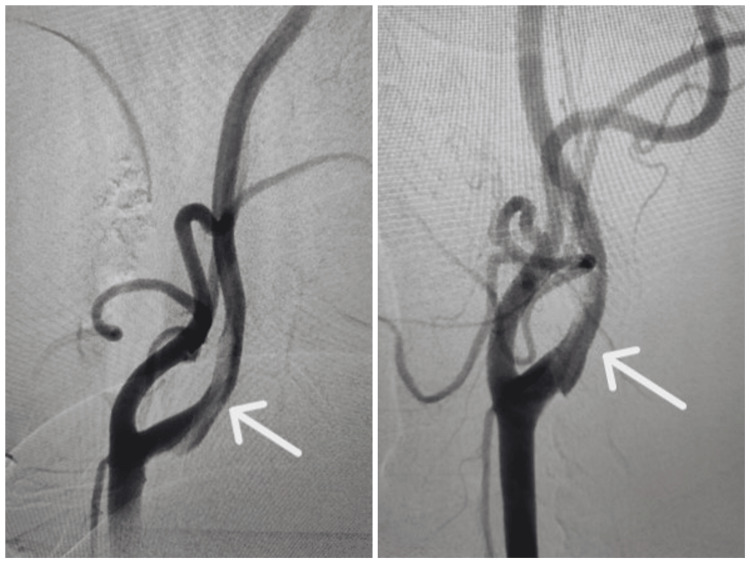
Embolic strokes of undetermined source (ESUS) form a quarter of all ischemic strokes, with the majority of them being thromboembolic. Carotid free-floating thrombus (CFFT) is a rare cause of ischemic stroke. There are no current guidelines outlining the management of CFFT. Patent foramen ovale (PFO) is a common cardiac abnormality that is generally not considered to be an independent risk factor for stroke. But, in certain stroke cases involving younger patients (<55 years old), PFO may be a source of paradoxical embolism. However, ipsilateral atherosclerosis in carotids has a low prevalence in patients with clinically significant PFO. We present an unusual case of stroke with two possible etiologies, CFFT, and a large PFO, begging the question, which lesion was the culprit?
不明来源栓塞性卒中(ESUS)占所有缺血性卒中的四分之一,其中大多数为血栓栓塞性。颈动脉漂浮血栓(CFFT)是缺血性卒中的罕见病因。目前尚无关于CFFT管理的指南。卵圆孔未闭(PFO)是一种常见的心脏异常,通常不被认为是卒中的独立危险因素。但是,在某些涉及年轻患者(<55岁)的卒中病例中,PFO可能是反常栓塞的来源。然而,在具有临床意义的PFO患者中,同侧颈动脉粥样硬化的患病率较低。我们报告了一例不寻常的卒中病例,有两种可能的病因,即CFFT和大型PFO,这就引出了一个问题,哪个病变是罪魁祸首?