Nurkoç Serdar Gökhan, Atan Şeyhmus, Adalı Mehmet Koray, Demir Mevlüt, Yavuz Yunus Emre, Açar Burak, Altınsoy Meltem, Tanboğa İbrahim Halil, Kahraman Fatih
Yozgat City Hospital, Cardiology Clinic - Yozgat, Turkey.
Ankara University, Faculty of Medicine, Department of Cardiology - Ankara, Turkey.
Rev Assoc Med Bras (1992). 2024 Dec 2;70(12):e20240958. doi: 10.1590/1806-9282.20240958.
Controlling Nutritional Status score was previously described and has been used in predicting short- and long-term outcomes in different patient populations. The aim of this study was to test the relationship between Controlling Nutritional Status score and in-hospital mortality in coronary care unit patients (MORCOR-TURK population).
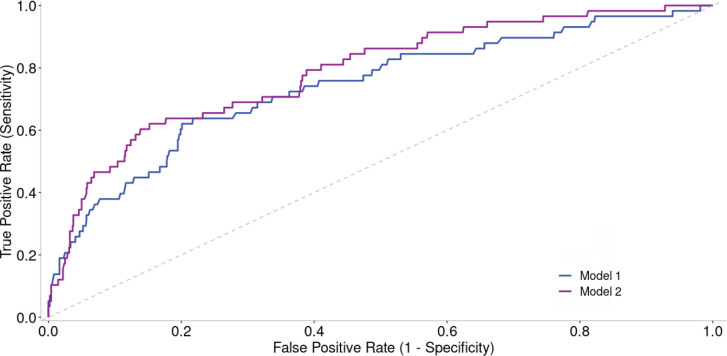
In this multicenter and national study, all patients with an available Controlling Nutritional Status score were included in the analysis. The Controlling Nutritional Status score was calculated according to previously described criteria. To be able to understand the significance of the Controlling Nutritional Status score, we constructed two models. Model 1 included age, heart failure, chronic kidney disease, hypertension, diabetes mellitus, and coronary artery disease history. Model 2 included the Controlling Nutritional Status score and Model 1. We then statistically compared the performances of the two models.
A total of 1,018 patients with known Controlling Nutritional Status scores were included in the analysis. Demographic characteristics are shown. In Model 1, the -2 log-likelihood ratio was 395.995, Nagelkerke R2 was 0.133, and area under the curve was 0.739 (95%CI 0.67-0.81). In the second model to which the Controlling Nutritional Status score is added (Model 2), the -2 log-likelihood ratio was 373.743, Nagelkerke R2 was 0.191, and area under the curve was 0.787 (95%CI 0.72-0.85). The area under the curve value of Model 2 was statistically higher than Model 1 (DeLong p-value: 0.01). A statistically significant correlation was found between death and Controlling Nutritional Status score in Model 2 [OR 1.347 (1.193-1.521), p<0.001].
Our study showed that the Controlling Nutritional Status score may be a significant predictor of in-hospital mortality in coronary care unit patients.
控制营养状况评分先前已有描述,并已用于预测不同患者群体的短期和长期预后。本研究的目的是检验控制营养状况评分与冠心病监护病房患者(MORCOR - TURK人群)院内死亡率之间的关系。
在这项多中心全国性研究中,所有具有可用控制营养状况评分的患者均纳入分析。控制营养状况评分根据先前描述的标准计算。为了理解控制营养状况评分的意义,我们构建了两个模型。模型1包括年龄、心力衰竭、慢性肾病、高血压、糖尿病和冠心病病史。模型2包括控制营养状况评分和模型1。然后我们对两个模型的性能进行了统计学比较。
共有1018例已知控制营养状况评分的患者纳入分析。展示了人口统计学特征。在模型1中,-2对数似然比为395.995,Nagelkerke R2为0.133,曲线下面积为0.739(95%CI 0.67 - 0.81)。在加入控制营养状况评分的第二个模型(模型2)中,-2对数似然比为373.743,Nagelkerke R2为0.191,曲线下面积为0.787(95%CI 0.72 - 0.85)。模型2的曲线下面积值在统计学上高于模型1(DeLong p值:0.01)。在模型2中,死亡与控制营养状况评分之间存在统计学显著相关性[比值比1.347(1.193 - 1.521),p<0.001]。
我们的研究表明,控制营养状况评分可能是冠心病监护病房患者院内死亡率的重要预测指标。