Lanfear Charles C, Kirk David S, Sampson Robert J
Institute of Criminology, University of Cambridge, Cambridge CB3 9DA, UK.
Department of Criminology, University of Pennsylvania, Philadelphia, PA 19104, USA.
Sci Adv. 2024 Dec 6;10(49):eadp8915. doi: 10.1126/sciadv.adp8915. Epub 2024 Dec 4.
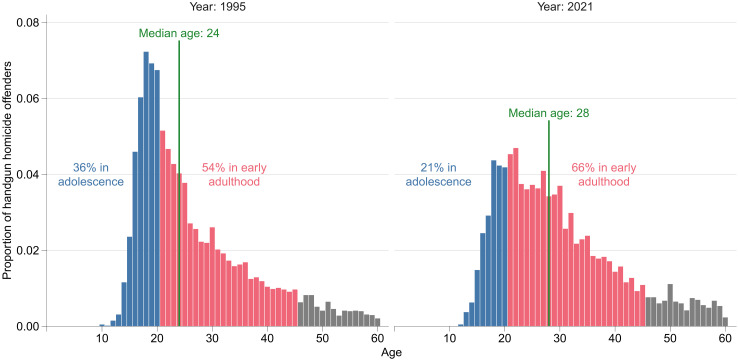
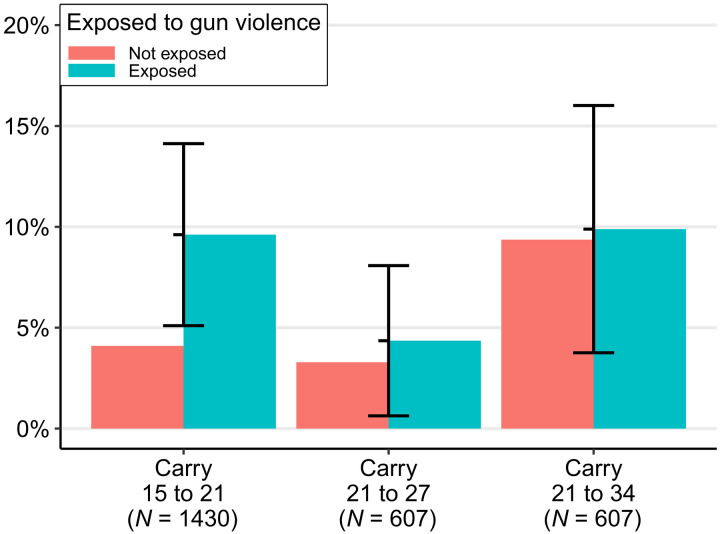
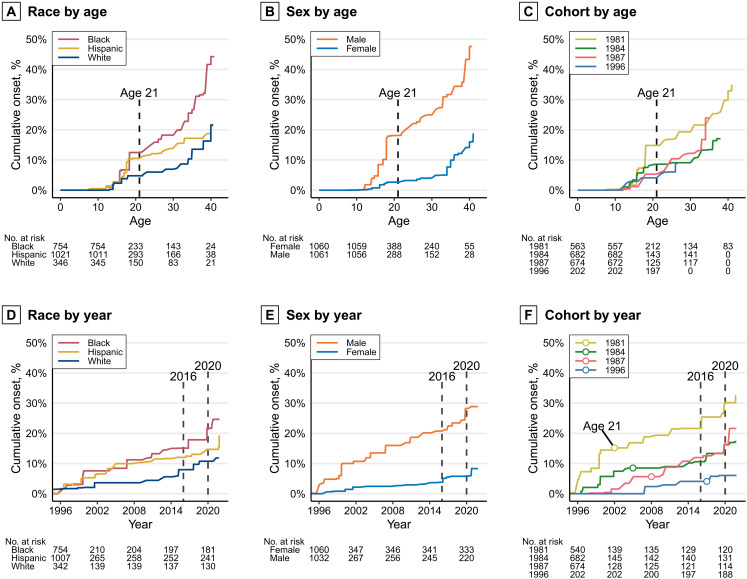
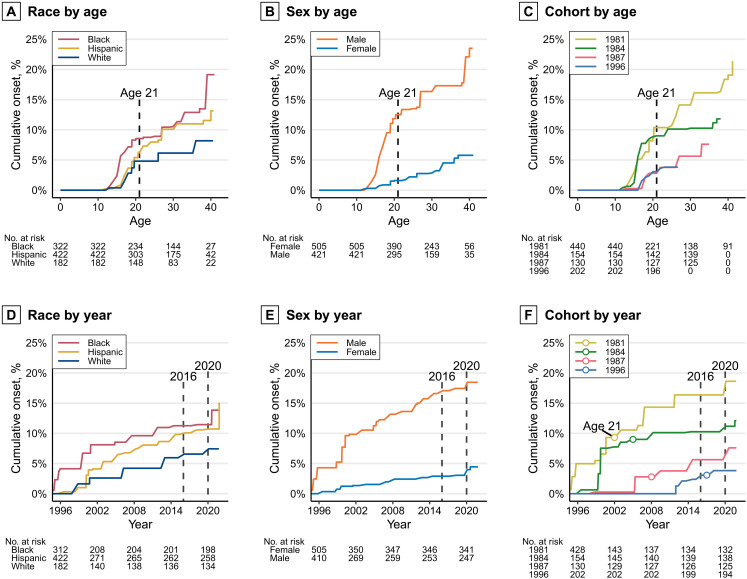
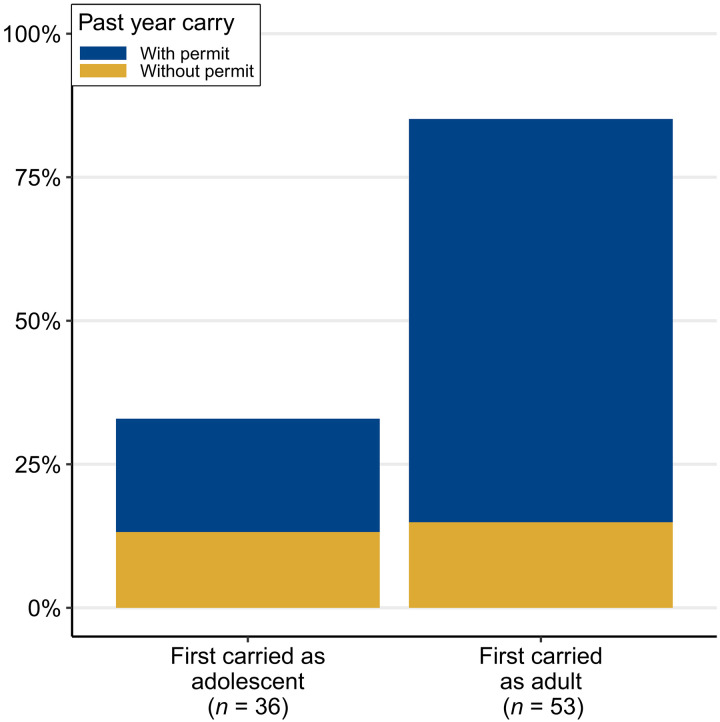
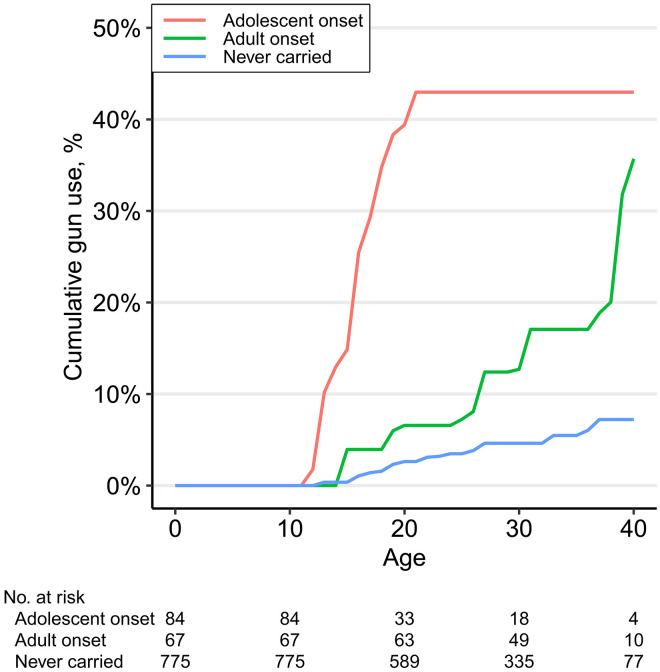
Most homicides in the United States are committed using a handgun, but little research examines gun carrying over critical stages of the life course and changing contexts of violence. Notably, although most of the handgun homicides are committed by adults, most research on concealed gun carrying focuses on adolescents in single cohort studies. Using more than 25 years of longitudinal multicohort data from Chicago, 1994-2021, we show that pathways of concealed gun carrying are distinct between adolescence and adulthood. Adolescent carrying is often age-limited and responsive to direct exposure to gun violence (witnessing and victimization), while adult carrying is a persistent behavior that is less tied to direct exposure. The onset of concealed carry is also a strong predictor of later gun use (shooting or brandishing), and we find distinct patterns of gun use between individuals who first carry in adolescence versus adulthood. We discuss the implications of these dual pathways for research and policies on firearm use.
美国的大多数凶杀案都是使用手枪实施的,但很少有研究考察在生命历程的关键阶段携带枪支的情况以及暴力环境的变化。值得注意的是,尽管大多数手枪凶杀案是由成年人实施的,但大多数关于隐蔽携带枪支的研究都集中在单队列研究中的青少年身上。利用1994年至2021年来自芝加哥的25年以上纵向多队列数据,我们表明,青少年期和成年期隐蔽携带枪支的途径是不同的。青少年携带枪支往往受年龄限制,并且对直接接触枪支暴力(目睹和成为受害者)有反应,而成人携带枪支是一种持续的行为,与直接接触的关联较小。隐蔽携带枪支的开始也是后来使用枪支(开枪或挥舞枪支)的一个强有力的预测因素,而且我们发现,在青少年时期首次携带枪支的人与成年时期首次携带枪支的人之间,枪支使用模式有所不同。我们讨论了这两种途径对枪支使用研究和政策的影响。