Prasad Vivek Kumar, Verma Ashwin, Bhattacharya Pronaya, Shah Sheryal, Chowdhury Subrata, Bhavsar Madhuri, Aslam Sheraz, Ashraf Nouman
Department of CSE, Institute of Technology Nirma University, Ahemdabad, Gujarat, India.
Department of CSE, Amity School of Engineering and Technology, Research and Innovation Cell, Amity University, Kolkata, West Bengal, India.
Sci Rep. 2024 Dec 4;14(1):30273. doi: 10.1038/s41598-024-71358-7.
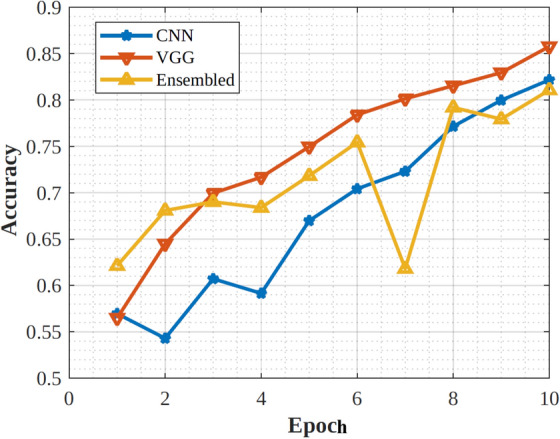
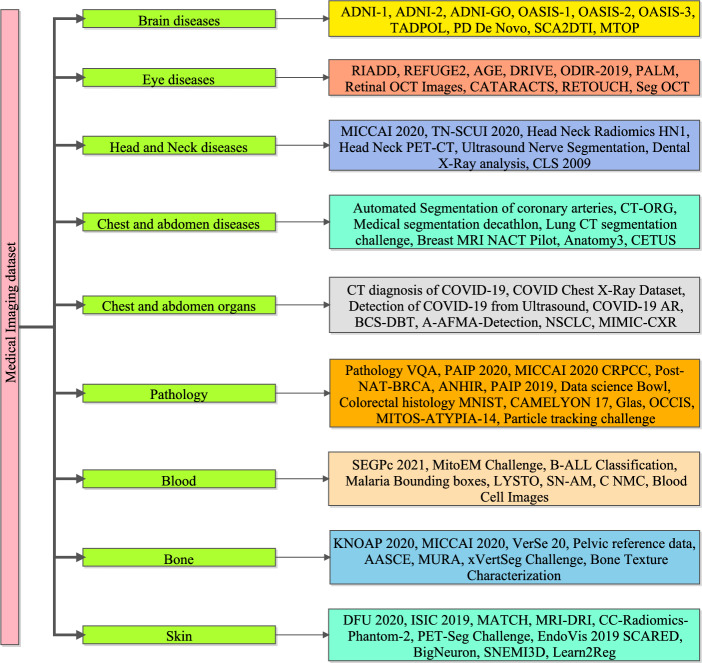
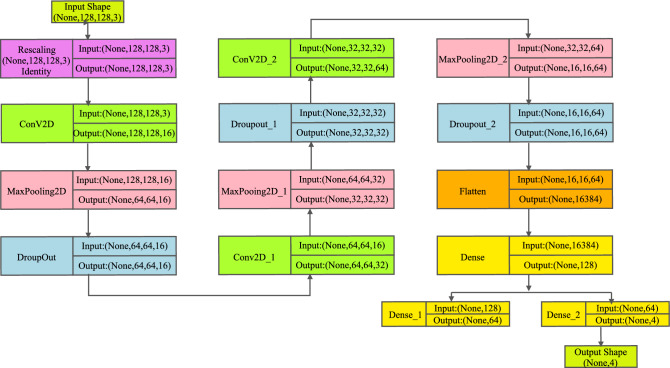
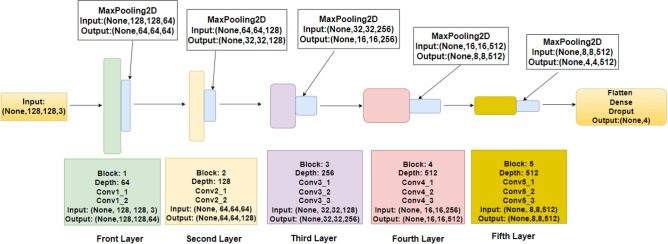
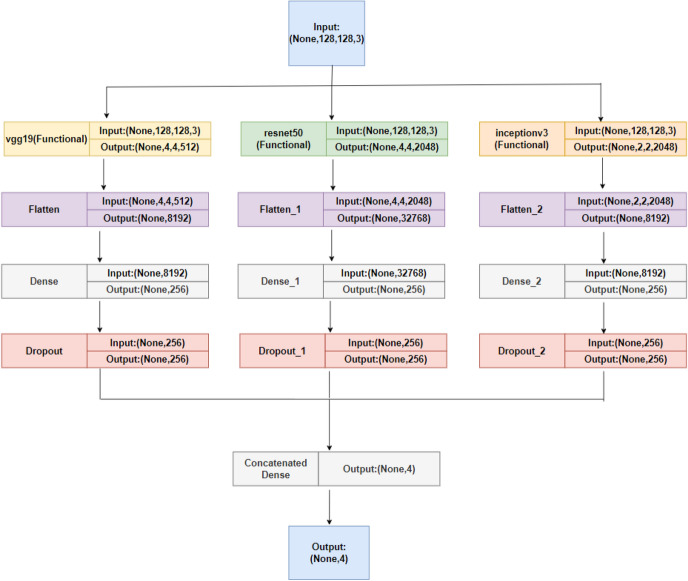
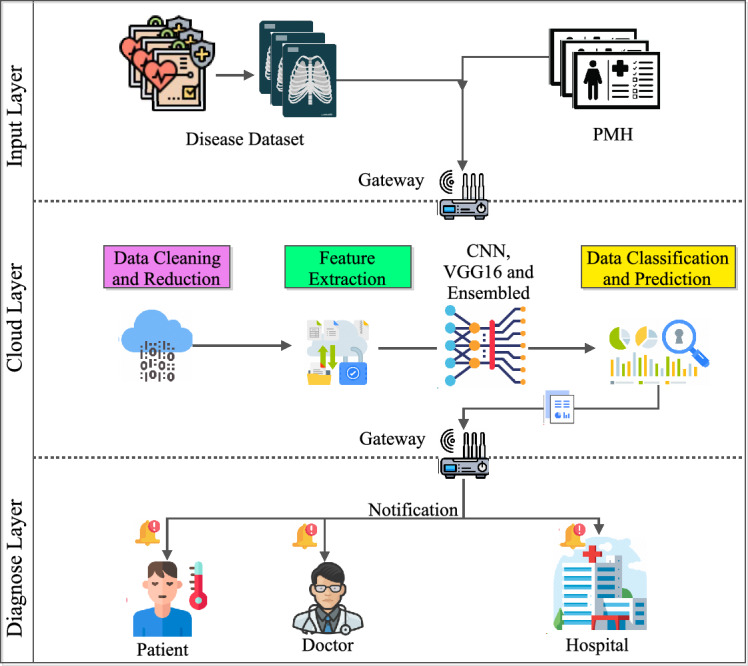
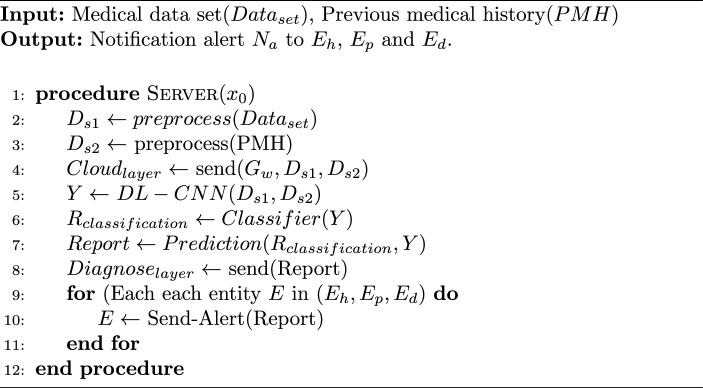
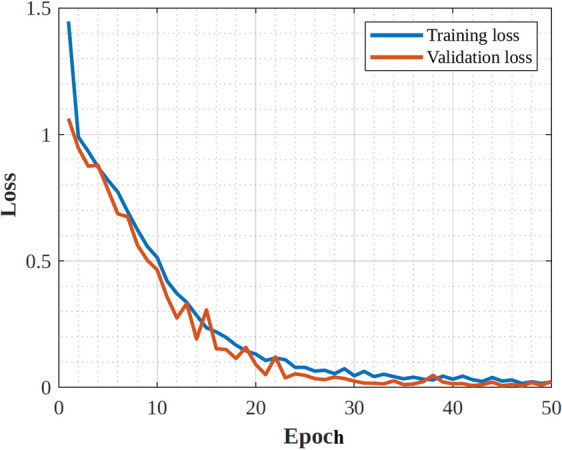
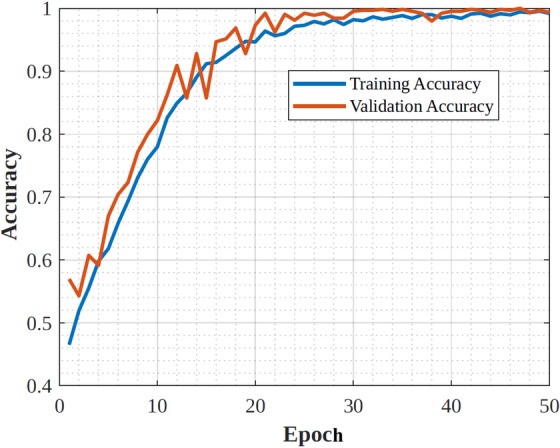
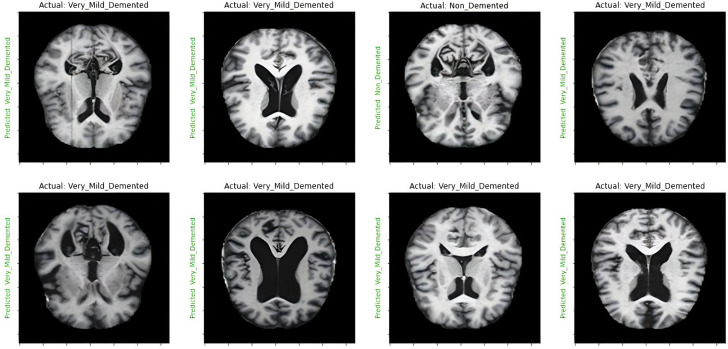
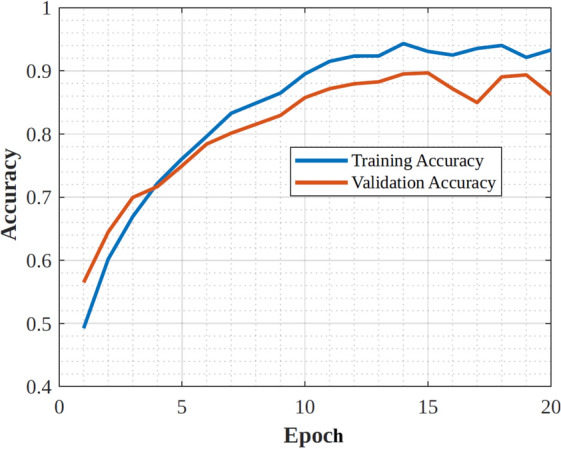
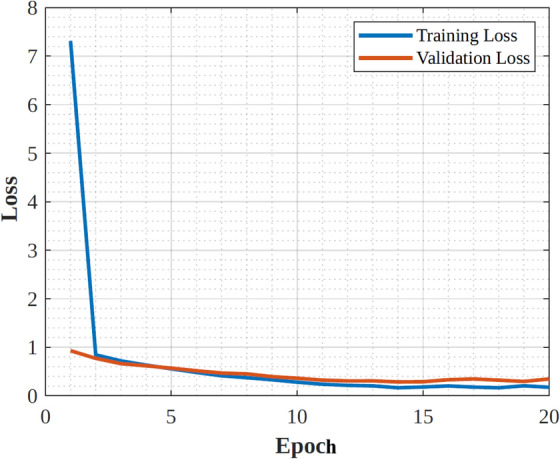
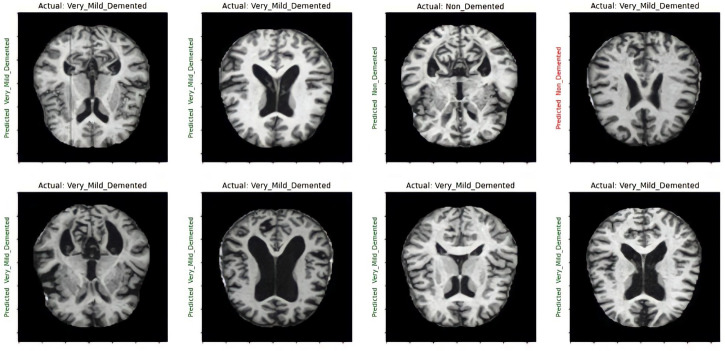
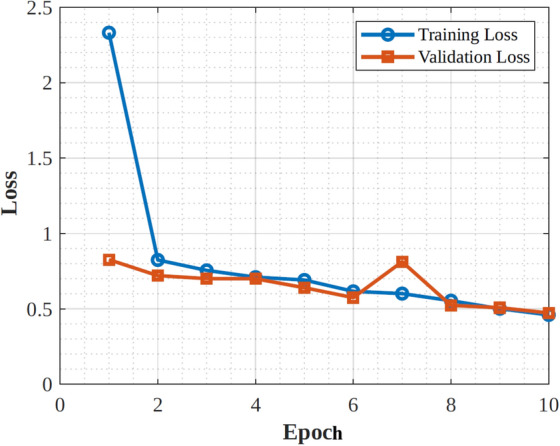
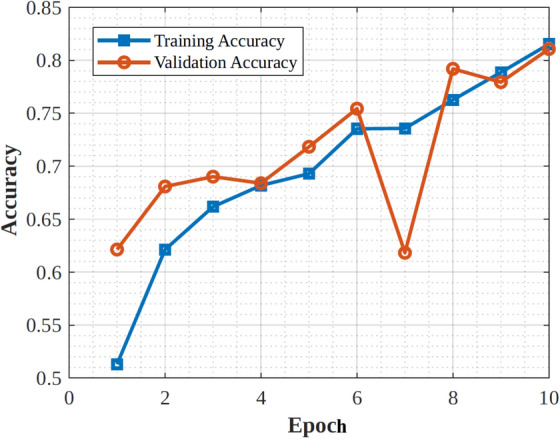
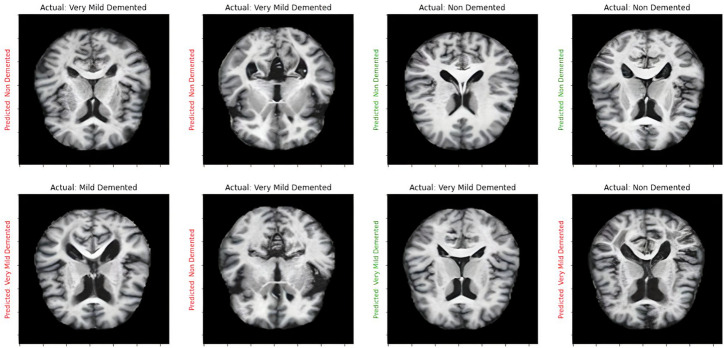
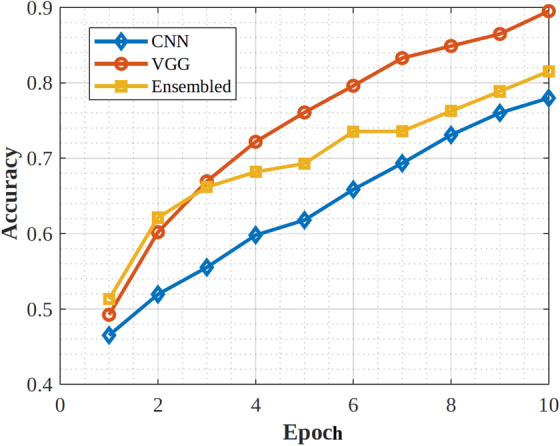
Recently, Deep Learning (DL) models have shown promising accuracy in analysis of medical images. Alzeheimer Disease (AD), a prevalent form of dementia, uses Magnetic Resonance Imaging (MRI) scans, which is then analysed via DL models. To address the model computational constraints, Cloud Computing (CC) is integrated to operate with the DL models. Recent articles on DL-based MRI have not discussed datasets specific to different diseases, which makes it difficult to build the specific DL model. Thus, the article systematically explores a tutorial approach, where we first discuss a classification taxonomy of medical imaging datasets. Next, we present a case-study on AD MRI classification using the DL methods. We analyse three distinct models-Convolutional Neural Networks (CNN), Visual Geometry Group 16 (VGG-16), and an ensemble approach-for classification and predictive outcomes. In addition, we designed a novel framework that offers insight into how various layers interact with the dataset. Our architecture comprises an input layer, a cloud-based layer responsible for preprocessing and model execution, and a diagnostic layer that issues alerts after successful classification and prediction. According to our simulations, CNN outperformed other models with a test accuracy of 99.285%, followed by VGG-16 with 85.113%, while the ensemble model lagged with a disappointing test accuracy of 79.192%. Our cloud Computing framework serves as an efficient mechanism for medical image processing while safeguarding patient confidentiality and data privacy.
最近,深度学习(DL)模型在医学图像分析中展现出了令人期待的准确性。阿尔茨海默病(AD)是一种常见的痴呆症形式,其诊断采用磁共振成像(MRI)扫描,然后通过DL模型进行分析。为了解决模型的计算限制问题,将云计算(CC)集成到DL模型中协同运行。近期关于基于DL的MRI的文章尚未讨论针对不同疾病的特定数据集,这使得构建特定的DL模型变得困难。因此,本文系统地探索了一种教程式方法,首先讨论医学影像数据集的分类类别。接下来,我们展示一个使用DL方法对AD MRI进行分类的案例研究。我们分析了三种不同的模型——卷积神经网络(CNN)、视觉几何组16(VGG - 16)以及一种集成方法——用于分类和预测结果。此外,我们设计了一个新颖的框架,该框架深入展示了各层如何与数据集相互作用。我们的架构包括一个输入层、一个负责预处理和模型执行的基于云的层,以及一个在成功分类和预测后发出警报的诊断层。根据我们的模拟结果,CNN以99.285%的测试准确率优于其他模型,其次是VGG - 16,其准确率为85.113%,而集成模型则表现不佳,测试准确率令人失望,仅为79.192%。我们的云计算框架是一种高效的医学图像处理机制,同时保障了患者的保密性和数据隐私。