Ma Xiaolong, Li Ting, Liu Chunxia, Ge Huiqing, Zheng Dandan, Ma Junbai, Guo Yamei, Zhang Xiaoxu, Liu Jian, Liu Yuanyuan, Li Yiwei, Shen Wenke, Ma Yunyun, Liu Yajuan, Su Rong, Wang Ting, Zhang Xiaoxia, Ma Jinhai, Wang Hao
Department of Pediatrics, General Hospital of Ningxia Medical University, Yinchuan, Ningxia, 750004, China.
Department of Pediatrics, Peking University First Hospital Ningxia Women and Children's Hospital, Yinchuan, Ningxia, 750001, China.
BMC Microbiol. 2024 Dec 5;24(1):519. doi: 10.1186/s12866-024-03667-w.
Primary nephrotic syndrome (PNS) is a common glomerular disease in children. Dysbiosis of gut microbiota acts as a cause of Treg abnormalities. However, the intestinal metabolic impact of PNS with children remains poorly understood. This study aims to investigate the dynamic changes of gut microbiota and it's metabolism in children with PNS.
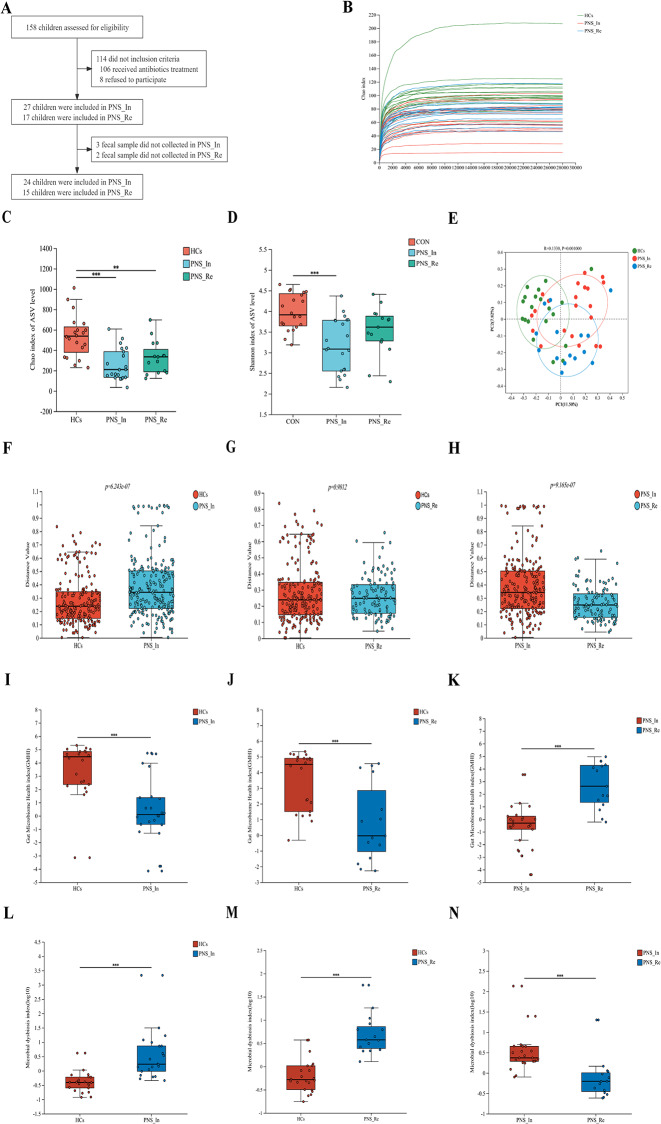
Fecal and peripheral blood samples were separately collected from patients with initial diagnosis of PNS (PNS_In group), recurrence of PNS (PNS_Re group), and healthy controls (HCs group). The fecal samples were subjected to the microbiome and metabolome by the multi-omics analysis. Additionally, the peripheral blood samples were collected and associated inflammatory indicators were determined.
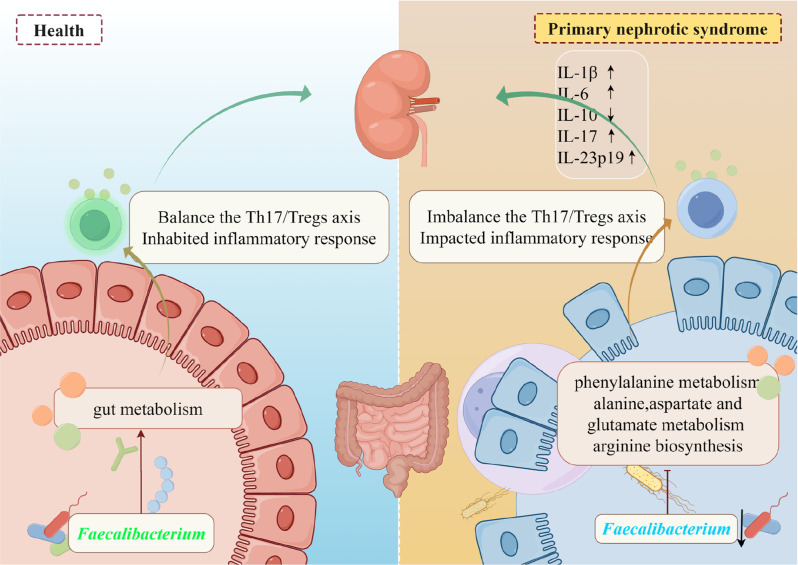
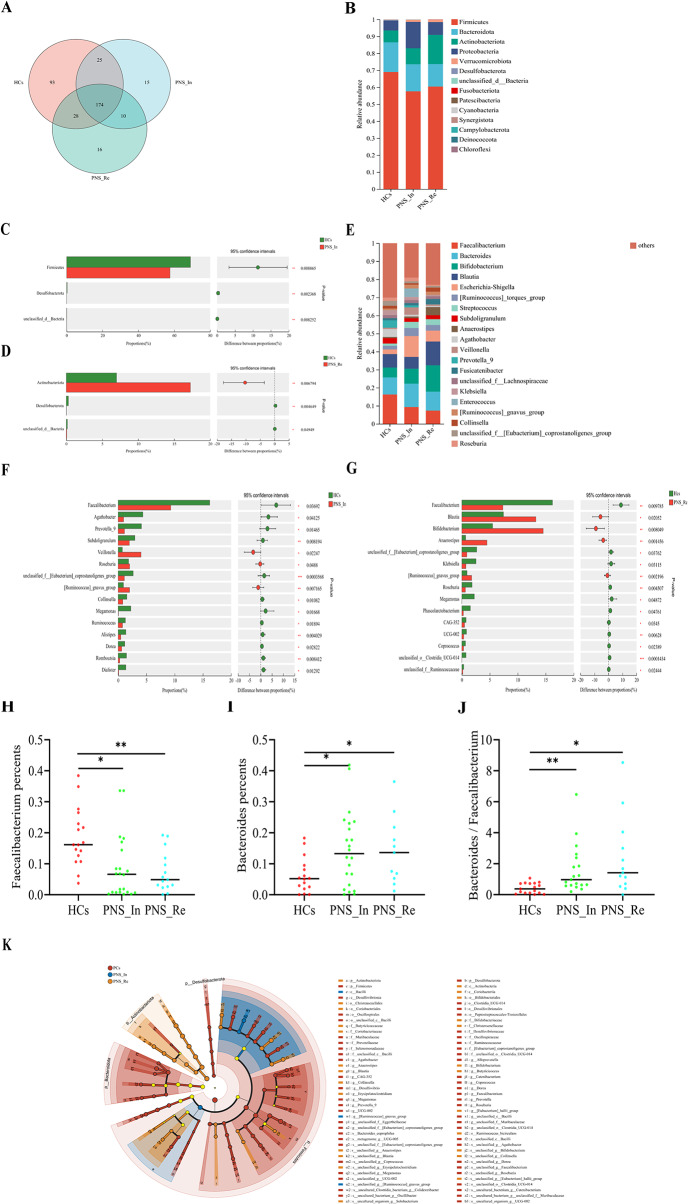
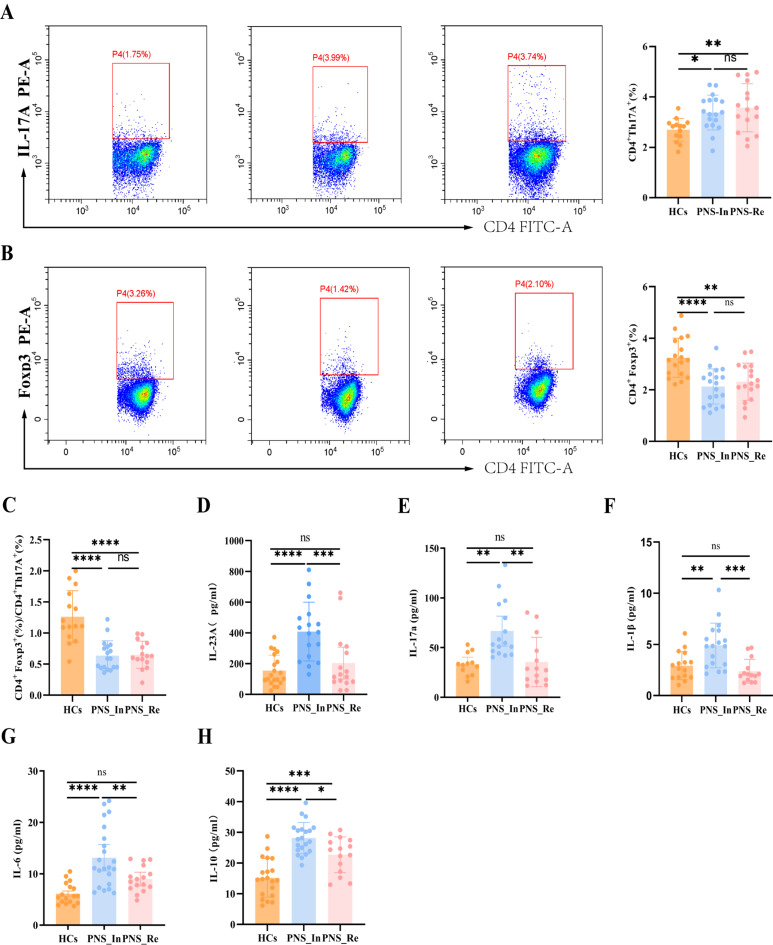
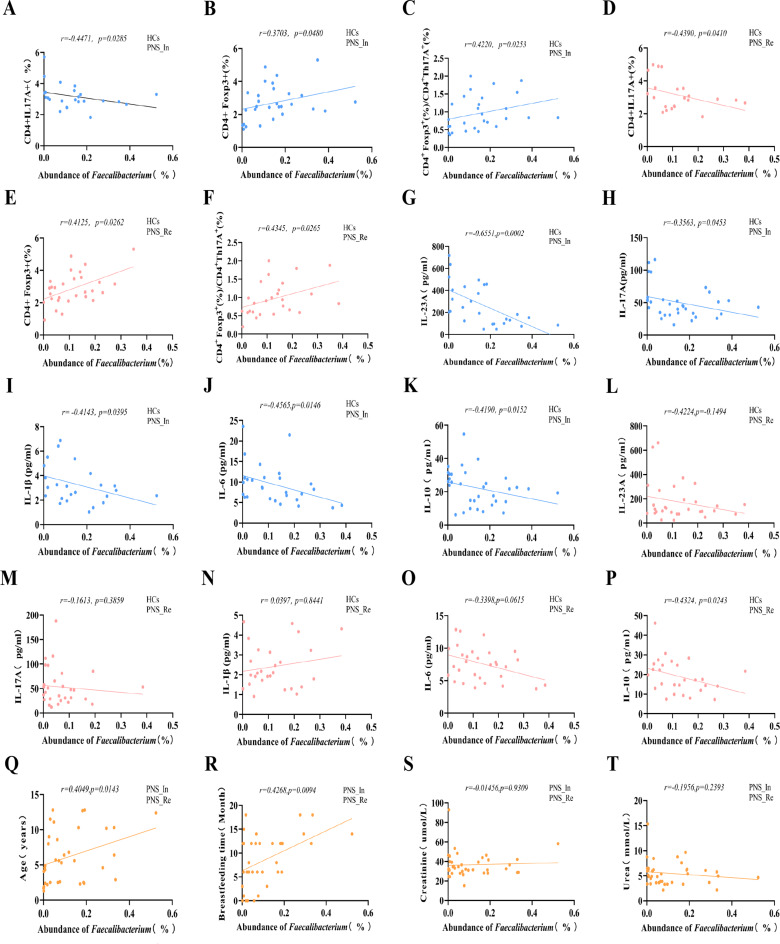
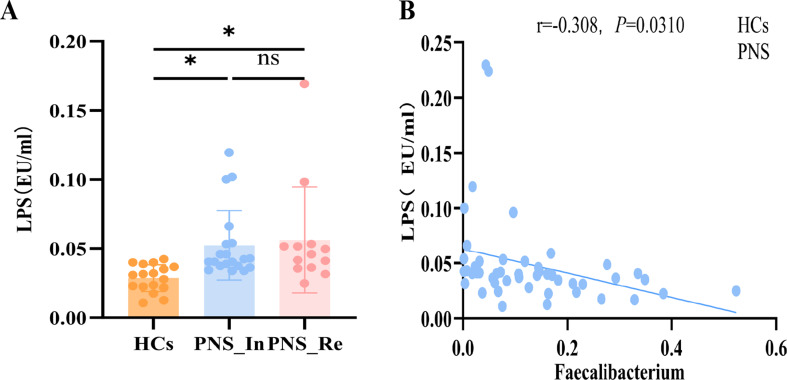
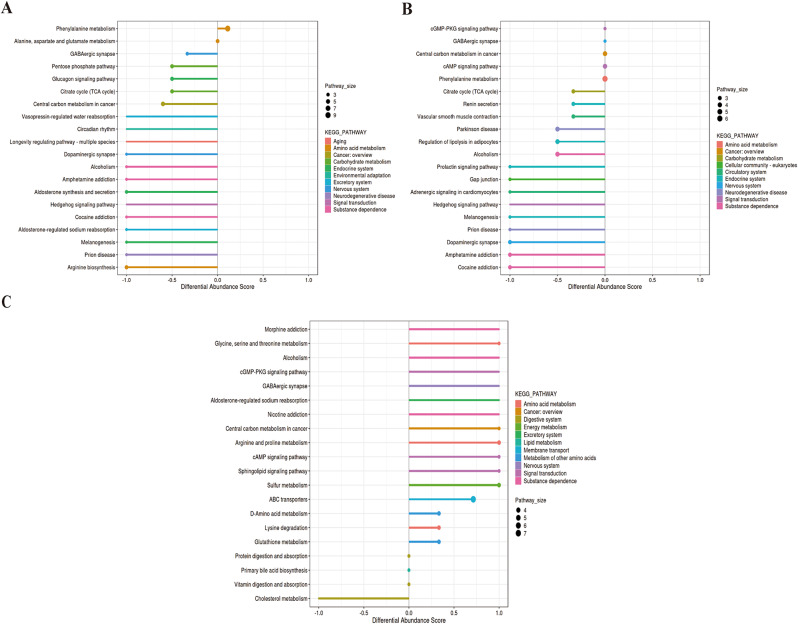
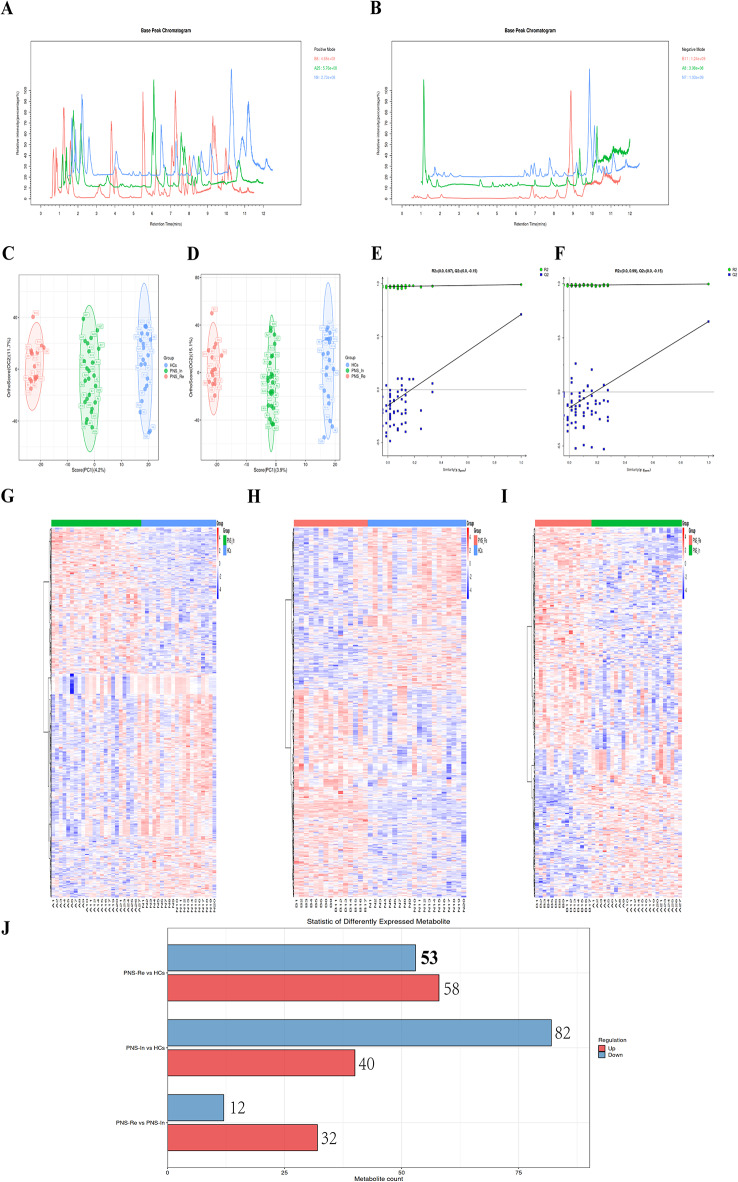
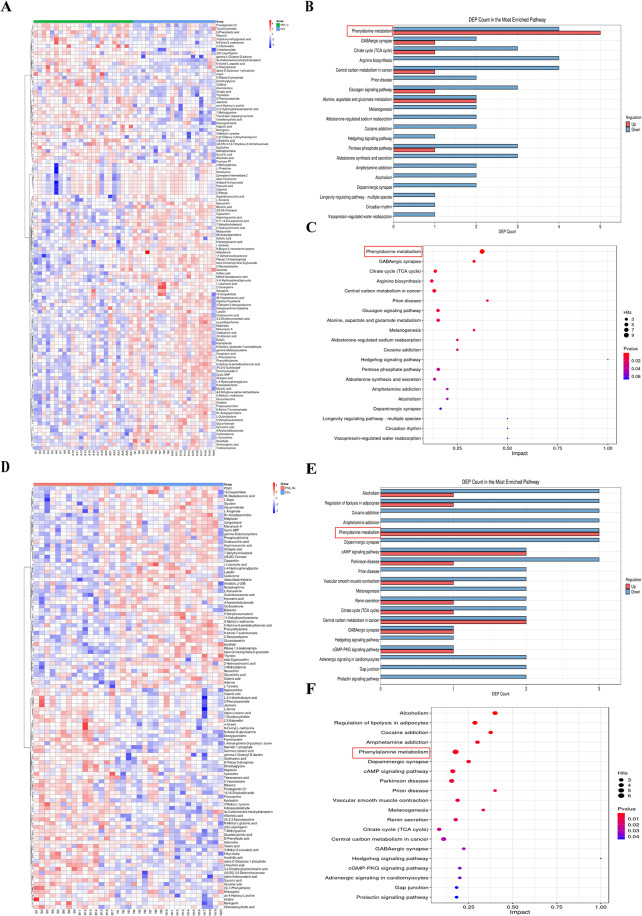
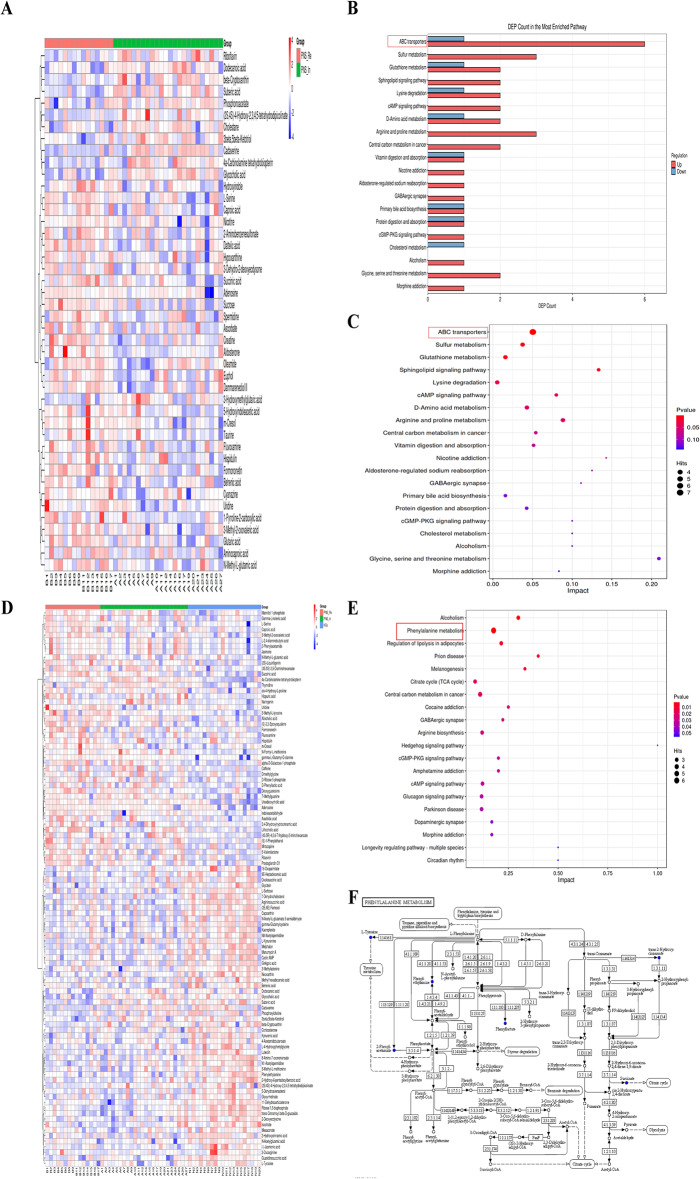
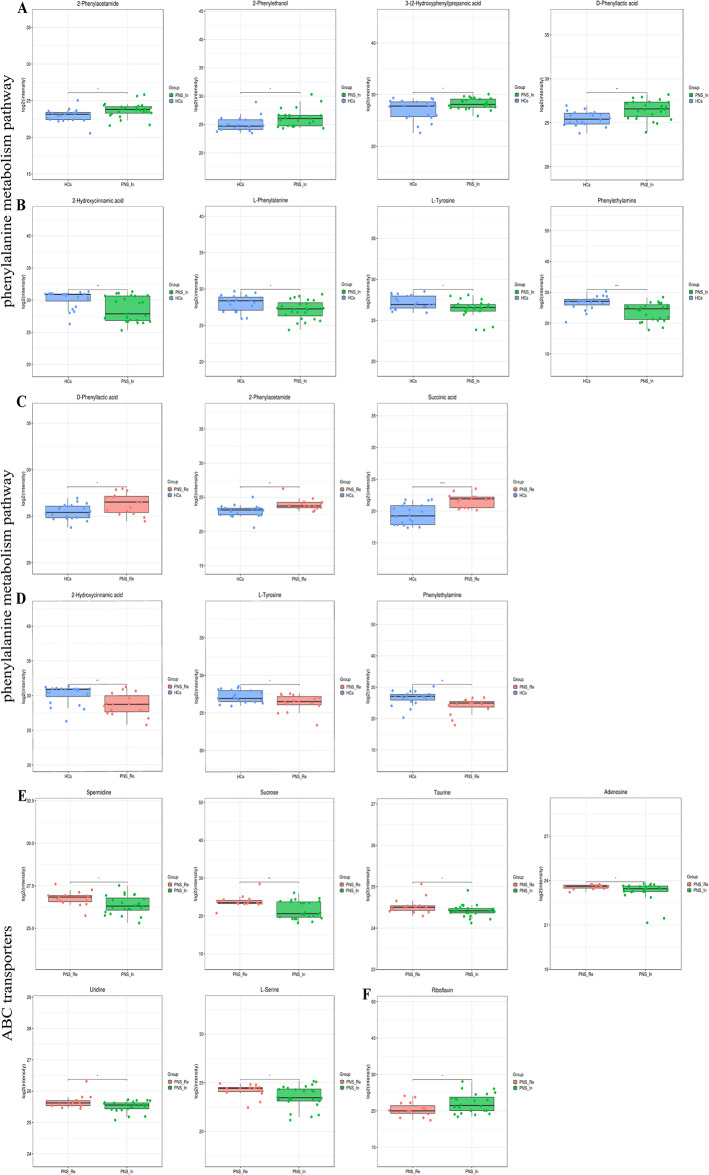
We found that in PNS_In group, lipopolysaccharide (LPS), pro-inflammatory interleukin (IL)-6, IL-17A, IL-23p19, and IL-1β were significantly increased compared with those in HCs group. However, these abnormalities were dramatically reversed in PNS_Re group treated with prednisone acetate. Moreover, the crucial Treg/Th17 axis in PNS inflammation was also proved to be discriminated between PNS and HCs. Gut microbial dysbiosis was identified in PNS_In and PNS_Re patients. At the genus level, compared to HCs group, the abundance of Faecalibacterium notably changed in PNS_In and PNS_Re groups, showing negatively correlated with inflammatory factors. Moreover, the fecal metabolome of PNS_In and PNS_Re remarkably altered with the major impacts in the metabolism of phenylalanine, ABC transporters, arginine and proline.
The dynamic changes of gut microbiota and associated metabolites are closely correlated with initial period and recurrence of PNS in children via probably regulating inflammatory Th17/Treg axis, which may potentially provide novel targets for the control of the disease.
Not applicable.
原发性肾病综合征(PNS)是儿童常见的肾小球疾病。肠道微生物群失调是Treg异常的一个原因。然而,PNS对儿童肠道代谢的影响仍知之甚少。本研究旨在探讨PNS患儿肠道微生物群及其代谢的动态变化。
分别收集初诊PNS患者(PNS_In组)、PNS复发患者(PNS_Re组)和健康对照者(HCs组)的粪便和外周血样本。通过多组学分析对粪便样本进行微生物组和代谢组分析。此外,采集外周血样本并测定相关炎症指标。
我们发现,与HCs组相比,PNS_In组的脂多糖(LPS)、促炎白细胞介素(IL)-6、IL-17A、IL-23p19和IL-1β显著升高。然而,在接受醋酸泼尼松治疗的PNS_Re组中,这些异常情况得到了显著改善。此外,PNS炎症中的关键Treg/Th17轴在PNS和HCs之间也得到了区分。在PNS_In和PNS_Re患者中发现了肠道微生物群失调。在属水平上,与HCs组相比,PNS_In和PNS_Re组中粪杆菌的丰度显著变化,与炎症因子呈负相关。此外,PNS_In和PNS_Re的粪便代谢组有显著改变,主要影响苯丙氨酸、ABC转运蛋白、精氨酸和脯氨酸的代谢。
肠道微生物群及其相关代谢产物的动态变化可能通过调节炎症性Th17/Treg轴与儿童PNS的初期和复发密切相关,这可能为该疾病的控制提供新的靶点。
不适用。