Toni Esmaeel, Toni Elham, Fereidooni Mahsa, Ayatollahi Haleh
Medical Informatics, Student Research Committee, Iran University of Medical Sciences, Tehran, Iran.
Health Information Technology, Department of Health Information Sciences, Faculty of Management and Medical Information Sciences, Kerman University of Medical Sciences, Kerman, Iran.
Syst Rev. 2024 Dec 4;13(1):299. doi: 10.1186/s13643-024-02723-w.
Extended reality (XR) technologies which include virtual, augmented, and mixed reality have significant potential in surgical training, because they can help to eliminate the limitations of traditional methods. This umbrella review aimed to investigate factors that influence the acceptance and use of XR in surgical training using the unified theory of acceptance and use of technology (UTAUT) model.
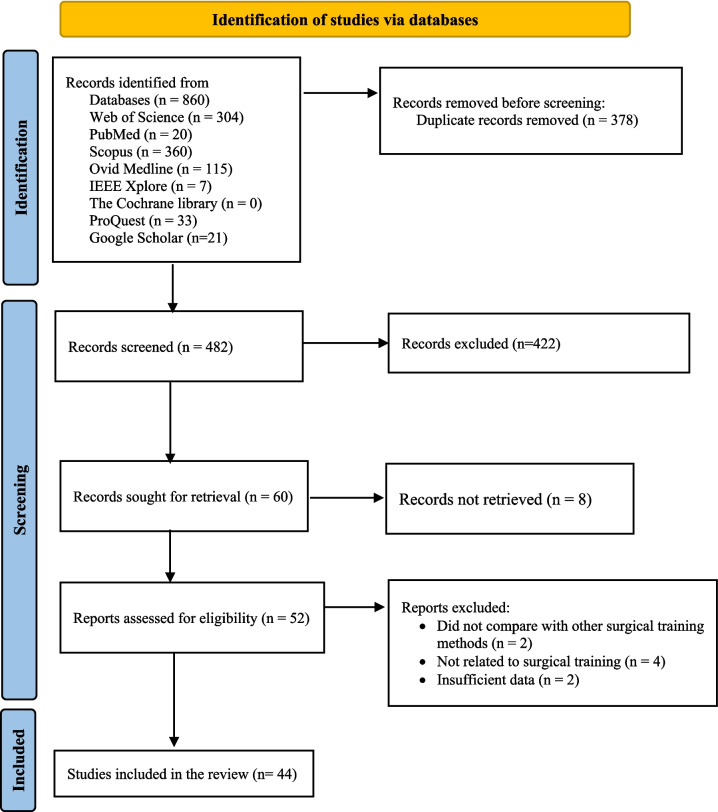
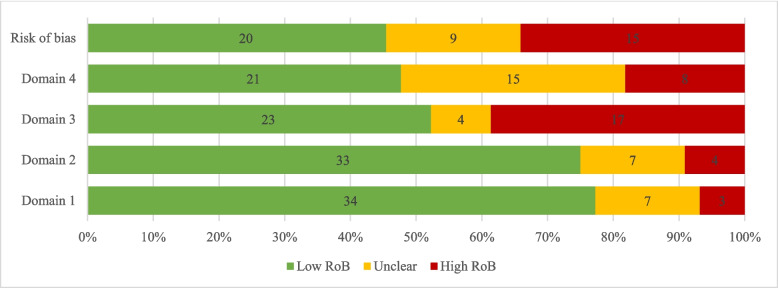
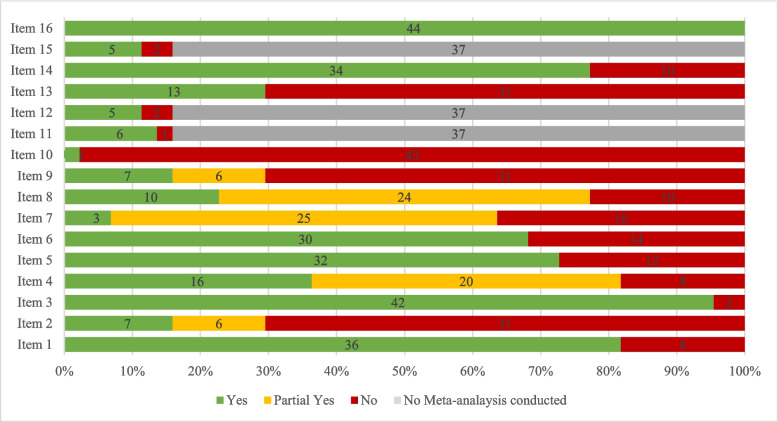
An umbrella review was conducted in 2024 by searching various databases until the end of 2023. Studies were selected based on the predefined eligibility criteria and analyzed using the components of the UTAUT model. The quality and risk of bias of the selected studies were assessed, and the findings were reported descriptively.
A total of 44 articles were included in this study. In most studies, XR technologies were used for surgical training of orthopedics, neurology, and laparoscopy. Based on the UTAUT model, the findings indicated that XR technologies improved surgical skills and procedural accuracy while simultaneously reducing risks and operating room time (performance expectancy). In terms of effort expectancy, user-friendly systems were accessible for the trainees with various levels of expertise. From a social influence standpoint, XR technologies enhanced learning by providing positive feedback from experienced surgeons during surgical training. In addition, facilitating conditions emphasized the importance of resource availability and addressing technical and financial limitations to maximize the effectiveness of XR technologies in surgical training.
XR technologies significantly improve surgical training by increasing skills and procedural accuracy. Although adoption is facilitated by designing user-friendly interfaces and positive social influences, financial and resource challenges must be overcome, too. The successful integration of XR into surgical training necessitates careful curriculum design and resource allocation. Future research should focus on overcoming these barriers, so that XR can fully realize its potential in surgical training.
包括虚拟现实、增强现实和混合现实在内的扩展现实(XR)技术在外科手术培训中具有巨大潜力,因为它们有助于消除传统方法的局限性。本综合性综述旨在利用技术接受与使用统一理论(UTAUT)模型,探究影响XR在外科手术培训中接受度和使用情况的因素。
于2024年进行了一项综合性综述,通过检索各种数据库直至2023年底。根据预先确定的纳入标准选择研究,并使用UTAUT模型的组成部分进行分析。评估所选研究的质量和偏倚风险,并对结果进行描述性报告。
本研究共纳入44篇文章。在大多数研究中,XR技术用于骨科、神经科和腹腔镜手术的培训。基于UTAUT模型,研究结果表明,XR技术提高了手术技能和操作准确性,同时降低了风险并缩短了手术室时间(绩效期望)。在努力期望方面,用户友好型系统可供不同专业水平的学员使用。从社会影响的角度来看,XR技术通过在手术培训期间提供经验丰富的外科医生的积极反馈来促进学习。此外,便利条件强调了资源可用性以及解决技术和资金限制对于最大化XR技术在手术培训中的有效性的重要性。
XR技术通过提高技能和操作准确性显著改善了外科手术培训。虽然设计用户友好型界面和积极的社会影响有助于采用,但也必须克服财务和资源方面的挑战。将XR成功整合到外科手术培训中需要精心设计课程和分配资源。未来的研究应专注于克服这些障碍,以便XR能够在外科手术培训中充分发挥其潜力。