Wang Zhe, Du Xin, Zhang Peidong, Zhao Meiling, Zhang Tianbo, Liu Jiang, Wang Xiaolan, Chang Doudou, Liu Xiaxia, Bian Sicheng, Zhang Xialin, Zhang Ruijuan
Department of Gynecology, First Hospital of Shanxi Medical University, Taiyuan, Shanxi, 030001, China.
Department of Hematology, Shanxi Bethune Hospital, Third Hospital of Shanxi Medical University, Shanxi Academy of Medical Sciences, Tongji Shanxi Hospital, Taiyuan, 030032, China.
Mol Biomed. 2024 Dec 6;5(1):66. doi: 10.1186/s43556-024-00234-7.
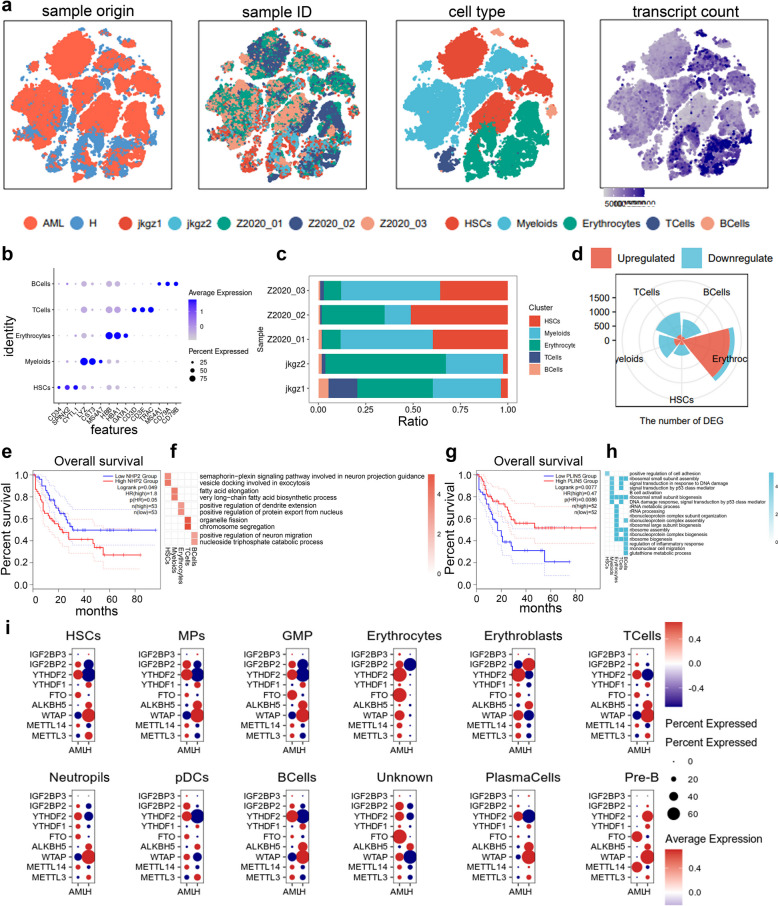
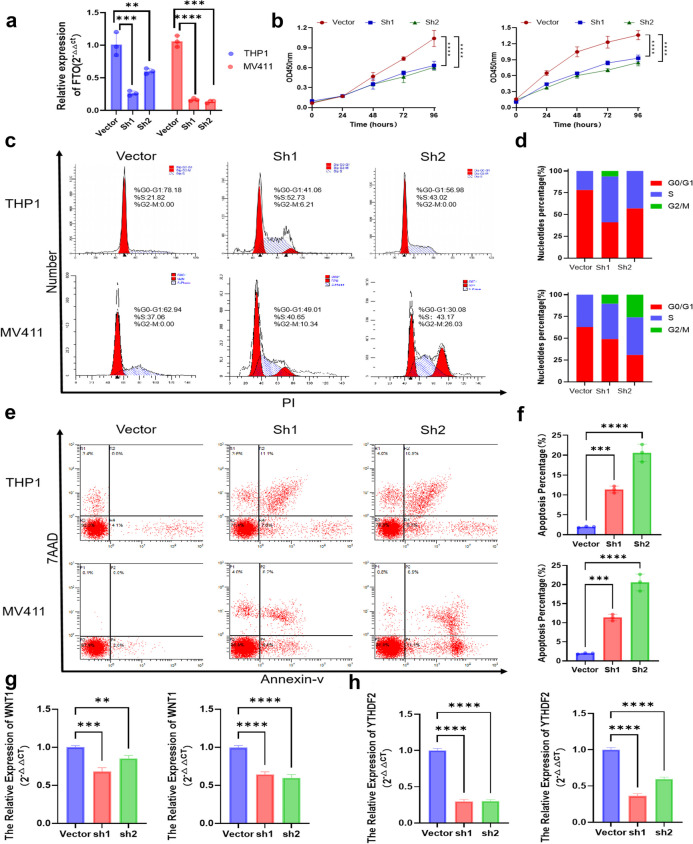
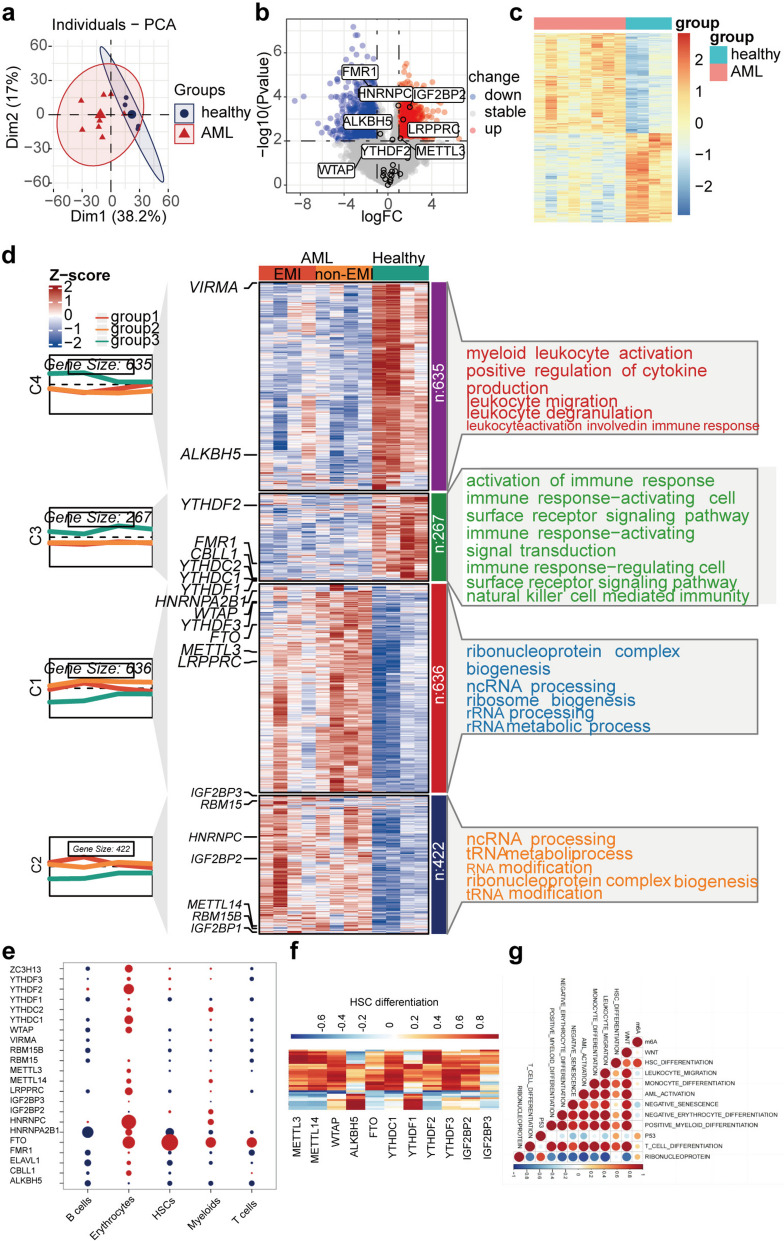
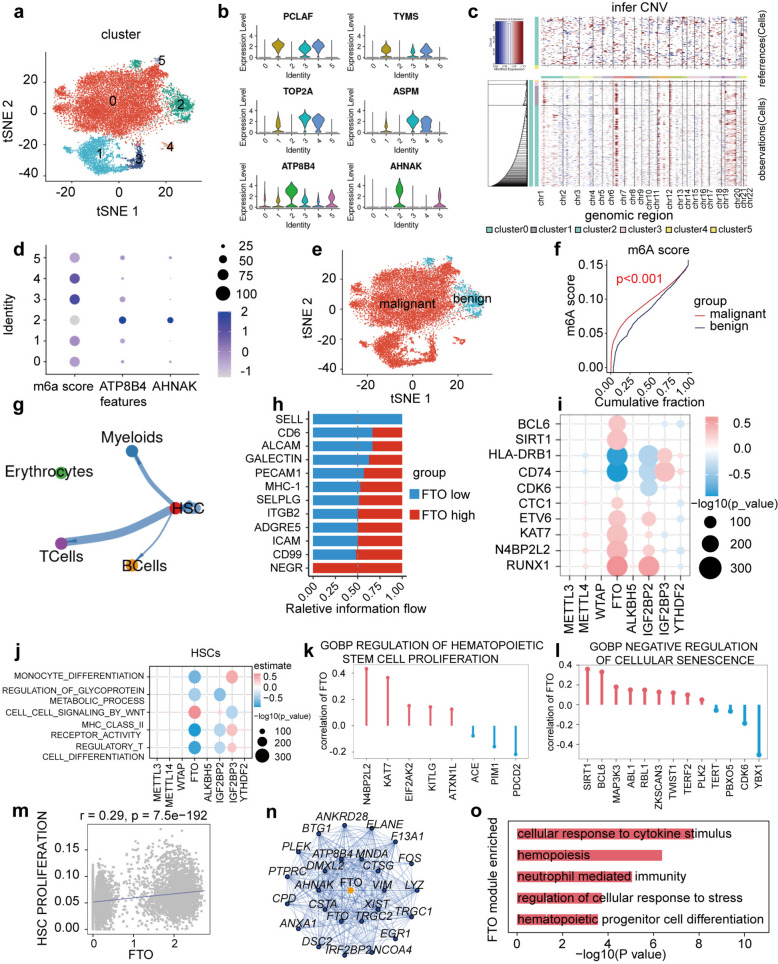
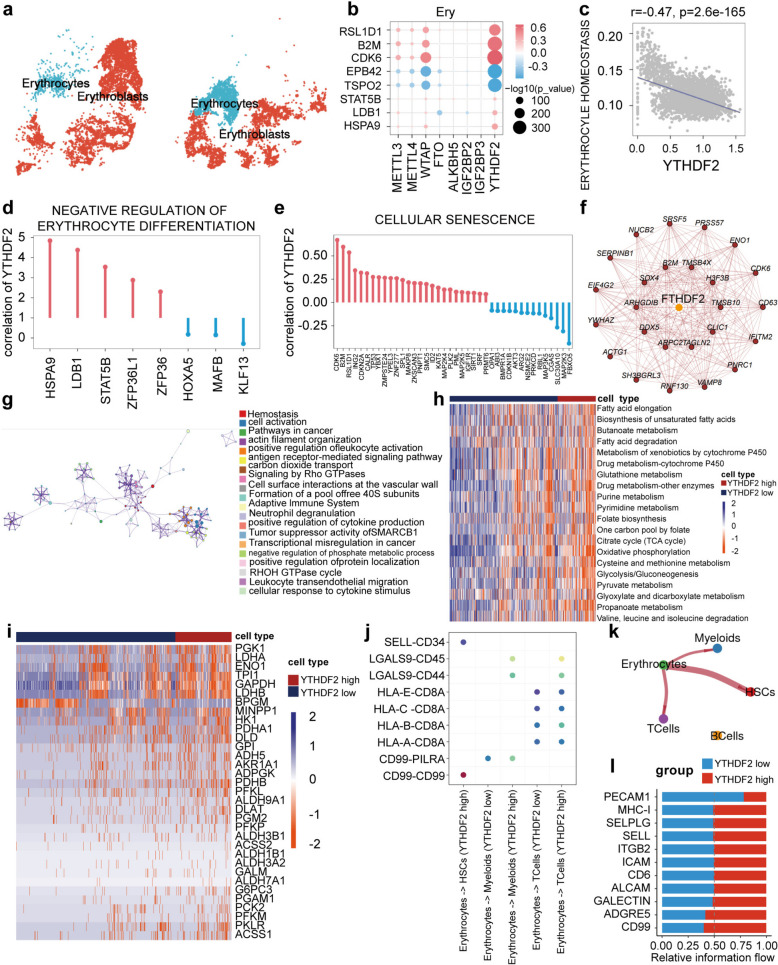
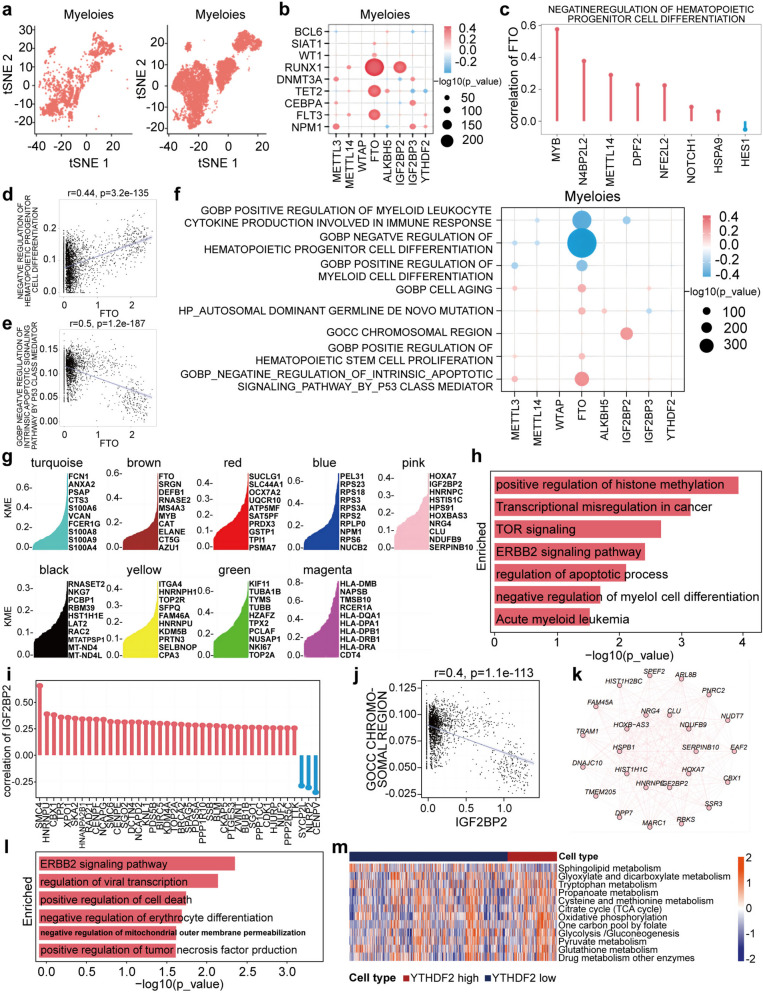
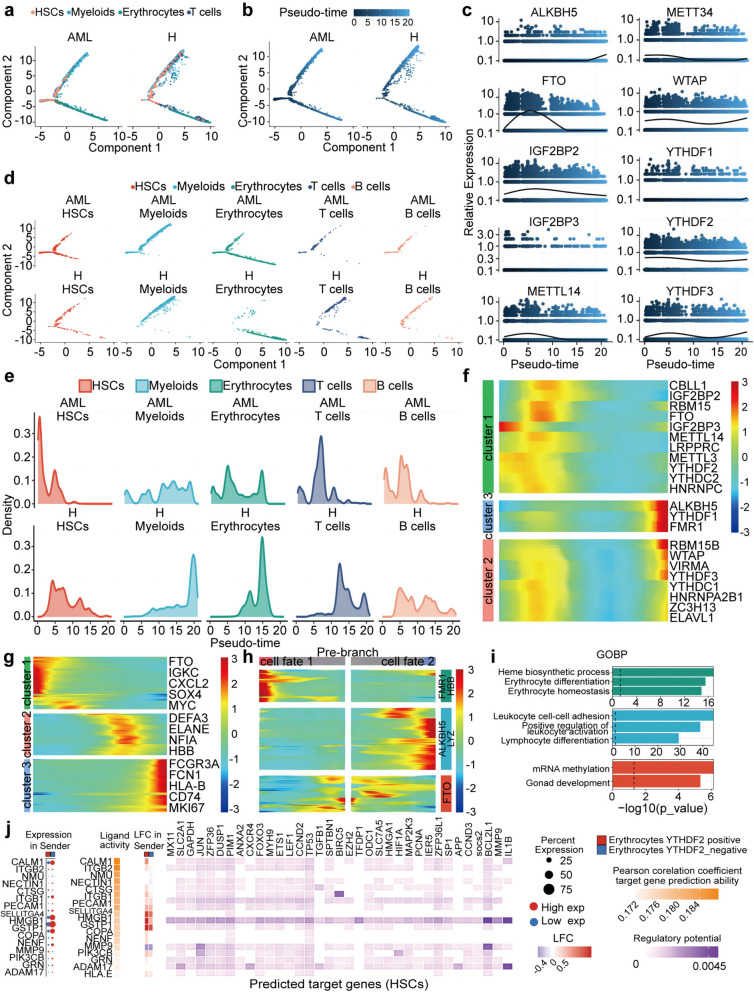
Millions of people worldwide die of acute myeloid leukaemia (AML) each year. Although N6-methyladenosine (mA) modification has been reported to regulate the pathogenicity of AML, the mechanisms by which mA induces dysfunctional hematopoietic differentiation in elderly AML patients remain elusive. This study elucidates the mechanisms of the mA landscape and the specific roles of mA regulators in hematopoietic cells of elderly AML patients. Notably, fat mass and obesity-associated protein (FTO) was found to be upregulated in hematopoietic stem cells (HSCs), myeloid cells, and T-cells, where it inhibits their differentiation via the WNT signaling pathway. Additionally, elevated YT521-B homology domain family proteins 2 (YTHDF2) expression in erythrocytes was observed to negatively regulate differentiation through oxidative phosphorylation, resulting in leukocyte activation. Moreover, IGF2BP2 was significantly upregulated in myeloid cells, contributing to an aberrant chromosomal region and disrupted oxidative phosphorylation. mA regulators were shown to induce abnormal cell-cell communication within hematopoietic cells, mediating ligand-receptor interactions across various cell types through the HMGB1-mediated pathway, thereby promoting AML progression. External validation was conducted using an independent single-cell RNA sequencing (scRNA-Seq) dataset. The THP-1 and MV411 cell lines were utilized to corroborate the mA regulator profile; in vitro experiments involving short hairpin RNA (shRNA) targeting FTO demonstrated inhibition of cell proliferation, migration, and oxidative phosphorylation, alongside induction of cell cycle arrest and apoptosis. In summary, these findings suggest that the upregulation of mA regulators in HSCs, erythrocytes, myeloid cells, and T-cells may contribute to the malignant differentiation observed in AML patients. This research provides novel insights into the pathogenesis of AML in elderly patients and identifies potential therapeutic targets.
全球每年有数百万人死于急性髓系白血病(AML)。尽管已有报道称N6-甲基腺苷(mA)修饰可调节AML的致病性,但mA在老年AML患者中诱导造血分化功能障碍的机制仍不清楚。本研究阐明了老年AML患者造血细胞中mA图谱的机制以及mA调节因子的具体作用。值得注意的是,发现脂肪量和肥胖相关蛋白(FTO)在造血干细胞(HSC)、髓系细胞和T细胞中上调,通过WNT信号通路抑制它们的分化。此外,观察到红细胞中YT521-B同源结构域家族蛋白2(YTHDF2)表达升高通过氧化磷酸化负向调节分化,导致白细胞活化。此外,IGF2BP2在髓系细胞中显著上调,导致异常染色体区域和氧化磷酸化破坏。mA调节因子被证明可诱导造血细胞内异常的细胞间通讯,通过HMGB1介导的途径介导各种细胞类型之间的配体-受体相互作用,从而促进AML进展。使用独立的单细胞RNA测序(scRNA-Seq)数据集进行外部验证。利用THP-1和MV411细胞系来证实mA调节因子谱;涉及靶向FTO的短发夹RNA(shRNA)的体外实验表明,抑制了细胞增殖、迁移和氧化磷酸化,同时诱导了细胞周期停滞和凋亡。总之,这些发现表明,HSC、红细胞、髓系细胞和T细胞中mA调节因子的上调可能导致AML患者中观察到的恶性分化。本研究为老年患者AML的发病机制提供了新的见解,并确定了潜在的治疗靶点。