
眶额皮质中的情况解释了损失厌恶如何适应收益和损失前景的范围。
in the orbitofrontal cortex explains how loss aversion adapts to the ranges of gain and loss prospects.
作者信息
Brochard Jules, Daunizeau Jean
机构信息
Sorbonne Université, Paris, France.
Institut du Cerveau, Paris, France.
出版信息
Elife. 2024 Dec 9;13:e80979. doi: 10.7554/eLife.80979.
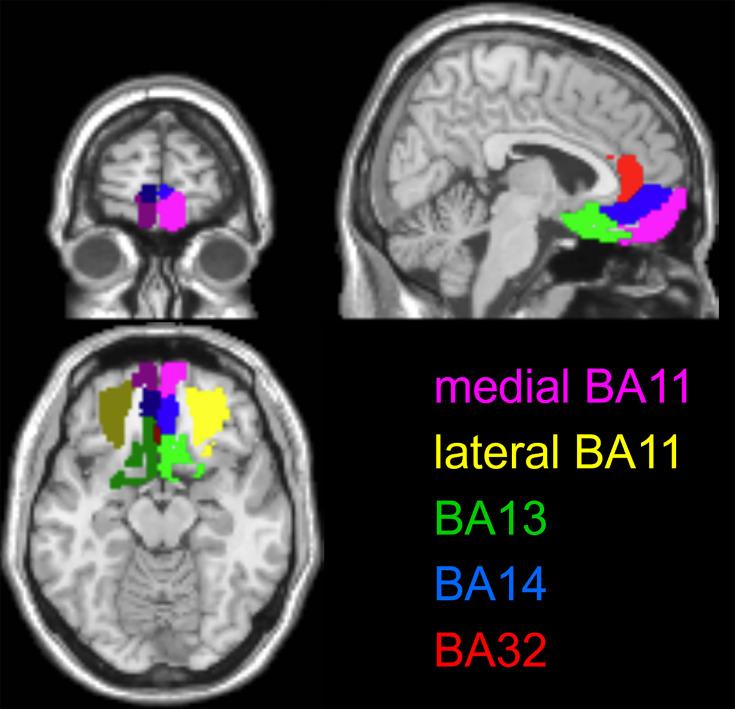
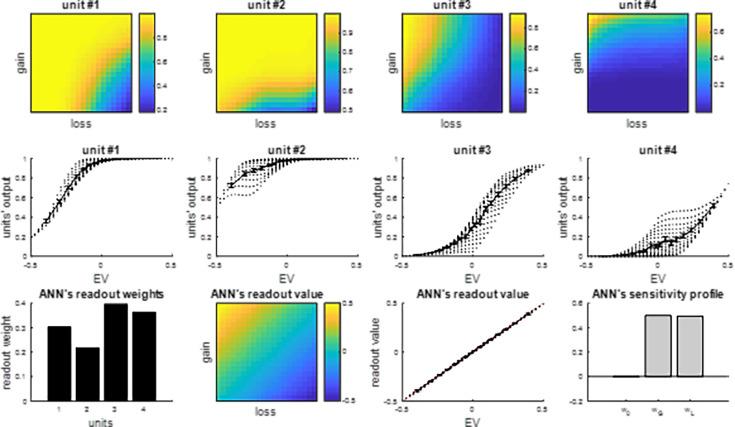
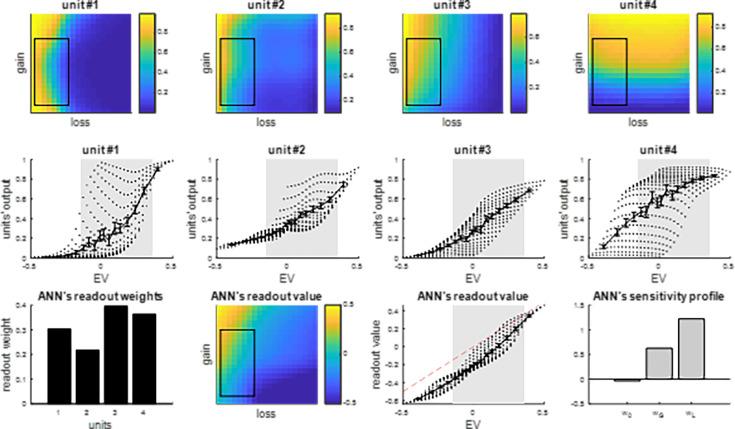
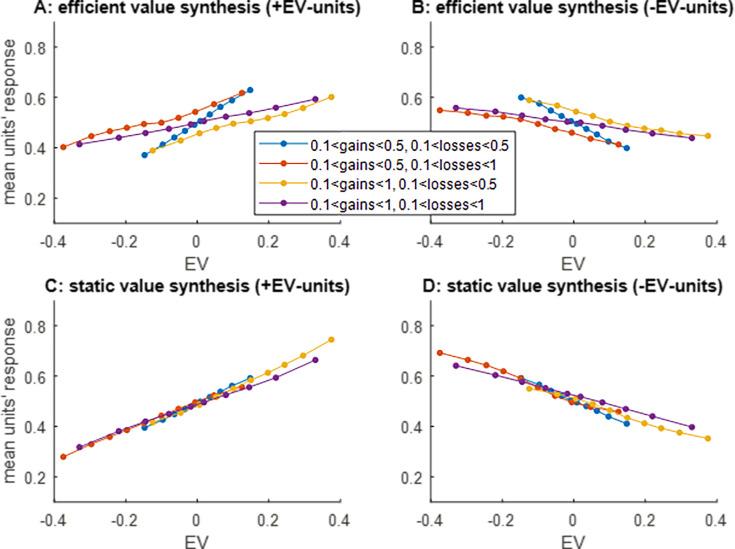
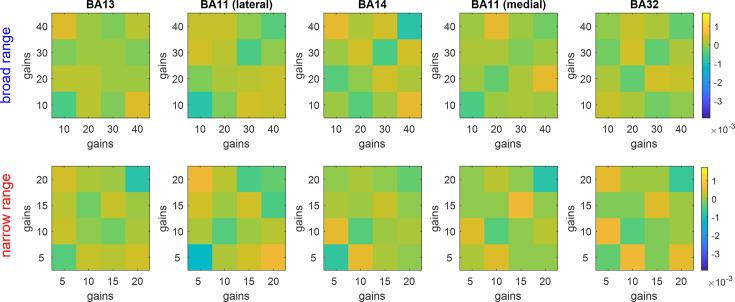
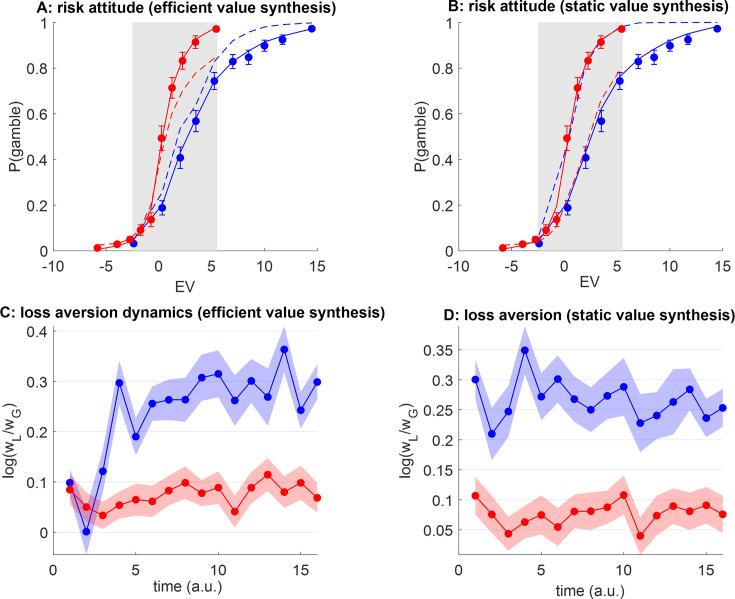
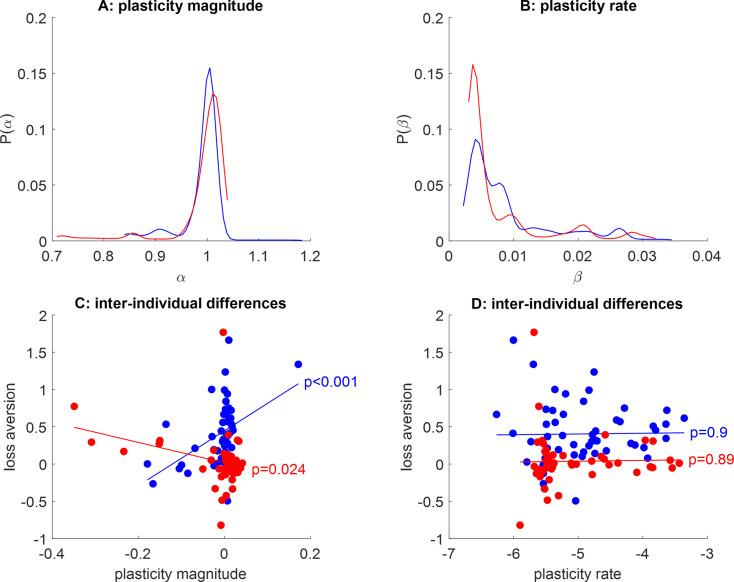
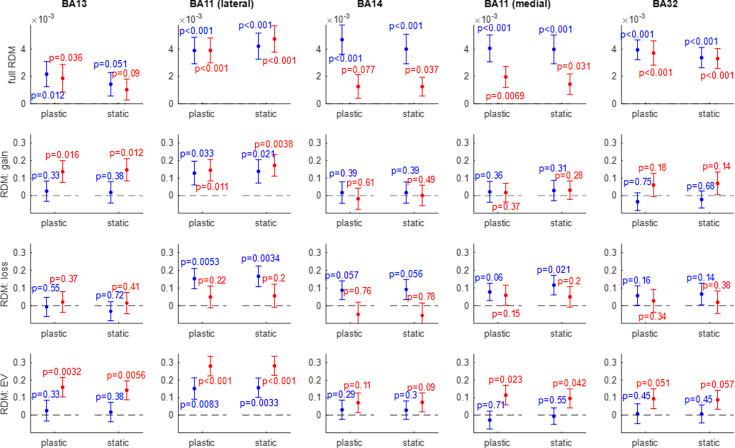
Is irrational behavior the incidental outcome of biological constraints imposed on neural information processing? In this work, we consider the paradigmatic case of gamble decisions, where gamble values integrate prospective gains and losses. Under the assumption that neurons have a limited firing response range, we show that mitigating the ensuing information loss within artificial neural networks that synthetize value involves a specific form of self-organized plasticity. We demonstrate that the ensuing efficient value synthesis mechanism induces value range adaptation. We also reveal how the ranges of prospective gains and/or losses eventually determine both the behavioral sensitivity to gains and losses and the information content of the network. We test these predictions on two fMRI datasets from the OpenNeuro.org initiative that probe gamble decision-making but differ in terms of the range of gain prospects. First, we show that peoples' loss aversion eventually adapts to the range of gain prospects they are exposed to. Second, we show that the strength with which the orbitofrontal cortex (in particular: Brodmann area 11) encodes gains and expected value also depends upon the range of gain prospects. Third, we show that, when fitted to participant's gambling choices, self-organizing artificial neural networks generalize across gain range contexts and predict the geometry of information content within the orbitofrontal cortex. Our results demonstrate how self-organizing plasticity aiming at mitigating information loss induced by neurons' limited response range may result in value range adaptation, eventually yielding irrational behavior.
非理性行为是施加于神经信息处理的生物限制的偶然结果吗?在这项研究中,我们考虑赌博决策的典型案例,其中赌博价值整合了预期收益和损失。在神经元具有有限放电响应范围的假设下,我们表明,在合成价值的人工神经网络中减轻随之而来的信息损失涉及一种特定形式的自组织可塑性。我们证明,由此产生的高效价值合成机制会引发价值范围适应。我们还揭示了预期收益和/或损失的范围最终如何决定对收益和损失的行为敏感性以及网络的信息内容。我们在来自OpenNeuro.org倡议的两个功能磁共振成像(fMRI)数据集上测试了这些预测,这两个数据集探究赌博决策,但在收益前景范围方面有所不同。首先,我们表明人们的损失厌恶最终会适应他们所接触的收益前景范围。其次,我们表明眶额皮质(特别是:布罗德曼区域11)编码收益和预期价值的强度也取决于收益前景的范围。第三,我们表明,当拟合参与者的赌博选择时,自组织人工神经网络在不同收益范围背景下具有通用性,并能预测眶额皮质内信息内容的几何结构。我们的结果表明,旨在减轻由神经元有限响应范围引起的信息损失的自组织可塑性可能导致价值范围适应,最终产生非理性行为。










 Zotero 插件