Zhao Jintong, Zhang Meng, Wang Ying, He Feifei, Zhang Qiang
Department of Critical Medicine, Zibo Central Hospital, Zibo, China.
Department of Critical Medicine, Qingdao Central Hospital, Qingdao, China.
PLoS One. 2024 Dec 9;19(12):e0315219. doi: 10.1371/journal.pone.0315219. eCollection 2024.
Septic shock is a life-threatening condition characterized by a failure of organ systems and a high mortality rate. Cuproptosis is a new form of cell death that is triggered by copper overload. However, the relationship between cuproptosis-related genes and septic shock remains unclear.
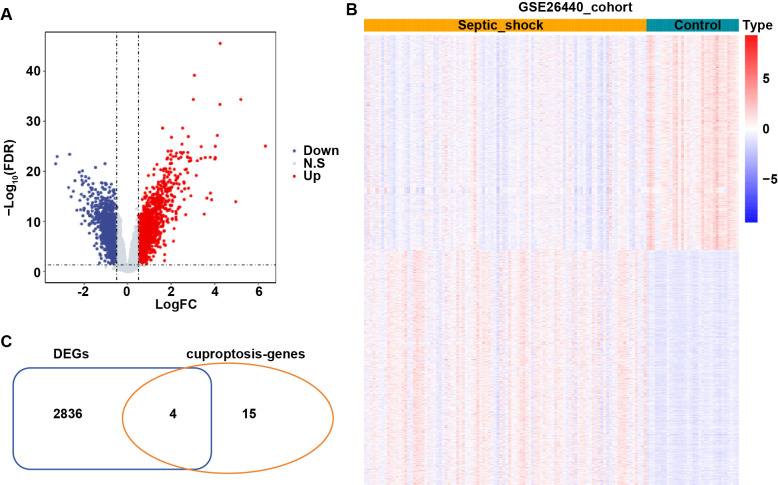
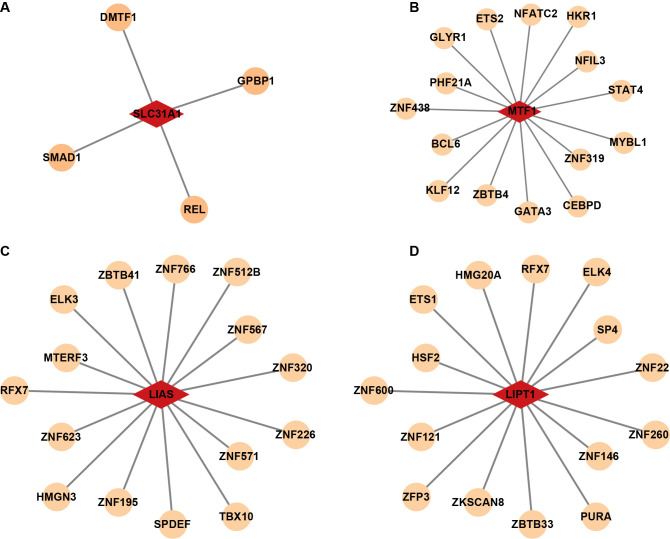
The GSE26440 dataset from the GEO database was used to screen differentially expressed genes (DEGs) between control and septic shock samples. Additionally, hub genes related to the progression of septic shock and cuproptosis were screened by Venn analysis. RT-qPCR was utilized to validate the expression of hub genes in peripheral blood lymphocytes from septic shock patients and healthy controls. Next, functional analysis and immune cells infiltration were performed.
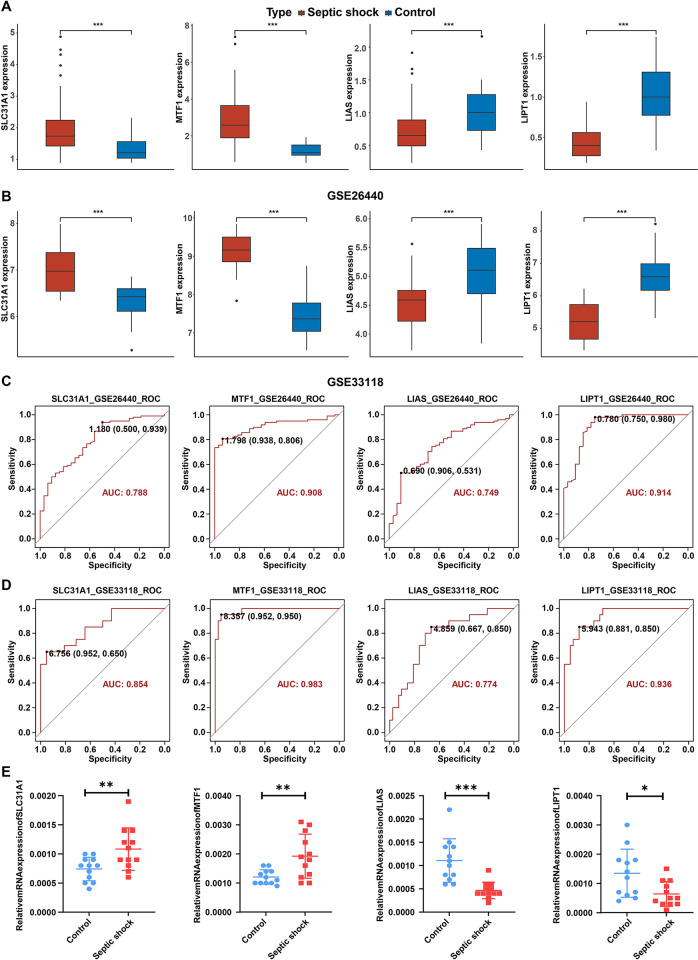
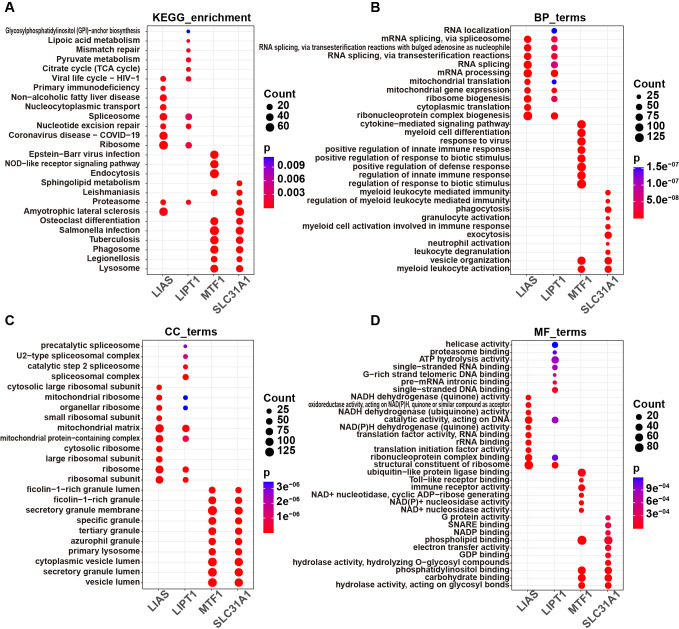
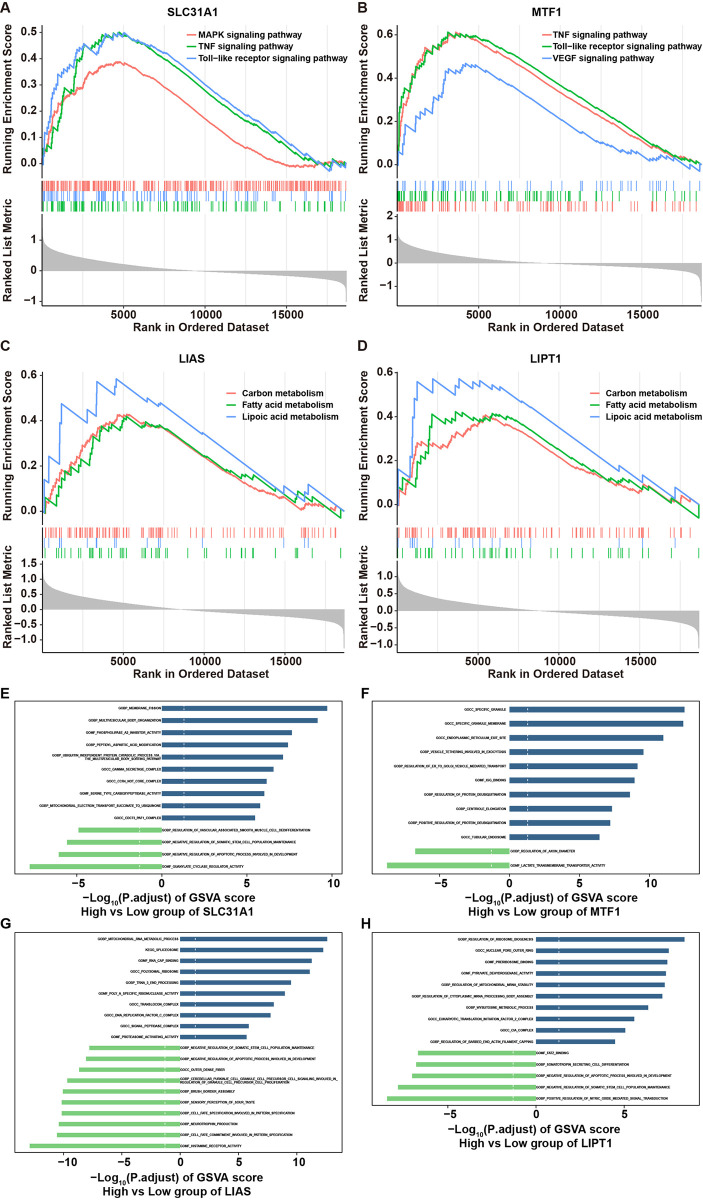
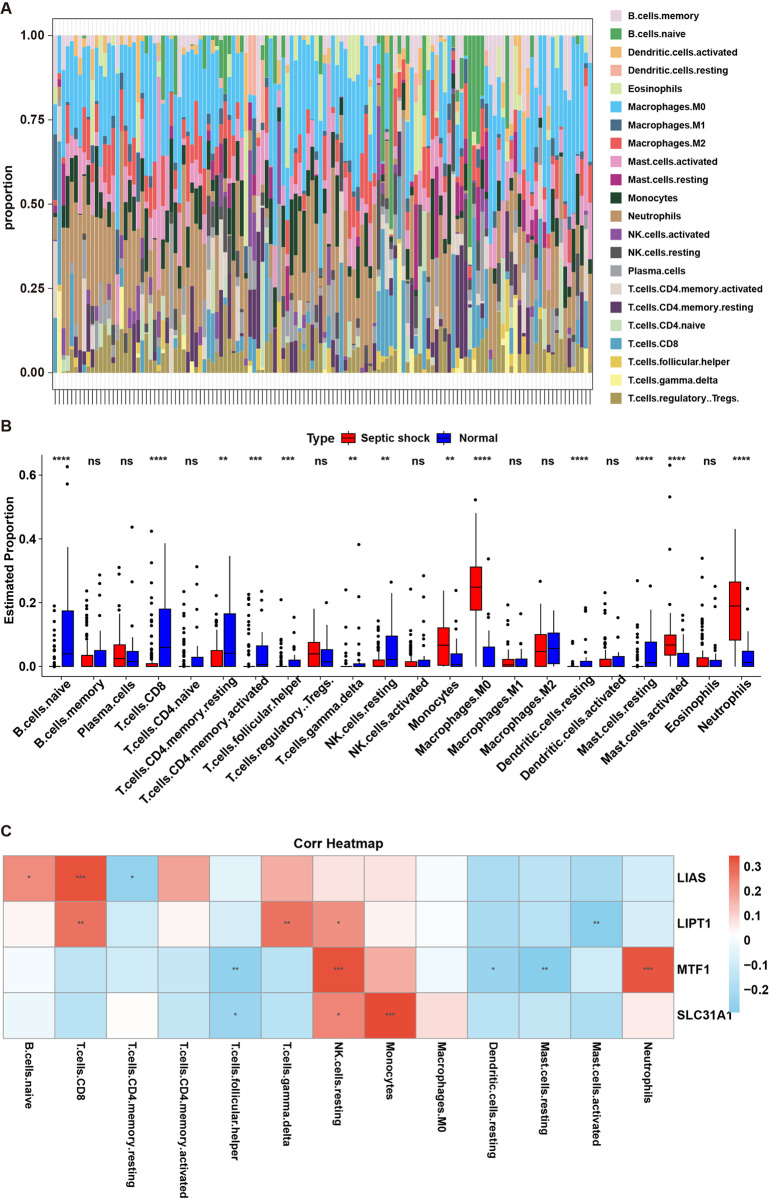
SLC31A1 and MTF1 levels were obviously elevated and LIAS and LIPT1 levels were downregulated in septic shock samples, compared to normal controls. The diagnostic values of the four genes were confirmed with receiver operating characteristic (ROC) curves. Additionally, SLC31A1 and MTF1 showed a positive correlation with natural killer cells and LIAS and LIPT1 exhibited a positive correlation with CD8+ T cells. Furthermore, compared to low-level groups, MAPK signaling was activated in the high-SLC31A1 level group, VEGF signaling was activated in the high-MTF1 level group and lipoic acid metabolism was activated in high-LIAS and high-LIPT1 level groups.
This study demonstrates that SLC31A1, MTF1, LIAS, and LIPT1 are dysregulated in septic shock samples, and these genes exhibit potential diagnostic efficacy in septic shock, suggesting that these genes may be potential biomarkers for the diagnosis of septic shock.
脓毒症休克是一种危及生命的疾病,其特征为器官系统功能衰竭且死亡率高。铜死亡是由铜过载引发的一种新的细胞死亡形式。然而,铜死亡相关基因与脓毒症休克之间的关系仍不清楚。
使用来自基因表达综合数据库(GEO数据库)的GSE26440数据集筛选对照样本和脓毒症休克样本之间的差异表达基因(DEG)。此外,通过韦恩分析筛选与脓毒症休克和铜死亡进展相关的核心基因。利用逆转录定量聚合酶链反应(RT-qPCR)验证脓毒症休克患者和健康对照外周血淋巴细胞中核心基因的表达。接下来,进行功能分析和免疫细胞浸润分析。
与正常对照相比,脓毒症休克样本中溶质载体家族31成员1(SLC31A1)和金属反应转录因子1(MTF1)水平明显升高,而硫辛酸合成酶(LIAS)和硫辛酸转乙酰基酶1(LIPT1)水平下调。通过受试者工作特征(ROC)曲线证实了这四个基因的诊断价值。此外,SLC31A1和MTF1与自然杀伤细胞呈正相关,LIAS和LIPT1与CD8 + T细胞呈正相关。此外,与低水平组相比,高SLC31A1水平组中丝裂原活化蛋白激酶(MAPK)信号通路被激活,高MTF1水平组中血管内皮生长因子(VEGF)信号通路被激活,高LIAS和高LIPT1水平组中硫辛酸代谢被激活。
本研究表明,脓毒症休克样本中SLC31A1、MTF1、LIAS和LIPT1表达失调,这些基因在脓毒症休克中具有潜在的诊断效能,提示这些基因可能是脓毒症休克诊断的潜在生物标志物。