Al-Beltagi Mohammed
Department of Pediatric, Faculty of Medicine, Tanta University, Tanta 31511, Alghrabia, Egypt.
Department of Pediatric, University Medical Center, King Abdulla Medical City, Arabian Gulf University, Manama 26671, Bahrain.
World J Clin Pediatr. 2024 Dec 9;13(4):99649. doi: 10.5409/wjcp.v13.i4.99649.
Autism spectrum disorder (ASD) presents unique challenges related to feeding and nutritional management. Children with ASD often experience feeding difficulties, including food selectivity, refusal, and gastrointestinal issues. Various interventions have been explored to address these challenges, including dietary modifications, vitamin supplementation, feeding therapy, and behavioral interventions.
To provide a comprehensive overview of the current evidence on nutritional management in ASD. We examine the effectiveness of dietary interventions, vitamin supplements, feeding therapy, behavioral interventions, and mealtime practices in addressing the feeding challenges and nutritional needs of children with ASD.
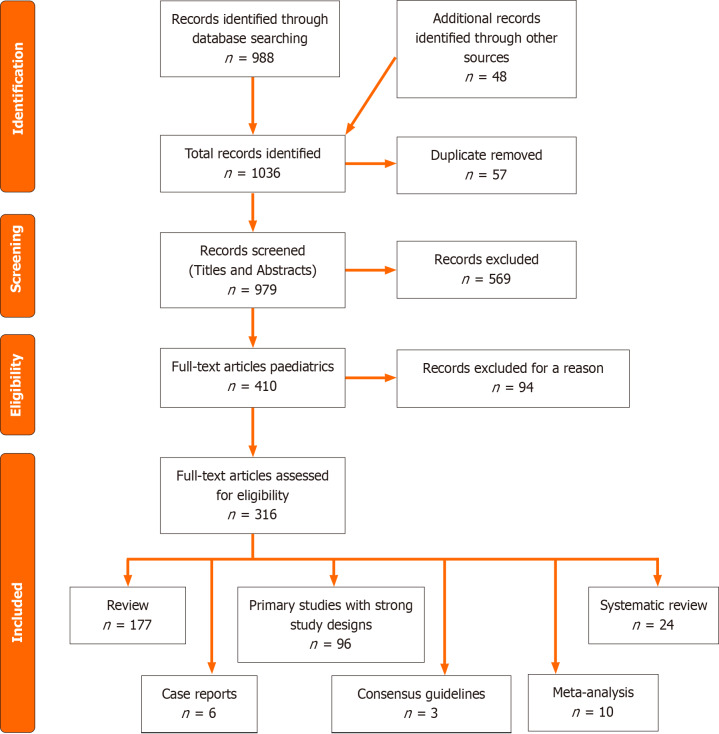
We systematically searched relevant literature up to June 2024, using databases such as PubMed, PsycINFO, and Scopus. Studies were included if they investigated dietary interventions, nutritional supplements, or behavioral strategies to improve feeding behaviors in children with ASD. We assessed the quality of the studies and synthesized findings on the impact of various interventions on feeding difficulties and nutritional outcomes. Data extraction focused on intervention types, study designs, participant characteristics, outcomes measured, and intervention effectiveness.
The review identified 316 studies that met the inclusion criteria. The evidence indicates that while dietary interventions and nutritional supplements may offer benefits in managing specific symptoms or deficiencies, the effectiveness of these approaches varies. Feeding therapy and behavioral interventions, including gradual exposure and positive reinforcement, promise to improve food acceptance and mealtime behaviors. The findings also highlight the importance of creating supportive mealtime environments tailored to the sensory and behavioral needs of children with ASD.
Nutritional management for children with ASD requires a multifaceted approach that includes dietary modifications, supplementation, feeding therapy, and behavioral strategies. The review underscores the need for personalized interventions and further research to refine treatment protocols and improve outcomes. Collaborative efforts among healthcare providers, educators, and families are essential to optimize this population's nutritional health and feeding practices. Enhancing our understanding of intervention sustainability and long-term outcomes is essential for optimizing care and improving the quality of life for children with ASD and their families.
自闭症谱系障碍(ASD)在喂养和营养管理方面存在独特挑战。患有ASD的儿童经常出现喂养困难,包括食物选择性、拒食和胃肠道问题。人们已经探索了各种干预措施来应对这些挑战,包括饮食调整、维生素补充、喂养治疗和行为干预。
全面概述目前关于ASD营养管理的证据。我们研究饮食干预、维生素补充剂、喂养治疗、行为干预以及用餐习惯在应对ASD儿童的喂养挑战和营养需求方面的有效性。
我们系统检索了截至2024年6月的相关文献,使用了如PubMed、PsycINFO和Scopus等数据库。如果研究调查了饮食干预、营养补充剂或行为策略以改善ASD儿童的喂养行为,则纳入研究。我们评估了研究的质量,并综合了各种干预措施对喂养困难和营养结果影响的研究结果。数据提取集中在干预类型、研究设计、参与者特征、测量的结果以及干预效果。
该综述确定了316项符合纳入标准的研究。证据表明,虽然饮食干预和营养补充剂可能在管理特定症状或缺乏方面有好处,但这些方法的有效性各不相同。喂养治疗和行为干预,包括逐步暴露和正面强化,有望改善食物接受度和用餐行为。研究结果还强调了根据ASD儿童的感官和行为需求创造支持性用餐环境的重要性。
ASD儿童的营养管理需要多方面的方法,包括饮食调整、补充、喂养治疗和行为策略。该综述强调了个性化干预以及进一步研究以完善治疗方案和改善结果的必要性。医疗保健提供者、教育工作者和家庭之间的合作努力对于优化这一人群的营养健康和喂养习惯至关重要。加强我们对干预可持续性和长期结果的理解对于优化护理以及改善ASD儿童及其家庭的生活质量至关重要。