Banerjee Suvankar, Baidya Sandip Kumar, Ghosh Balaram, Jha Tarun, Adhikari Nilanjan
Natural Science Laboratory, Division of Medicinal and Pharmaceutical Chemistry, Department of Pharmaceutical Technology, Jadavpur University, Kolkata, 700032, India.
Epigenetic Research Laboratory, Department of Pharmacy, Birla Institute of Technology and Science-Pilani, Hyderabad Campus, Shamirpet, Hyderabad, 500078, India.
Heliyon. 2024 Nov 15;10(23):e40404. doi: 10.1016/j.heliyon.2024.e40404. eCollection 2024 Dec 15.
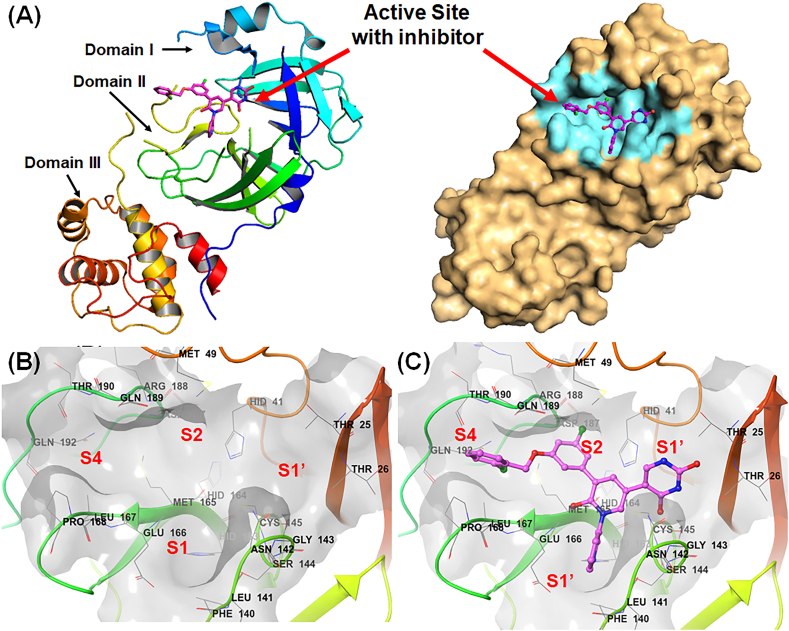
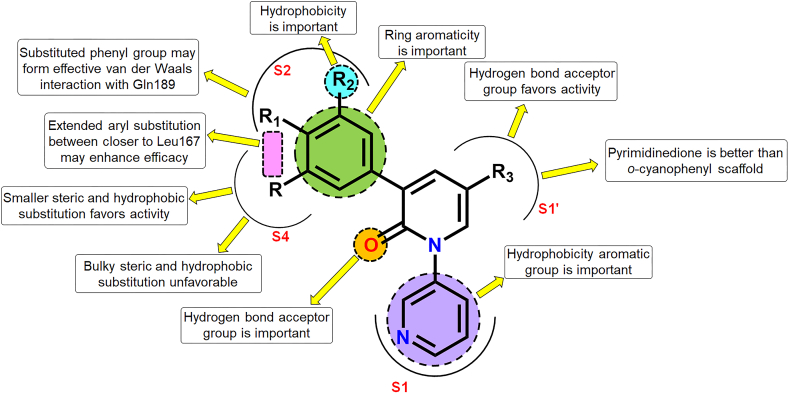
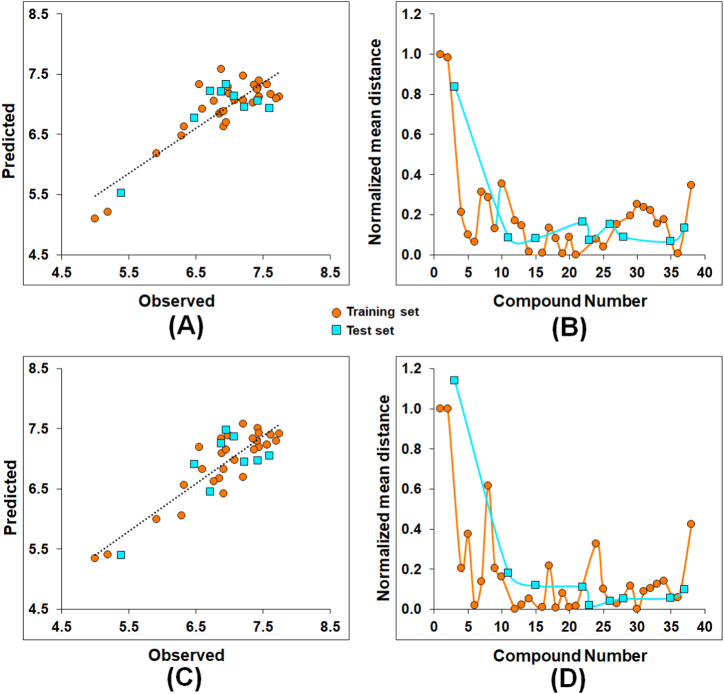
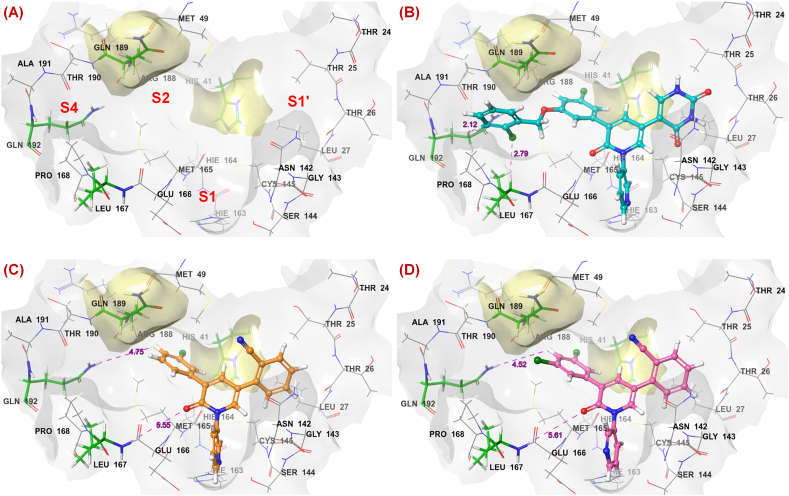
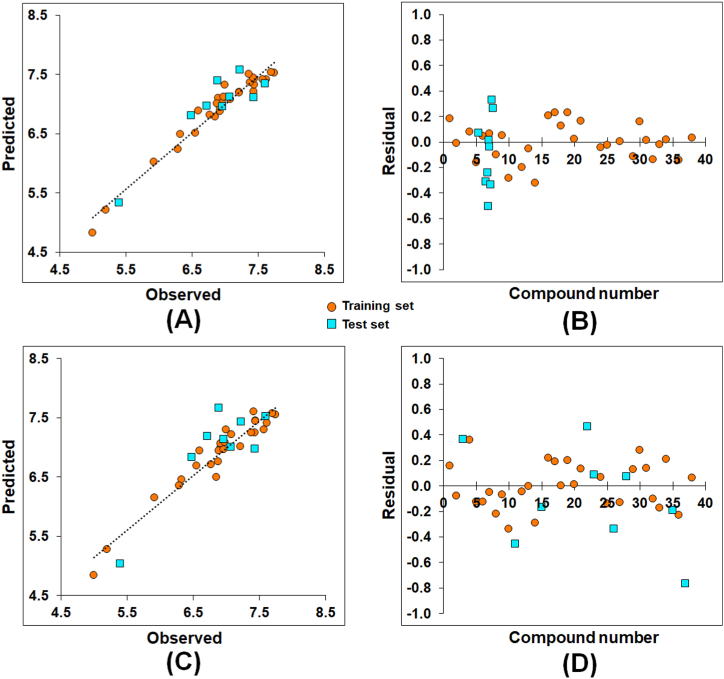
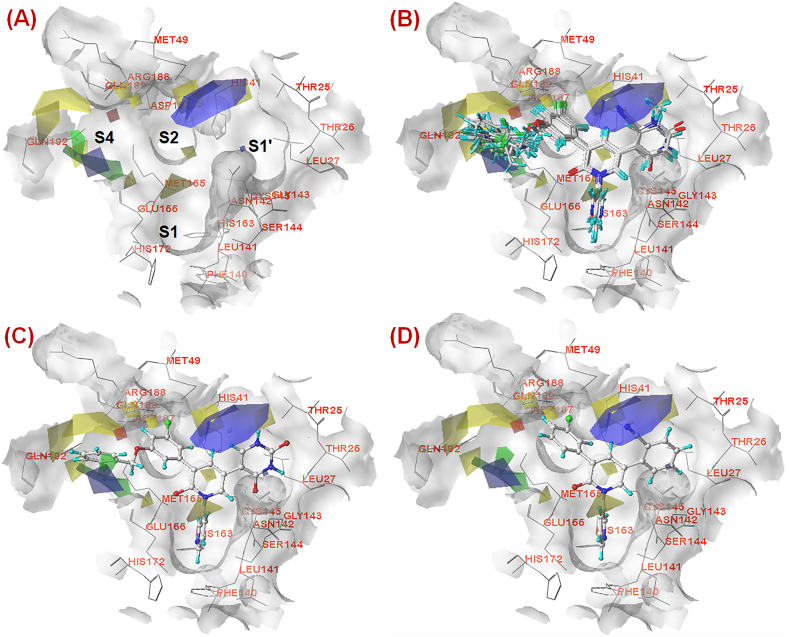
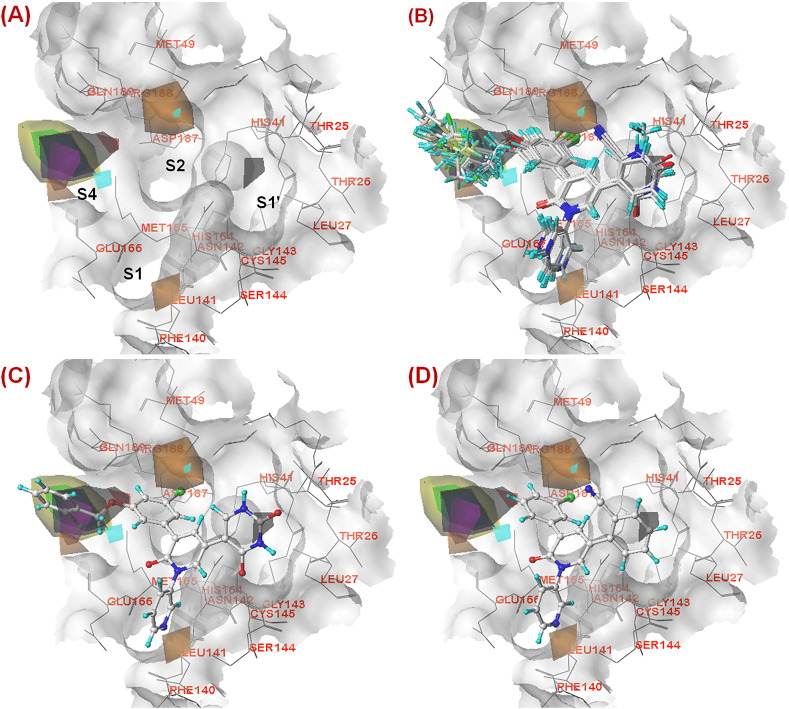
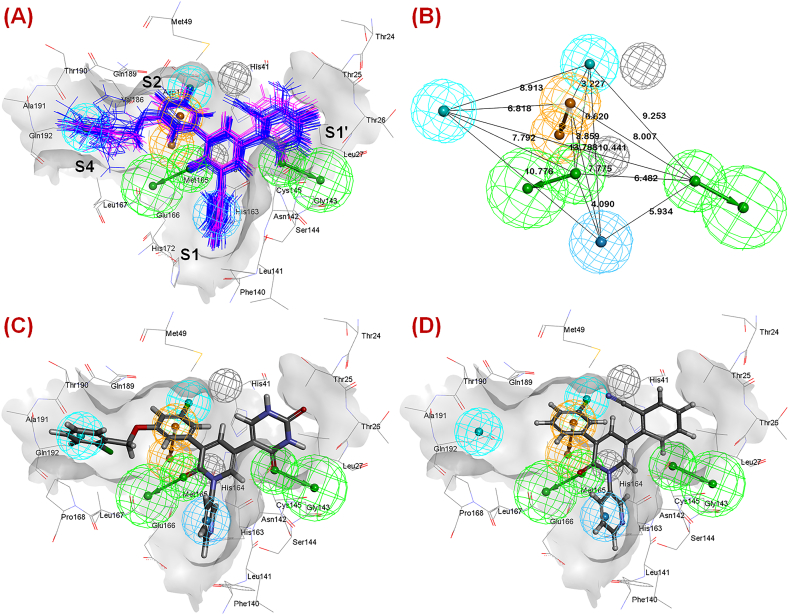
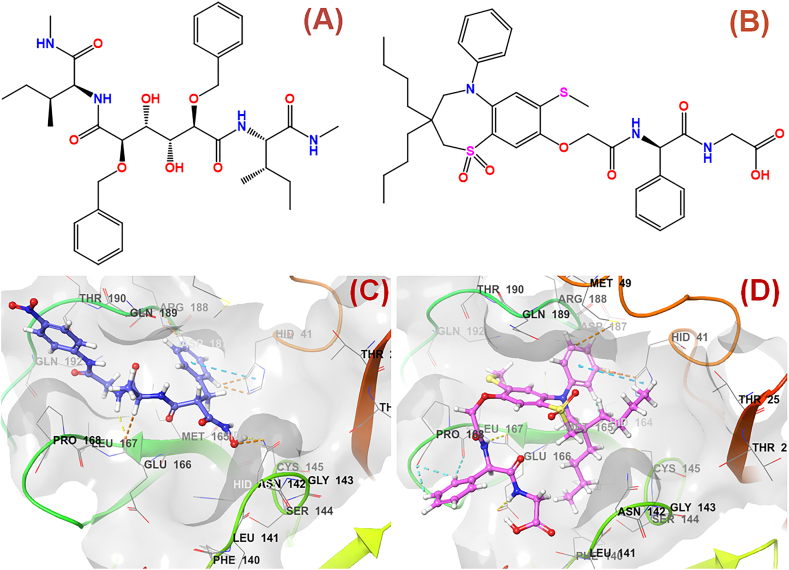
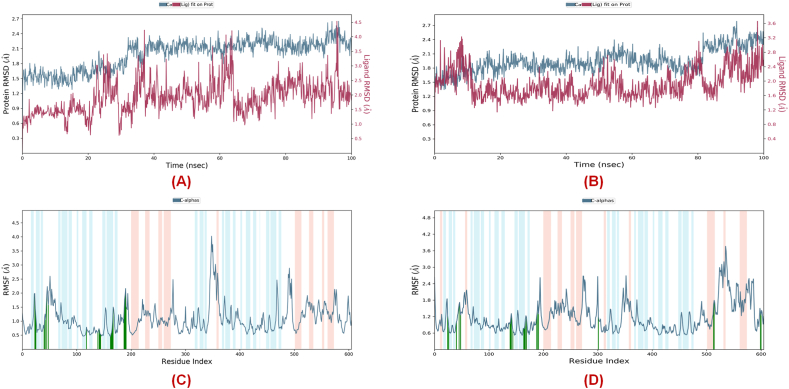
The global outbreak of COVID-19 infection is the first pandemic the world has experienced in this 21 century. The novel coronavirus 2019 (nCoV-19) also called the SARS-CoV-2 is the reason behind the severe acute respiratory syndrome (SARS) that led to this worldwide crisis. In this current post-pandemic situation, despite having effective vaccines, the paucity of orally administrable drug molecules for such infections is a major drawback in this current scenario. Among the different viral enzymes, the SARS-CoV-2 3CL is an encouraging target for effective drug discovery and development. In this context, the understanding of the requirements of the small molecules at the active site and their interactions is a crucial aspect of such drug candidate development. Here in this study, structure-based pharmacophore model development and molecular docking-dependent 2D-interaction-based and 3D-field-based QSAR studies have been carried out for a set of potential SARS-CoV-2 3CL inhibitors. This study exposed the importance of interactions with amino acids of the active site (such as Leu167 and Gln189 amino acid residues) as well as the importance of hydrogen bond acceptor groups at the S2 and S1' pockets. The presence of hydrophobic aromatic features as well as hydrophobic contacts at the S1 and S4 pockets were also found to have a key contribution to the SARS-CoV-2 3CL inhibition. Moreover, the screened drug candidate Elobixibat from the structure-based virtual screening also explored promising results as evidenced in MD simulation study and thus, can be a promising drug candidate that can be repurposed to assist in the development of effective anti-SARS-CoV-2 therapy.
新型冠状病毒肺炎(COVID-19)感染的全球大流行是21世纪世界经历的首次大流行。2019新型冠状病毒(nCoV-19),也称为严重急性呼吸综合征冠状病毒2(SARS-CoV-2),是导致这场全球危机的严重急性呼吸综合征(SARS)背后的原因。在当前这种大流行后的情况下,尽管有有效的疫苗,但针对此类感染的口服给药药物分子的匮乏是当前这种情况下的一个主要缺点。在不同的病毒酶中,SARS-CoV-2 3CL是有效药物发现和开发的一个令人鼓舞的靶点。在这种背景下,了解活性位点小分子的需求及其相互作用是此类候选药物开发的一个关键方面。在本研究中,针对一组潜在的SARS-CoV-2 3CL抑制剂进行了基于结构的药效团模型开发以及基于分子对接的二维相互作用和三维场的定量构效关系(QSAR)研究。这项研究揭示了与活性位点氨基酸(如Leu167和Gln189氨基酸残基)相互作用的重要性,以及S2和S1'口袋中氢键受体基团的重要性。还发现S1和S4口袋中疏水芳香特征以及疏水接触的存在对SARS-CoV-2 3CL抑制有关键贡献。此外,从基于结构的虚拟筛选中筛选出的候选药物埃洛比昔巴特在分子动力学模拟研究中也显示出有前景的结果,因此,它可能是一种有前景的候选药物,可重新用于协助开发有效的抗SARS-CoV-2疗法。