Faria Jessica do Nascimento, Eufrásio Amanda G, Fagundes Michelle, Lobo-Rojas Angel, Marchese Letícia, de Lima Silva Caio Cesar, Bezerra Eduardo H S, Mercaldi Gustavo F, Alborghetti Marcos R, Sforca Mauricio L, Cordeiro Artur T
Brazilian Biosciences National Laboratory, Brazilian Center for Research in Energy and Materials, Sao Paulo, Brazil.
Brazilian Biosciences National Laboratory, Brazilian Center for Research in Energy and Materials, Sao Paulo, Brazil; Faculty of Pharmaceutic Sciences, University of Campinas, Sao Paulo, Brazil.
J Biol Chem. 2025 Feb;301(2):108080. doi: 10.1016/j.jbc.2024.108080. Epub 2024 Dec 13.
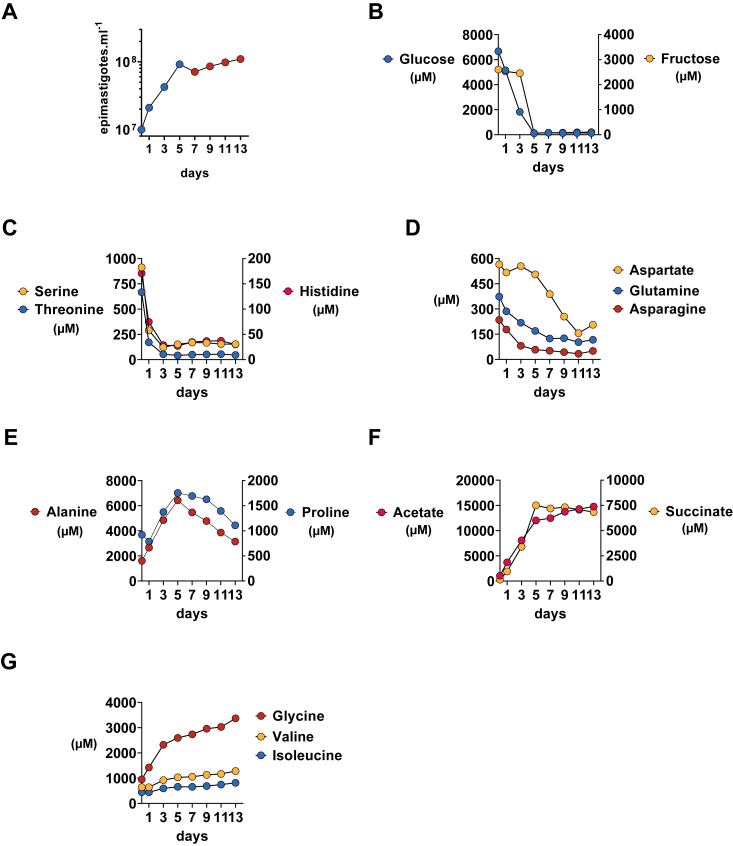
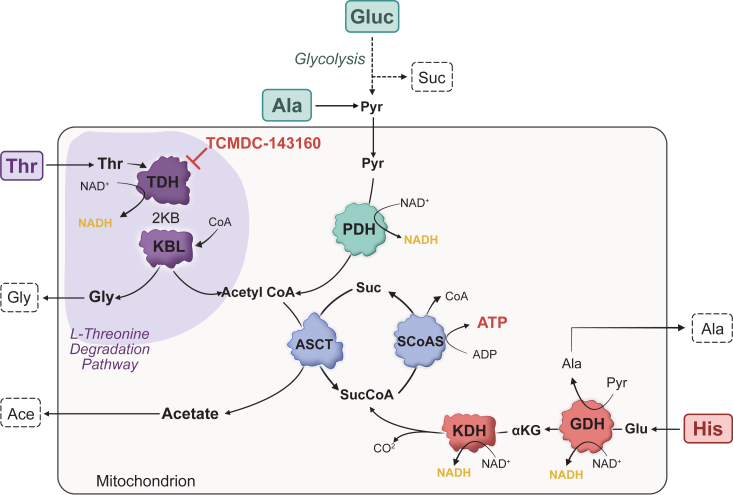
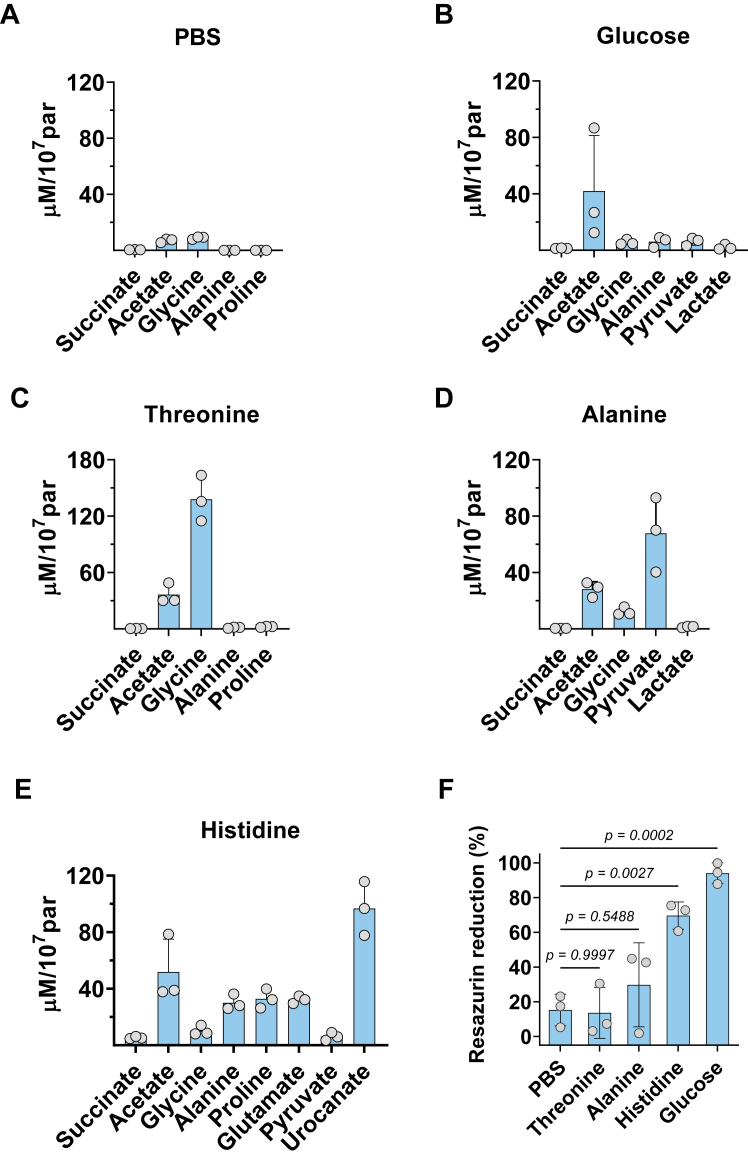
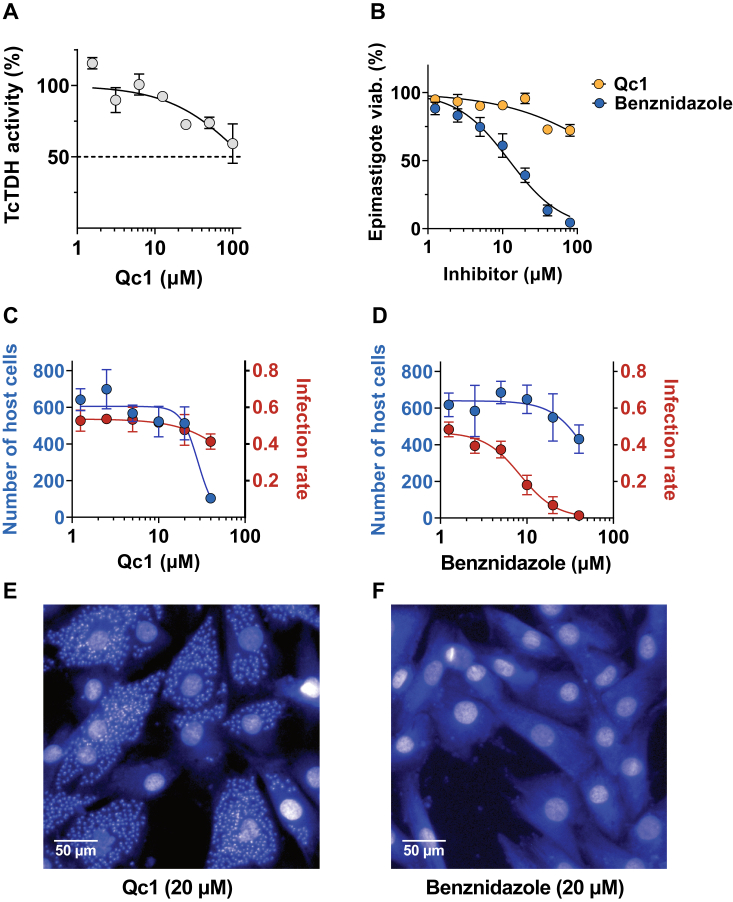
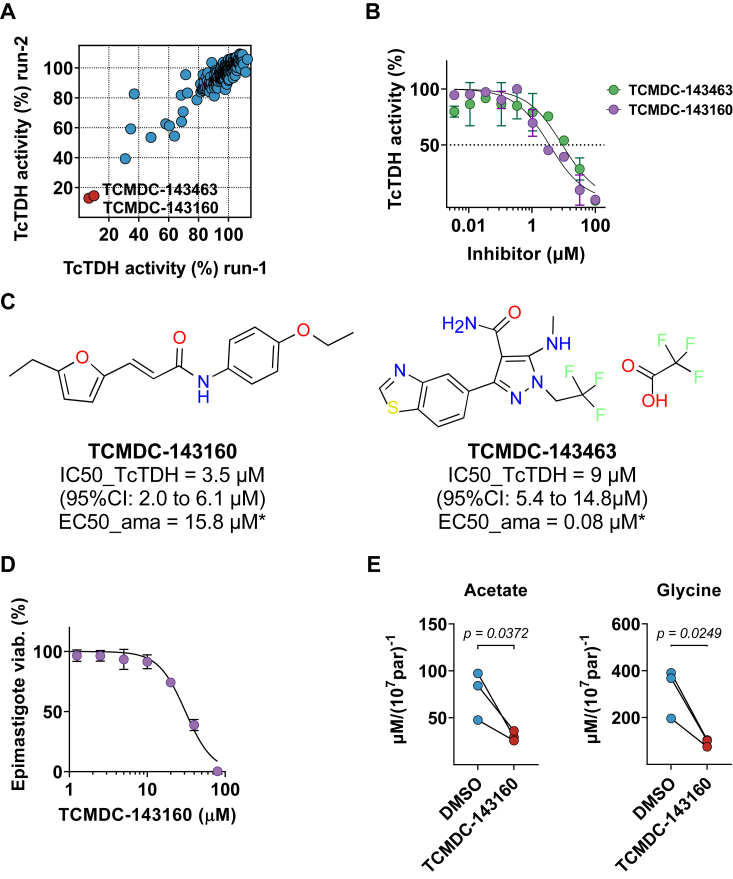
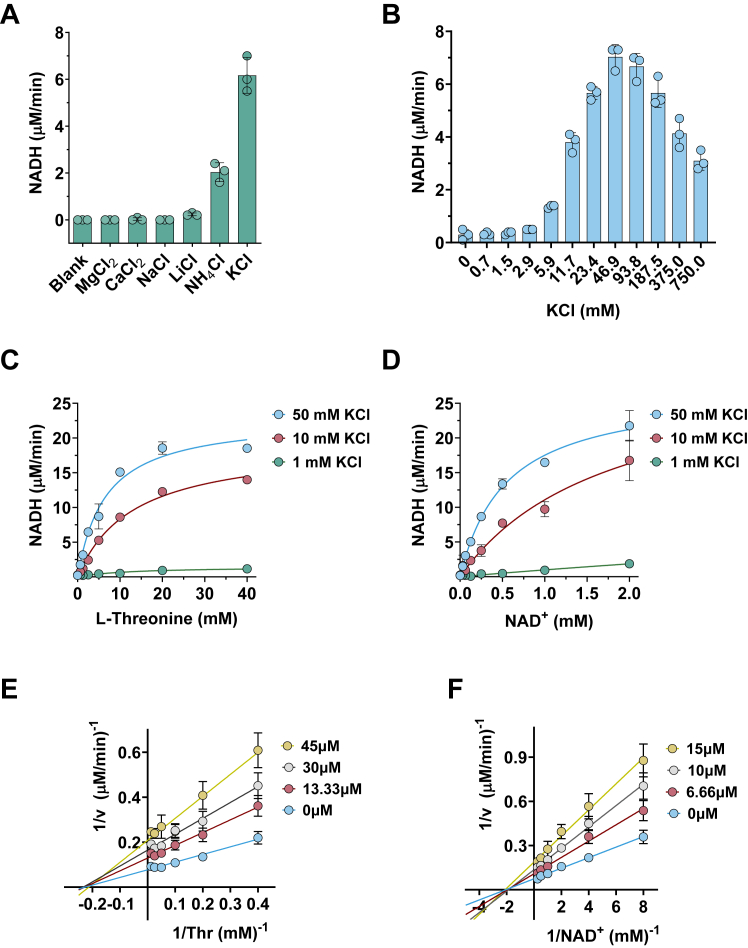
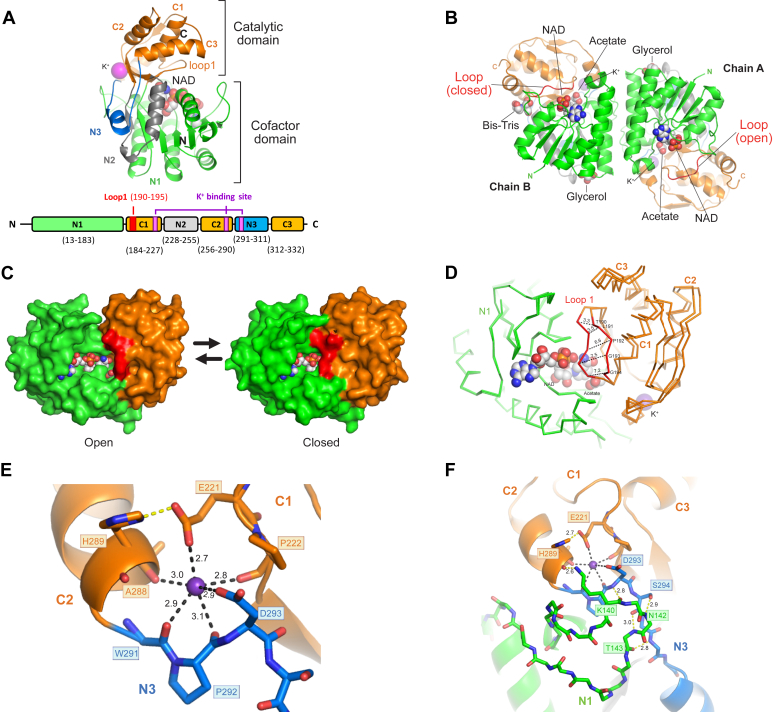
Trypanosoma cruzi is a flagellated protozoan and the etiological agent of Chagas disease, a neglected tropical disease described by Carlos Chagas in 1909 that remains without appropriate diagnostics and treatment. Throughout its life cycle, T. cruzi undergoes through many different environments, requiring adaptation of its metabolism to different nutrition sources. Recent studies have confirmed the adaptability of T. cruzi metabolism to different carbon sources and encouraged a deeper investigation of related metabolic pathways. In the present study, we investigated the catabolism of threonine in T. cruzi epimastigotes cultivated in LIT medium and following 24h of starvation in PBS. In LIT medium, threonine, serine, and histidine were rapidly consumed concomitantly with carbohydrates during parasite exponential growth. When threonine was provided as the only carbon source to starved parasites, they excreted acetate and glycine, corroborating the activity of a mitochondrial threonine degradation pathway. Subsequently, we used a recombinant T. cruzi L-threonine dehydrogrenase (TcTDH) to screen the Chagas Box, an open-source collection of phenotypic hits, and identified compound TCMDC-143160 as a low micromolar TcTDH inhibitor (IC50 = 3.5 μM). When TCMDC-143160 was administrated to starved parasites, it inhibited the threonine degradation pathway. Finally, we report the crystal structure of TcTDH and characterize its allosteric activation by potassium. Collectively, these data demonstrate the relevance of threonine catabolism in T. cruzi metabolism and provide a set of tools to further investigate TcTDH as a potential drug target for Chagas disease.
克氏锥虫是一种有鞭毛的原生动物,也是恰加斯病的病原体,恰加斯病是1909年由卡洛斯·恰加斯描述的一种被忽视的热带疾病,至今仍缺乏合适的诊断和治疗方法。在其整个生命周期中,克氏锥虫会经历许多不同的环境,需要使其新陈代谢适应不同的营养来源。最近的研究证实了克氏锥虫新陈代谢对不同碳源的适应性,并鼓励对相关代谢途径进行更深入的研究。在本研究中,我们调查了在LIT培养基中培养并在PBS中饥饿24小时后的克氏锥虫前鞭毛体中苏氨酸的分解代谢。在LIT培养基中,在寄生虫指数生长期间,苏氨酸、丝氨酸和组氨酸与碳水化合物同时被快速消耗。当向饥饿的寄生虫提供苏氨酸作为唯一碳源时,它们会分泌乙酸盐和甘氨酸,这证实了线粒体苏氨酸降解途径的活性。随后,我们使用重组克氏锥虫L-苏氨酸脱氢酶(TcTDH)筛选恰加斯盒(一个开源的表型命中物集合),并鉴定出化合物TCMDC-143160为低微摩尔浓度的TcTDH抑制剂(IC50 = 3.5 μM)。当将TCMDC-143160施用于饥饿的寄生虫时,它抑制了苏氨酸降解途径。最后,我们报告了TcTDH的晶体结构,并表征了其被钾离子的变构激活作用。总的来说,这些数据证明了苏氨酸分解代谢在克氏锥虫新陈代谢中的相关性,并提供了一组工具来进一步研究将TcTDH作为恰加斯病的潜在药物靶点。