Patel Aneri, Seng Panhaneath, Verma Rashmi, Zheng Jasper
Medical School, University of California Davis School of Medicine, Sacramento, USA.
Hematology and Oncology, University of California Davis Comprehensive Cancer Center, Sacramento, USA.
Cureus. 2024 Nov 15;16(11):e73766. doi: 10.7759/cureus.73766. eCollection 2024 Nov.
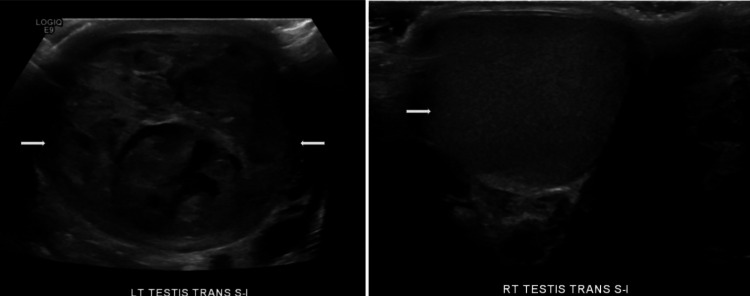
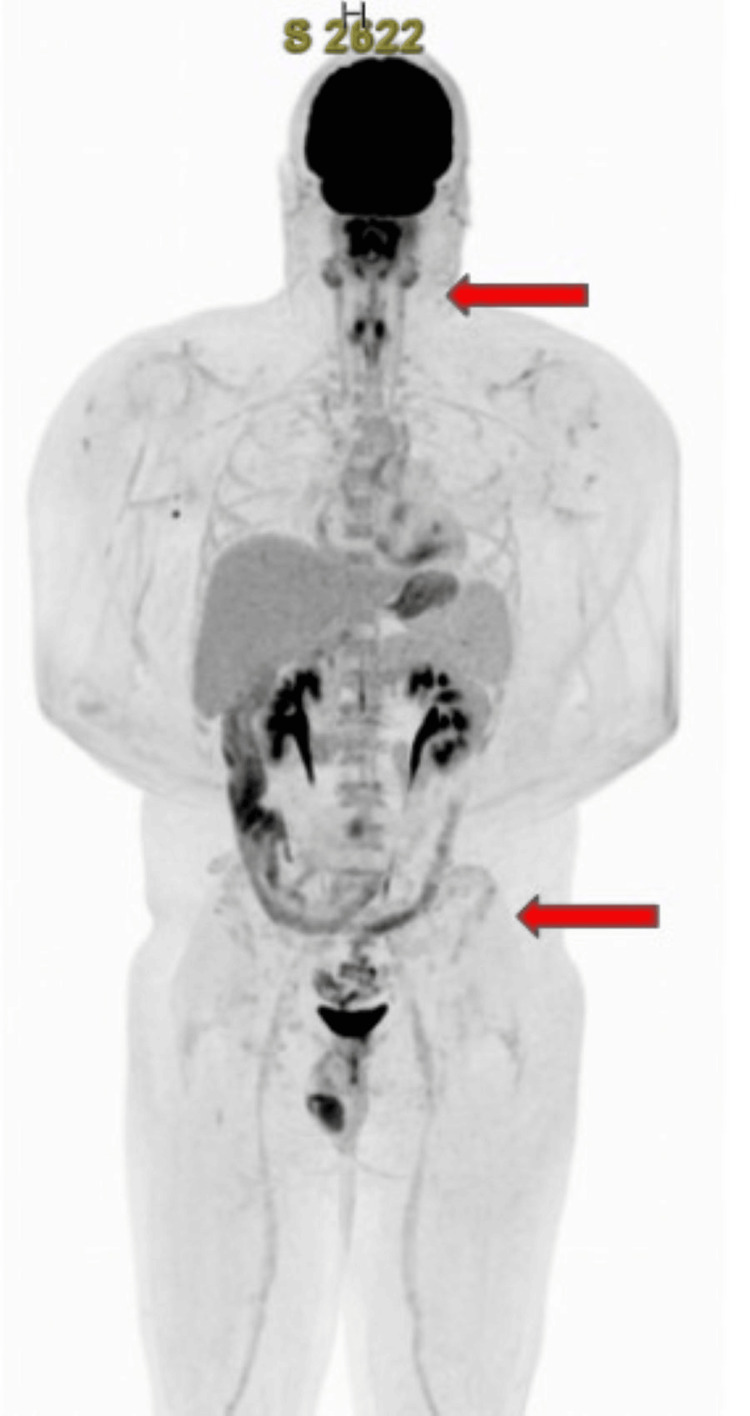
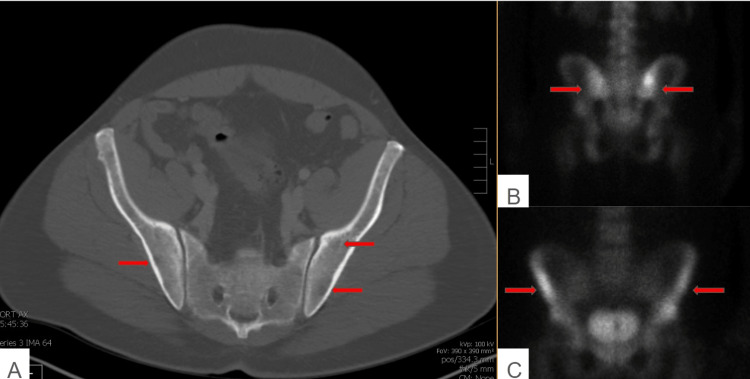
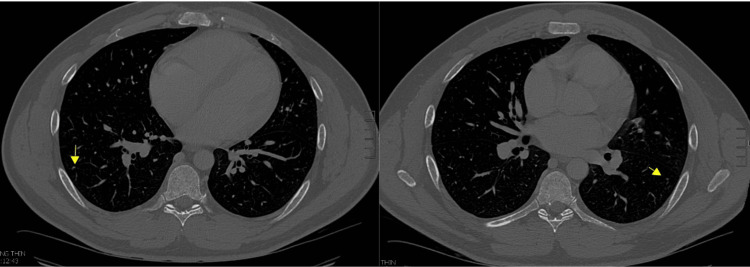
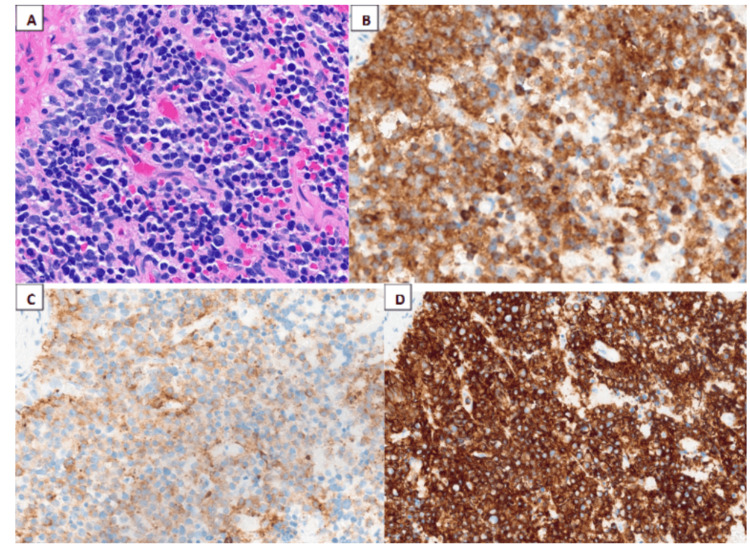
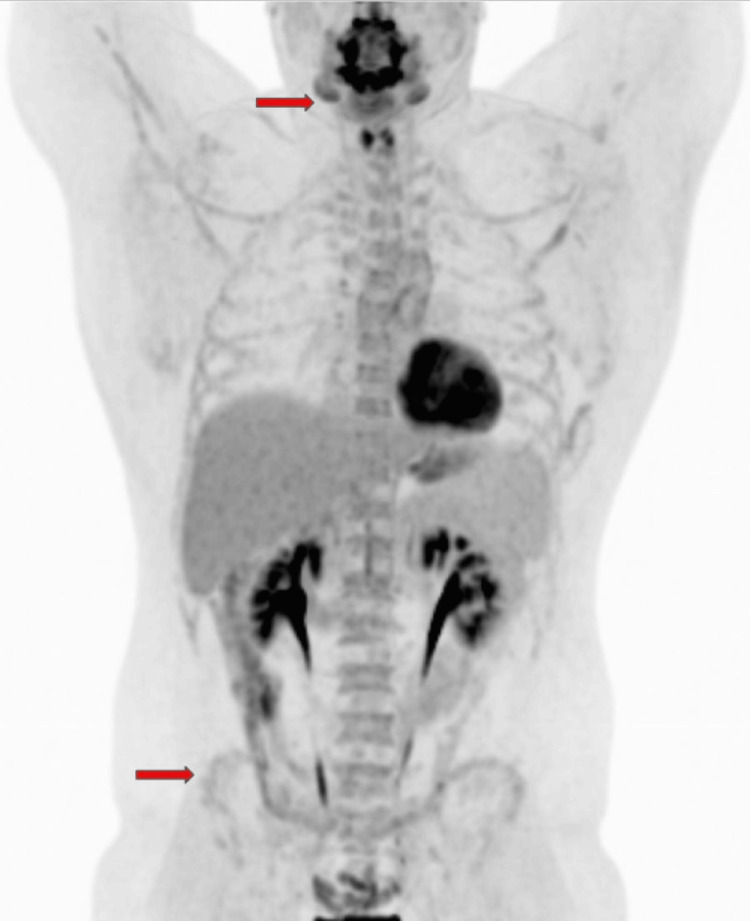
We present a case of a 36-year-old male found to have a nonseminomatous germ cell tumor (NSGCT) with alpha-fetoprotein levels (AFP) of 737.9 ng/mL and beta-human chorionic gonadotropin (β-HCG) of 692 IU/mL. Pathology analysis after left orchiectomy showed a mixed germ cell tumor with 20% embryonal carcinoma, 20% yolk sac tumor, and 60% teratoma. The patient's AFP levels normalized three months after surgery. Chemotherapy was proposed, but the patient declined. Two years post orchiectomy, lytic bone lesions were discovered on a surveillance CT. A bone marrow biopsy (BMB) showed neural differentiation consistent with metastatic primitive neuroectodermal tumor (PNET) arising from the previous testicular germ cell tumor. Treatment for the PNET included vincristine, doxorubicin, cyclophosphamide, and ifosfamide/etoposide mesna. Two months later, a repeat BMB showed minimal tumor cells. The patient also underwent a tandem autologous stem cell transplant with carboplatin/etoposide conditioning and adjuvant etoposide and the subsequent PET/CT scan showed a response to the above treatment. Clinical stage I of NSGTs can often be cured with orchiectomy; the challenge is identifying high recurrence risks. This is a unique case of NSGCT transforming to PNET, an aggressive tumor with a poor prognosis given the limited response to standard chemotherapy of platinum-based drugs. Our patient underwent chemotherapy and an autologous stem cell transplant, which proved to be effective in high-risk diseases. There are no established guidelines for the treatment for malignant transformation of testicular teratoma into PNET. The regimen for our patient yielded promising results. Our aim is to highlight a regimen that can be utilized for this rare aggressive neoplasm.
我们报告一例36岁男性,被发现患有非精原性生殖细胞肿瘤(NSGCT),甲胎蛋白(AFP)水平为737.9 ng/mL,β-人绒毛膜促性腺激素(β-HCG)为692 IU/mL。左侧睾丸切除术后的病理分析显示为混合性生殖细胞肿瘤,其中胚胎癌占20%,卵黄囊瘤占20%,畸胎瘤占60%。患者术后三个月AFP水平恢复正常。建议进行化疗,但患者拒绝。睾丸切除术后两年,在监测CT上发现溶骨性骨病变。骨髓活检(BMB)显示神经分化,与先前睾丸生殖细胞肿瘤转移而来的原始神经外胚层肿瘤(PNET)一致。PNET的治疗包括长春新碱、阿霉素、环磷酰胺和异环磷酰胺/依托泊苷美司钠。两个月后,重复骨髓活检显示肿瘤细胞极少。患者还接受了卡铂/依托泊苷预处理的串联自体干细胞移植以及辅助性依托泊苷治疗,随后的PET/CT扫描显示对上述治疗有反应。NSGTs的临床I期通常通过睾丸切除术可治愈;挑战在于识别高复发风险。这是一例NSGCT转化为PNET的独特病例,PNET是一种侵袭性肿瘤,鉴于对铂类药物标准化疗的反应有限,预后较差。我们的患者接受了化疗和自体干细胞移植,这被证明对高危疾病有效。目前尚无针对睾丸畸胎瘤恶性转化为PNET的既定治疗指南。我们患者的治疗方案取得了有希望的结果。我们的目的是强调一种可用于这种罕见侵袭性肿瘤的治疗方案。