Mousavi Seyedeh Somayyeh, Tierney Kim, Robichaux Chad, Boulet Sheree Lynn, Franklin Cheryl, Chandrasekaran Suchitra, Sameni Reza, Clifford Gari D, Katebi Nasim
Department of Biomedical Informatics, Emory University, Atlanta, GA, USA.
Department of Gynecology and Obstetrics, Emory University, Atlanta, GA, USA.
medRxiv. 2024 Dec 3:2024.11.21.24317720. doi: 10.1101/2024.11.21.24317720.
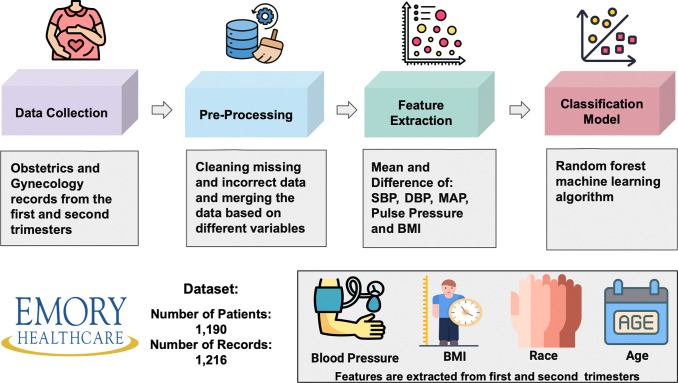
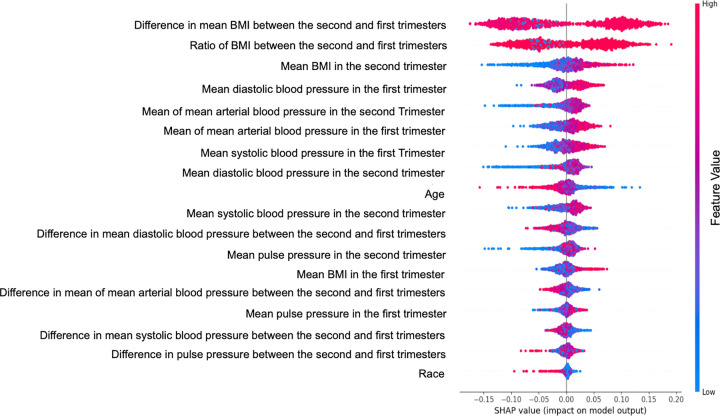
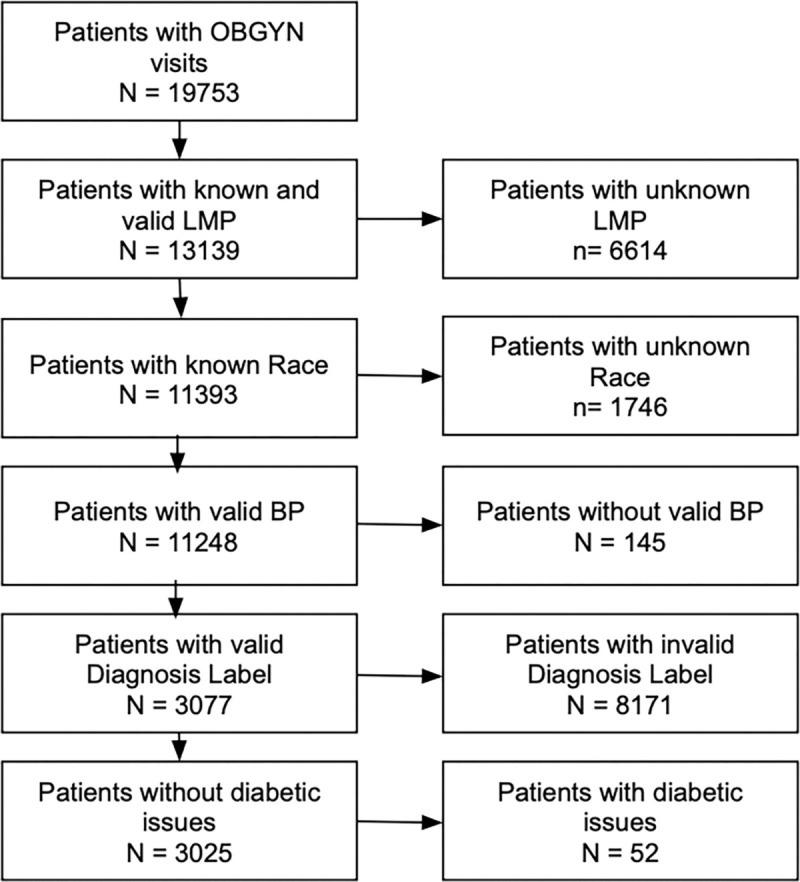
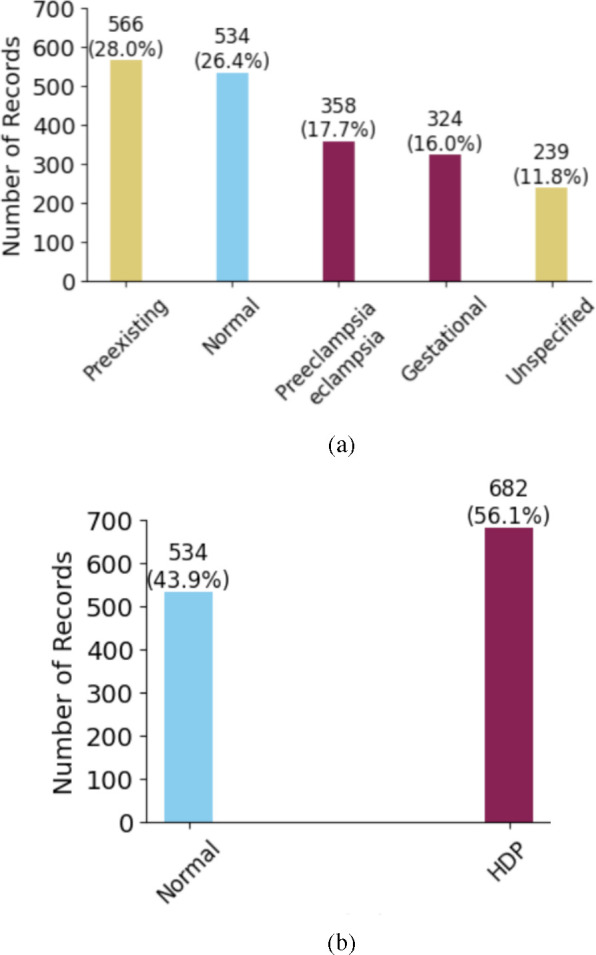
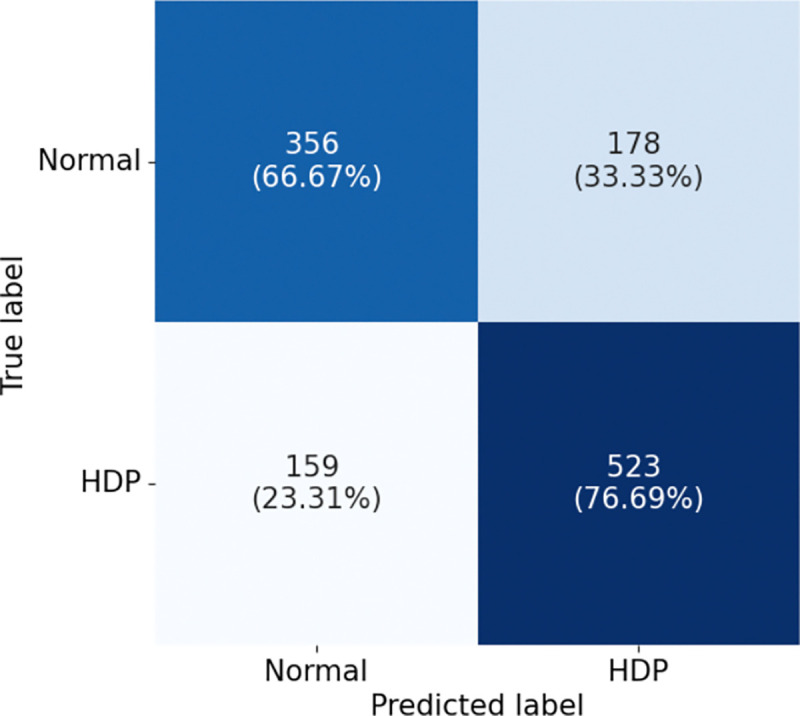
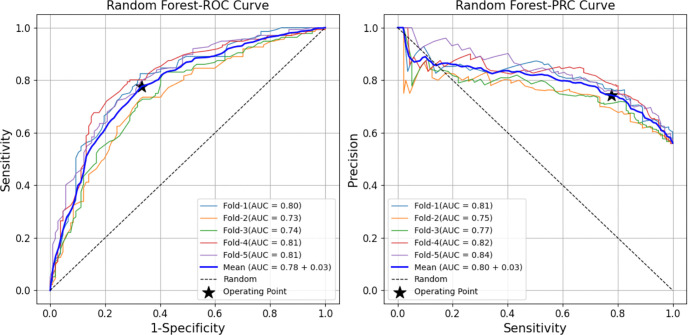
Hypertensive disorders of pregnancy (HDPs) remain a major challenge in maternal health. Early prediction of HDPs is crucial for timely intervention. Most existing predictive machine learning (ML) models rely on costly methods like blood, urine, genetic tests, and ultrasound, often extracting features from data gathered throughout pregnancy, delaying intervention. This study developed an ML model to identify HDP risk before clinical onset using affordable methods. Features were extracted from blood pressure (BP) measurements, body mass index values (BMI) recorded during the first and second trimesters, and maternal demographic information. We employed a random forest classification model for its robustness and ability to handle complex datasets. Our dataset, gathered from large academic medical centers in Atlanta, Georgia, United States (2010-2022), comprised 1,190 patients with 1,216 records collected during the first and second trimesters. Despite the limited number of features, the model's performance demonstrated a strong ability to accurately predict HDPs. The model achieved an F1-score, accuracy, positive predictive value, and area under the receiver-operating characteristic curve of 0.76, 0.72, 0.75, and 0.78, respectively. In conclusion, the model was shown to be effective in capturing the relevant patterns in the feature set necessary for predicting HDPs. Moreover, it can be implemented using simple devices, such as BP monitors and weight scales, providing a practical solution for early HDPs prediction in low-resource settings with proper testing and validation. By improving the early detection of HDPs, this approach can potentially help with the management of adverse pregnancy outcomes.
妊娠期高血压疾病(HDPs)仍然是孕产妇健康领域的一项重大挑战。HDPs的早期预测对于及时干预至关重要。大多数现有的预测性机器学习(ML)模型依赖于血液、尿液、基因检测和超声等成本高昂的方法,通常从整个孕期收集的数据中提取特征,从而延迟了干预。本研究开发了一种ML模型,使用经济实惠的方法在临床发病前识别HDP风险。特征是从血压(BP)测量值、孕早期和孕中期记录的体重指数值(BMI)以及孕产妇人口统计学信息中提取的。我们采用随机森林分类模型,因其具有鲁棒性和处理复杂数据集的能力。我们的数据集来自美国佐治亚州亚特兰大的大型学术医疗中心(2010 - 2022年),包括1190名患者在孕早期和孕中期收集的1216条记录。尽管特征数量有限,但该模型的性能显示出准确预测HDPs的强大能力。该模型的F1分数、准确率、阳性预测值和受试者工作特征曲线下面积分别为0.76、0.72、0.75和0.78。总之,该模型被证明在捕捉预测HDPs所需特征集中的相关模式方面是有效的。此外,它可以使用简单的设备(如血压监测仪和体重秤)来实现,为资源匮乏地区通过适当的测试和验证进行HDPs早期预测提供了一种实用的解决方案。通过改善HDPs的早期检测,这种方法可能有助于管理不良妊娠结局。