Lankester Felix, Kibona Tito J, Allan Kathryn J, de Glanville William, Buza Joram J, Katzer Frank, Halliday Jo E, Mmbaga Blandina T, Wheelhouse Nick, Innes Elisabeth A, Thomas Kate M, Nyasebwa Obed M, Swai Emanuel, Claxton John R, Cleaveland Sarah
Paul G. Allen School for Global Health, Washington State University, Pullman, United States.
Global Animal Health Tanzania, Arusha, United Republic of Tanzania.
Elife. 2024 Dec 16;13:RP95296. doi: 10.7554/eLife.95296.
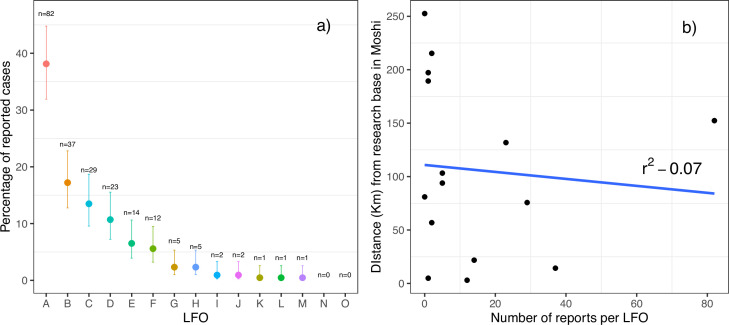
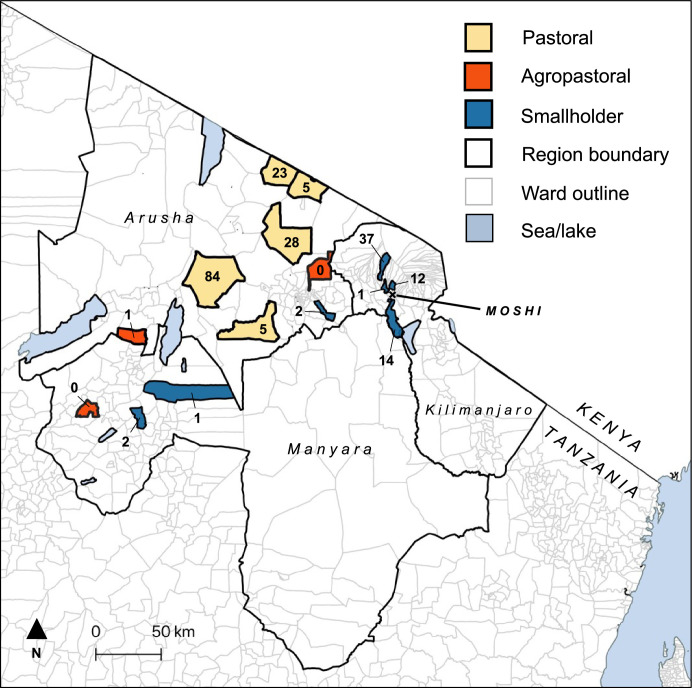
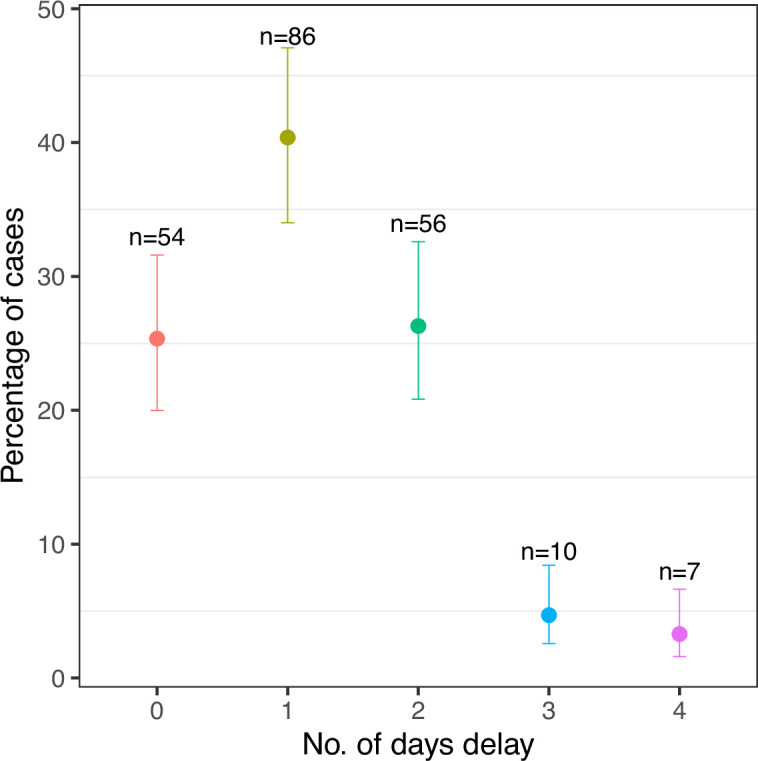
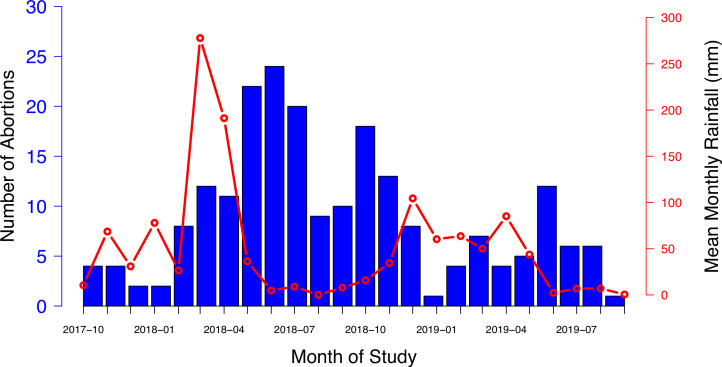
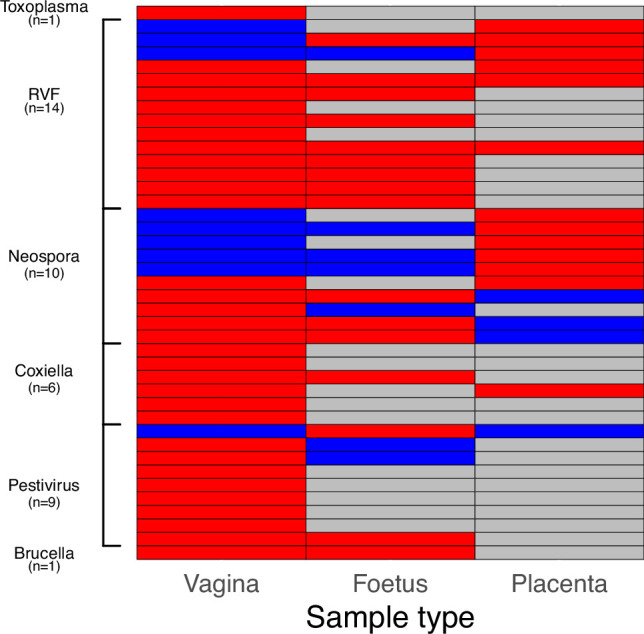
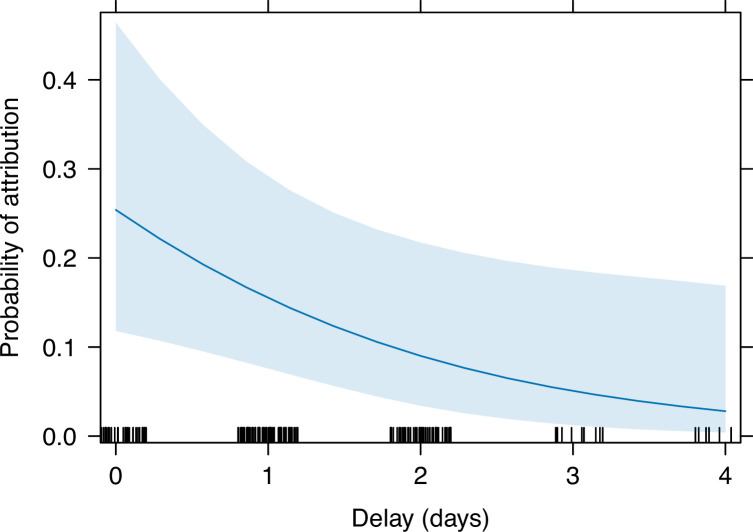
Lack of data on the aetiology of livestock diseases constrains effective interventions to improve livelihoods, food security and public health. Livestock abortion is an important disease syndrome affecting productivity and public health. Several pathogens are associated with livestock abortions but across Africa surveillance data rarely include information from abortions, little is known about aetiology and impacts, and data are not available to inform interventions. This paper describes outcomes from a surveillance platform established in Tanzania spanning pastoral, agropastoral and smallholder systems to investigate causes and impacts of livestock abortion. Abortion events were reported by farmers to livestock field officers (LFO) and on to investigation teams. Events were included if the research team or LFO could attend within 72 hr. If so, samples and questionnaire data were collected to investigate (a) determinants of attribution; (b) patterns of events, including species and breed, previous abortion history, and seasonality; (c) determinants of reporting, investigation and attribution; (d) cases involving zoonotic pathogens. Between 2017-2019, 215 events in cattle (n=71), sheep (n=44), and goats (n=100) were investigated. Attribution, achieved for 19.5% of cases, was significantly affected by delays in obtaining samples. Histopathology proved less useful than PCR due to rapid deterioration of samples. Vaginal swabs provided practical and sensitive material for pathogen detection. Livestock abortion surveillance, even at a small scale, can generate valuable information on causes of disease outbreaks, reproductive losses and can identify pathogens not easily captured through other forms of livestock disease surveillance. This study demonstrated the feasibility of establishing a surveillance system, achieved through engagement of community-based field officers, establishment of practical sample collection and application of molecular diagnostic platforms.
缺乏关于家畜疾病病因的数据限制了改善生计、粮食安全和公共卫生的有效干预措施。家畜流产是一种影响生产力和公共卫生的重要疾病综合征。几种病原体与家畜流产有关,但在整个非洲,监测数据很少包括流产的信息,对病因和影响知之甚少,也没有数据为干预措施提供依据。本文描述了在坦桑尼亚建立的一个监测平台的成果,该平台涵盖牧区、农牧混合区和小农系统,以调查家畜流产的原因和影响。农民向家畜现场工作人员(LFO)报告流产事件,然后再上报给调查团队。如果研究团队或LFO能够在72小时内赶到,则将这些事件纳入调查。如果可以赶到,将收集样本和问卷数据以调查:(a)归因的决定因素;(b)事件模式,包括物种和品种、既往流产史和季节性;(c)报告、调查和归因的决定因素;(d)涉及人畜共患病原体的病例。在2017年至2019年期间,对牛(n = 71)、绵羊(n = 44)和山羊(n = 100)的215起流产事件进行了调查。19.5%的病例实现了归因,获取样本的延迟对其有显著影响。由于样本迅速变质,组织病理学证明不如PCR有用。阴道拭子为病原体检测提供了实用且灵敏的材料。家畜流产监测即使规模较小,也能生成关于疾病暴发原因、繁殖损失的宝贵信息,并能识别通过其他形式的家畜疾病监测不易捕获的病原体。本研究证明了建立监测系统的可行性,这是通过社区现场工作人员的参与、实用样本采集方法的建立以及分子诊断平台的应用实现的。