Mutukwa Dorcas, Taziwa Raymond Tichaona, Tichapondwa Shepherd Masimba, Khotseng Lindiwe
Department of Chemistry, University of Western Cape, Robert Sobukwe Road, Private Bag X17, Bellville 7535, South Africa.
Department of Applied Sciences, Faculty of Natural Sciences, Walter Sisulu University, Old King William Town Road, Potsdam Site, East London 5200, South Africa.
Nanomaterials (Basel). 2024 Nov 29;14(23):1929. doi: 10.3390/nano14231929.
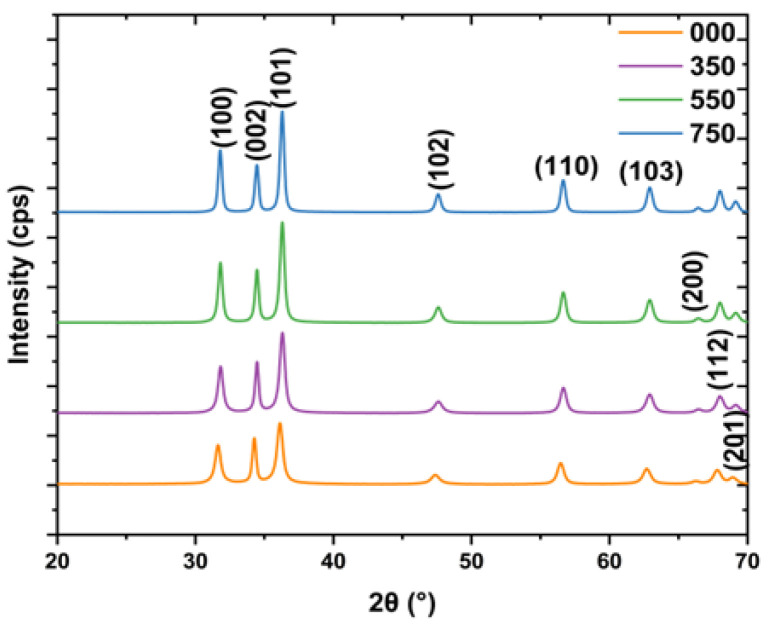
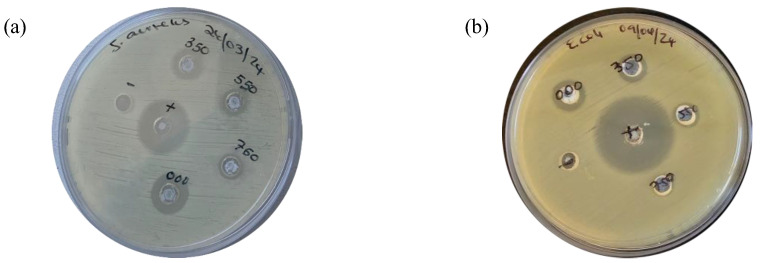
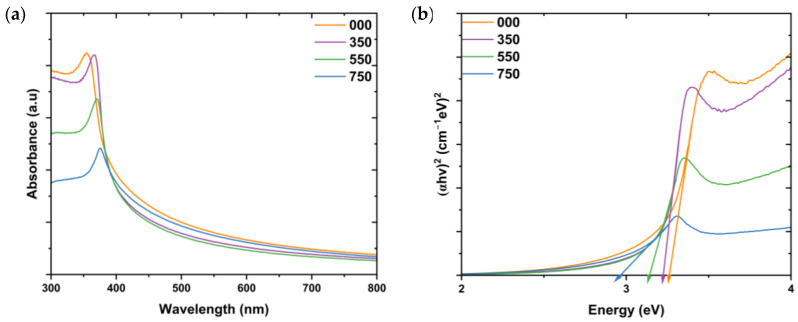
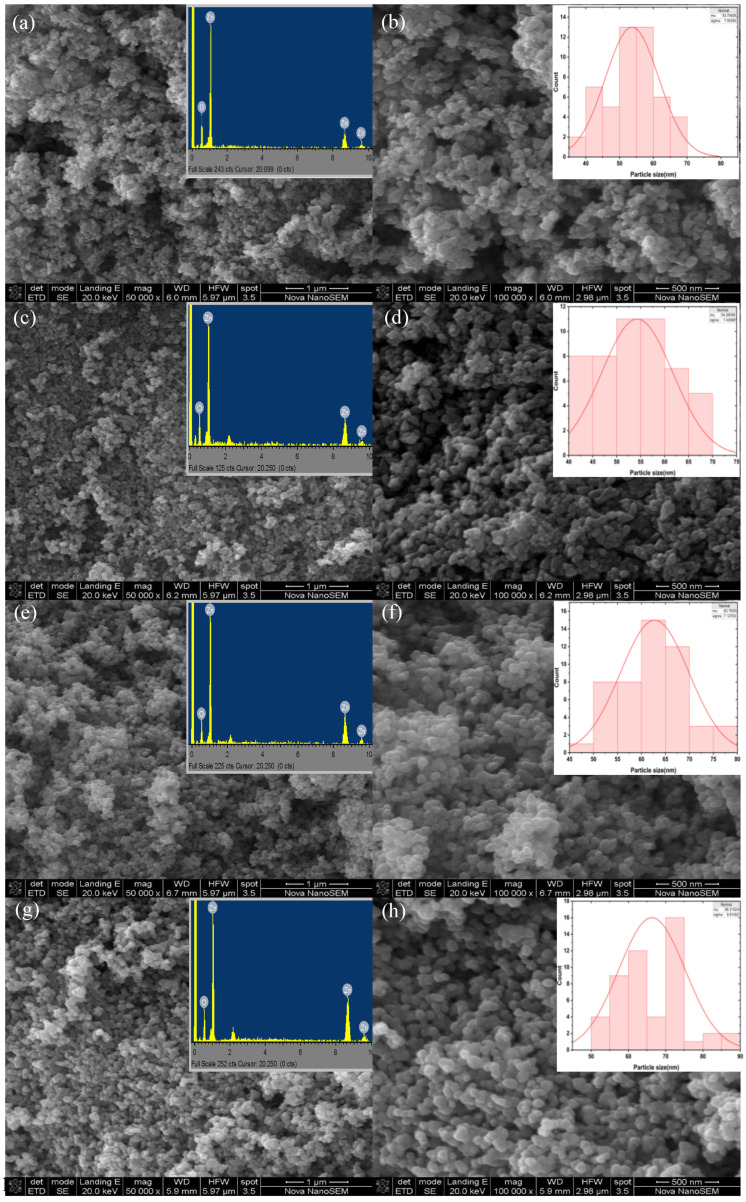
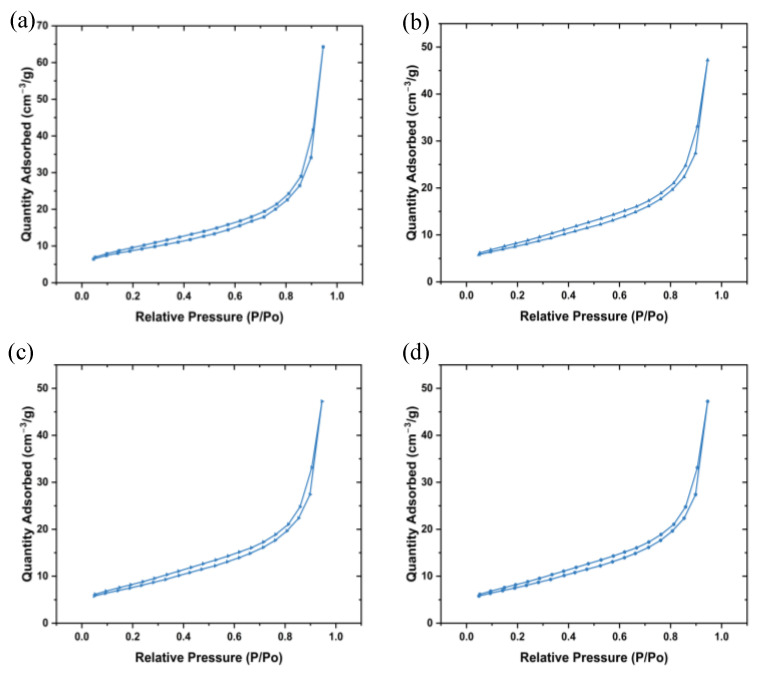
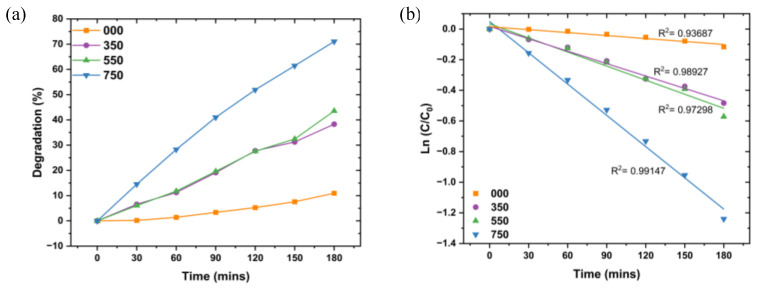
This research achieved the successful synthesis of zinc oxide (ZnO) NPs through an eco-friendly method, utilizing the leaf extract of (L.O.). This innovative approach not only highlights the potential of green synthesis but also underscores the effectiveness of natural resources in nanoparticle production. The influence of annealing temperature on the properties and performance of the synthesized ZnO NPs was evaluated by varying the annealing temperatures as follows: unannealed (000), 350 °C (350), 550 °C (550), and 750 °C (750). The XRD analysis of L.O-mediated ZnO NPs confirmed the synthesis of highly crystalline wurtzite-structured ZnO NPs, with calculated average crystallite sizes that ranged between 13.8 and 20.4 nm. The UV-Vis spectra revealed a single strong absorption peak ranging from 354 to 375 nm, and the absorption peaks red-shifted with an increase in annealing temperature. The SEM micrographs showed that annealing temperature had an effect on the morphology, particle size, and distribution, with the average particle of 53.7-66.3 nm. The BET analysis revealed that the surface area of the prepared ZnO NPs was between 31.6 and 13.2 m/g. In addition to its significant impact on the characteristics of the L.O-mediated, annealing temperature notably boosts the L.O-mediated capacity to photodegrade Methylene blue (MB) dye. Moreover, it exhibited significant antibacterial efficacy against () and (). The photodegradation studies under UV irradiation and in 180 min revealed 750 (71.1%) had the highest degradation efficiency compared to 000, 350, and 550. The antibacterial tests showed that 000 had greater antibacterial efficacy than 350, 550, and 750. The results from this work suggest that annealing temperature had a significant effect on the structural, morphological, and optical properties and performance of L.O-mediated ZnO NPs.
本研究通过一种环保方法,利用[植物名称](L.O.)的叶提取物成功合成了氧化锌(ZnO)纳米颗粒。这种创新方法不仅突出了绿色合成的潜力,还强调了自然资源在纳米颗粒生产中的有效性。通过如下改变退火温度来评估退火温度对合成的ZnO纳米颗粒的性能和表现的影响:未退火(000)、350℃(350)、550℃(550)和750℃(750)。对L.O.介导的ZnO纳米颗粒的XRD分析证实合成了高度结晶的纤锌矿结构的ZnO纳米颗粒,计算出的平均微晶尺寸在13.8至20.4纳米之间。紫外可见光谱显示在354至375纳米范围内有一个单一的强吸收峰,并且吸收峰随着退火温度的升高而红移。扫描电子显微镜图像表明退火温度对形态、粒径和分布有影响,平均粒径为53.7 - 66.3纳米。BET分析表明所制备的ZnO纳米颗粒的表面积在31.6至13.2平方米/克之间。除了对L.O.介导的特性有显著影响外,退火温度还显著提高了L.O.介导的光降解亚甲基蓝(MB)染料的能力。此外,它对[细菌名称1]和[细菌名称2]表现出显著的抗菌功效。在紫外光照射下180分钟的光降解研究表明,与000、350和550相比,750(71.1%)具有最高的降解效率。抗菌测试表明000比350、550和750具有更强的抗菌功效。这项工作的结果表明,退火温度对L.O.介导的ZnO纳米颗粒的结构、形态、光学性质和性能有显著影响。