Canazza Elisa, Tessari Paolo, Mayr Marangon Christine, Lante Anna
Dipartimento di Agronomia, Alimenti, Risorse Naturali, Animali e Ambiente-DAFNAE, Università di Padova, Viale dell'Università, 16, 35020 Legnaro, PD, Italy.
Senior Associate, University of Padova, Via Giustiniani 2, 35128 Padova, PD, Italy.
Nutrients. 2024 Nov 23;16(23):4015. doi: 10.3390/nu16234015.
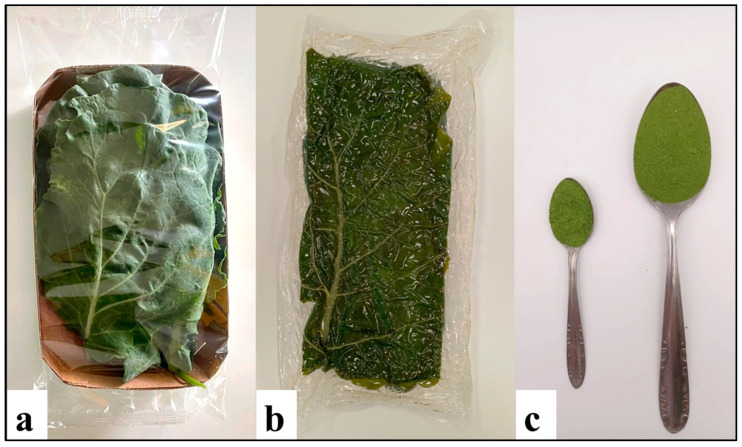
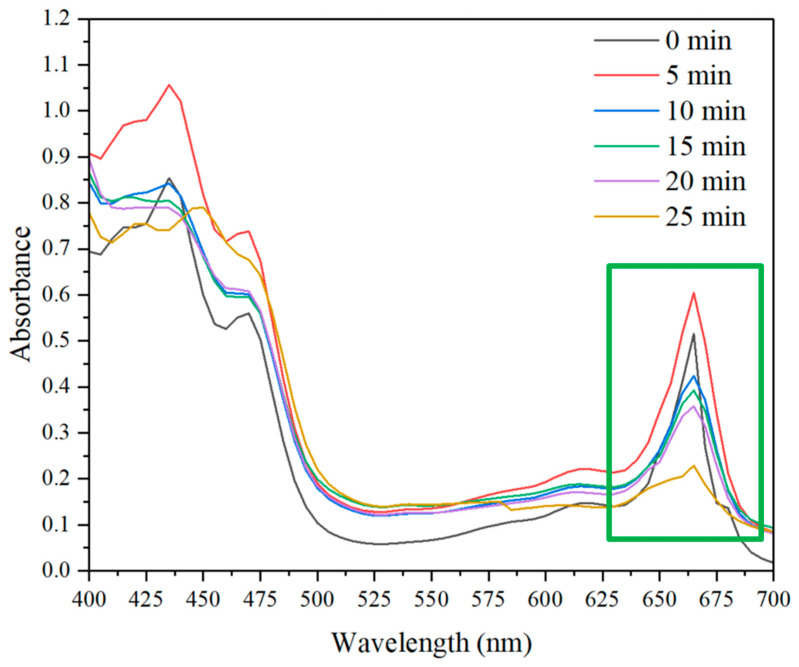
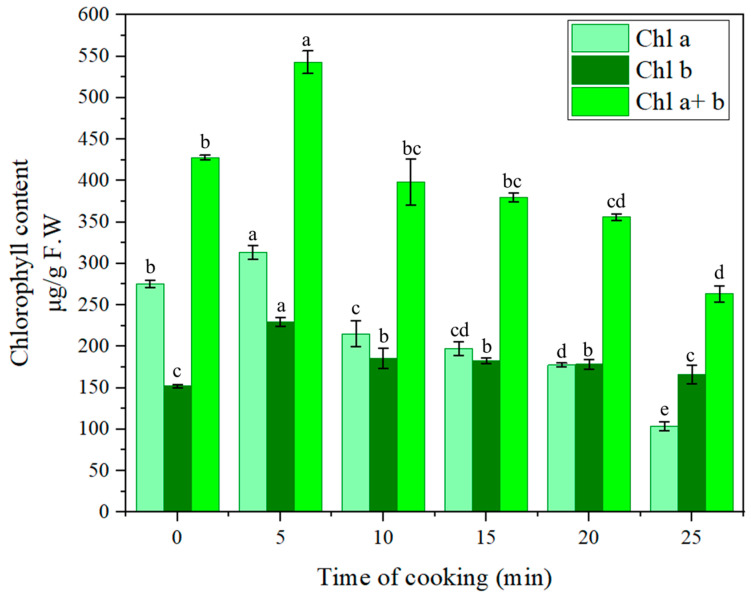
Collard green ( var. ) is widely cultivated for its adaptability and nutritional benefits. This study examines the nutritional composition and chlorophyll content of the "Couve-Manteiga" cultivar grown in Italy, emphasizing its potential application in convenience foods, such as fresh-cut, fifth-range, and freeze-dried products, to enhance chlorophyll intake in the population. The leaves of collard greens were analyzed for proximate composition, mineral content, amino acid and fatty acid profiles, and chlorophyll levels. Chlorophyll retention was measured after sous vide cooking and freeze-drying to assess the efficacy of these preservation methods. The chlorophyll content of different product formats was quantified, and potential dietary contributions were estimated based on consumption data. Collard greens exhibited a low caloric value (30.66 kcal/100 g), with high levels of dietary fiber (3.39 g/100 g), protein (3.01 g/100 g), calcium (333.09 mg/100 g), and potassium (215.53 mg/100 g). The amino acid profile revealed an essential to non-essential amino acid ratio of 0.72. Chlorophyll retention was notably high in both freeze-dried (97.66%) and sous-vide cooked products (83.5%), indicating the effectiveness of these methods in preserving chlorophyll content compared to fresh-cut leaves. The results suggest that convenience foods made from collard green leaves provide an accessible means to boost chlorophyll intake and enhance daily nutrition, offering a practical solution for increasing the consumption of this nutrient-rich vegetable.
羽衣甘蓝(变种)因其适应性和营养价值而被广泛种植。本研究考察了在意大利种植的“Couve-Manteiga”品种的营养成分和叶绿素含量,强调了其在即食食品、五分制食品和冷冻干燥产品等方便食品中的潜在应用,以增加人群的叶绿素摄入量。对羽衣甘蓝叶进行了近似成分、矿物质含量、氨基酸和脂肪酸谱以及叶绿素水平的分析。在真空低温烹饪和冷冻干燥后测量叶绿素保留率,以评估这些保鲜方法的效果。对不同产品形式的叶绿素含量进行了量化,并根据消费数据估计了潜在的膳食贡献。羽衣甘蓝热量值较低(30.66千卡/100克),膳食纤维(3.39克/100克)、蛋白质(3.01克/100克)、钙(333.09毫克/100克)和钾(215.53毫克/100克)含量较高。氨基酸谱显示必需氨基酸与非必需氨基酸的比例为0.72。冷冻干燥产品(97.66%)和真空低温烹饪产品(83.5%)中的叶绿素保留率都很高,这表明与鲜切叶相比,这些方法在保留叶绿素含量方面是有效的。结果表明,用羽衣甘蓝叶制成的方便食品是增加叶绿素摄入量和改善日常营养的便捷途径,为增加这种营养丰富蔬菜的消费量提供了切实可行的解决方案。