Omasa Toshiki, Sawamoto Atsushi, Nakajima Mitsunari, Okuyama Satoshi
Department of Pharmaceutical Pharmacology, College of Pharmaceutical Sciences, Matsuyama University, 4-2 Bunkyo-cho, Matsuyama 790-8578, Ehime, Japan.
Molecules. 2024 Nov 25;29(23):5559. doi: 10.3390/molecules29235559.
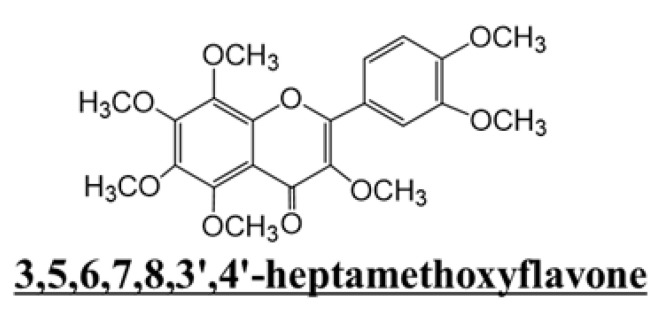
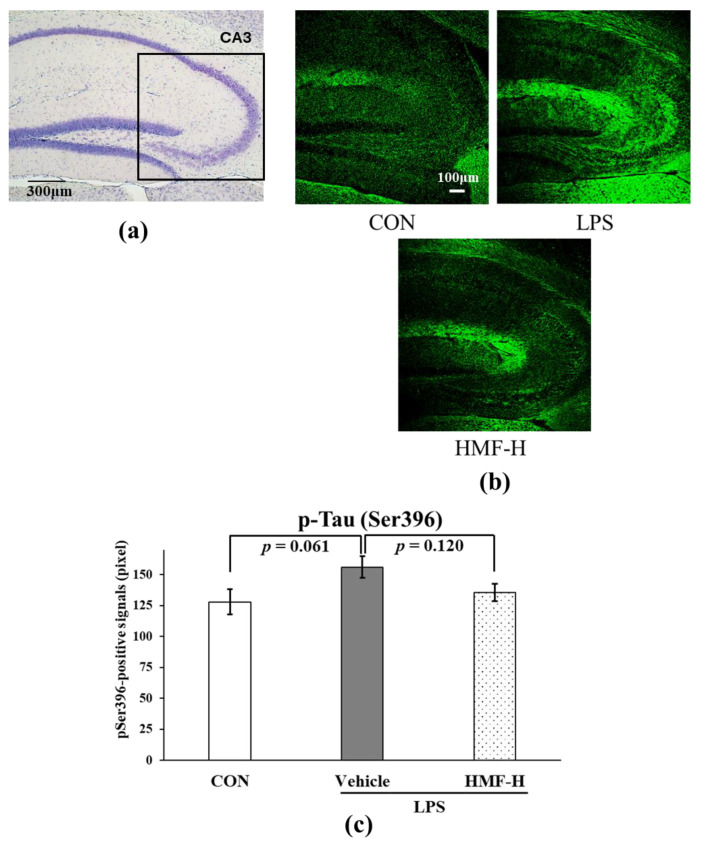
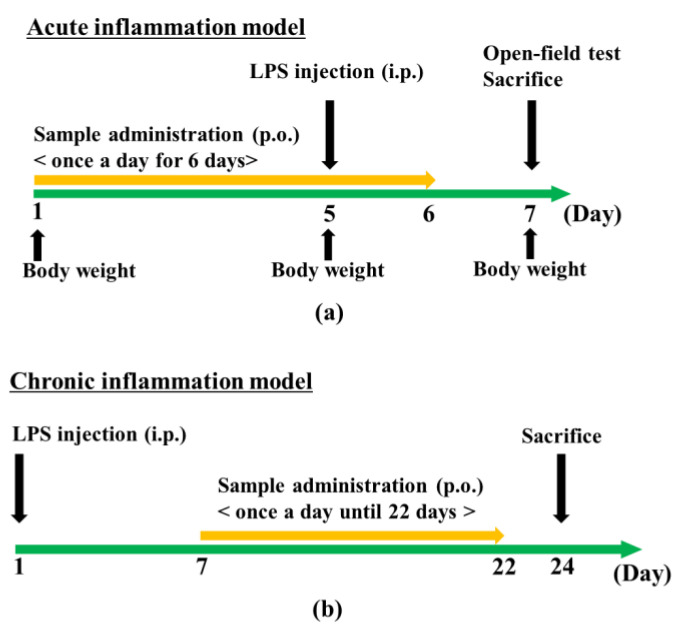
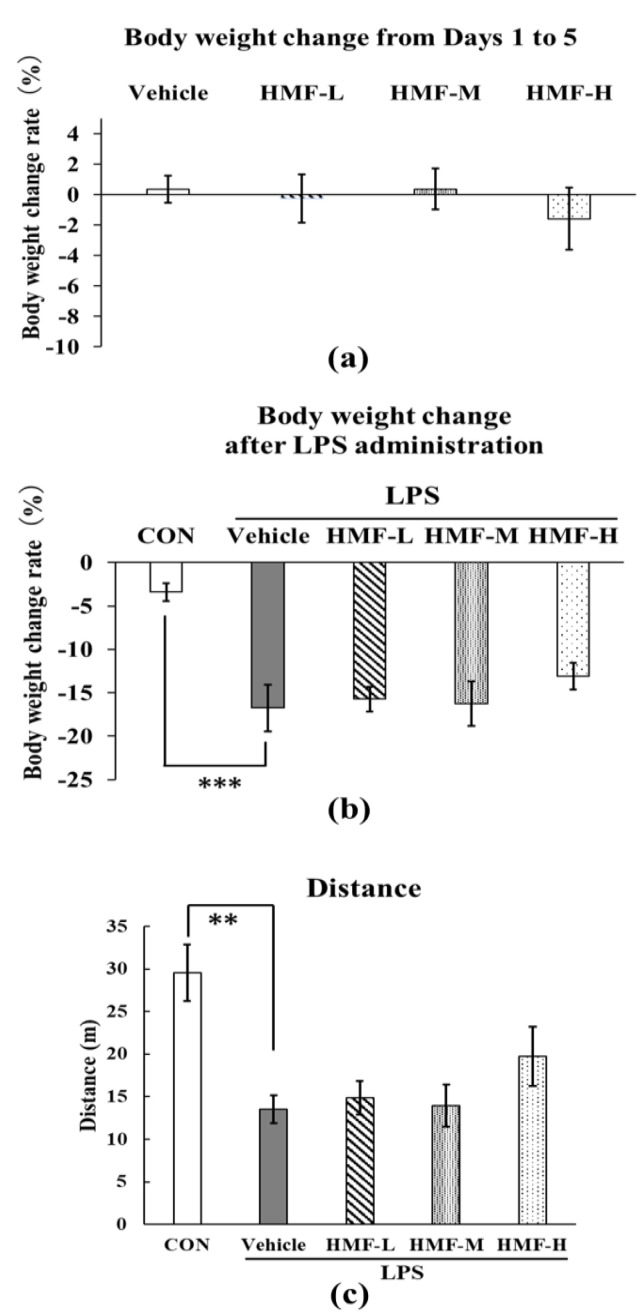
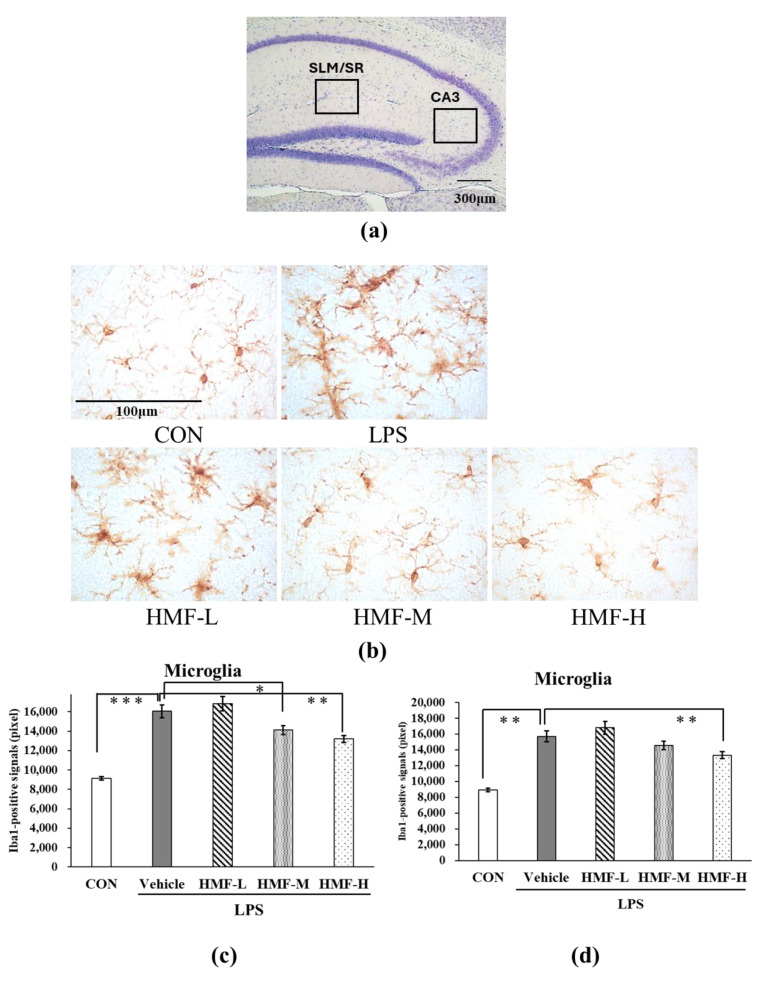
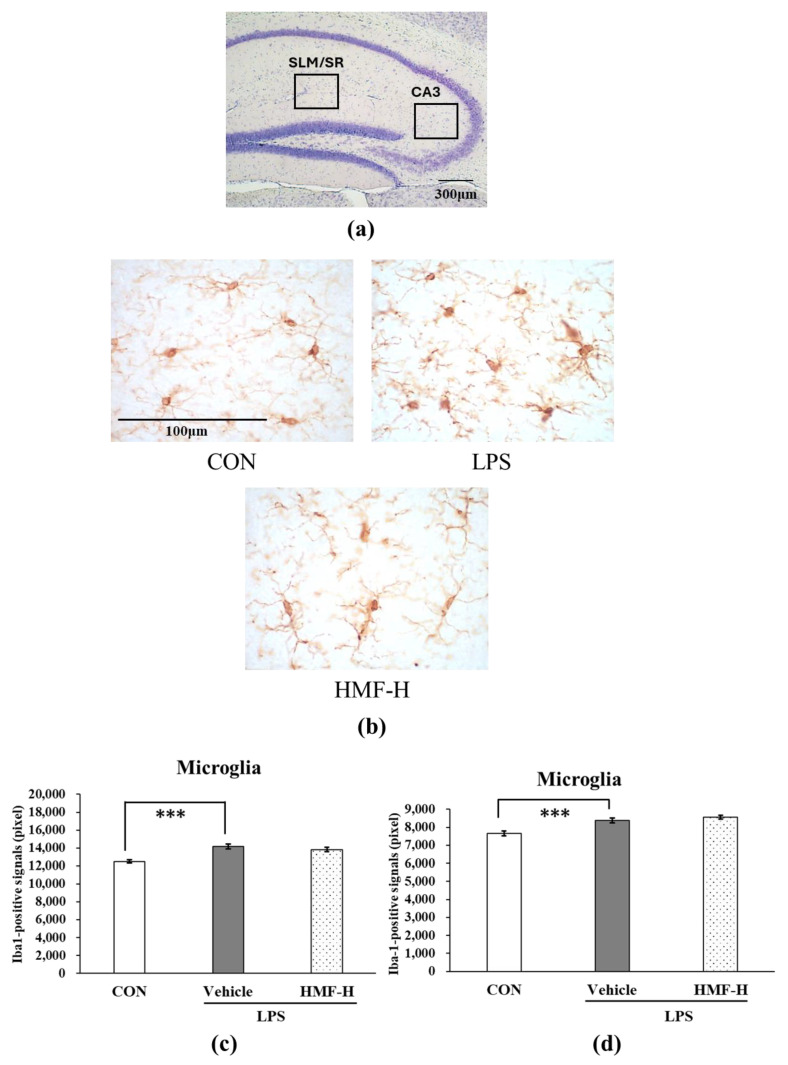
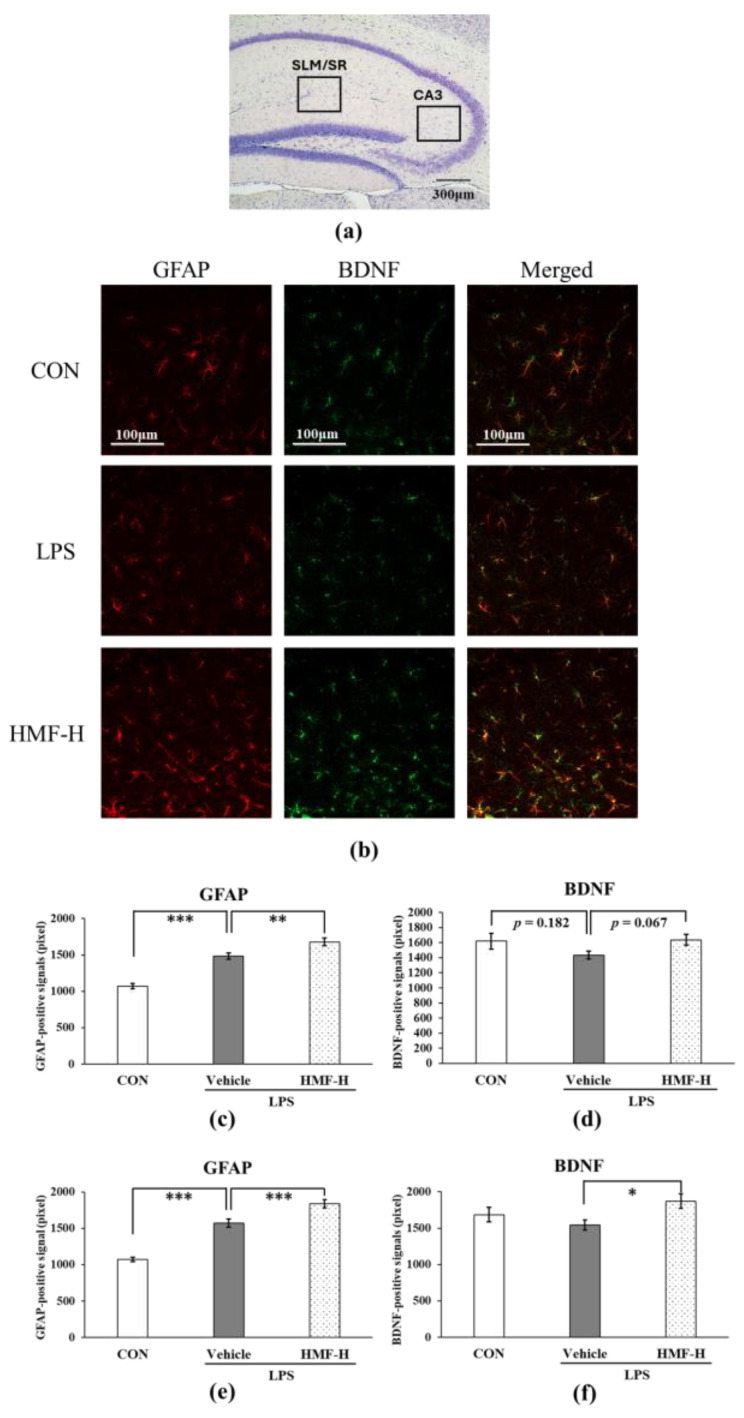
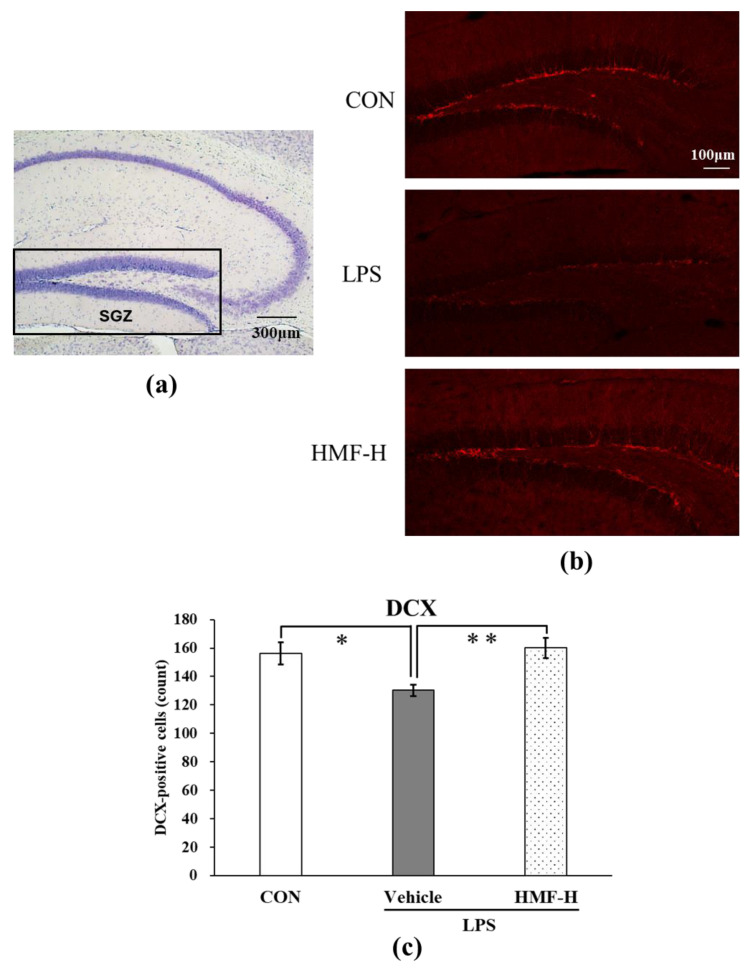
Citrus fruits contain several bioactive components. Among them, one of the major components is 3,5,6,7,8,3',4'-heptamethoxyflavone (HMF), which has previously shown protective effects in the brain in some disease models; moreover, HMF has been shown to penetrate the brain. In recent years, inflammation has been identified as a defense response in the body; however, a chronic inflammatory response may trigger several diseases. Inflammation in the peripheral tissues spreads to the brain and is suggested to be closely associated with diseases of the central nervous system. HMF has shown anti-inflammatory effects in the hippocampus following global cerebral ischemia; however, its effects on acute and chronic inflammation in the brain remain unclear. Therefore, in the present study, we examined the effects of HMF in a mouse model of systemic inflammation induced by lipopolysaccharide (LPS) administration. In this study, HMF suppressed LPS-induced microglial activation in the brains of acute inflammation model mice two days after LPS administration. In addition, 24 days after the administration of LPS in a chronic inflammation model, HMF promoted BDNF production and neurogenesis in the brain, which also tended to suppress tau protein phosphorylation at Ser396. These results suggest that HMF has anti-inflammatory and neurotrophic effects in the brains of model mice with lipopolysaccharide-induced systemic inflammation.
柑橘类水果含有多种生物活性成分。其中,主要成分之一是3,5,6,7,8,3',4'-七甲氧基黄酮(HMF),此前在一些疾病模型中已显示出对大脑的保护作用;此外,HMF已被证明可以穿透大脑。近年来,炎症已被确认为机体的一种防御反应;然而,慢性炎症反应可能引发多种疾病。外周组织中的炎症扩散至大脑,并被认为与中枢神经系统疾病密切相关。HMF在全脑缺血后的海马体中已显示出抗炎作用;然而,其对大脑急性和慢性炎症的影响仍不清楚。因此,在本研究中,我们检测了HMF在脂多糖(LPS)诱导的全身炎症小鼠模型中的作用。在本研究中,LPS给药两天后,HMF抑制了急性炎症模型小鼠大脑中LPS诱导的小胶质细胞激活。此外,在慢性炎症模型中LPS给药24天后,HMF促进了大脑中脑源性神经营养因子(BDNF)的产生和神经发生,这也倾向于抑制Ser396位点的tau蛋白磷酸化。这些结果表明,HMF在脂多糖诱导的全身炎症模型小鼠大脑中具有抗炎和神经营养作用。