Mercan Doina-Antonia, Niculescu Adelina-Gabriela, Bîrcă Alexandra Cătălina, Cristea Diana-Elena, Moroșan Alina, Tudorache Dana-Ionela, Purcăreanu Bogdan, Vasile Bogdan Ștefan, Radu Dana, Grigoroscuta Mihai Alexandru, Hadibarata Tony, Mihaiescu Dan Eduard, Grumezescu Alexandru Mihai
Department of Science and Engineering of Oxide Materials and Nanomaterials, National University of Science and Technology Politehnica Bucharest, 011061 Bucharest, Romania.
Research Institute of the University of Bucharest-ICUB, University of Bucharest, 050657 Bucharest, Romania.
Materials (Basel). 2024 Nov 27;17(23):5816. doi: 10.3390/ma17235816.
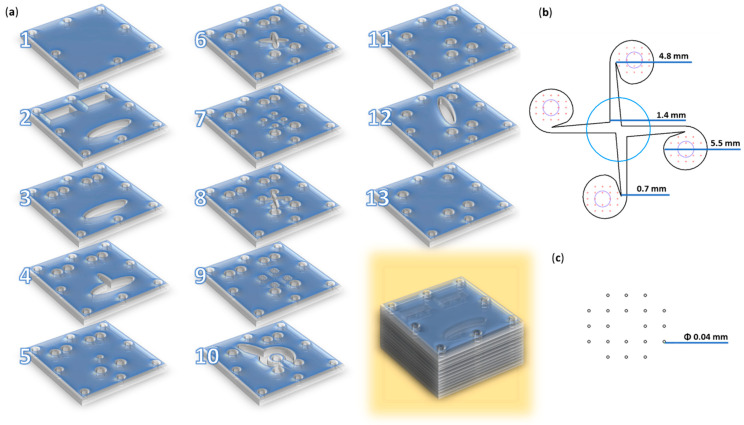
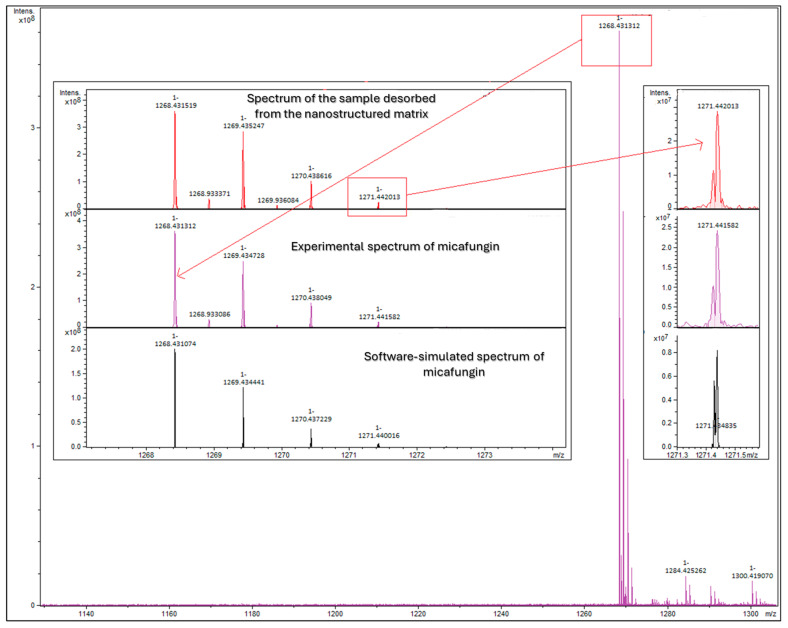
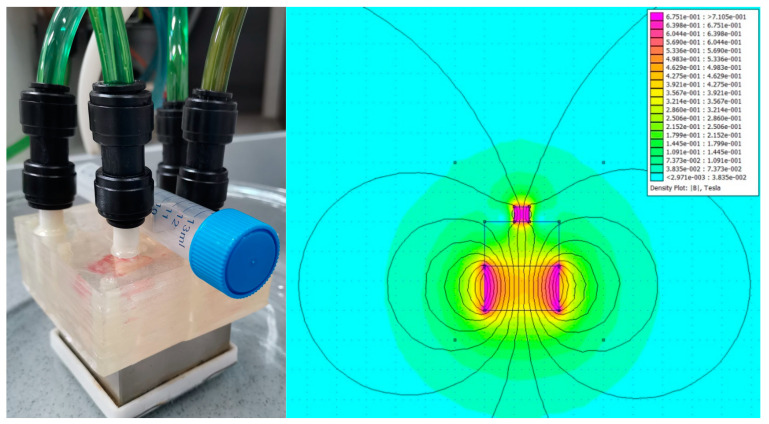
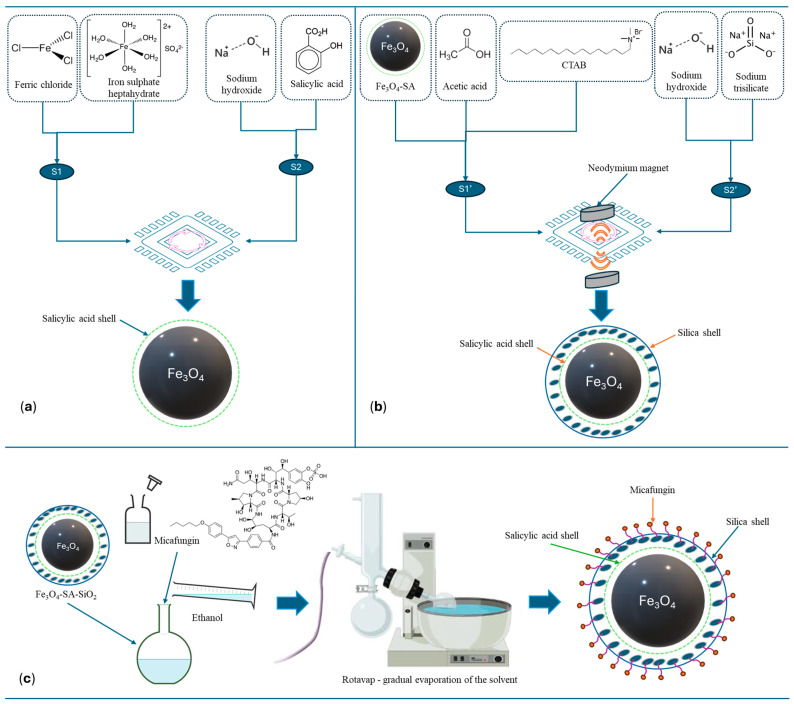
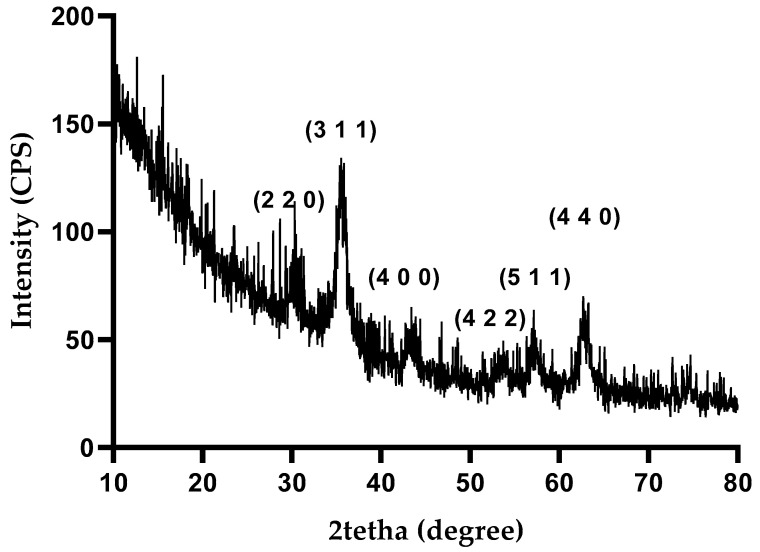
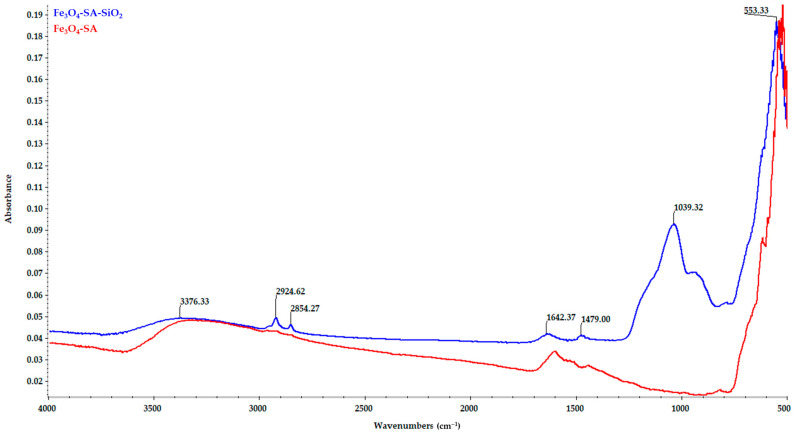
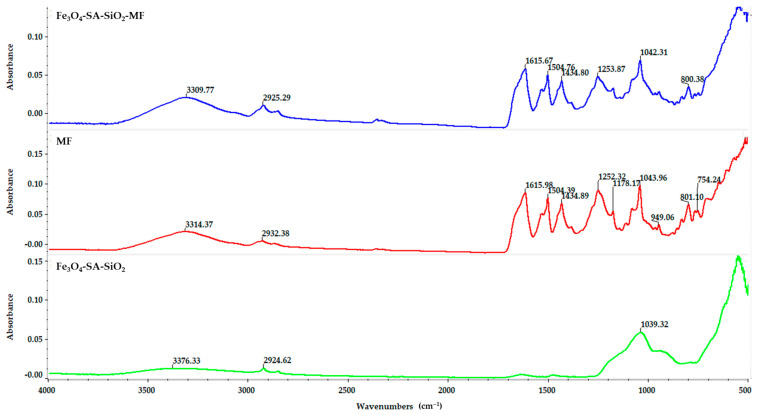
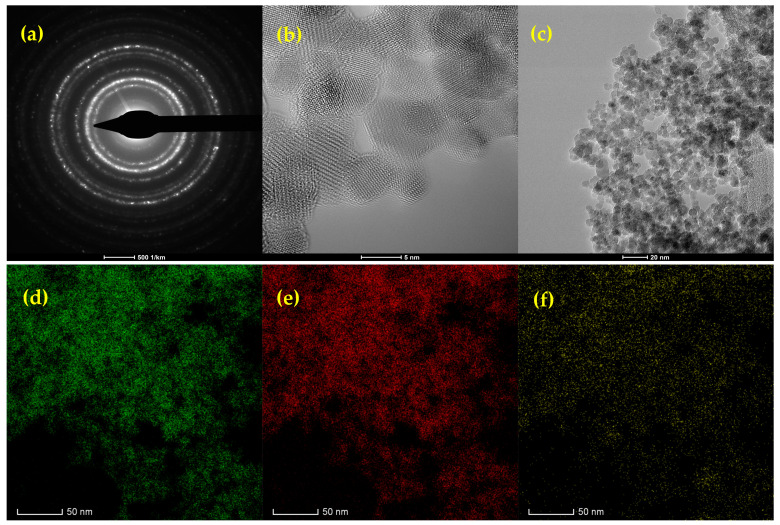
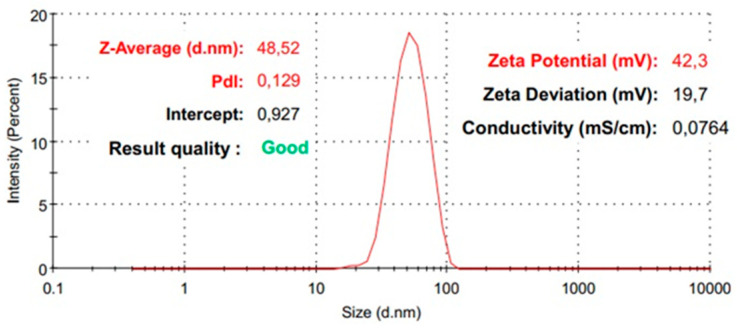
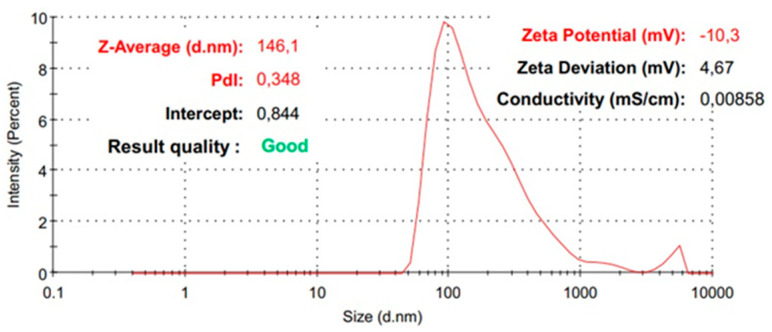
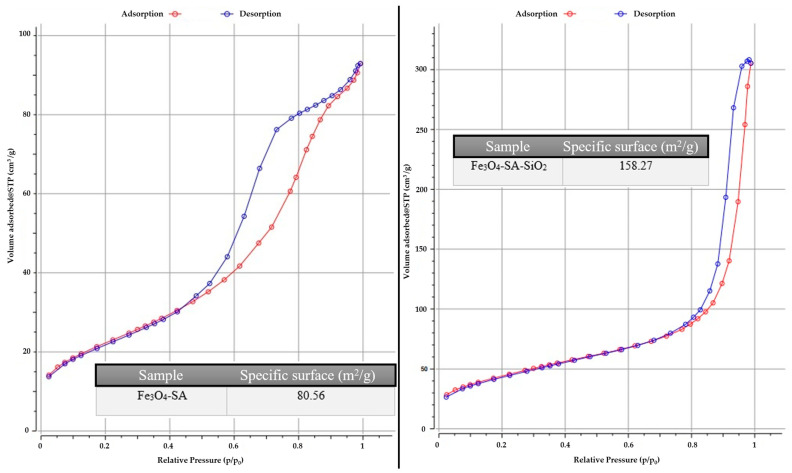
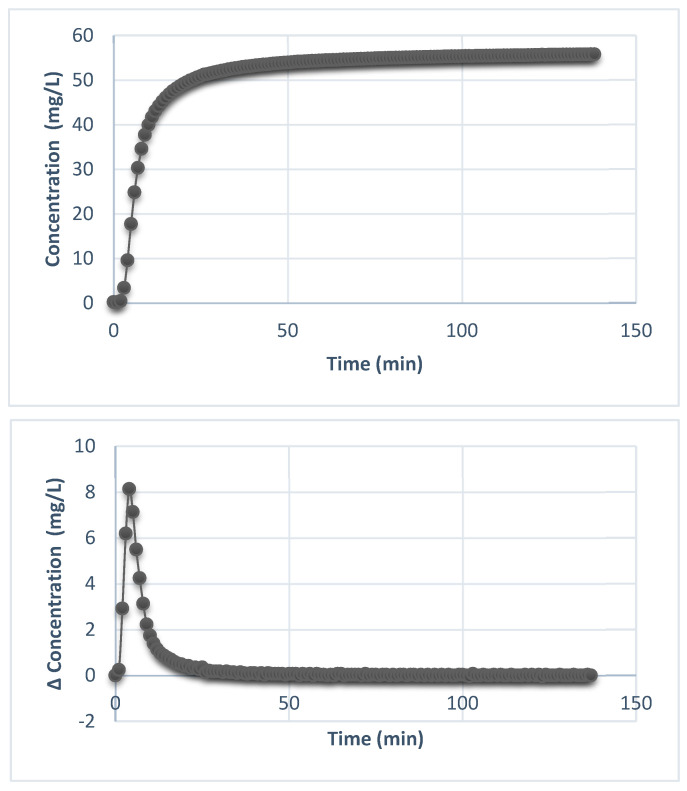
Iron oxide nanoparticles were synthesized using a vortex microfluidic system and subsequently functionalized with a primary shell of salicylic acid, recognized for its ability to increase the stability and biocompatibility of coated materials. In the second stage, the vortex platform was placed in a magnetic field to facilitate the growth and development of a porous silica shell. The selected drug for this study was micafungin, an antifungal agent well regarded for its effectiveness in combating fungal infections and identified as a priority compound by the World Health Organization (WHO). The resulting nanocomposite system was characterized using various techniques, including Fourier transform infrared spectroscopy (FT-IR), X-ray diffraction (XRD), transmission electron microscopy (TEM), dynamic light scattering (DLS), Brunauer-Emmett-Teller (BET) analysis, UV-Vis spectroscopy, and Fourier transform ion cyclotron resonance mass spectrometry (FT-ICR MS). The synthesis method produced nanoparticles with dimensions of 5-7 nm, highlighting the advantages of the chosen approach. A desorption profile was established using a continuous-flow, UV-Vis analysis system, indicating that the bioactive compound was released slowly; after two hours, approximately 50% of the loaded micafungin was detected in the release medium. Furthermore, the results obtained from the FT-ICR MS analysis provided molecular-level confirmation, thereby supporting the release mechanism of micafungin from the nanosystem.
使用涡旋微流控系统合成了氧化铁纳米颗粒,随后用一层水杨酸初级壳层进行功能化处理,水杨酸因其能够提高被包覆材料的稳定性和生物相容性而闻名。在第二阶段,将涡旋平台置于磁场中,以促进多孔二氧化硅壳层的生长和发育。本研究选用的药物是米卡芬净,这是一种抗真菌剂,因其在对抗真菌感染方面的有效性而备受关注,并被世界卫生组织(WHO)列为优先化合物。使用包括傅里叶变换红外光谱(FT-IR)、X射线衍射(XRD)、透射电子显微镜(TEM)、动态光散射(DLS)、布鲁诺尔-埃米特-泰勒(BET)分析、紫外可见光谱和傅里叶变换离子回旋共振质谱(FT-ICR MS)等多种技术对所得的纳米复合系统进行了表征。该合成方法制备出尺寸为5-7纳米的纳米颗粒,突出了所选方法的优势。使用连续流动紫外可见分析系统建立了解吸曲线,表明生物活性化合物释放缓慢;两小时后,在释放介质中检测到约50%负载的米卡芬净。此外,FT-ICR MS分析获得的结果提供了分子水平的确认,从而支持了米卡芬净从纳米系统中的释放机制。