Ballal Narendra, Kotennavar Manjunath S, Patil Aravind V, Rajendra Benakatti, Jaju Pradeep, Savant Manjunath S, Rathod Sanjeev S, Ghanteppagol Veena, Shetty Saket, Medikonda Eswar
General Surgery, BLDE (Deemed to be University) Shri BM Patil Medical College Hospital and Research Centre, Vijayapura, IND.
General Surgery, S. Nijalingappa Medical College, Bagalkote, IND.
Cureus. 2024 Nov 15;16(11):e73790. doi: 10.7759/cureus.73790. eCollection 2024 Nov.
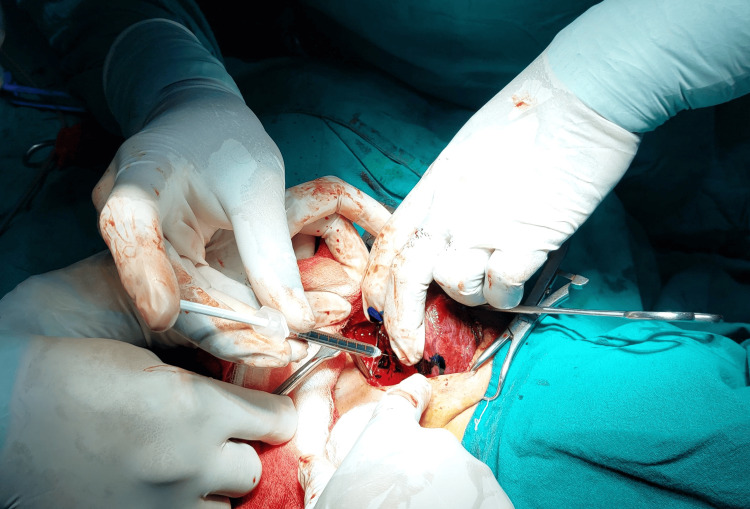
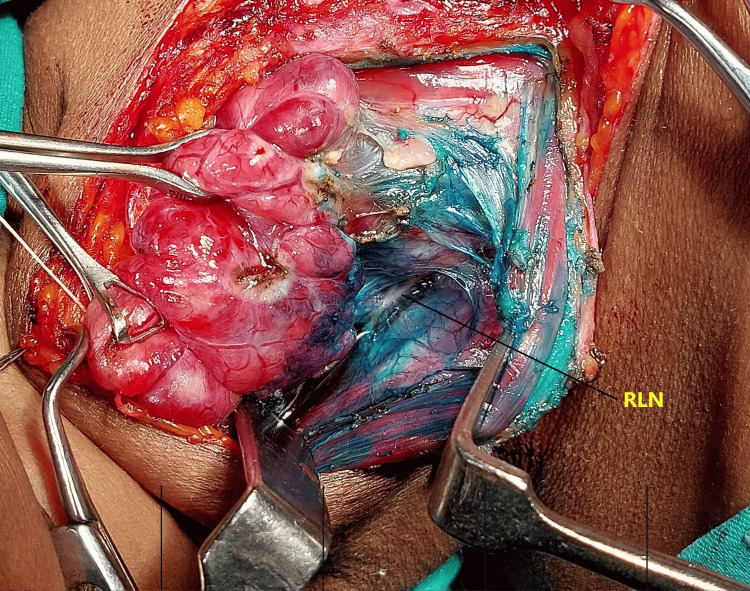
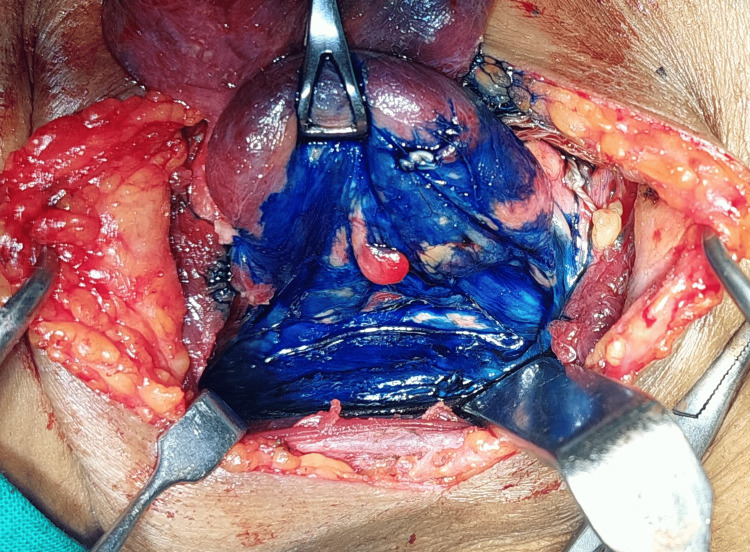
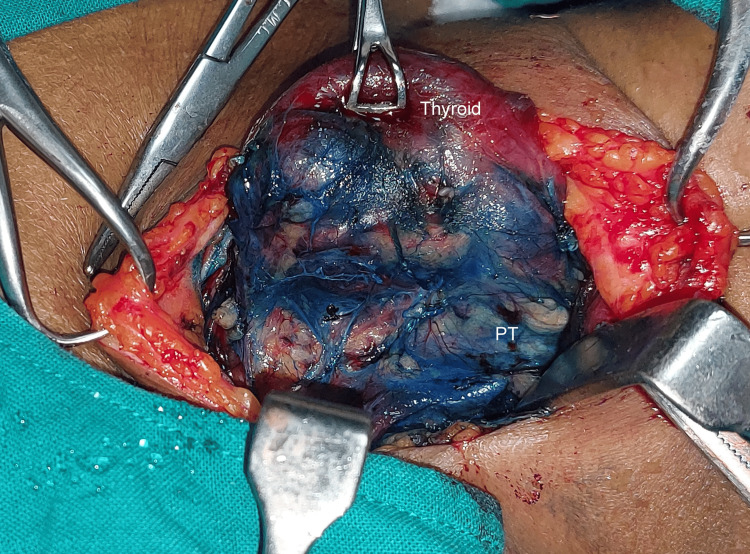
Background The complex surgical anatomy and intricate structural arrangement of the thyroid region pose significant challenges for surgeons in identifying the parathyroids and recurrent laryngeal nerve (RLN) during thyroid surgeries. Therefore, it is crucial to develop techniques that enhance the identification of these structures and reduce complications during thyroidectomies. Objective This study intends to assess the efficacy and diagnostic value of Methylene Blue dye and its usefulness in identifying, conserving and minimizing injury to parathyroid glands and recurrent laryngeal nerve during thyroidectomies. Methods Over two years, 66 patients had near-total, subtotal, or total thyroidectomies at the Shri BM Patil Medical College, Hospital & Research Centre, Vijayapura, India, as part of this interventional study. The time it took for various tissues to return to their natural colour after applying methylene blue dye was the principle used for safe thyroidectomy. Preoperative serum calcium and parathyroid hormone (PTH) concentrations, preoperative diagnoses, and demographic information were gathered for the study. Documentation was also kept of the histological confirmation, hospital stay following surgery, complications following surgery, variations in blood calcium and PTH concentrations on the fifth postoperative day, and any allergic reactions to methylene blue. This allowed for the calculation of equal sensitivity and specificity with negative and positive predictive values. Results Sixty-three (95%) of the 66 patients were female, most in their 40s-60s. Before surgery, patients' serum PTH and calcium levels were normal, with no patients having hoarseness of voice or hypocalcemia symptoms. Postoperative hospital stays typically lasted three to five days. Two patients experienced vocal cord paresis following surgery, and one patient experienced delayed wound healing. They were eventually able to recover fully. On day five following surgery, there was no drop in serum PTH or calcium levels and no allergic reaction to methylene blue. Methylene blue showed a sensitivity of 98.46%, specificity of 97.01%, positive predictive value of 96.97%, negative predictive value of 98.48%, and overall accuracy of 97.73% when used for intraoperative structure detection. Conclusion Using methylene blue dye for the intraoperative identification and preservation of parathyroid glands and the recurrent laryngeal nerve is a reliable, affordable, and accessible method with good sensitivity and specificity. It makes thyroidectomy dissections less taxing and reduces the risk of complications following thyroid operations.
甲状腺区域复杂的手术解剖结构和精细的结构布局给外科医生在甲状腺手术中识别甲状旁腺和喉返神经(RLN)带来了重大挑战。因此,开发能够增强这些结构识别并减少甲状腺切除术中并发症的技术至关重要。
本研究旨在评估亚甲蓝染料在甲状腺切除术中识别、保护甲状旁腺和喉返神经并使其损伤最小化的有效性、诊断价值及其实用性。
在印度维杰亚普拉的什里BM帕蒂尔医学院、医院及研究中心进行的这项干预性研究中,两年多来,66例患者接受了近全甲状腺切除术、次全甲状腺切除术或全甲状腺切除术。应用亚甲蓝染料后各种组织恢复自然颜色所需的时间是安全甲状腺切除术的原则。收集患者术前血清钙和甲状旁腺激素(PTH)浓度、术前诊断及人口统计学信息用于研究。还记录了组织学确认结果、术后住院时间、术后并发症、术后第五天血钙和PTH浓度变化以及对亚甲蓝的任何过敏反应。据此计算了具有阴性和阳性预测值的同等敏感性和特异性。
66例患者中有63例(95%)为女性,大多数年龄在40多岁至60多岁。术前患者血清PTH和钙水平正常,无一例患者有声音嘶哑或低钙血症症状。术后住院时间通常为三至五天。两名患者术后出现声带麻痹,一名患者伤口愈合延迟。他们最终完全康复。术后第五天,血清PTH和钙水平无下降,对亚甲蓝无过敏反应。亚甲蓝用于术中结构检测时,敏感性为98.46%,特异性为97.01%,阳性预测值为96.97%,阴性预测值为98.48%,总体准确率为97.73%。
使用亚甲蓝染料在术中识别和保护甲状旁腺及喉返神经是一种可靠、经济且易于获得的方法,具有良好的敏感性和特异性。它使甲状腺切除术中的解剖操作负担减轻,并降低了甲状腺手术后并发症的风险。